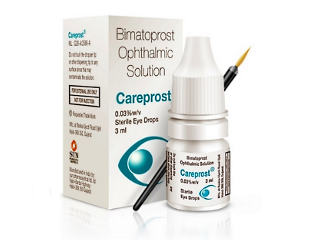
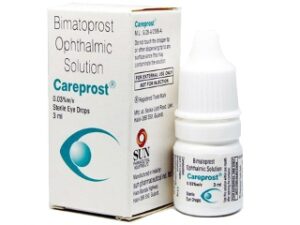
Careprost + Applicators (Bimatoprost) – Patient Information (Australia)
Careprost + Applicators contains bimatoprost, a prescription eye drop used to improve the appearance of eyelashes and, in some cases, treat specific eye conditions. This patient-friendly guide explains how bimatoprost works, how it is used with the included applicators, what to expect, safety information, interactions, and practical tips for best results in Australia.
Always follow the directions provided with your medicine and any professional advice you receive. Product availability and regulatory details can vary over time; see the Australia market/legal context section below for general information.
Basic product information
- Medicine name: Careprost + Applicators
- Active ingredient: Bimatoprost
- Dosage form: Eye drops/solution used with dedicated applicators (for eyelash application)
- Common uses: Improvement of eyelash length, thickness, and darkness; and ophthalmic conditions where bimatoprost is indicated
- Strength: Commonly supplied as a low-strength bimatoprost eye solution (the exact strength should be confirmed on your pack)
- Pack contents: Typically includes applicator(s) designed to apply the drop to the eyelashes
Note: If your pack differs from the above description, use the packaging label and instructions supplied with your specific product.
What bimatoprost does (mechanism of action)
Bimatoprost belongs to a group of medicines that influence ocular signalling pathways. In simple terms, it helps to increase the proportion of eyelashes that are in the growth phase and may extend the growth cycle. This can result in improved lash appearance.
In ophthalmic use, bimatoprost can also reduce pressure within the eye by enhancing the outflow of fluid. The exact pathways involve multiple biological steps in and around eye tissues.
How it helps eyelashes
- Promotes eyelash growth (length, thickness, and darkness)
- May increase the number of visible lashes over time
- Effects build gradually as new lash cycles develop
Pharmacokinetics (how the body handles it)
After topical ocular use, bimatoprost can be absorbed through eye tissues. Because the medicine is applied locally, systemic levels are typically low. The body metabolises the drug through normal biochemical pathways, and elimination occurs mainly via metabolic processing and excretion.
Key points for patients:
- Systemic absorption: Generally low when used as directed for eyelash application or ocular indications.
- Metabolism: Processed in the body to metabolites that are cleared over time.
- Onset of effect: Lash improvement is gradual; ocular pressure effects occur with regular use.
- Variability: Individual response can vary, depending on technique, adherence, and baseline lash characteristics.
If you have kidney or liver problems, discuss use with your healthcare professional. They may advise monitoring or confirm your suitability.
Typical use and indications
1) Eyelash enhancement (cosmetic-appearance improvement)
Careprost + Applicators is commonly used to improve the appearance of eyelashes by enhancing growth characteristics. This includes helping lashes appear longer, thicker, and darker.
2) Ophthalmic indications (eye-related use)
Depending on the product registration and local prescribing practices, bimatoprost may also be used in glaucoma or ocular hypertension as an eye pressure–lowering therapy. If your intended use is for an eye condition, your clinician’s instructions take priority.
Who should not use it?
- People with a known allergy to bimatoprost or any ingredient in the formulation
- Anyone with eye disease or infection that is not under medical supervision
- People who experience severe irritation or worsening symptoms after starting
Dosing (how to use Careprost + Applicators)
The typical regimen for eyelash application is usually once daily in the evening. For ocular indications, dosing schedules may differ. Always follow the specific instructions on your pack or from your healthcare professional.
Typical eyelash dosing schedule
- Frequency: Once daily
- Time: Evening or at night
- Duration: Continue daily use to maintain improvements; results develop over weeks
Step-by-step practical dosing instructions
- Wash and dry hands before use.
- Use the applicator included in the package.
- Apply a thin line along the upper eyelash line (and only as directed for lower lashes, if your instructions include them). Aim for the lash line area—avoid getting solution into the eye if possible.
- Let it absorb before applying any eye makeup. Remove contact lenses if you wear them (see safety notes below).
- Do not double dose if you miss a dose. Apply the next dose at the usual time.
Important: Over-application increases the risk of side effects such as irritation, redness, or changes around the eyes. Use only the recommended amount.
Timing: when to apply and when to expect results
Best time of day
Many lash regimens are recommended in the evening, often because it may reduce friction with daytime activities and makes adherence easier. Choose a consistent time each day.
How long it takes to work
Lash appearance improvements are usually not immediate. Typical timelines:
- Early changes: Some people notice subtle differences after a few weeks
- More visible results: Often around 8 to 12 weeks
- Ongoing enhancement: May continue with continued consistent use
If you see no change after a reasonable trial period, speak with a pharmacist or eye-care professional to review technique and suitability.
Food interactions
There are no known clinically significant food interactions with bimatoprost when used as directed on the eyelids/eyes.
Because the medicine acts locally, what you eat is unlikely to affect dosing effectiveness. However, maintain good general health and stay hydrated, especially if you experience mild irritation or dryness.
Alcohol and medicine interactions
Alcohol
There is no direct known interaction between topical bimatoprost and alcohol. Still, alcohol can contribute to dry eyes or worsen irritation in some people. If you notice increased stinging or redness after alcohol intake, consider using the medicine consistently and managing dryness (e.g., with recommended lubricating drops).
Other medicines
If you are taking other medicines—especially eye drops—tell your pharmacist or clinician. While systemic interactions are unlikely due to low systemic absorption, eye medication combinations can affect tolerability.
General interaction precautions
- Multiple eye drops: Allow time between different products (often at least 5–10 minutes unless advised otherwise).
- Contact with other eye products: Avoid mixing or applying other lash/eye gels at the same time.
- Conservative approach: If you use medicated eye drops for pressure control or allergies, coordinate timing with a professional.
Bring a list of your medicines (including eye drops, cosmetics, and over-the-counter products) to your next consultation.
Safety profile: common and serious side effects
Most common side effects
Side effects usually relate to the application area and may lessen as your eyes adjust. If symptoms are mild, it can help to ensure proper technique and avoid excess product.
- Redness or irritation around the eyes
- Itching or mild burning sensation
- Dryness or watering
- Darkening of eyelid skin or increased pigmentation near the application site (possible)
- Changes in eyelashes such as increased length/thickness (expected for lash use)
- Eye discomfort if product enters the eye
Less common but important risks
- Allergic reactions (swelling, severe redness, hives)
- Increased sensitivity or persistent irritation
- Inflammation of the eye surface (seek guidance if persistent)
Seek urgent medical advice if you experience
- Severe pain in the eye
- Marked swelling of eyelids/face
- Changes in vision (blurred vision, halos)
- Severe redness not improving
- Symptoms suggestive of infection (discharge, fever, worsening tenderness)
Discontinue use and seek prompt advice if you suspect a serious reaction or infection.
Practical use tips (to minimise irritation and improve results)
Technique tips
- Apply precisely along the lash line rather than into the eye.
- Use the recommended amount. Extra product does not usually improve results and may increase side effects.
- Keep applicators clean and follow package instructions for use and storage.
- Avoid rubbing your eyes after application.
Contact lenses
If you wear contact lenses: remove them before applying. Wait until your eyes feel comfortable and follow professional advice before reinserting. This reduces the chance of irritation from solution contact and preservatives.
Makeup and skincare
- Avoid eye makeup immediately after applying—give the medicine time to dry.
- If you experience irritation, simplify your routine (e.g., reduce fragranced skincare around the eyelids).
- Do not apply lash extensions or harsh lash-removal products during the initial adjustment period unless advised.
Missed dose
If you forget a dose, apply it when you remember if it is close to your next scheduled time only per your pack instructions. Otherwise, skip it and continue with your next evening dose. Do not use extra to compensate.
Alternative options (depending on your goal)
If your goal is eyelash appearance
Alternatives to bimatoprost may include other eyelash growth products (where available) or non-medicine approaches. Options can include conditioning serums and mechanical approaches.
- Other eyelash-growth serums: Some products market lash-conditioning claims; evidence and ingredients differ.
- Non-medicine enhancement: Lash curlers, mascara, or professional lash treatments.
If you are considering alternatives, discuss with a pharmacist or eye-care professional—especially if you have sensitive eyes, contact lens use, or a history of eye inflammation.
If your goal is eye pressure control
For glaucoma or ocular hypertension, there are several medication classes used to lower intraocular pressure, such as prostaglandin analogues and other agents. Your ophthalmologist will choose based on effectiveness, side effects, and your eye health.
Market and legal context for Australia (general information)
Medicines containing bimatoprost are regulated in Australia under the Therapeutic Goods framework. In practice, whether a product is supplied for eyelash enhancement versus eye conditions depends on its registered indications, formulation, and local prescribing/supply requirements.
When purchasing online, ensure the product is supplied by a reputable source that can provide:
- Clear product labelling and expiry date
- Batch/lot information where applicable
- Correct storage requirements
- Customer support for delivery and safety information
Regulatory status and guidance can change, so it is best to confirm details on the packaging and with your pharmacist.
Recent guidance (high-level)
In recent years, Australian and international health authorities have emphasised:
- Consumer safety when using eyelash-growth products
- Appropriate product labelling and supply pathways
- Prompt review if irritation, inflammation, or vision symptoms occur
- Clear separation of cosmetic claims from medically indicated uses
Always follow the directions included with your pack, and seek advice if you have pre-existing eye conditions.
Delivery and availability in Australia
Careprost + Applicators may be available through licensed pharmacies or compliant online medicine providers in Australia. Availability can vary depending on stock levels, regional supply, and product registration.
What to expect when ordering online
- Dispatch times: Orders are typically dispatched within standard business timeframes (check the store’s delivery policy).
- Packaging: Delivered in protective packaging to maintain integrity during transit.
- Storage: Store at recommended room temperature and keep out of reach of children.
- Tracking: Many services provide tracking information for Australia-wide delivery.
If the product is unavailable, you can ask the pharmacy about restock timelines or suitable alternatives.
Storage and handling
- Keep the bottle/solution cap closed when not in use.
- Store at the temperature specified on the packaging.
- Do not use after the expiry date.
- Avoid contamination of the tip/applicator—do not touch it to the eye or eyelids.
Summary table: key points at a glance
| Topic | What to know |
|---|---|
| Active ingredient | Bimatoprost |
| Typical eyelash schedule | Once daily in the evening |
| How it works | Helps lashes enter/extend the growth phase; may also increase pigmentation and thickness |
| Time to results | Gradual; often 8–12 weeks for more noticeable improvement |
| Common side effects | Redness/irritation, itching, dryness, possible eyelid pigmentation change |
| Food interactions | No known significant interactions |
| Alcohol interactions | No direct known interaction; alcohol may worsen dryness/irritation in some people |
| When to seek help | Severe pain, vision changes, significant swelling, persistent redness, or suspected infection |
FAQ (Frequently asked questions)
1) How do I apply Careprost + Applicators correctly?
Wash your hands, use the included applicator, apply a thin line along the eyelash line as directed, and avoid contact with the eye. Apply once daily in the evening (for lash enhancement) unless your pack instructions specify otherwise.
2) When will I see results?
Lash growth improvements are usually gradual. Many people notice changes within a few weeks, with more visible results around 8–12 weeks of consistent daily use.
3) What side effects are normal?
Mild redness, slight itching, watering, or dryness can occur, especially early on. If symptoms are mild and improve, this may settle. If they are severe, worsening, or you experience vision changes, seek medical advice promptly.
4) Can I wear contact lenses?
Typically, you should remove contact lenses before application and wait until the eyes feel comfortable before reinserting. Follow your pack instructions and seek advice if you are unsure.
5) Can I use eye makeup after applying bimatoprost?
It’s best to wait until the product has fully absorbed/dried. If makeup irritates your eyes, consider postponing makeup for a short adjustment period or speak with your pharmacist.
6) What happens if I miss a dose?
Apply the next dose at the usual time. Do not apply extra to make up for a missed dose unless your pack instructions say otherwise.
7) Are there food or alcohol interactions?
Food interactions are not expected. Alcohol does not have a direct interaction but may worsen dryness or irritation in some individuals. If your eyes feel dry, consider discussing lubricating options with a pharmacist.
8) Can I use this with other eye drops?
You may need to separate timings when using other ophthalmic products. Ask a pharmacist for guidance on spacing and compatibility, especially if you use medication for glaucoma/eye pressure.
9) Will it change the colour of my eyelids or lashes?
Some people notice increased pigmentation around the eyelids or changes in lash appearance (such as increased darkness). This can be a known effect of prostaglandin-related medicines. If you have concerns, discuss them with a clinician.
10) When should I stop using Careprost + Applicators?
If you experience severe irritation, swelling, suspected infection, or vision changes, stop and seek urgent advice. For persistent mild issues, consult a pharmacist or eye-care professional before continuing.
Disclaimer: This information is designed to help you understand Careprost + Applicators (bimatoprost) and how it is commonly used. It does not replace advice from a pharmacist or eye-care professional. If you have questions about whether this medicine is suitable for you, consult a qualified healthcare provider.