Dexilant (Dexlansoprazole) – Patient Guide (Australia)
Dexilant is a medicine used to reduce stomach acid. It contains dexlansoprazole, a proton pump inhibitor (PPI). PPIs are among the most effective medicines for conditions caused by stomach acid, including heartburn and acid-related damage to the oesophagus.
This guide explains how Dexilant works, how to take it, important safety information, and what to expect in everyday use. It is written for people in Australia.
Quick Facts
- Medicine name: Dexilant (dexlansoprazole)
- What it does: Reduces the amount of acid produced by the stomach
- How it’s taken: Usually once daily, swallowed whole
- Common conditions treated: GORD/GERD, reflux oesophagitis, and maintenance of healed erosions
- Key benefit: Dual delayed-release formulation may help control symptoms over a longer period
Basic Product Information
| Category | Details |
|---|---|
| Active ingredient | Dexlansoprazole |
| Medicine type | Proton pump inhibitor (PPI) |
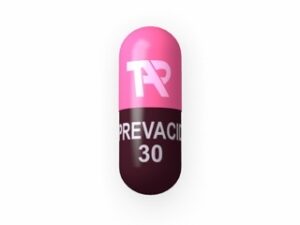
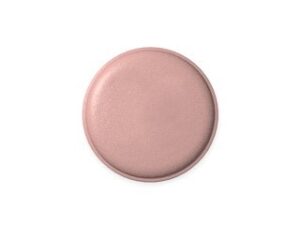
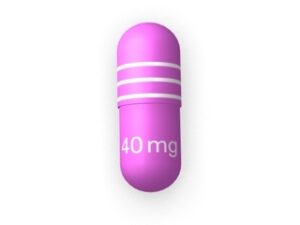
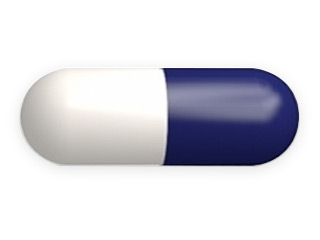
| Typical strengths | Commonly available strengths include 30 mg and 60 mg tablets/capsules (availability may vary) |
| How it works | Blocks the final step of acid production in the stomach |
| How it’s usually taken | Once daily, preferably at the same time each day |
| Formulation | Dual delayed-release (helps provide longer symptom control) |
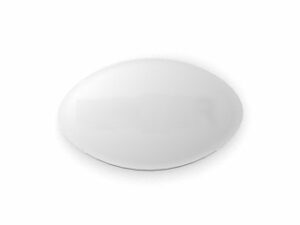
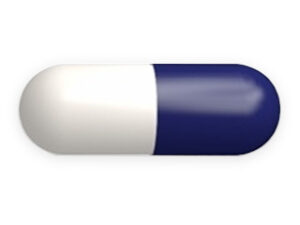
Note: Product appearance, strength availability, and exact instructions may vary by brand and local supply. Always read the pack label and follow the directions provided by your pharmacist or doctor.
How Dexilant Works (Mechanism of Action)
Dexlansoprazole is a PPI. PPIs reduce stomach acid by blocking the H+/K+ ATPase “proton pump” in stomach cells. This is the final step of acid secretion.
Why that matters: By lowering acid, Dexilant can help:
- Reduce burning in the chest (heartburn)
- Improve painful swallowing when the oesophagus is inflamed
- Allow irritated tissue to heal
- Reduce symptoms that wake you at night
Dual delayed-release effect: Dexilant is designed so that the medicine releases in two phases. This can help improve symptom control across the day and into the next period.
Pharmacokinetics (How the Body Handles Dexilant)
While everyone’s body is different, the overall behaviour of dexlansoprazole is well described:
- Absorption: Dexlansoprazole is absorbed after oral dosing. The formulation supports two delayed-release peaks, which can extend the effect.
- Onset: Many people notice improvement within the first few days, but healing of the oesophagus may take longer.
- Metabolism: It is metabolised by liver enzymes (primarily CYP pathways). This contributes to drug interactions in some situations.
- Duration of acid suppression: PPIs generally maintain acid suppression for a longer period than the time the medicine is present in the blood.
- Excretion: Metabolites are eliminated mainly through biliary/hepatic and renal pathways.
Practical takeaway: Dexilant works best as a regular daily therapy for acid control rather than only at the moment symptoms start.
Typical Uses in Australia
Dexilant is commonly used for acid-related conditions, especially:
- GORD/GERD (gastro-oesophageal reflux disease): Management of reflux symptoms such as heartburn and regurgitation.
- Erosive oesophagitis: Short-term treatment to heal inflammation/erosions caused by reflux.
- Maintenance therapy: Help reduce the recurrence of healed erosions in people who respond to initial treatment.
When it may be considered: Dexilant may be used when symptoms are frequent, persistent, or linked to oesophageal inflammation. It may also be used after evaluation where reflux is thought to be the cause.
Timing: When to Take Dexilant
General timing guidance:
- Most people take Dexilant once daily.
- Take it at the same time each day for steady symptom control.
- Swallow the tablet/capsule whole (do not crush or chew unless your product instructions say otherwise).
Before or after food? For Dexilant, timing with meals can be more flexible due to the dual delayed-release design. Many people take it with or without food. However, follow your local product label and pharmacist advice. If you have concerns, ask your pharmacist which timing is best for you.
If you miss a dose:
- Take it as soon as you remember on the same day.
- If it is close to the next dose, skip the missed dose and continue your regular schedule.
- Do not take a double dose to make up for the missed one.
Food Interactions
Unlike some other PPIs, Dexilant’s dual delayed-release profile can mean food does not have as dramatic an effect on onset. Still, meal patterns may influence how quickly you feel symptom relief.
Tips to improve comfort:
- Try to take Dexilant consistently in relation to meals (e.g., always morning with breakfast, or always before dinner) unless told otherwise.
- Avoid very heavy or late meals if you have nocturnal reflux.
- If symptoms are worse after meals, discuss whether timing adjustment is appropriate.
Alcohol and certain drinks: Alcohol can worsen reflux and may increase irritation in some people (see below).
Alcohol and Medicine Interactions
Alcohol
Alcohol doesn’t “react” with Dexilant in the way some medications do, but it can still be a problem for reflux:
- It may relax the lower oesophageal sphincter, making it easier for acid to reflux.
- It can increase stomach irritation and trigger symptoms.
- It can worsen sleep quality, making nighttime symptoms more noticeable.
Practical advice: If you notice symptoms flare after drinking, reducing alcohol or avoiding late-night alcohol may improve control.
Medicine interactions (important overview)
PPIs can influence how some medicines are absorbed or metabolised because they change stomach acidity and may affect liver enzyme activity.
- Medicines that require acid for absorption: Some drugs may have reduced absorption when stomach acid is lower. Examples can include certain antifungals (such as ketoconazole/itraconazole), and some older HIV medicines. Your pharmacist can check your specific medicines.
- Drugs affected by CYP pathways: Dexlansoprazole is metabolised via liver enzymes. Interaction risk varies by medicine.
- Antiretrovirals (HIV): Some combinations may need monitoring or dose adjustments, depending on the exact medicine.
- Clopidogrel: Many PPIs have been discussed with clopidogrel due to potential reduced activation. The clinical relevance depends on the specific PPI and patient factors—ask your pharmacist/doctor to review your regimen.
- Warfarin: If you take warfarin, monitoring may be required when starting or stopping PPIs.
- Magnesium supplements: Long-term PPI use can be associated with low magnesium in some people; your pharmacist may recommend monitoring in higher-risk patients.
- Other acid suppressors: Avoid duplicating therapy (for example, using multiple PPIs together) unless specifically directed.
Always check: Tell your pharmacist about all medicines you take, including:
- Prescription medicines
- Over-the-counter medicines
- Herbal products
- Vitamins and supplements
Seek advice before combining: Do not start, stop, or change doses of other medicines without professional advice.
Dosing: Typical Regimens
Dexilant dosing depends on the condition being treated and your response. Common dosing patterns include:
- GORD/reflux symptoms: Often treated with a once-daily regimen using an appropriate strength.
- Erosive oesophagitis (healing): Usually short-term therapy with a once-daily regimen at a specified dose.
- Maintenance of healed erosions: Often a continued once-daily regimen to reduce recurrence.
Important: Exact dose and duration should follow the product label and clinician guidance for your situation. If you are buying or using Dexilant through an online pharmacy, confirm the strength you have matches the intended plan (30 mg vs 60 mg can be different).
If symptoms persist: Many acid-related symptoms improve, but not everyone responds fully. Ongoing symptoms should be reviewed to ensure the diagnosis is correct (for example, to rule out other causes such as cardiac conditions, ulcers, or swallowing disorders).
How Long Until You Feel Better?
Some people notice symptom improvement within a few days. However:
- For healing inflamed oesophagus, it may take several weeks.
- For maintenance, benefits are typically sustained with ongoing daily use as advised.
If you have severe symptoms, or symptoms rapidly worsen, contact a healthcare professional promptly.
Safety Profile: What to Watch For
Most people tolerate Dexilant well. However, like all medicines, it can cause side effects. The following is a patient-friendly overview and not a complete list.
Common side effects
- Headache
- Nausea
- Stomach discomfort
- Diarrhoea or constipation
- Dry mouth or changes in appetite (less common)
Less common but important risks
- Infections: Reduced stomach acid can increase risk of certain gastrointestinal infections.
- Low magnesium (hypomagnesaemia): Rarely, long-term use may lower magnesium, which can cause cramps, weakness, dizziness, or abnormal heart rhythms.
- Bone fractures (long-term use): Long-term PPI therapy has been associated in some studies with an increased risk of osteoporosis-related fractures, especially in older adults or those with other risk factors.
- Vitamin and nutrient absorption: Prolonged acid suppression may affect absorption of certain nutrients (individual risk varies).
- Kidney issues: Rarely, PPIs have been linked to kidney inflammation. Seek medical advice if you develop unusual swelling, changes in urination, or unexplained fatigue.
Seek urgent medical attention if you have
- Signs of a serious allergic reaction: swelling of the face/lips, difficulty breathing, widespread rash, or severe dizziness
- Vomiting blood or passing black/tarry stools
- Severe or persistent pain in the abdomen
- Unintentional weight loss, trouble swallowing, or persistent vomiting
Practical Use Tips
- Be consistent: Taking Dexilant at the same time each day helps maintain acid control.
- Swallow whole: Do not crush or chew unless your product specifically instructs otherwise.
- Give it time: If symptoms are frequent, take Dexilant regularly as directed rather than stopping when you feel better early.
- Track triggers: Keep notes on foods, late meals, smoking, stress, and alcohol to find what worsens reflux.
- Lifestyle support: In addition to medicine, reflux control often improves with:
- Avoiding late-night meals (allow time to digest)
- Reducing alcohol and caffeine if they trigger symptoms
- Elevating the head of the bed if nighttime symptoms occur
- Maintaining a healthy weight where appropriate
- Avoiding tight clothing around the abdomen
- Do not duplicate PPIs: If you are already taking another PPI, check with your pharmacist before adding Dexilant.
Alternative Options for Acid Reflux
If Dexilant isn’t suitable or you need additional options, there are several alternatives commonly used in Australia. The “best” choice depends on your diagnosis, severity, and other medicines.
Other acid-reducing medicines
- Other PPIs: Examples include omeprazole, esomeprazole, pantoprazole, and lansoprazole. These may be appropriate depending on your treatment goals and response.
- H2-receptor antagonists: Such as famotidine (where available). These can reduce acid and may be used for mild or intermittent symptoms.
- Antacids and alginates: Provide short-term relief and can be used for breakthrough symptoms. (Alginate-based products can be useful after meals.)
When lifestyle changes matter most
- If symptoms are mainly triggered by meals or occur intermittently, lifestyle measures and occasional relief medicines may help.
- If you have frequent or complicated reflux, PPIs are often used due to stronger and longer acid suppression.
Discuss with a pharmacist: If you’re switching from one PPI to another, ask about timing and how to taper safely (particularly for long-term use).
Market & Legal Context for Australia
In Australia, medicines are regulated through the national medicines framework and dispensed according to the product’s legal classification. Acid-suppressing treatments may be available through:
- Prescription channels (where applicable), and/or
- Pharmacy supply pathways depending on classification and brand.
Important: Online purchasing should follow Australian pharmacy regulations and the requirements of participating pharmacies and platforms. Always ensure you are ordering from a legitimate Australian pharmacy source.
Patient responsibility: Use medicines only as indicated for your condition and do not share them with others. If you are unsure about suitability, consult a pharmacist.
Recent Guidance & Clinical Considerations
Current best-practice recommendations in Australia and internationally generally emphasise:
- Correct diagnosis: Persistent heartburn should be assessed to confirm reflux as the cause.
- Lowest effective dose for the shortest appropriate duration: For many people, step-down therapy may be appropriate after symptoms settle.
- Safety monitoring for long-term use: Consider periodic review, especially for older adults or those with additional risk factors.
- Awareness of alarm symptoms: Ongoing difficulty swallowing, weight loss, bleeding, or persistent vomiting warrants prompt medical assessment.
Practical note: If you have been taking Dexilant (or another PPI) for a long time, it’s sensible to review whether continued therapy is still needed and whether a dose reduction or alternative approach could work.
Delivery and Availability (Online Pharmacy)
Availability of Dexilant may vary by stock levels and strength (commonly 30 mg and 60 mg). When ordering online in Australia, you may see:
- Standard delivery times depending on the supplier and your location
- Secure packaging to protect tablets/capsules from damage
- Order status tracking through the pharmacy’s website or app (if offered)
Tip: Ensure the strength and pack size you order match your intended regimen. If your previous script (or prior supply) was a different strength, double-check before completing checkout.
Storage: Store according to the pack instructions, typically in a cool, dry place away from direct heat and moisture. Keep out of reach of children.
FAQ: Dexilant (Dexlansoprazole)
1) What is Dexilant used for?
Dexilant is used to reduce stomach acid and treat conditions such as GORD/GERD symptoms and erosive oesophagitis. It may also be used to help prevent recurrence in people who respond to initial treatment.
2) How fast does Dexilant work?
Many people experience symptom improvement within days. Healing of oesophageal inflammation usually takes longer. If symptoms do not improve after the expected timeframe, discuss with a pharmacist or doctor.
3) Can I take Dexilant with food?
Dexilant can often be taken with or without food due to its dual delayed-release formulation. However, follow the instructions on your product label or pharmacist advice for best results.
4) Should I take Dexilant at night or in the morning?
Many people take it in the morning, but some may find nighttime dosing helpful depending on symptom pattern. Choose a time that fits your routine and take it consistently. If you’re unsure, ask your pharmacist.
5) What should I do if I miss a dose?
Take it when you remember unless it’s almost time for the next dose. Do not take a double dose.
6) What if I still have heartburn while taking Dexilant?
Some people may still experience breakthrough symptoms. Options may include taking an antacid or alginate for short-term relief (if appropriate). If symptoms persist or worsen, you should be reviewed to ensure the dose, timing, and diagnosis are correct.
7) Can I drink alcohol while taking Dexilant?
Alcohol doesn’t typically “interact” directly with Dexilant, but it can worsen reflux and irritation. Reducing or avoiding alcohol—especially late in the evening—may improve symptoms.
8) Are there interactions with other medicines?
Yes, PPIs can interact with some medicines by affecting absorption or metabolism. Tell your pharmacist about all medicines and supplements you take so they can check compatibility and timing.
9) Is long-term Dexilant use safe?
Many people use PPIs long-term when needed, but it should be regularly reviewed. Long-term use may carry risks such as low magnesium, bone fracture risk, and certain infections. Your healthcare team can assess the benefits and risks for your situation.
10) When should I seek medical advice urgently?
Seek urgent care if you have trouble breathing, swelling of the face/lips, a severe rash, vomiting blood, black/tarry stools, severe abdominal pain, or signs of significant allergic reaction.
Summary
Dexilant (dexlansoprazole) is a proton pump inhibitor used to treat reflux-related conditions by reducing stomach acid. Its dual delayed-release formulation may support symptom control over an extended period. For many people, consistent daily use combined with reflux-friendly lifestyle measures provides the best relief.
If you’re unsure which strength or dosing schedule is appropriate, or if you’re taking other medicines, speak with a pharmacist—especially if you have long-term symptoms, alarm features, or complex medical conditions.