
Famotidine (Oral) – Patient Information for Australia
Famotidine is a medicine used to reduce stomach acid. It belongs to the group of medicines called H2-receptor antagonists (also known as H2 blockers). In many people, famotidine can help relieve symptoms such as heartburn and acid indigestion, and can also support treatment plans for certain stomach and oesophagus conditions.
This guide is written to be patient-friendly and practical. It explains what famotidine does, how it works in the body, when and how to take it, common interactions (including with food and alcohol), safety information, and what to consider in the Australian market environment.
Basic Product Information
- Active ingredient: Famotidine
- Medicine type: H2-receptor antagonist (acid-reducing medicine)
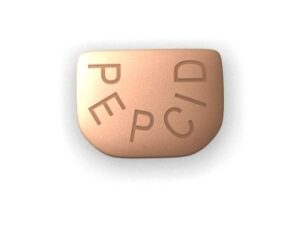
- Common dosage forms: Tablets (various strengths; availability depends on brand and whether it’s supplied as an OTC or pharmacy-only product)
- Typical uses: Heartburn/acid indigestion, gastro-oesophageal reflux disease (GORD) support, and protection of the stomach in specific treatment contexts
- Onset: Symptoms often improve within about 1 hour, with effects lasting several hours (exact timing varies by person)
Important: Brand names and strengths differ. Always check the specific product label for dose instructions and directions.
How Famotidine Works (Mechanism of Action)
Your stomach produces acid to help digest food. Part of this process is stimulated by chemical signals that act on histamine (H2) receptors found on acid-producing cells in the stomach lining.
Famotidine blocks H2 receptors, which reduces acid secretion. This leads to:
- Lower stomach acid levels
- Reduced irritation of the oesophagus and stomach lining caused by acid
- Symptom relief in conditions such as heartburn and GORD
Unlike some other acid medicines that block acid pumps, famotidine works mainly by histamine receptor blockade.
Pharmacokinetics – How the Body Handles Famotidine
Pharmacokinetics describes what happens to a medicine after you take it—how it is absorbed, distributed, metabolised, and removed from the body.
- Absorption: Famotidine is absorbed after oral dosing. Effects can begin within about an hour for many people.
- Distribution: It distributes through body fluids; it acts on stomach acid-producing tissues.
- Metabolism: Only a portion is metabolised. The majority is handled through elimination.
- Elimination: Famotidine is primarily cleared by the kidneys. People with reduced kidney function may experience higher drug levels for longer.
- Half-life (general concept): The duration of action is influenced by how long the medicine persists in the body; this can be affected by kidney function.
Practical takeaway: Because famotidine is cleared mainly by the kidneys, kidney problems may require dose adjustments and closer medical review.
Typical Use in Adults
Famotidine may be used to relieve symptoms related to excess stomach acid and to manage conditions where acid plays a role. Common scenarios include:
- Heartburn and acid indigestion
- GORD (gastro-oesophageal reflux disease), as part of symptom management
- Indigestion associated with acid
- Stomach/duodenal ulcer management in some treatment plans, depending on the overall regimen
- Protection of the stomach lining when acid reduction is required for specific circumstances (as advised by the treating clinician)
When symptoms are frequent: If you have heartburn more than occasionally, it’s worth discussing with a pharmacist or doctor. Long-term or persistent symptoms may need a different strategy or further assessment.
Indications – What Conditions It Can Help
Depending on your country’s product approvals and local guidance, famotidine is used for:
- Gastro-oesophageal reflux disease (GORD) symptoms such as heartburn and acid reflux
- Dyspepsia related to acid
- Duodenal and gastric ulcer conditions (commonly as part of broader therapy plans when relevant)
- Maintenance or prevention strategies in some regimens (depending on the specific clinical plan)
Note: Indications can differ between OTC and prescription-strength products. Always read the label and follow local pharmacist advice.
Dosing – General Guidance and Timing
Dosing varies by product strength, age, and the reason you’re taking famotidine. For patient safety, follow the instructions on the product packaging or those provided by your pharmacist.
Common ways famotidine is taken
- For heartburn or acid indigestion: often taken as needed, or on a short schedule depending on symptom frequency.
- For reflux symptoms: may be taken once daily or twice daily depending on the pattern of symptoms (for example, morning and/or evening).
- For scheduled symptom control: taking it consistently can help maintain acid suppression across the day.
Timing tips
- For immediate symptom relief: many people take a dose when symptoms start.
- For evening/night symptoms: consider taking famotidine in the evening if your reflux is worse at night (only do so according to the label or pharmacist advice).
- With meals: some people find relief by taking it before meals or at times related to symptom triggers—follow the product instructions and your pharmacist’s advice.
Do not exceed the maximum daily dose stated on the packaging. If symptoms persist or worsen, seek advice rather than increasing the dose yourself.
Food Interactions – What to Know
Famotidine is taken for acid reduction, and food can influence stomach conditions and symptom patterns. However, the interaction with food is typically less dramatic than with some other medicines.
General guidance
- With or without food: Many people can take famotidine with a glass of water and generally do fine regardless of meals, but follow the label instructions for your specific product.
- Symptom triggers matter: If certain foods (e.g., spicy foods, fatty meals, late-night meals, chocolate, coffee, alcohol) trigger your reflux, managing those triggers often improves results.
Practical tip: Keep track of when symptoms occur and how long after eating they start—this helps you and your pharmacist choose the best timing.
Alcohol and Medicine Interactions
Alcohol can worsen reflux and heartburn for many people by relaxing the lower oesophageal sphincter and increasing irritation. While famotidine reduces acid, it may not fully counteract the reflux-promoting effect of alcohol.
- With alcohol: If you drink alcohol and experience more heartburn afterwards, consider limiting or avoiding alcohol, particularly close to bedtime.
- Interaction risk: Famotidine itself is not widely known for severe direct interactions with alcohol, but symptom control may be poorer.
Other medicine interactions (general approach)
Medicines can interact through changes in absorption, liver enzyme systems, kidney clearance, or effects on the stomach environment. Famotidine’s acid-suppressing action may influence the absorption of some medicines that rely on stomach acidity.
Discuss with a pharmacist if you take medicines such as:
- Medicines requiring an acidic environment for better absorption
- Other acid-suppressing medicines (to avoid duplicating therapy unnecessarily)
- Medicines cleared by the kidneys where kidney function is relevant
Always provide your pharmacist with a full list of medicines, including vitamins, supplements, and herbal products.
Safety Profile – Side Effects and When to Seek Help
Most people tolerate famotidine well. However, like all medicines, it can cause side effects.
Common or mild side effects
- Headache
- Dizziness
- Constipation or diarrhoea (varies by individual)
- Stomach discomfort or nausea (sometimes occurs as symptoms change)
Less common but important reactions
Stop using the medicine and seek urgent advice if you experience signs of an allergic reaction such as:
- Swelling of the face, lips, tongue, or throat
- Hives or severe rash
- Wheezing or difficulty breathing
Kidney concerns
If you have kidney disease, famotidine levels may build up. This could increase the likelihood of side effects, so a pharmacist or doctor may recommend a lower dose or less frequent use.
When to talk to a healthcare professional promptly
Arrange medical review if you have:
- Persistent symptoms despite appropriate use
- Difficulty swallowing, painful swallowing, or food sticking in the oesophagus
- Unexplained weight loss
- Vomiting blood or black/tarry stools
- New or worsening symptoms after age 55
- Heartburn that frequently interrupts daily activities or sleep
Practical Use Tips (How to Get the Best Results)
Use it alongside reflux-friendly habits
Medication works best when paired with lifestyle adjustments. Consider:
- Avoid late meals: try not to lie down for 2–3 hours after eating.
- Elevate the head of the bed: particularly if you get night reflux.
- Choose trigger-aware meals: reduce foods that reliably trigger your symptoms.
- Maintain a healthy weight: weight changes can strongly affect reflux.
- Stop smoking: smoking can worsen reflux symptoms.
How to plan your day
- Symptom pattern tracking: note whether symptoms are worse after breakfast, dinner, or at night.
- Consistency matters for reflux: if you take it on a schedule, taking doses at similar times each day can improve symptom stability.
- Don’t ignore persistence: if symptoms keep recurring, seek professional advice to confirm the cause.
Alternative Options for Acid-Related Symptoms
Depending on your symptoms, frequency, and medical history, alternatives may include:
Other H2 blockers
- Different H2-receptor antagonists may be available depending on local product listings.
Proton pump inhibitors (PPIs)
- Medicines such as omeprazole or esomeprazole reduce acid more strongly than H2 blockers for many people, especially when symptoms are frequent or complicated.
Antacids and alginate-based products
- Antacids can help neutralise existing stomach acid for quick relief.
- Alginate formulations can form a “raft” that may reduce reflux symptoms.
Which option is best? If symptoms are occasional, H2 blockers or antacids may be sufficient. If symptoms are frequent, PPIs are often considered. A pharmacist can help you choose based on symptom pattern and risk factors.
Market and Legal Context for Australia (OTC/Pharmacy Supply)
In Australia, the supply of medicines depends on their formulation and strength. Some famotidine products may be available without prescription in certain strengths, while other formulations and dosing regimens may be restricted to pharmacy supply or other categories.
When purchasing online, you should expect:
- Product labels with clear dosing instructions
- Packaging that reflects Australian regulatory requirements
- Pharmacist support for choosing the correct product strength and safe use
Regulatory note: Australian medicine access is governed by the Therapeutic Goods Administration (TGA). Product availability and classification can change over time.
Recent Guidance and Evidence-Informed Approach
Clinical guidance generally emphasises an evidence-based approach to acid suppression:
- Use the lowest effective dose for the shortest duration needed to control symptoms.
- Review ongoing symptoms rather than relying on long-term use without assessment.
- Consider alternative diagnoses if symptoms do not respond adequately (for example, medication effects, infections, or other gastrointestinal conditions).
- Be mindful of red flags (see “When to talk to a healthcare professional promptly”).
Where reflux symptoms are persistent, Australian practice commonly considers step-up or step-down strategies and may compare H2 blockers with PPIs depending on symptom severity and duration.
Delivery and Availability (What You Can Expect Online)
Availability varies by brand and strength. When ordering online in Australia, typical expectations include:
- Pack sizes: commonly 14, 28, or similar tablet counts, depending on the product.
- Delivery timeframes: standard or express options may be offered based on location.
- Cold-chain: generally not required for tablets.
- Order limits: may apply for certain medicines or during shortages.
Tip: Before you order, confirm the strength per tablet, the dose schedule on the label, and the expiry date.
FAQ – Famotidine for Heartburn and Acid Indigestion
1) How quickly does famotidine work?
Many people notice symptom improvement within about an hour. The full relief may continue over the next several hours. Timing varies depending on dose and your specific reflux pattern.
2) Can I take famotidine with food?
In many cases, yes. Follow the directions on your product label. If your symptoms are linked to meals, you may find it helpful to take it according to recommended timing (often before or around meals), as advised by your pharmacist.
3) Can I take famotidine every day?
Some people use famotidine on a short schedule or during periods when reflux is more common. For frequent or long-term symptoms, it’s best to review with a pharmacist or doctor so the right ongoing strategy is used.
4) What if my heartburn keeps coming back?
If symptoms return repeatedly or don’t improve with appropriate use, seek advice. Persistent heartburn can have multiple causes, and you may need a different medication strategy or assessment.
5) Is famotidine safe for older adults?
Many older adults tolerate famotidine. However, kidney function can change with age, so dose appropriateness is important. If you have kidney problems, ask a pharmacist for guidance.
6) Can I drink alcohol while taking famotidine?
Alcohol can trigger reflux and heartburn. Famotidine may reduce acid, but symptoms may still worsen. Consider limiting alcohol, especially in the evening or near bedtime.
7) What medicines can interact with famotidine?
Interactions depend on your full medicine list. Because famotidine alters stomach acidity, it may affect the absorption of some medicines, and kidney function may be relevant for overall clearance. Tell your pharmacist about all medicines and supplements you take.
8) What side effects should I watch for?
Common mild effects include headache, dizziness, constipation or diarrhoea. Seek urgent help for allergic symptoms (swelling, rash, breathing difficulties) or if you experience red-flag symptoms such as trouble swallowing, vomiting blood, or black stools.
9) Can famotidine be used with antacids?
Often, antacids can provide quick relief alongside longer-acting acid suppression. However, it’s best to follow label directions and ask a pharmacist if you’re combining products or taking them frequently.
10) When should I stop and get medical advice?
Stop use and seek prompt medical advice if you develop concerning symptoms (trouble swallowing, unexplained weight loss, vomiting blood, black/tarry stools), allergic reactions, or if your reflux worsens or persists despite correct use.
Summary
Famotidine helps manage heartburn and acid-related symptoms by reducing stomach acid. It works by blocking H2 receptors, which decreases acid secretion. Many people experience symptom relief within about an hour, and effects can last for several hours.
For best results, use it as directed on the label and consider reflux-friendly habits such as avoiding late meals and recognising personal food triggers. If symptoms are frequent, persistent, or accompanied by warning signs, seek professional advice for a more tailored approach.
| Topic | Patient-friendly overview |
|---|---|
| What it is | An H2-receptor antagonist that reduces stomach acid |
| What it’s for | Heartburn, acid indigestion, and support for GORD and ulcer-related conditions (depending on product/label) |
| How it works | Blocks histamine-driven acid secretion in the stomach |
| When it works | Often starts within ~1 hour; duration varies by person |
| Food interactions | Often taken with or without food; timing can be based on symptom triggers |
| Alcohol | Can worsen reflux—limit especially near bedtime |
| Key safety points | Generally well tolerated; kidney issues may require caution and lower doses |
| Talk to a professional if | Symptoms persist, worsen, or you have red-flag signs like trouble swallowing or black stools |