
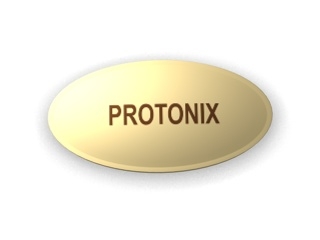


Protonix (Pantoprazole) – Patient Guide (Australia)
Protonix is a medicine that reduces stomach acid. It contains pantoprazole, a proton pump inhibitor (PPI). People commonly use Protonix to treat conditions where acid causes pain, irritation, or damage to the lining of the oesophagus and stomach.
This guide explains how Protonix works, how to take it, what to expect, and important safety information—written for patients in Australia.
At a Glance
- Active ingredient: Pantoprazole
- Medicine type: Proton pump inhibitor (PPI)
- Main use: Reduces stomach acid to relieve symptoms and promote healing
- Common conditions: GORD/heartburn, reflux oesophagitis, ulcers, and prevention of ulcers in certain situations
- Typical dosing timing: Usually once daily before food (often before breakfast)
Basic Product Information
| Feature | Details |
|---|---|
| Brand name | Protonix |
| Generic name | Pantoprazole |
| Drug class | Proton pump inhibitor (PPI) |
| How it works | Reduces acid production in the stomach |
| Common forms | Oral tablets (strengths vary by product) |
| Typical treatment duration | Varies by condition (short courses for some symptoms; longer courses for healing and prevention in others) |
How Protonix (Pantoprazole) Works
Protonix belongs to a group of medicines called proton pump inhibitors (PPIs). These medicines target the “proton pump” (a specific acid-producing system) in stomach cells.
Mechanism of action (in simple terms):
- Protonix enters the stomach’s acid-producing cells.
- It blocks the proton pump responsible for producing stomach acid.
- As a result, less acid is made—helping to relieve symptoms like heartburn and allowing irritated tissue to heal.
What to expect: Protonix usually works best when taken regularly and at the correct time (typically before meals). Because it blocks pumps that are actively producing acid, timing improves effectiveness.
Pharmacokinetics (How the Body Handles Pantoprazole)
Pharmacokinetics describes what happens to a medicine in the body—absorption, distribution, metabolism, and elimination.
- Absorption: Pantoprazole is absorbed after oral dosing and reaches maximum effect over time.
- Onset of action: Some symptom relief may occur within the first day for many people, but the full healing effect often takes longer, depending on the condition.
- Metabolism: Pantoprazole is metabolised mainly by the liver.
- Elimination: Metabolites are excreted primarily via the kidneys.
- Duration of effect: The acid reduction can last beyond the time the pill is taken, which is why once-daily regimens are common.
Liver or kidney disease: If you have significant liver impairment or other major medical conditions, speak to a healthcare professional for advice on suitability and monitoring.
Typical Use in Australia
Protonix is used to manage acid-related conditions. It’s often considered when symptoms persist, when there is damage to the oesophagus, or when acid needs to be reduced to help ulcers heal.
Common reasons people use Protonix include:
- GORD (gastro-oesophageal reflux disease): Acid reflux causing heartburn and regurgitation.
- Reflux oesophagitis: Inflammation of the oesophagus due to reflux.
- Peptic ulcers (including gastric or duodenal ulcers), usually as part of ulcer management.
- Prevention of NSAID-associated ulcers in people at risk (often where long-term anti-inflammatory medicine is required).
- Conditions involving increased acid production (less common; managed under specialist direction).
Indications (What Protonix Is Used For)
In practice, Protonix is indicated for:
- Short-term treatment of symptoms associated with acid reflux (based on clinical assessment).
- Treatment of reflux oesophagitis (healing inflammation due to reflux).
- Healing of gastric and duodenal ulcers (as part of overall care).
- Prevention of recurrence of ulcers in certain patients as advised by clinicians.
- Other acid-related disorders where reducing stomach acid is appropriate.
Important: If symptoms suggest complications (such as bleeding, severe difficulty swallowing, or weight loss), medical review is important.
How and When to Take Protonix (Timing & Practical Advice)
Best timing
For most people, Protonix is most effective when taken before food.
- Common approach: Take Protonix once daily about 30–60 minutes before breakfast.
- If you take it in the evening: Follow your specific dosing instructions—some regimens require taking before dinner instead.
Why timing matters: Protonix works by blocking acid pumps during active acid production. Taking it before a meal increases the chance that pumps are inhibited at the right time.
How to take it
- Swallow the tablet whole with water.
- Do not crush or chew unless the specific product instructions allow it.
- Take at roughly the same time each day for steady control of acid.
Missed dose
If you miss a dose:
- Take it when you remember if it’s still close to your dosing time.
- If it’s nearly time for your next dose, skip the missed one.
- Do not take a double dose to make up for the missed tablet.
Food Interactions: What to Know
Although proton pump inhibitors are not “food-only” dependent, food affects when the stomach acid pumps are active, which influences effectiveness.
General guidance:
- Take Protonix before eating for best acid suppression.
- Large meals may trigger more reflux symptoms later; spacing and portion size can matter for symptom control.
What about milk, yoghurt, or antacids?
- These may temporarily ease symptoms, but they do not replace the acid-control effect of a PPI.
- Antacids or alginate products may be used for breakthrough symptoms, but discuss timing and suitability with a clinician or pharmacist.
Alcohol and Protonix Interactions
Alcohol does not typically “chemically interact” with pantoprazole in the way some medicines do, but alcohol can affect your stomach and reflux symptoms.
- Alcohol can worsen GORD symptoms by relaxing the lower oesophageal sphincter and increasing irritation.
- Heavy or frequent drinking may reduce symptom control, even when Protonix is taken correctly.
Practical tip: If you notice your reflux is worse after drinking, consider reducing alcohol and observe whether symptoms improve.
Medicine Interactions (Important)
Protonix can interact with other medicines mainly because reducing stomach acid may affect how certain drugs are absorbed or how they interact with liver metabolism pathways.
Medicines that may be affected
- Medicines where acid helps absorption (some antifungal medicines such as ketoconazole or similar agents, certain antivirals, and other pH-dependent medicines).
- Some drugs metabolised by the liver (interaction potential exists due to pantoprazole’s metabolism; clinical significance varies).
- Medicines containing iron or requiring particular stomach conditions may be affected in long-term therapy.
Examples of interaction concerns to discuss with your pharmacist
- Warfarin (monitoring may be required if used together).
- Clopidogrel (some clinicians consider interaction potential when choosing acid suppression therapy).
- Other acid-lowering medicines (avoid unnecessary duplication).
Always provide a complete list of your medicines and supplements to your pharmacist or doctor, including:
- prescription medicines
- over-the-counter products
- herbal products
- vitamins and mineral supplements
Dosing (Typical Approaches)
Dose depends on the condition being treated, severity of symptoms, and how long therapy is needed. Strengths and schedules can vary between products and individuals.
Common dosing patterns
- GORD or reflux symptoms: often once daily before breakfast for a defined course.
- Reflux oesophagitis (healing): may require a longer treatment period as advised.
- Ulcers: dosing is typically once daily, sometimes with other treatments depending on cause (e.g., Helicobacter pylori where applicable).
- Prevention in at-risk patients: may be once daily as advised.
Do not exceed the prescribed or labelled dose
In general, it’s important not to take more than recommended. If symptoms are not controlled, the solution may be changing timing, confirming diagnosis, adjusting supportive lifestyle measures, or reviewing therapy with a clinician rather than increasing the dose yourself.
Special populations:
- Older adults: commonly used; monitoring for side effects is still important.
- Pregnancy and breastfeeding: suitability depends on risk/benefit and should be discussed with a healthcare professional.
- Liver impairment: your clinician may adjust dosing and monitor liver function.
Safety Profile: Side Effects & When to Seek Help
Like all medicines, Protonix can cause side effects. Many people tolerate it well.
Common side effects
- Headache
- Diarrhoea
- Nausea or stomach discomfort
- Abdominal pain
- Flatulence (wind)
Less common but important effects
- Allergic reactions (rash, itching, swelling, trouble breathing)
- Severe or persistent diarrhoea (particularly if watery or with fever), which may indicate an infection
- Vitamin and mineral issues with long-term use (e.g., magnesium, vitamin B12, and possibly iron absorption), depending on duration and individual risk
- Increased fracture risk has been reported with long-term use in some patients (risk is influenced by other factors too)
Seek urgent medical help if
- you have signs of an allergic reaction (swelling of face/lips, difficulty breathing)
- you experience vomiting blood or black/tarry stools
- you have severe or persistent abdominal pain
- you develop significant unexplained weight loss, difficulty swallowing, or persistent vomiting
Long-Term Use: What Patients Should Know
PPIs are effective, but long-term use should be reviewed periodically. Protonix may be appropriate for extended periods in certain conditions (for example, when there is ongoing medical need for acid suppression). Your clinician may aim for the lowest effective dose for the shortest necessary duration.
Practical considerations for long-term therapy:
- Discuss step-down plans if your symptoms improve.
- Report new symptoms such as muscle cramps, unusual weakness, or persistent diarrhoea.
- Review your overall medication list to avoid unnecessary duplication of acid suppression.
Practical Use Tips (Maximising Benefit)
- Take it consistently: Acid control improves with regular dosing.
- Use the correct timing: Most patients benefit from taking it before breakfast.
- Don’t “double up” if you miss a dose: Take the next scheduled dose.
- Track triggers: Some people find symptoms worsen with spicy foods, fatty meals, late-night eating, chocolate, coffee, or smoking.
- Avoid late meals: Try to finish eating at least 2–3 hours before lying down.
- Body positioning: Elevating the head of the bed can reduce reflux for some people.
Breakthrough symptoms: If you get occasional heartburn while on Protonix, your pharmacist or clinician may recommend an additional short-acting product (like an antacid or alginate), depending on your situation.
Alternative Options to Protonix
If Protonix is not suitable or if symptoms persist, there are several alternative strategies. Options may include:
Other acid-reducing medicines
- Other PPIs: Some people respond well to another PPI with similar effectiveness.
- H2 receptor antagonists: These reduce acid and may help for milder or more intermittent symptoms, but PPIs often provide stronger control for persistent reflux.
Non-medicine approaches
- Weight management if relevant
- Reducing trigger foods (spicy, fatty, caffeine, alcohol)
- Smaller meals
- Avoiding eating close to bedtime
- Smoking cessation
When alternatives may be needed
- If you require a long-term plan and need periodic review
- If interactions with other medicines are a concern
- If you experience side effects
Important: Don’t switch acid medicines without advice, especially if you have a history of ulcer complications or reflux complications.
Market and Legal Context for Australia
In Australia, proton pump inhibitors are widely used and available under different supply categories depending on formulation, strength, and indication. Medicines may be:
- Pharmacist-only (you may need to discuss your symptoms with a pharmacist)
- Prescription medicines for specific indications or higher-strength therapy
Pharmacy and clinical assessment: In Australia, pharmacists may ask about red flags such as trouble swallowing, unexplained weight loss, vomiting blood, black stools, or persistent symptoms—because these may need urgent medical assessment.
Medicine safety and documentation: Always keep the product packaging and follow the instructions on the label, or the advice provided by your pharmacist or doctor.
Recent Guidance (General Clinical Considerations)
Clinical guidance over recent years has generally emphasised:
- Confirming whether symptoms are truly reflux-related and ruling out red flags.
- Using the lowest effective dose and reviewing ongoing need for acid suppression, especially for long-term therapy.
- Avoiding unnecessary prolonged treatment when symptoms resolve and there is no ongoing medical indication.
- Reassessing therapy if symptoms do not improve after an appropriate trial—considering correct timing, adherence, lifestyle measures, and possible alternative diagnoses.
Note: Specific recommendations can vary based on individual circumstances and the latest updates from Australian health authorities and professional bodies.
Delivery and Availability (Online Pharmacy)
Protonix (pantoprazole) is commonly stocked by Australian pharmacies and is often available through online ordering, subject to product availability, supply conditions, and eligibility requirements for the medicine category.
- Availability: Stock can vary by strength and pack size.
- Delivery: Many online pharmacies offer standard and express options across Australian states and territories.
- Packaging: Medicines are typically dispatched in appropriate protective packaging with clear labelling.
- Identity and ordering steps: Depending on the medicine category, the checkout may require pharmacist review or additional patient information.
Tip: If you have a specific strength or pack size in mind, check the product page for current stock status and estimated delivery times.
Frequently Asked Questions (FAQ)
1) How fast will Protonix work?
Many people notice symptom improvement within the first day, but healing of irritated tissue and long-term control usually takes longer (often days to weeks, depending on the condition). Consistent timing before food improves results.
2) Should I take Protonix with or without food?
Most people take it before food, commonly 30–60 minutes before breakfast. This timing supports best acid pump inhibition.
3) Can I take Protonix every day?
It depends on your diagnosis and your clinician or pharmacist’s plan. Many conditions require daily dosing for a defined period, and some patients need longer-term therapy with periodic review.
4) What if I forget a dose?
Take it when you remember if it’s close to your usual time. If it’s almost time for the next dose, skip the missed dose. Don’t take two doses at once.
5) Can I drink alcohol while taking Protonix?
There isn’t usually a direct chemical interaction, but alcohol can worsen reflux symptoms and irritation. If your reflux flares after drinking, reducing alcohol may help.
6) What medicines should I avoid?
It’s not about “avoid everything,” but interactions can occur. Provide a full list of medicines and supplements to your pharmacist—especially anticoagulants (like warfarin), antiplatelet medicines (like clopidogrel), and any other pH-dependent medications.
7) Are there any warning signs that need urgent medical attention?
Yes. Seek urgent help if you have vomiting blood, black/tarry stools, severe persistent abdominal pain, trouble breathing or swelling suggesting allergy, or significant trouble swallowing with weight loss.
8) Will Protonix cure the cause of reflux?
Protonix reduces acid and allows healing. It can be part of managing the condition, but lifestyle factors also matter. If reflux persists despite appropriate use, you may need further assessment.
9) Can Protonix be taken long-term?
Some patients need long-term acid suppression, but it should be reviewed periodically. Long-term use may affect nutrient absorption in some people, and the goal is usually the lowest effective dose.
10) What are common lifestyle changes that help alongside Protonix?
- Avoid late-night meals
- Reduce alcohol and smoking
- Limit trigger foods (varies by person)
- Maintain a healthy weight
- Elevate the head of the bed if symptoms occur at night
Summary
Protonix (pantoprazole) is a proton pump inhibitor used to reduce stomach acid for conditions such as GORD (reflux), reflux oesophagitis, and ulcers. It works by blocking the acid-producing system in stomach cells and is usually most effective when taken before food, often before breakfast. Many people tolerate Protonix well, but like all medicines it can cause side effects, and long-term use should be periodically reviewed.
If you are unsure whether Protonix is right for you, or if you have symptoms that could indicate a complication, speak with a healthcare professional or pharmacist for advice.