

Rocaltrol (Calcitriol) — Patient Information
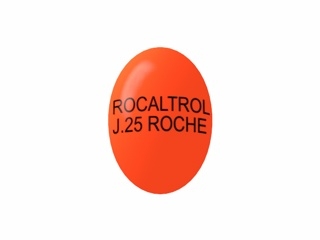
Rocaltrol (calcitriol) is a form of active vitamin D. It helps your body absorb calcium and maintain normal bone and muscle function. This page explains what Rocaltrol is used for, how it works, how it’s taken, important interactions and safety considerations, and what to expect in everyday use in Australia.
Note: If you are unsure about your dose or monitoring schedule, speak with your doctor or pharmacist.
Key product information
| Product | Active ingredient | What it is | Common dosage strengths* | ATC/therapeutic use |
|---|---|---|---|---|
| Rocaltrol | Calcitriol (1,25-dihydroxycholecalciferol) | Active vitamin D (hormone-like vitamin D metabolite) | Often 0.25 mcg and 0.5 mcg capsules | Calcium metabolism / bone health support |
*Strengths may vary by market availability. Your pharmacist can confirm the strength you have.
What Rocaltrol does (mechanism of action)
Calcitriol is the biologically active form of vitamin D. Unlike inactive vitamin D supplements that your body must convert through several steps, calcitriol can be used more directly.
- Increases calcium absorption from the intestine.
- Improves phosphate balance to support normal bone mineralisation.
- Helps regulate parathyroid hormone (PTH) levels, which is important for bone turnover and calcium homeostasis.
In conditions where the kidneys cannot adequately produce active vitamin D, calcitriol can help reduce abnormal PTH rise and maintain healthier calcium and phosphate levels.
Pharmacokinetics (how the body handles calcitriol)
Understanding pharmacokinetics can help explain why monitoring is important.
- Absorption: Orally taken calcitriol is absorbed through the gastrointestinal tract.
- Distribution: It circulates bound to vitamin D–binding proteins and affects tissues involved in calcium metabolism.
- Metabolism: Calcitriol is metabolised in the liver and other tissues.
- Excretion: Metabolites are eliminated primarily via the kidneys and bile pathways.
- Onset: Effects on calcium and PTH can begin within hours to days, but optimal dosing usually requires blood tests and gradual adjustment.
Because calcitriol is already active, the body cannot “buffer” excessive dosing in the same way as with inactive forms. This is why the dose is typically small and guided by blood results.
Typical uses in Australia
Rocaltrol is used to treat or manage conditions related to calcium and phosphate imbalance and parathyroid hormone control. Common indications include:
- Hypocalcaemia (low blood calcium), especially when due to impaired kidney function or other vitamin D–related conditions.
- Renal osteodystrophy and other bone disorders related to chronic kidney disease (CKD).
- Secondary hyperparathyroidism in certain patients with CKD (as directed by a clinician and based on monitoring results).
- Other situations where active vitamin D is required due to problems activating vitamin D naturally.
Exact suitability depends on your diagnosis, blood calcium, phosphate levels, PTH levels, kidney function, and overall treatment plan.
Indications (when it may be prescribed)
Depending on your health needs, Rocaltrol may be used for:
- Conditions requiring active vitamin D replacement.
- Management of low calcium where standard vitamin D strategies are insufficient.
- Support of bone health in disorders associated with disturbed mineral metabolism.
Important: This information is educational and does not replace personalised medical advice. Your dosing and monitoring should be determined by healthcare professionals familiar with your condition.
Dosing: how much and how often
Dosage varies by condition, age, kidney function, and laboratory results. Calcitriol is potent; doses are usually measured in micrograms (mcg).
Typical approach (general guidance)
- Starting dose: Often low and adjusted based on blood tests (calcium and PTH).
- Titration: The dose may be increased or decreased gradually until target calcium/phosphate levels are achieved.
- Maintenance: Once stable, some people take a consistent dose; others may require periodic adjustments.
How to take Rocaltrol
- Follow the directions on your medicine label.
- Take the capsule as instructed by your clinician.
- If you miss a dose, do not take a double dose unless your pharmacist or doctor tells you to.
If you want, share your strength (e.g., 0.25 mcg or 0.5 mcg) and your labelled dose frequency, and we can explain what it commonly means for scheduling.
Timing: when to take it during the day
Many people take calcitriol at the same time each day to help remember doses and to maintain steady management of calcium metabolism.
- Consistency matters: Try to take it at a similar time each day.
- With or without food: Rocaltrol can generally be taken with or without food.
- Coordinate with other minerals: If you take calcium, phosphate binders, or supplements, timing may be adjusted to reduce interactions.
If your clinician recommends specific timing with other medicines, follow that plan.
Food interactions
Food does not typically have a major direct effect on calcitriol, but some dietary factors can influence calcium and phosphate levels and therefore affect how your treatment works.
- Calcium-rich diets: High calcium intake may increase the risk of high calcium levels (hypercalcaemia) in some people, especially if combined with supplements.
- Phosphate balance: Poorly controlled phosphate intake (or certain phosphate supplements) can influence mineral metabolism.
- Maintaining your usual diet: Avoid sudden major changes to calcium or vitamin D intake without checking with your healthcare team.
Because calcitriol is already active, changes in supplements or diet may more readily affect blood calcium. Regular blood tests remain important.
Alcohol interactions
There is no specific, well-established direct interaction between calcitriol and alcohol. However, alcohol may indirectly affect your health in ways that matter for calcitriol therapy:
- Dehydration risk: If you drink heavily, dehydration can affect kidney function and fluid/electrolyte balance.
- Medication adherence: Alcohol can make it easier to miss doses or take doses inconsistently.
If you drink alcohol, keep it moderate and discuss your situation with your clinician—especially if you have kidney disease or a history of high calcium levels.
Medicine interactions (important)
Calcitriol can interact with other medicines that affect calcium, vitamin D activity, kidney function, or bone/mineral metabolism. Always tell your doctor and pharmacist about all medicines and supplements you use.
Common interaction themes
- Other vitamin D products: Combining with vitamin D (inactive or active forms) may raise calcium levels.
- Calcium supplements: Together, they can increase the risk of hypercalcaemia.
- Thiazide diuretics: These can reduce calcium excretion, increasing hypercalcaemia risk.
- Magnesium-containing medicines: In some kidney impairment, magnesium can accumulate and contribute to electrolyte imbalance.
- Drugs affecting calcium absorption or phosphate control: Some medicines used in CKD-related mineral management can affect how calcium and phosphate behave in the body.
- Anti-seizure medications (enzyme inducers): Some agents influence vitamin D metabolism; clinical monitoring is important if you take them.
What to do
- Keep an up-to-date list of medicines and supplements (including OTC products) and review it with a pharmacist.
- Do not start or stop vitamin D/calcium supplements without checking.
- Be alert for symptoms of high calcium (see Safety section).
Safety profile and monitoring
Like other forms of active vitamin D, calcitriol has the potential to cause high calcium (hypercalcaemia) and high phosphate in certain situations—especially if dosing is too high or if kidney function is reduced.
Potential adverse effects
- High calcium symptoms (hypercalcaemia): nausea, vomiting, constipation, abdominal pain, unusual thirst, frequent urination, weakness, confusion, fatigue.
- High phosphate symptoms: may contribute to mineral imbalance (often detected through blood tests rather than symptoms).
- Kidney-related effects: in severe cases, elevated calcium can affect kidney function.
- Other: headache, dizziness, or general malaise may occur (not all are necessarily from calcitriol).
When to seek urgent help
Seek urgent medical attention if you experience severe symptoms such as:
- Severe confusion or marked drowsiness
- Severe vomiting or inability to keep fluids down
- Severe dehydration (e.g., very little urine)
Monitoring commonly includes
- Serum calcium
- Phosphate
- PTH (parathyroid hormone) where relevant
- Kidney function (e.g., serum creatinine/eGFR)
Monitoring frequency varies by your condition, stability, and previous results. Your clinician will set a plan.
Practical tips for safe everyday use
- Use your labelled schedule: Rocaltrol dosing is often small but precise—follow your pharmacy label carefully.
- Keep blood test appointments: These are essential for adjusting dose safely.
- Watch for supplement overlap: Many people take calcium or vitamin D supplements. If you already use supplements, confirm the combined plan with your pharmacist.
- Stay hydrated: Adequate fluid intake supports kidney health—unless your clinician has advised fluid restriction.
- Maintain consistent diet: Avoid sudden large increases in calcium intake or new high-dose supplements.
- Be careful with “natural” products: Some products marketed for bone health may contain vitamin D or calcium. Check ingredients.
Alternative options
Depending on your diagnosis and lab results, your clinician may consider alternatives. Options can include:
- Inactive vitamin D (cholecalciferol/ergocalciferol): may be suitable for some people who can activate vitamin D normally.
- Other active vitamin D analogues (availability and suitability depend on Australia’s formulary and your clinical situation).
- Calcium supplementation (where appropriate) alongside mineral monitoring.
- Phosphate binders in CKD-related mineral management when phosphate control is required.
Your clinician will choose the most appropriate option based on your kidney function, PTH levels, calcium/phosphate balance, and risk of hypercalcaemia.
Rocaltrol and kidney disease considerations
Calcitriol is particularly relevant in chronic kidney disease because the kidneys are responsible for converting vitamin D into its active form. However, reduced kidney function also increases susceptibility to imbalances.
- More careful monitoring: Blood tests may be required more frequently.
- Higher risk of high calcium: Especially if combined with calcium supplements or certain diuretics.
- Dose adjustments: Treatment must be tailored to your lab results and symptoms.
Market and legal context for Australia
In Australia, access to medicines is regulated under the Therapeutic Goods Administration (TGA) and state/territory medicines frameworks. The availability of calcitriol products and the way they are supplied (e.g., via pharmacy dispensing rules) depends on the medicine’s classification and current regulatory requirements.
For online ordering, your experience may involve pharmacy verification processes, identity checks, and medication record review—particularly for medicines that require clinician involvement or monitoring.
Always follow the supply conditions applicable to the specific product and the instructions provided during checkout.
Recent guidance and clinical monitoring trends (general)
Clinical practice in mineral metabolism continues to emphasise:
- Individualised dosing based on calcium, phosphate, and PTH.
- Regular laboratory monitoring to reduce risk of hypercalcaemia and related complications.
- Review of concomitant medicines that influence calcium and vitamin D levels.
- Shared decision-making about supplements, diet, and overall CKD/bone-mineral management.
Guidance may evolve over time, so it’s important to rely on your clinician and pharmacist’s current plan.
Delivery and availability (online pharmacy)
Availability can vary depending on stock levels and your location in Australia. When ordering online:
- Stock checks: Orders are usually confirmed after checking availability.
- Delivery time: Delivery timelines depend on your postcode and local courier service.
- Packaging: Medicines are typically supplied in appropriate child-resistant or secure packaging where required.
- Cold chain: Calcitriol capsules generally do not require refrigeration.
If you need the medicine urgently, contact customer support so the pharmacy can advise on expected dispatch times and suitable delivery options.
Frequently asked questions (FAQ)
1) What is Rocaltrol used for?
Rocaltrol (calcitriol) is used to help manage conditions involving abnormal calcium and phosphate balance, often related to kidney disease or certain disorders where active vitamin D is needed to control PTH and support bone mineralisation.
2) How quickly does it work?
Changes in calcium and PTH may occur within days, but the final dose is usually adjusted based on repeated blood tests. Some people notice improvements in symptoms over time as levels stabilise.
3) Can I take it with food?
In most cases, Rocaltrol can be taken with or without food. For practical reasons and tolerability, many people take it at a consistent time each day.
4) What happens if I miss a dose?
If you miss a dose, take it when you remember unless it is close to the next scheduled dose. Do not take a double dose to compensate unless your pharmacist or doctor advises this. If you’re unsure, ask your pharmacist for guidance based on your schedule.
5) What are the signs of high calcium?
Common symptoms include nausea, constipation, excessive thirst, frequent urination, weakness, and confusion. If these occur, especially if worsening, contact your healthcare provider promptly for advice and blood test review.
6) Do I need blood tests while taking Rocaltrol?
Yes. Blood tests for calcium (and sometimes phosphate and PTH) are typically needed to ensure the dose is correct and to prevent hypercalcaemia.
7) Can I take calcium or vitamin D supplements as well?
Do not start or change supplements without checking with your pharmacist or doctor. Taking additional vitamin D or calcium can increase the risk of high calcium when combined with calcitriol.
8) Are there alcohol interactions?
There is no well-known direct alcohol interaction, but heavy alcohol intake can indirectly affect hydration and kidney function and may affect adherence. Keep alcohol intake moderate and discuss your individual situation with your clinician.
9) What medicines commonly interact with calcitriol?
Meds that can influence calcium levels or vitamin D metabolism may interact. Examples include calcium supplements, thiazide diuretics, and other vitamin D products. Always review your full medicine list with a pharmacist.
10) Is Rocaltrol safe for children?
Use in children depends on the underlying condition, dosing requirements, and careful monitoring. If a child is taking calcitriol, dosing should be determined by a paediatric clinician and guided by laboratory results.
11) Who should be extra cautious?
People at higher risk include those with kidney impairment, a history of high calcium, or those taking medicines that raise calcium. Extra caution and monitoring are essential.
12) Can I stop taking Rocaltrol suddenly?
Do not stop calcitriol without medical advice. Stopping suddenly may cause calcium or PTH levels to change, potentially worsening symptoms or mineral balance.
Summary
Rocaltrol (calcitriol) is an active vitamin D medicine used to treat calcium and bone-mineral disorders, particularly in situations where the body cannot produce enough active vitamin D naturally. Because it is potent, it requires careful dosing and regular blood test monitoring to keep calcium levels in a safe range. Always follow your label instructions, avoid duplicating vitamin D or calcium supplements without advice, and seek medical guidance if you develop symptoms that could indicate high calcium.