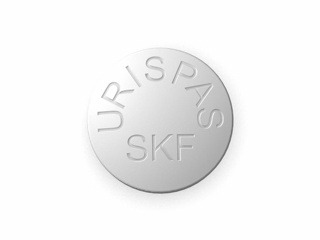


Urispas (Flavoxate Hydrochloride) – Patient-Friendly Guide
Urispas is a medicine used to help relieve the symptoms of bladder spasm and urinary discomfort associated with overactive bladder–type conditions and related functional urinary problems. In Australia, Urispas is commonly used to ease urgency, frequency, and pain or discomfort when urinating caused by bladder muscle irritation or spasm.
This guide explains how Urispas works, when to take it, what to expect, important interactions (including alcohol and food), dosing guidance, and practical tips to help you use it safely and effectively.
Quick Overview
| Product | Active ingredient | Common purpose | Typical symptom targets |
|---|---|---|---|
| Urispas | Flavoxate hydrochloride | Bladder spasm relief | Urgency, frequency, bladder discomfort, painful or difficult urination (functional causes) |
| How it works | Antispasmodic/anticholinergic-like effect | Helps calm overactive bladder contractions | Reduces involuntary bladder muscle activity |
What is Urispas?
Urispas contains flavoxate hydrochloride. It is used for conditions where the bladder wall becomes overactive, leading to cramping/spasm and urinary symptoms. Depending on your diagnosis, clinicians may recommend it to improve comfort and bladder control.
Urispas is intended as a symptom-reliever for bladder discomfort linked to spasm. It is not an antibiotic and does not treat infections directly.
How Urispas Works (Mechanism of Action)
Flavoxate primarily acts as an antispasmodic medicine. It helps to relax smooth muscle in the urinary tract and reduce abnormal bladder contractions (spasms). By calming involuntary bladder activity, it can reduce:
- Urinary urgency (sudden, hard-to-delay urges)
- Frequency (needing to urinate often)
- Discomfort or painful urination related to functional bladder spasm
Its overall effect is to improve symptoms by targeting the muscle contractions of the bladder rather than the underlying causes of structural or infectious problems.
Pharmacokinetics (How the Body Processes It)
Understanding pharmacokinetics can help you know what to expect from the medicine. While individual responses vary, the general pattern is:
- Absorption: Flavoxate is absorbed after oral administration.
- Metabolism: The medicine is metabolised mainly in the liver. Flavoxate and its metabolites are then cleared from the body.
- Excretion: Metabolites are primarily eliminated via the kidneys (urine).
- Onset & duration: Symptoms may improve within a short time after dosing, but the exact timing depends on your condition, dosing schedule, and bladder sensitivity.
If you have kidney or liver problems, your clinician/pharmacist may advise closer monitoring or dose adjustments.
Typical Use and Indications
Urispas is used to relieve symptoms commonly associated with functional bladder instability or bladder spasm. It is often considered for:
- Bladder spasm causing urinary urgency and frequency
- Urinary discomfort or cramping related to overactivity
- Symptoms where the bladder is “irritable” and spasms contribute to discomfort
Important: If your symptoms are due to a urinary tract infection (UTI), Urispas may not be sufficient alone. Look for signs such as fever, burning pain, cloudy or smelly urine, or worsening symptoms, and seek appropriate assessment.
When Will It Help? (Timing of Use)
Many people notice symptom relief after starting Urispas, often within the first day or two. However, the time to improvement varies.
Consider these practical timing tips:
- Take it at the same times each day to maintain steady symptom control.
- If you were told to take it regularly, continue on schedule even if symptoms improve early.
- If symptoms do not improve after a short period, ask a health professional for reassessment—your symptoms may have a different cause.
Dosing Information (General Guidance)
Dosing can vary by age, symptoms, and the exact product strength. Always follow the dose recommended by your prescriber or pharmacist and the instructions on the pack.
General adult dosing (commonly used):
- Usually taken two to three times daily, depending on the prescribed regimen.
Missed dose: If you miss a dose, take it when you remember unless it is close to the next dose. Do not double up to make up for a missed dose.
Duration: Use for the time period advised. If symptoms persist or worsen, seek medical advice rather than continuing indefinitely.
Food Interactions and Effects with Meals
Urispas is generally taken by mouth and can usually be taken with or without food, depending on your prescribed instructions. If your stomach is sensitive, taking it with food may improve comfort.
Food-related considerations:
- There are no universally required fasting rules for flavoxate in typical regimens.
- Some people find that a consistent routine with meals reduces nausea or helps with adherence.
If your pharmacist provided specific advice for you, follow that guidance.
Alcohol and Medicine Interactions
Alcohol can affect how your bladder feels and may worsen urinary symptoms such as urgency in some people. Alcohol may also increase side effects like dizziness or drowsiness with certain medicines.
General advice:
- It is generally best to limit or avoid alcohol while using Urispas, especially if you notice dizziness or worsening bladder symptoms.
- Be cautious with activities requiring alertness (e.g., driving) if you feel light-headed.
Potential interactions to discuss with a pharmacist:
- Other medicines with anticholinergic or bladder-relaxing effects (can increase side effects such as dry mouth, constipation, or blurred vision).
- Medicines that affect the central nervous system (sedatives, some anxiety or sleep medicines) may increase risk of drowsiness or impaired coordination.
- Medicines affecting urinary function may change how symptoms respond.
Bring a list of all your medicines (including herbal products and supplements) to your pharmacist to check for interactions.
Safety Profile and Side Effects
Like all medicines, Urispas can cause side effects. Not everyone will experience them. Side effects are usually mild and transient, but you should seek advice if symptoms are severe, persistent, or concerning.
Common side effects
- Dry mouth
- Headache
- Stomach discomfort or mild nausea
- Dizziness in some people
Less common but important side effects
- Constipation or difficulty passing urine (especially if you have urinary retention risk factors)
- Blurred vision
- Allergic reactions (e.g., rash, swelling, breathing difficulties)
When to seek urgent medical help
- Swelling of the face/lips, trouble breathing, or severe rash
- Severe dizziness or fainting
- Signs of urinary retention (unable to urinate) or rapidly worsening symptoms
Who Should Be Cautious?
Please discuss Urispas with a pharmacist or clinician if any of the following apply:
- Glaucoma (especially narrow-angle glaucoma)
- Prostate enlargement or history of urinary retention
- Significant constipation or reduced bowel motility
- Kidney or liver impairment
- History of allergic reactions to flavoxate or similar medicines
These conditions may increase the risk of side effects, or may mean the underlying cause of symptoms needs a different approach.
Practical Use Tips (Getting the Best Results)
Urispas can help calm bladder spasm, but lifestyle measures often improve outcomes—especially when combined with bladder-friendly habits.
- Track symptoms: Note urgency, frequency, pain, and triggers (caffeine, fluids at certain times).
- Stay hydrated: Avoid dehydration; however, spread fluids throughout the day rather than large volumes late at night.
- Reduce bladder irritants: Consider limiting caffeine, carbonated drinks, and very acidic foods if they worsen symptoms.
- Bladder training: Gentle strategies (scheduled voiding, gradually increasing intervals) may complement medication.
- Prevent constipation: Constipation can worsen bladder symptoms; fibre, fluids, and regular movement can help.
- Take note of timing: If symptoms are worse in the evening or early morning, ask a pharmacist whether timing adjustments could help.
If you suspect a UTI: Symptoms like fever, chills, worsening burning, or foul-smelling urine require medical assessment. Don’t rely on symptom relief alone.
Alternative Options
Depending on the underlying cause of your urinary symptoms, alternatives may include:
- Other antispasmodic/urinary antispasmodic agents (where appropriate)
- Overactive bladder treatments (may include behavioural therapy, pelvic floor exercises, and sometimes specific bladder-relaxing medicines)
- Antibiotics for confirmed urinary infection (when indicated)
- Non-medicine strategies such as bladder training and pelvic floor physiotherapy
Because urinary symptoms can have different causes—such as infection, stones, prostate issues, bladder inflammation, or medication effects—choosing the right alternative depends on your diagnosis and history. Speak to a pharmacist or clinician to discuss what fits best for you.
Market and Legal Context in Australia
In Australia, the availability and classification of medicines depends on the Therapeutic Goods Administration (TGA) listing and scheduling rules under Australian legislation. Availability may differ between products and strengths, and pharmacies must comply with applicable dispensing and supply requirements.
For an online pharmacy, we aim to provide accurate information about product use, safety, and appropriate screening questions so that medicines are supplied responsibly in line with Australian standards and regulations.
If you are unsure whether Urispas is appropriate for you, or if your symptoms may indicate an infection or another condition, a pharmacist can help guide next steps.
Recent Guidance and Best-Practice Considerations
Clinical guidance for urinary symptoms generally emphasises a few key principles, which align well with safe use of medicines such as flavoxate:
- Confirm the likely cause of symptoms (for example, distinguish infection vs bladder spasm).
- Review red flags such as fever, blood in urine, severe pain, or inability to pass urine.
- Review current medicines for contributors to urinary urgency or retention.
- Use behavioural strategies alongside medication where appropriate (hydration timing, bladder training, pelvic floor support).
- Reassess if symptoms persist or do not improve after a reasonable trial period.
Because guidance may evolve, your pharmacist or clinician can provide up-to-date advice based on current practice and your personal circumstances.
Delivery and Availability (Australia)
Urispas availability may vary by stock and pack size. Our online pharmacy supplies medicines to eligible customers across Australia according to applicable rules.
- Dispatch times: Orders are typically dispatched within business hours once payment is confirmed and stock is available.
- Delivery times: Delivery time depends on your location and the selected shipping method at checkout.
- Packaging: Medicines are supplied in appropriate retail packaging to maintain integrity and labelling.
- Stock notifications: If a product is temporarily out of stock, we may provide estimated restock timeframes or alternatives.
Cold chain: Urispas does not usually require temperature-controlled delivery, but always store it as directed on the pack.
Storage Instructions
- Store at room temperature, away from excessive heat and moisture.
- Keep out of sight and reach of children.
- Check the expiry date on the pack; do not use after expiry.
Frequently Asked Questions (FAQ)
1) What is Urispas used for?
Urispas (flavoxate hydrochloride) is used to relieve symptoms related to bladder spasm and urinary discomfort, such as urgency and frequency, when these symptoms are due to functional bladder overactivity rather than infection.
2) How fast does Urispas work?
Some people notice symptom improvement soon after starting. For others, it may take a short period to see clear benefit. If symptoms do not improve, or you feel worse, seek advice.
3) Can I take Urispas with food?
In most cases, it can be taken with or without food. If you experience stomach upset, taking it with meals may help. Follow your pack or pharmacist instructions.
4) Is it safe to drink alcohol while taking Urispas?
It’s generally best to limit or avoid alcohol. Alcohol may worsen bladder symptoms and could increase dizziness or other side effects in some people.
5) What should I do if I miss a dose?
Take it when you remember unless it’s close to the next dose. Don’t double up.
6) Will Urispas treat a UTI?
No. Urispas is not an antibiotic. If you suspect a UTI—especially with fever, worsening burning, or foul-smelling urine—get medical advice promptly.
7) Who should not take Urispas?
People with certain conditions (such as narrow-angle glaucoma, risk of urinary retention, or significant bowel issues) should use caution and should speak to a pharmacist or clinician before starting.
8) What side effects are possible?
Common effects may include dry mouth, headache, mild stomach discomfort, or dizziness. Seek urgent help for allergic reactions, severe dizziness, or difficulty urinating.
9) Can Urispas be used long-term?
It should be used according to the recommended duration for your situation. If symptoms persist or keep returning, it’s important to investigate the underlying cause rather than relying on ongoing symptom relief.
10) Are there alternatives to Urispas?
Alternatives depend on the cause of symptoms and may include other bladder symptom medicines, pelvic floor therapy, bladder training, or antibiotics if infection is present. Discuss options with a pharmacist or clinician.
Summary
Urispas (flavoxate hydrochloride) is an antispasmodic medicine designed to help relieve symptoms associated with bladder spasm and irritability—such as urgency and frequency due to functional bladder overactivity. It works by calming abnormal bladder muscle contractions. While it may improve symptoms relatively quickly for some people, it is important to ensure your symptoms match the typical pattern for bladder spasm and not a condition like a UTI or urinary retention.
For safe use, follow the dosing instructions on the pack or provided by your pharmacist, be mindful of side effects, limit alcohol, and seek medical assessment if symptoms persist, worsen, or include red-flag signs.