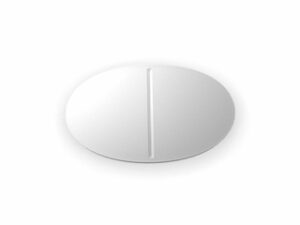
Valproic Acid (Sodium Valproate / Valproate) — Patient Information (Australia)
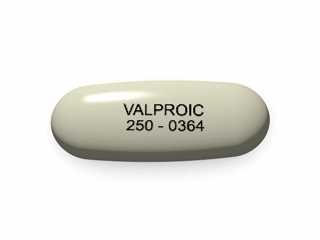
Valproic Acid is a well-known medicine used to treat certain neurological and psychiatric conditions. It belongs to the group of medicines called anticonvulsants and mood stabilisers. In Australia, valproate products may be sold under different brand names depending on the manufacturer and formulation (e.g., tablets, capsules, sprinkle capsules, and oral liquids). This page is designed to help you understand how valproic acid works, how it is typically taken, key safety considerations, and what to expect in everyday use.
| Product type | Medicinal ingredient | Common forms | Typical conditions |
|---|---|---|---|
| Anti-epileptic / mood stabiliser | Valproic acid (often as sodium valproate/valproate) | Tablets, capsules, enteric-coated preparations, oral liquid | Epilepsy; bipolar disorder (mania); other specialist uses |
Basic product information
- Generic name: Valproic acid
- Related salts/formulations: Often provided as sodium valproate or related valproate formulations.
- Medicinal class: Anticonvulsant; mood stabiliser
- Who it may be for: People with specific seizure types, and for mood stabilisation in appropriate cases.
- How it’s taken: By mouth, usually in divided doses depending on formulation and condition.
Because valproate is a medicine with important safety considerations, it should be used according to your healthcare professional’s advice and any current Australian guidance (including pregnancy prevention measures where relevant).
How valproic acid works (mechanism of action)
Valproic acid helps stabilise abnormal electrical activity in the brain and can improve mood stability. Its exact mechanism is complex and includes several actions, such as:
- Increasing GABA activity: Valproate may raise levels of gamma-aminobutyric acid (GABA), a calming neurotransmitter.
- Modifying sodium channels: It can affect how nerve cells fire by influencing sodium-dependent electrical activity.
- Influencing neurotransmitter pathways: It may also modulate signalling pathways involved in seizures and mood regulation.
The combined effect helps reduce seizure frequency and severity for many patients and can help control episodes of mania in bipolar disorder. Response varies between individuals and may take time to establish.
Pharmacokinetics: what the body does to valproate
Pharmacokinetics describes how valproate is absorbed, distributed, metabolised, and eliminated. Key points include:
- Absorption: Valproate is absorbed after oral dosing. Different formulations (e.g., enteric-coated vs immediate release vs liquid/sprinkle) can lead to different onset times and blood level patterns.
- Peak levels: Blood levels rise after dosing and typically reach a peak within hours, depending on formulation.
- Protein binding: Valproate binds to proteins in the blood (albumin). This binding can be altered by other medicines or changes in health status.
- Distribution: It distributes into tissues including the central nervous system.
- Metabolism: Valproate is mainly metabolised by the liver.
- Elimination: Metabolites are excreted primarily by the kidneys.
These factors explain why blood tests may be used in some situations (e.g., to check levels, safety labs, or interactions), especially if dose adjustments are required.
Typical uses and indications
1) Epilepsy / seizures
Valproic acid is used for certain seizure types. It may be used alone or with other anti-epileptic medicines depending on the epilepsy syndrome and individual response. Examples of seizure types where valproate may be considered include:
- Generalised seizures (e.g., absence seizures in some cases)
- Myoclonic seizures
- Generalised tonic-clonic seizures
- Specific mixed seizure patterns under specialist guidance
2) Bipolar disorder (mania)
Valproate can be used as a mood stabiliser to treat acute manic episodes in bipolar disorder. Its role in long-term prevention depends on the person’s history, tolerability, and clinician assessment.
3) Other specialist uses
In some settings, clinicians may use valproate for other conditions depending on medical history, evidence, and guideline recommendations. Your healthcare professional can explain whether it is appropriate for you.
How and when to take valproic acid
Timing and dose schedule
Valproate is usually taken on a regular schedule to keep blood levels consistent and reduce breakthrough seizures or mood symptoms. Your dose and timing depend on:
- Your diagnosis (seizures vs bipolar disorder)
- Which formulation you use (immediate release vs extended/modified release vs enteric-coated)
- Your age and weight
- Other medicines and your liver/health status
- Whether your clinician checks blood valproate levels
Typical schedules often involve taking the medicine once or twice daily, but your regimen may differ. It’s important to follow your specific directions and not change timing or dosage without advice.
Swallowing and administration tips
- Tablets/capsules: Swallow whole with water unless your product instructions say otherwise.
- Modified/enteric-coated products: Avoid crushing or chewing unless explicitly advised for your specific product.
- Oral liquid: Measure carefully using an appropriate oral syringe or measuring device.
What to do if you miss a dose
If you miss a dose, follow the advice provided with your product or by your healthcare professional. In general:
- Take it as soon as you remember if it’s not close to the next dose.
- If the next dose is near, skip the missed dose and continue your usual schedule.
- Do not double up to make up for a missed dose unless instructed.
Food interactions: can you take valproic acid with meals?
For many people, valproate can be taken with or without food. Food may help reduce stomach discomfort or nausea for some individuals. However, the exact effect can depend on formulation.
- If you experience nausea or heartburn, consider taking with food.
- If your clinician advised a specific timing relative to meals, follow that advice.
- Be consistent in how you take it day-to-day.
If you have concerns about your specific product’s release characteristics, check the product details or pharmacist advice.
Alcohol and medicine interactions
Alcohol
It is generally recommended to avoid or minimise alcohol while taking valproic acid. Alcohol can:
- Increase sedation and dizziness in some people
- Increase risk to the liver (particularly important because valproate is metabolised in the liver)
- Potentially worsen seizure control in people with epilepsy
Other medicines that may interact
Valproate can interact with several medicines. Some interactions can change valproate levels in the body, while others can raise the risk of side effects. Important interaction examples include:
- Other anti-epileptic medicines (some may increase or decrease valproate levels)
- Carbapenem antibiotics (e.g., meropenem, imipenem, ertapenem): can significantly reduce valproate levels and may lead to loss of seizure control.
- Warfarin and other anticoagulants (valproate may affect bleeding risk through protein binding or metabolism changes).
- Lamotrigine (the combination can affect lamotrigine levels; dosing schedules may require careful adjustment).
- Aspirin/other salicylates (can affect protein binding and increase free drug levels in some circumstances).
- Some antidepressants and antipsychotics (sedation and liver considerations may be relevant).
- Medicines that affect liver enzymes (can change valproate metabolism).
Always tell your pharmacist or healthcare professional about all medicines and supplements you use, including herbal products and over-the-counter remedies. Even vitamins and “natural” products can sometimes interact.
Safety profile: what to know before and during treatment
Important general warnings
Valproate has a well-established safety record when monitored appropriately, but it can cause serious side effects in some people. The most important risks include:
- Liver problems: Rare but potentially severe liver injury, particularly early in treatment.
- Pancreatitis: Inflammation of the pancreas can occur (rare), with symptoms that require urgent attention.
- Blood cell changes: Such as low platelets (thrombocytopenia) or other abnormalities.
- Pregnancy risks: Valproate can cause major birth defects and developmental disorders when taken during pregnancy. In Australia, additional restrictions and pregnancy prevention measures apply to protect people who could become pregnant.
- Hyperammonaemia: Elevated ammonia levels may occur, sometimes causing confusion or unusual drowsiness.
Common side effects
Many side effects are dose-related and may improve with dose adjustment. Common side effects include:
- Nausea, stomach upset, indigestion
- Drowsiness, fatigue, dizziness
- Tremor or unsteadiness
- Weight gain
- Hair thinning (often reversible)
- Headache
Serious side effects: seek urgent medical help
Contact a healthcare professional urgently or seek emergency care if you experience symptoms such as:
- Signs of liver injury: severe tiredness, weakness, loss of appetite, vomiting, abdominal pain (especially upper right), yellowing of skin/eyes (jaundice), dark urine
- Symptoms of pancreatitis: severe abdominal pain (often upper middle), with or without vomiting
- Unexplained bruising or bleeding: bleeding gums, nosebleeds, or unusually heavy bruising
- Unusual sleepiness or confusion (especially with vomiting or changes in alertness)
- Allergic reactions: swelling, rash, wheezing, or difficulty breathing
Monitoring and tests
Your clinician may request blood tests to monitor:
- Liver function
- Full blood count (including platelets)
- Valproate blood levels in specific situations
Monitoring is often more frequent at the beginning of treatment, after dose changes, and if symptoms arise.
Practical use tips (day-to-day guidance)
- Take consistently: Use a routine reminder to keep dosing on schedule.
- Avoid sudden stops: Stopping valproate abruptly can increase seizure risk or destabilise mood. Any changes should be guided by a clinician.
- Keep track of side effects: Note new symptoms (e.g., tremor, drowsiness, GI upset) and report them.
- Stay hydrated and care for sleep: For people with epilepsy, sleep deprivation can worsen seizures.
- Do not share medicine: Valproate is not interchangeable between people without medical supervision.
- Use a medication list: Include your current doses and all other medicines so clinicians can assess interactions quickly.
- Consider dietary support if weight changes: If weight gain occurs, discuss a plan with a healthcare professional.
Dosing overview (how dose is generally determined)
Valproate dosing is individualised. Healthcare professionals consider your condition, age, weight, formulation, liver function, and response to treatment. Dose may be started low and increased gradually to reduce side effects and reach effective control.
Important: The information below is for general understanding only. Your exact dose should be based on clinician instructions.
Typical dose approach
- Start low, titrate gradually: Many patients begin with a lower daily amount, then increase gradually.
- Divide doses if needed: Doses may be split to improve tolerability and maintain steadier blood levels.
- Formulation matters: Some products are designed for release over time; dosing frequency may differ.
- Special situations: Dosing may differ in children, older adults, and those with liver concerns.
One common way clinicians review dose
Clinicians may adjust based on:
- Seizure frequency or seizure control
- Mood stability and time course of symptoms
- Side effects (e.g., sedation, GI upset)
- Blood tests where relevant
Food and medicine interaction considerations (expanded)
Food
- Taking with food can help reduce stomach upset.
- Try to take it at similar times each day.
- If you have dietary changes or vomiting/diarrhoea, tell your clinician—reduced intake or dehydration may affect tolerance.
Medicine interactions to discuss with a pharmacist
- Antibiotics: Particularly certain classes such as carbapenems may require special planning.
- Antidepressants and antipsychotics: May increase sedation or affect liver metabolism in some cases.
- Hormonal contraceptives: Interaction potential may exist; guidance can vary by product and condition.
- Herbal supplements: Examples include products marketed for calm/sleep or mood—always check with a pharmacist.
Pregnancy and family planning (Australia-specific awareness)
Valproate is strongly associated with risks to the unborn baby when taken during pregnancy, including the risk of major congenital malformations and neurodevelopmental outcomes. For people who could become pregnant, Australia has additional regulatory and clinical requirements to reduce risk.
If you are pregnant, planning pregnancy, or could become pregnant:
- Seek prompt advice from your healthcare professional about safe options.
- Do not stop valproate suddenly—talk to a clinician urgently to plan a safe alternative if needed.
- Discuss contraception and monitoring arrangements, including any required pregnancy prevention measures.
Your pharmacist can also help you understand what documentation or counselling may be required for your situation in Australia.
Alcohol and driving: practical considerations
Valproate can cause drowsiness or dizziness in some people. When combined with alcohol (or other sedating medicines), impairment risk increases. If you feel drowsy:
- Avoid driving or operating machinery.
- Use caution with tasks that require alertness.
- Report persistent sleepiness to your clinician—dose adjustment may be considered.
Alternatives to valproic acid
Depending on why you’re taking valproate (seizure type, bipolar disorder, and your medical history), alternative treatments may be available. Your clinician can compare options based on effectiveness, side effects, interactions, and—where relevant—pregnancy safety.
For epilepsy, alternatives may include
- Levetiracetam
- Lamotrigine
- Carbamazepine
- Oxcarbazepine
- Topiramate (in some cases)
For bipolar disorder, alternatives may include
- Other mood stabilisers (e.g., lithium or certain alternatives, depending on patient factors)
- Antipsychotic medicines for acute mania (specialist choice)
Switching medicines for epilepsy or bipolar disorder should be planned carefully to maintain control and minimise adverse effects.
Market and legal context for Australia
In Australia, valproate medicines are regulated under the Therapeutic Goods Administration (TGA) framework. Because of the significant risks in pregnancy, valproate is subject to additional regulatory and prescribing controls and clinical safeguards for people who could become pregnant.
This means that pharmacies and clinicians may be required to provide specific counselling, documentation, and risk minimisation steps. Requirements can vary depending on indication, patient profile, and product. Always follow the information provided at dispensing.
Recent guidance and evolving safety emphasis
Across recent years, Australian and international guidance has continued to emphasise:
- Pregnancy prevention and risk minimisation for valproate in people who can become pregnant
- Careful selection of candidates and consideration of alternative therapies when appropriate
- Ongoing monitoring for liver function, blood count changes, and general tolerability
- Awareness of drug interactions that can affect seizure control or safety
If you have concerns about whether valproate remains the safest choice for you, discuss them with your healthcare professional.
Delivery and availability (online pharmacy)
Valproic acid products may be available through approved online pharmacy services in Australia depending on stock levels and formulation. Availability can vary by:
- Brand and strength
- Modified-release vs immediate-release versions
- Oral liquid vs solid dosage forms
- Whether there are temporary supply constraints
Delivery timelines depend on your location and the courier service used. Your order confirmation will typically include estimated delivery timeframes. If a specific product is temporarily unavailable, you may be offered an appropriate equivalent (where permitted) or contacted for advice.
How to use valproic acid safely: summary checklist
- Take it at the same times each day and keep a consistent routine.
- Use food (if needed) to reduce stomach upset.
- Avoid alcohol or minimise it and be cautious with sedating medicines.
- Keep an up-to-date list of all medicines and supplements.
- Attend scheduled blood tests and follow up if you develop symptoms.
- For people who could become pregnant: ensure pregnancy prevention counselling and follow all safety steps.
FAQ: frequently asked questions
1) Is valproic acid the same as sodium valproate?
Valproic acid and sodium valproate are closely related. In practice, many products contain valproate as sodium valproate. Your pharmacist can confirm the exact ingredient form and strength on your label.
2) How long does it take to work?
Some people notice improvement within days, but full seizure or mood stabilisation can take longer, especially as the dose is adjusted gradually. Consistency is important.
3) Can I stop valproic acid if I feel better?
Do not stop suddenly without medical advice. Stopping abruptly may worsen seizure control or destabilise mood. If you want to change treatment, discuss a taper or switch plan with your clinician.
4) Will valproic acid make me gain weight?
Weight gain can occur with valproate in some individuals. If you notice increasing weight, talk to your healthcare professional early so you can address diet, activity, and overall plan.
5) What are the most important tests to monitor?
Monitoring commonly includes liver function tests and full blood count (including platelets). Your clinician may also check valproate levels in certain situations.
6) Can I drink alcohol occasionally?
Alcohol can increase sedation and may add strain on the liver. If you choose to drink, do so cautiously and discuss your situation with a clinician or pharmacist—many people are advised to avoid alcohol during treatment.
7) Are there dietary restrictions?
There are no universal dietary restrictions, but maintaining hydration and regular meals can help with tolerability. Consistency with how you take the medicine (with or without food) can be beneficial.
8) What should I do if I have vomiting or diarrhoea?
If you are significantly unwell, absorption of oral medicines may be affected and dehydration can worsen side effects. Contact your healthcare professional for advice, especially if you have epilepsy (to avoid loss of seizure control).
9) Can valproic acid interact with antibiotics?
Yes. Some antibiotics (notably carbapenem antibiotics) can reduce valproate levels and increase seizure risk. Always tell a prescriber and pharmacist that you take valproate before starting any new antibiotic.
10) Is valproic acid suitable for children?
Valproate can be used in some paediatric epilepsy cases, but dosing and monitoring are carefully tailored. It may not be suitable for everyone, and safety monitoring is essential. A clinician will guide the appropriate choice.
Need help choosing the right product?
If you’re unsure about which valproate formulation (strength, release type, or dosage form) is appropriate, speak with a pharmacist. They can also help you understand how to take your specific product safely, what interactions to watch for, and how to interpret common side effects.