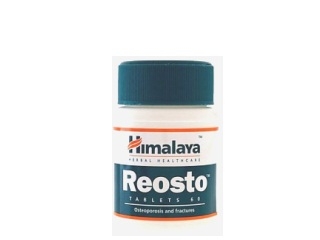

Reosto (Brand name) – Patient Information for Australians
Reosto is a medicine used to help treat certain medical conditions. This page explains how Reosto works, how it is typically used, what to consider with food and other medicines, and important safety information. If you have questions about whether Reosto is right for you, speak with your doctor or pharmacist.
Note: Brand and formulation details can vary by country and product strength. Always check your specific carton label and Consumer Medicine Information (CMI) for the exact active ingredient, strength, and directions.
Quick overview
| Topic | Summary |
|---|---|
| Medicinal use | Used for selected conditions (see “Indications and typical use” below). |
| How it works | Reosto’s mechanism targets specific biological processes involved in the condition. |
| How you take it | Usually taken by mouth once daily or as directed by your healthcare professional. |
| Timing | Often taken at the same time each day. Your prescriber/pharmacist will advise best timing for you. |
| Food effects | Food may affect absorption for some medicines. Check the label and CMI; in many cases timing with meals is flexible. |
| Alcohol | Alcohol may increase side effects such as dizziness or drowsiness for some people. |
| Key safety issues | Common side effects may include nausea, dizziness, or headache. Seek urgent help for severe reactions. |
Basic product information
What is Reosto?
Reosto is a medicine supplied in Australia for the management of certain conditions. It contains an active ingredient that acts in the body to produce a therapeutic effect.
What strength is it available in?
Reosto may be supplied in one or more strengths depending on supply and product listing. Always refer to the label for your exact dose (for example, the number of milligrams per tablet/capsule).
Who makes it?
Australian supply depends on the listed manufacturer/sponsor for the specific product presentation. Your package or the CMI includes the product sponsor/manufacturer details.
Mechanism of action
Reosto works by modulating specific pathways in the body related to your condition. While the exact mechanism depends on the active ingredient, medicines in this category generally aim to:
- Reduce overactivity in the targeted biological pathway
- Improve balance of chemical signals involved in symptoms
- Lower symptom intensity and help maintain control over time
Understanding the mechanism can help you appreciate why consistency matters—many treatments work best when taken regularly and continued as advised.
Pharmacokinetics (how your body handles Reosto)
“Pharmacokinetics” describes what happens after you take a medicine—how it is absorbed, distributed, metabolised, and eliminated.
Absorption
After oral dosing, Reosto is absorbed from the gastrointestinal tract. Absorption can be influenced by factors such as:
- Whether you take it with food
- Your stomach contents and pH
- Individual differences (e.g., age, other health conditions)
Distribution
The active ingredient distributes through the bloodstream to tissues, including sites related to the medicine’s effect. Protein binding and tissue penetration are determined by the active ingredient’s properties.
Metabolism
Many medicines are processed (metabolised) primarily in the liver. Enzyme systems may break down the active ingredient into metabolites that are then cleared from the body.
Elimination
Reosto and its metabolites are eliminated mainly via kidneys (urine) and/or the bile/faeces pathways, depending on the active ingredient. Clearance can vary in people with kidney or liver impairment.
Practical takeaway: If you miss doses or stop suddenly, symptom control may reduce over time—talk to a clinician before changing your routine.
Indications and typical use
Reosto is used for specific medical indications based on clinical evidence and approval in Australia. Typical uses include:
- Helping manage symptoms and underlying factors associated with the target condition
- Longer-term control for people who need ongoing therapy
- Supporting treatment plans alongside lifestyle measures and other recommended therapies
Important: Always follow your healthcare professional’s instructions for your exact condition and dose. Reosto is not intended for unrelated uses.
Dosing: how to take Reosto
Dosing varies by individual factors such as condition severity, age, kidney/liver function, and other medicines you take. Use the dose on your label unless your clinician advises changes.
Typical adult dosing
In many cases, Reosto is taken once daily or on a specific schedule determined by your prescriber. Common strategies include:
- Start low if recommended, then adjust based on response and tolerability
- Maintain the same time each day to support steady medicine levels
- Review treatment regularly (especially if symptoms change)
For missed doses
- If you remember soon after your planned dose, take it if it is still close to the schedule.
- If it is almost time for your next dose, skip the missed dose—do not double up unless your clinician instructs you.
- If you frequently miss doses, speak to your pharmacist about strategies (alarms, blister packs, routine timing).
Stopping Reosto
Do not stop suddenly unless your doctor or pharmacist advises. Some treatments may require tapering or monitoring to avoid rebound symptoms or other complications (depending on the active ingredient).
Timing: best time of day
Many people take Reosto at a time that suits their routine and minimises side effects.
- Choose a consistent time each day.
- If Reosto makes you feel sleepy or dizzy, taking it in the evening may help (unless your clinician advises otherwise).
- If it causes stomach upset, taking it with food (if permitted for your formulation) may reduce symptoms.
Tip: If you are unsure about timing—especially around meals—check the CMI or ask a pharmacist.
Food interactions (meals, beverages, and absorption)
Food can affect how quickly and how much of Reosto is absorbed.
General guidance
- Follow the directions on your label. Some medicines are taken with food; others are better taken without.
- If the CMI says “with or without food,” you can usually take it either way.
- If you notice symptoms such as nausea after taking it on an empty stomach, consider taking it with food (only if allowed for your product).
Grapefruit and similar products
For many medicines, grapefruit and some citrus products can interfere with drug metabolism. Whether this applies to Reosto depends on the active ingredient—check your CMI or ask your pharmacist.
Practical takeaway: Try not to change your meal pattern suddenly after starting Reosto. If your diet changes substantially, speak to a pharmacist to ensure dosing timing remains appropriate.
Alcohol and medicine interactions
Alcohol can increase the risk of side effects such as:
- Drowsiness or dizziness
- Reduced coordination and falls risk
- Stomach irritation
- Worsening of certain conditions (depending on the indication)
Recommendation: Limit or avoid alcohol while taking Reosto, especially when you are adjusting to the medicine or if you experience any side effects.
Interactions with other medicines (common categories)
Reosto may interact with other medicines. Tell your pharmacist about all products you take, including:
- Prescription medicines
- Over-the-counter medicines (including pain relief, allergy tablets)
- Herbal products and supplements
- Vitamins or “natural” remedies
Interactions depend on the active ingredient. However, pharmacists often pay special attention to:
- Sedatives and medicines that affect alertness
- Medicines affecting liver enzymes (which can change medicine levels)
- Medicines that alter stomach acid (may affect absorption)
- Other drugs used for the same condition
- Anticoagulants/antiplatelets if relevant to your regimen
Safety tip: If you start a new medicine—such as an antibiotic, antifungal, or new allergy medication—check with your pharmacist or prescriber to confirm there are no important interactions.
Safety profile
Like all medicines, Reosto can cause side effects. Most are mild to moderate and improve as your body adjusts, but some require urgent medical attention.
Common side effects
Commonly reported side effects may include:
- Nausea or stomach discomfort
- Headache
- Dizziness or light-headedness
- Fatigue
- Changes in sleep or energy levels (varies by person)
Less common but important side effects
- Allergic reactions (rash, swelling, breathing difficulty)
- Significant mood changes or behavioural effects (depending on the active ingredient)
- Signs of liver or kidney problems (yellowing of skin/eyes, dark urine, severe fatigue, unusual bruising—seek advice promptly)
When to seek urgent help
Get urgent medical assistance if you experience:
- Swelling of the face, lips, tongue, or throat
- Trouble breathing or wheezing
- Fainting, severe dizziness, or collapse
- Severe rash or blistering skin
- Chest pain or signs of a serious allergic reaction
If you are in Australia, you can call 000 for emergencies, or Healthdirect on 1800 022 222 for urgent health advice.
Practical use tips
These tips can help you get the best results and reduce preventable issues:
- Use the same routine daily: choose a time you can remember and keep it consistent.
- Keep track: use a medication blister pack or phone alarm to reduce missed doses.
- Read the label: confirm strength and dosing schedule each time you refill.
- Stay hydrated and watch alcohol: dehydration and alcohol can worsen dizziness for some people.
- Monitor side effects: note timing and severity—this helps your clinician adjust treatment.
- Check before adding new products: especially cold/flu, sleep aids, or herbal supplements.
Alternative options
Depending on your condition, your healthcare professional may consider alternatives. Options can include:
- Other medicines in the same therapeutic class
- Different mechanisms (another class of medicine)
- Non-medicine strategies (lifestyle changes, counselling, physical therapy, or other supports)
- Combination approaches (more than one therapy tailored to your needs)
Don’t switch treatments without medical advice. If Reosto doesn’t suit you—due to side effects, insufficient control, or interaction concerns—talk to your doctor or pharmacist about suitable alternatives.
Market and legal context for Australia
In Australia, medicines are regulated by the Therapeutic Goods Administration (TGA). Products are supplied according to their approved indications, strength, and directions in the Consumer Medicine Information (CMI).
Depending on the active ingredient and product classification, Reosto may be supplied under specific rules for availability. Pharmacy dispensing must comply with Australian medicines and pharmacy practice requirements.
Important: Always ensure the Reosto you receive is from a reputable source and matches the product listed on your label.
Recent guidance (what to know now)
Advice around medicine safety can change over time as new data becomes available. In general, recent guidance for safe use in Australia includes:
- Regular medication reviews to confirm continuing benefit and minimise harm
- Attention to interactions, especially when starting antibiotics, antifungals, antidepressants, or sleep/anxiety medicines
- Prompt reporting of side effects to support timely adjustments
- Checking the CMI whenever you refill or when your formulation changes
If you have concerns about dosing, side effects, pregnancy/breastfeeding considerations, or interactions, discuss them with a pharmacist for personalised guidance.
Delivery and availability in Australia
Reosto may be available through reputable online pharmacy services that supply medicines in line with Australian regulations and pharmacy practice requirements.
What to expect when ordering online
- Verification: your order may require confirmation details to ensure safe supply.
- Packaging: medicines are typically delivered in tamper-evident packaging.
- Delivery times: delivery depends on location (metro vs regional), courier services, and stock availability.
- Cold chain: if your particular formulation requires temperature control (check product details), it will be handled accordingly.
Stock and substitutions
Availability can fluctuate. A reputable pharmacy will usually:
- Confirm stock before shipping
- Avoid substitutions unless permitted and clinically appropriate
- Contact you if there is an issue with supply
Tip: Keep a little buffer in your supply to avoid running out before refills.
FAQ – Frequently asked questions
1) What is Reosto used for?
Reosto is used for specific approved indications depending on its active ingredient and formulation. Refer to the CMI for the exact approved use for your product and strength.
2) How quickly will Reosto work?
Some effects may be noticed early, but full benefit often takes time as the body adjusts and the targeted condition improves. Your clinician can give an estimate for your particular indication.
3) Can I take Reosto with food?
Food interactions depend on the specific formulation. Many medicines can be taken with or without food, while others have absorption considerations. Check your label/CMI for your product’s exact instruction.
4) What if I drink alcohol while taking Reosto?
Alcohol may increase side effects like dizziness or drowsiness. It’s generally safest to limit or avoid alcohol and discuss your intake with a pharmacist, especially during the first days of treatment.
5) What side effects are common?
Common side effects can include headache, nausea, dizziness, or fatigue. If side effects are severe, persistent, or worsening, seek advice promptly.
6) Are there any interactions with other medicines?
Yes. Interactions depend on the active ingredient and other therapies you take. Tell your pharmacist about all medicines and supplements, including herbal products and over-the-counter products.
7) Can I stop Reosto if I feel better?
Do not stop unless your doctor or pharmacist advises. Stopping could reduce symptom control or cause rebound effects depending on the medicine and condition.
8) What should I do if I miss a dose?
Take it when you remember if it is close to the scheduled time, unless it’s nearly time for the next dose. Do not double doses unless advised.
9) Is Reosto suitable for everyone?
Suitability depends on your medical history (including liver/kidney health), other medicines, age, and individual risk factors. A pharmacist or doctor can help assess suitability.
10) How do I store Reosto?
Store according to the instructions on the packaging. Keep out of reach of children and away from moisture and heat. Use the expiry date provided on the carton.
Contact your healthcare professional
If you have any concerns about Reosto—such as side effects, interactions, missed doses, or whether it’s safe with other medicines—contact your doctor or pharmacist. They can provide advice tailored to your health needs.
Disclaimer: This information is general and designed to help you understand Reosto. It does not replace personalised medical advice. Always follow the instructions provided with your specific product and read the CMI for detailed safety and dosing information.