
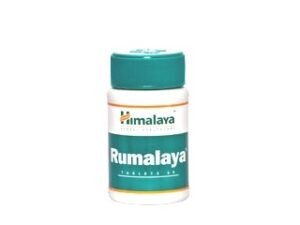

Rumalaya Fort (Australia) — Patient Information
Rumalaya Fort is an oral medicine commonly used for the relief of pain and inflammation associated with musculoskeletal conditions. Many people use it to help manage day-to-day discomfort from conditions such as osteoarthritis and other painful inflammatory problems of joints and muscles.
This page provides clear, patient-friendly information about how Rumalaya Fort works, how it is typically used, what to consider with food and alcohol, and practical tips to get the most from your treatment. Always read the consumer medicine information (CMI) and follow the instructions on your pack or as advised by your healthcare professional.
Basic Product Information
- Medicine name: Rumalaya Fort
- Type: Oral pain-relief / anti-inflammatory medicine
- Common uses: Relief of pain and inflammation in conditions affecting joints and musculoskeletal tissues
- How it’s taken: Usually by mouth in tablet/capsule form (strength and dosing schedule may vary by pack)
- Availability in Australia: Online pharmacy availability may vary. Availability is subject to regulatory and supplier requirements for medicines and supplements.
Important: Product composition and exact strength can differ between brands/variants. Check your pack for the exact ingredients and strength before use.
How Rumalaya Fort Works (Mechanism of Action)
Rumalaya Fort is designed to help relieve pain and inflammation. While the exact mechanism depends on the specific ingredients in your formulation, anti-inflammatory pain medicines typically work through one or more of the following pathways:
- Reducing inflammatory mediators involved in swelling and pain
- Decreasing pain signalling from inflamed tissues to the brain
- Helping restore comfort and mobility by reducing joint or tissue irritation
For many users, improvement is noticed over the first days of consistent use, while longer-term conditions may require ongoing management guided by healthcare advice.
Pharmacokinetics (Absorption, Distribution, Metabolism, Excretion)
Pharmacokinetics describe how the body handles a medicine: how it is absorbed, processed, and eliminated. Specific values may differ by ingredient and formulation.
Absorption
When taken by mouth, Rumalaya Fort is absorbed through the gastrointestinal tract into the bloodstream. Absorption can be influenced by food intake and individual digestive factors.
Distribution
After absorption, active ingredients distribute to tissues, including areas affected by inflammation and pain.
Metabolism
Many oral medicines are processed (metabolised) mainly in the liver through enzyme pathways that can be affected by other medicines, alcohol, and certain foods.
Excretion
Metabolites and/or unchanged drug are usually eliminated via kidneys (urine) and sometimes via the gastrointestinal tract.
Note: If you have liver or kidney disease, your clinician may recommend additional caution or dose adjustments depending on the exact ingredient profile.
Typical Use and Indications
Rumalaya Fort is commonly used for the relief of pain and inflammation related to:
- Osteoarthritis (degenerative joint disease)
- Rheumatic and muscular pain
- Joint stiffness and discomfort
- Inflammatory musculoskeletal conditions where symptomatic relief is needed
It is typically used as a part of a broader approach that may include exercise, physiotherapy, weight management (if relevant), and ergonomic changes.
How to Take Rumalaya Fort: Timing and Dosing
Dosing should be based on your product label and healthcare advice. Different packs (and different versions of Rumalaya) may have different strengths.
Typical adult dosing (general guidance)
Many anti-inflammatory pain-relief products like Rumalaya Fort are taken 2 to 3 times daily after meals. However, the exact schedule varies by formulation.
Follow your pack instructions exactly. If you are unsure, check with a pharmacist.
Best timing
- Take with or after food to reduce stomach discomfort (unless your label advises otherwise).
- If you take multiple doses, try to keep them evenly spaced throughout the day.
- For flare-ups, consistent dosing as directed often provides better symptom control than taking “only when pain becomes severe.”
What to do if you miss a dose
- Take it when you remember if it is close to your next scheduled dose.
- If it is almost time for the next dose, skip the missed dose.
- Do not take a double dose to make up for the missed one.
Use duration
For chronic conditions such as osteoarthritis, symptoms may improve gradually. If you need the medicine for an extended period or your pain worsens, you should seek medical advice to confirm the underlying cause and review your treatment plan.
Food Interactions: Can You Take Rumalaya Fort With Meals?
Food can affect how some oral medicines absorb and how well they are tolerated in the stomach.
- Generally recommended: Taking Rumalaya Fort after meals can help minimise gastrointestinal discomfort.
- Be consistent: Take each dose in a similar relation to meals to maintain steady effects.
- If you experience nausea or stomach upset: Consider taking it with more substantial food and discuss options with a healthcare professional.
Tip: Avoid taking it on an empty stomach if your experience suggests it irritates you.
Alcohol and Medicine Interactions
Combining anti-inflammatory pain medicines with alcohol may increase the risk of stomach irritation and other side effects. Alcohol may also worsen drowsiness or reduce judgment for people who experience dizziness from pain or medicines.
- Best practice: Avoid or limit alcohol while using Rumalaya Fort.
- Extra caution: If you drink alcohol regularly, have a history of gastritis/ulcers, or have liver concerns, ask a pharmacist for specific guidance.
- Seek advice immediately if you develop severe abdominal pain, black/tarry stools, vomiting blood, or other severe symptoms.
Never ignore red-flag symptoms. Those may indicate complications requiring urgent care.
Safety Profile: Who Should Be Cautious?
Most people can use Rumalaya Fort safely when taken as directed. However, like all medicines, it can cause side effects, and some people need extra caution.
Common side effects
- Stomach discomfort, heartburn, nausea (especially if taken on an empty stomach)
- Headache or mild dizziness in some people
Serious side effects (seek medical advice promptly)
- Severe allergic reaction (e.g., swelling of face/lips, difficulty breathing, rash/hives)
- Gastrointestinal bleeding symptoms (e.g., black tarry stools, vomiting blood)
- Unusual bruising or persistent bleeding
- Severe skin reactions or blistering rash
Stop and seek advice if you experience severe or persistent symptoms.
People who should discuss use with a healthcare professional
- Those with a history of stomach ulcers or gastrointestinal bleeding
- People with liver disease or significant liver function concerns
- People with kidney disease
- Anyone taking medicines that can increase bleeding risk or affect the stomach/heart/kidneys
- Pregnant or breastfeeding individuals (safety should be confirmed with a clinician)
- Older adults who may be more sensitive to side effects
Practical Use Tips for Best Results
- Consistency matters: For inflammatory pain, regular dosing as directed often works better than irregular use.
- Take with food: This can reduce stomach upset for many people.
- Hydration: Drink water regularly, especially if you are also taking other medicines that can affect the stomach.
- Monitor response: If your pain is not improving after the expected timeframe on the label, review your plan with a pharmacist or clinician.
- Support with lifestyle steps: Gentle stretching, physiotherapy, strengthening, and activity modification may improve outcomes.
- Keep a symptom diary: Note pain scores, timing of doses, and side effects. This helps tailor ongoing care.
Alternative Options (What You Can Consider)
Depending on your diagnosis, severity, and medical history, a pharmacist or doctor may suggest alternatives. Options may include:
Non-medicine options
- Physiotherapy and targeted strengthening
- Heat or cold therapy for flare-ups
- Weight management for joint load reduction
- Exercise programs (low-impact aerobic activity, mobility work)
Other medicine options
- Topical anti-inflammatory gels/creams for localised joint pain
- Paracetamol (acetaminophen) for pain relief in some situations
- Other oral anti-inflammatory medicines depending on suitability and risk profile
Choosing an alternative should consider your stomach health, kidney/liver status, other medications, and the type of pain you have.
Medicine Interactions: What to Watch
Interactions can be important with pain-relief anti-inflammatory medicines. Always review your current medicine list with a pharmacist before starting Rumalaya Fort, especially if you take multiple medicines.
Potential interaction areas include:
- Other anti-inflammatory pain medicines (increased risk of stomach irritation or bleeding)
- Blood thinners or medicines that affect clotting (may increase bleeding risk)
- Corticosteroids (may increase gastrointestinal risk)
- Medicines that affect liver enzymes (may change levels of certain ingredients)
- Some antidepressants or other drugs that can affect bleeding risk
If you are not sure whether your medicines interact, ask your pharmacist to check. Bring the labels or a list of your medicines and supplements.
Market and Legal Context for Australia (Online Pharmacy Considerations)
In Australia, medicines are regulated to help ensure quality, safety, and appropriate access. When purchasing online, consider:
- Product legitimacy: Choose reputable online pharmacies with clear business details and Australian compliance.
- Stock and documentation: Reliable suppliers should provide product identifiers and relevant information.
- Category and requirements: Some medicines may be available for purchase under specific conditions, while others may be restricted.
- Quality assurance: Look for indications of controlled sourcing and proper storage/handling.
Recent guidance and updates: Australian guidance for online medicine supply and consumer safety can evolve. Always rely on current information from Australian health authorities and the pharmacy’s compliance documentation for the most up-to-date requirements.
Delivery and Availability in Australia
Delivery options vary depending on the pharmacy and the product’s supply chain. When ordering Rumalaya Fort:
- Availability: Stock can change. Some items may be ordered on demand depending on supplier schedules.
- Delivery timeframes: Typical timeframes depend on shipping method and location within Australia.
- Tracking: Many pharmacies provide tracking for shipments.
- Packaging: Medicines are usually shipped in protective packaging to reduce damage during transit.
Tip: If you need the medicine for a flare-up, allow extra time for delivery and order in advance when possible.
Rumalaya Fort: Dosing Summary Table (Check Your Pack for Exact Instructions)
| Topic | General patient-friendly guidance |
|---|---|
| How to take | By mouth, typically after food to improve stomach tolerance. |
| Typical frequency | Often 2–3 times daily depending on the product strength and label instructions. |
| Timing | Space doses evenly during the day; use consistently for inflammatory pain. |
| Missed dose | Take when remembered unless close to the next dose; do not double dose. |
| Duration | Use for the period recommended on the label; review with a pharmacist/clinician if symptoms persist or worsen. |
Reminder: Always verify the exact dose and schedule for the specific Rumalaya Fort product you receive.
FAQ — Frequently Asked Questions
1) What is Rumalaya Fort used for?
Rumalaya Fort is used to help relieve pain and inflammation associated with musculoskeletal conditions such as osteoarthritis and other painful inflammatory joint or tissue problems.
2) How quickly will it work?
Many people notice symptom improvement within the first few days. For ongoing joint conditions, improvement may be gradual and depends on consistent use and the underlying cause of pain.
3) Should I take Rumalaya Fort before or after food?
It is generally recommended to take it after meals to reduce the chance of stomach discomfort. Follow the directions on your pack if they differ.
4) Can I take Rumalaya Fort with alcohol?
It’s best to avoid or limit alcohol. Alcohol may increase the risk of stomach irritation and other side effects. Ask a pharmacist for personalised advice if you drink regularly.
5) Are there any medicines I should not combine with it?
Be cautious if you take other pain relievers, blood thinners, corticosteroids, or medicines that increase bleeding risk. Interaction checks with a pharmacist are recommended.
6) What if I feel side effects?
Mild effects such as stomach discomfort may occur. Take with food and monitor symptoms. If you develop severe allergy symptoms, signs of bleeding, or persistent/worsening symptoms, seek medical advice urgently.
7) Can I use it long-term?
Long-term use should be guided by healthcare advice, especially if you have chronic pain. If symptoms are not controlled or you need it beyond the label guidance, discuss options with a professional.
8) Is it suitable for everyone?
Not everyone is suitable. People with a history of ulcers/bleeding, liver or kidney disease, pregnant or breastfeeding individuals, and those taking interacting medicines should seek guidance before use.
9) How do I choose the right alternative if it doesn’t suit me?
Alternatives may include topical treatments, paracetamol (where appropriate), physiotherapy, or other anti-inflammatory options. Your pharmacist can help compare benefits and risks based on your medical history.
10) How long does delivery take in Australia?
Delivery timeframes vary by location and stock availability. Check the pharmacy’s delivery estimates at checkout and allow extra time for remote areas or high-demand periods.
Key Takeaways
- Rumalaya Fort is commonly used for pain and inflammation related to joint and musculoskeletal conditions.
- Take it after meals to improve stomach tolerance and follow the label dose.
- Limit or avoid alcohol while using it, and watch for stomach or allergy warning signs.
- If symptoms persist or you experience serious side effects, seek prompt advice.
Always read the consumer medicine information (CMI) included with your product for the most accurate instructions, warnings, and ingredient details.