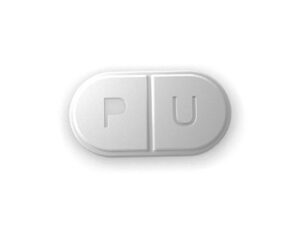
Diane 35 (Cyproterone acetate + Ethinylestradiol) — Patient Guide (Australia)
Diane 35 is a combined hormonal medicine containing cyproterone acetate and ethinylestradiol. It is used to help manage certain hormone-related skin and hair conditions, and it works by affecting the body’s hormonal signalling. Many people know it for improving acne and unwanted hair growth associated with androgen (male-type hormone) effects.
This guide is written to be patient-friendly and practical. It includes how Diane 35 works, how it is typically taken, safety information, and frequently asked questions. Always follow your clinician’s instructions and read the product information provided with your medicine.
Key product information
- Brand name: Diane 35
- Active ingredients: Cyproterone acetate + Ethinylestradiol
- Type: Combined oral contraceptive (COC) / combined hormonal therapy
- Common formulation: Usually supplied as a 21-tablet blister pack in many markets (confirm your specific pack)
- How it helps: Reduces androgen effects (e.g., acne, oily skin, some forms of excess hair)
Note: Brand availability and pack format can vary. If you’re unsure about your specific blister arrangement, check the box or ask your pharmacist.
How Diane 35 works (mechanism of action)
Diane 35 contains two hormones that work together:
-
Cyproterone acetate (a progestin with anti-androgen activity):
- Helps block androgen receptors and reduces androgen effects in the skin.
- Decreases the influence of androgens on oil glands and hair follicles.
-
Ethinylestradiol (an oestrogen):
- Helps suppress ovarian androgen production indirectly by modifying hormone signalling.
- Supports cycle regulation for many users.
Result: Over time, many users experience improvement in acne, oily skin, and some androgen-related hair symptoms. The anti-androgen effects typically take several months to become fully noticeable.
Pharmacokinetics (how the body processes it)
Understanding pharmacokinetics can help you appreciate why timing and consistency matter.
| Process | Typical behaviour (generalised) |
|---|---|
| Absorption | Both hormones are absorbed after oral intake. Peak blood levels generally occur within a few hours, with values varying between individuals. |
| Distribution | Hormones bind to plasma proteins. This binding affects how much medicine is biologically available. |
| Metabolism | Primarily metabolised by the liver. Some metabolites may contribute to overall effect. |
| Excretion | Metabolites are eliminated mainly via urine and bile/faeces. |
| Accumulation | Levels may rise and stabilise with regular daily dosing due to pharmacokinetic accumulation. |
Important: Individual responses vary. If you have liver disease, take interacting medicines, or experience unusual side effects, your pharmacist or clinician may need to review suitability.
Typical use: what it may be used for
Diane 35 is commonly used for androgen-related conditions, particularly when symptoms are persistent or have not responded adequately to other approaches.
Potential indications (depending on your situation and local prescribing guidance) include:
- Acne that is moderate to severe and associated with androgen sensitivity
- Oily skin with androgen-related features
- Hirsutism (excess hair growth) or other hair-related androgen symptoms
Clinical note: Treatment choice depends on overall health, risk factors, and the cause of symptoms. In Australia, hormone treatments are used alongside skin care and lifestyle measures when appropriate.
How to take Diane 35 (timing and dosing)
Always use the dosing schedule on your pack and follow healthcare advice. Below is a patient-friendly overview of typical combined oral hormonal therapy use.
Starting timing
- Choose a consistent start day and take the tablet at about the same time each day.
- If you are switching from another hormonal medicine, timing may differ. Ask a pharmacist for guidance.
Typical dosing pattern
Diane 35 is commonly taken as a daily course followed by a break or placebo interval, depending on the pack design.
- Daily dosing: One tablet each day, for the active days listed on your blister.
- Break interval: If your pack includes a break/interval, follow the schedule provided.
What to do if you miss a tablet
Because advice depends on how many days were missed and where you are in the pack, the most accurate guidance is found in the consumer medicine information for your specific product.
- In general, take the most recent missed tablet as soon as you remember if it’s the same day or near the missed time.
- Continue remaining tablets at the usual time.
- Use backup contraception if relevant and if missed tablets occurred, until safety is restored (ask for personalised advice).
- If you have missed tablets and you’ve had unprotected sex, consider prompt advice to reduce the risk of unintended pregnancy where contraception is relevant.
When to expect improvement
Hormone-related skin and hair changes do not usually happen overnight:
- Acne/oily skin: Some improvement may appear in 2–3 months, with better results by 3–6 months.
- Hirsutism: Hair changes are slower and may take 6–12 months for meaningful improvement.
Food interactions
Most combined oral hormonal medicines can be taken with or without food.
- With food: Taking Diane 35 after a meal may help reduce nausea for some people.
- Grapefruit/acidic drinks: Not a common major issue, but individual sensitivity exists.
- GI upset: If you experience vomiting or severe diarrhoea, absorption may be reduced—seek advice about what to do next.
Tip: If your stomach is sensitive, take the tablet at night with dinner or bedtime, as long as timing stays consistent.
Alcohol interactions
Moderate alcohol use is not usually considered a direct interaction with Diane 35. However, alcohol can indirectly affect safety and adherence:
- Nausea/dizziness: Alcohol may worsen side effects in some people.
- Adherence: Drinking may lead to missed doses.
- Liver health: Because these hormones are metabolised in the liver, heavy or frequent alcohol use may be relevant if you have liver disease or elevated liver enzymes.
Practical advice: If you plan to drink, keep your tablet routine stable (for example, take it with dinner or before going out).
Medicine interactions (important)
Some medicines can reduce the effectiveness or increase side effects of combined hormonal medicines by affecting liver enzymes or intestinal absorption.
Examples of medicines that may interact include:
- Enzyme inducers (can lower hormone levels), such as certain anti-seizure medicines and some antibiotics/antifungals
- HIV and hepatitis medicines (some regimens affect hormone metabolism)
- St John’s wort (herbal product; commonly reduces effectiveness)
- Some medicines for tuberculosis
Also consider:
- New prescriptions, over-the-counter products, and supplements can all interact.
- If you start or stop a medicine, ask whether you need backup contraception and how long it should be used.
Indications and suitability: who Diane 35 is for
Diane 35 may be appropriate for some people with androgen-related skin or hair symptoms, but it is not suitable for everyone. Suitability depends on your personal and family medical history and risk factors for blood clots and other hormone-related risks.
Key suitability considerations
- Age and smoking status (especially if older or smoking increases cardiovascular clot risk)
- History of blood clots (deep vein thrombosis, pulmonary embolism) or stroke
- Migraine (especially migraine with aura)
- High blood pressure
- Diabetes with complications affecting blood vessels
- Liver disease or severe jaundice history
- Known clotting disorders
- Major surgery/immobility (temporary increased clot risk)
If you are unsure whether Diane 35 is appropriate for you, discuss your risk factors with a pharmacist or clinician before starting.
Safety profile and side effects
All medicines can cause side effects. Many users experience mild effects that settle over time, while others may require review or switching.
Common side effects
- Nausea, mild stomach upset
- Headache
- Mood changes
- Breast tenderness
- Spotting or breakthrough bleeding, especially in the first cycles
- Changes in libido
- Temporary changes in weight or water retention (varies by person)
Less common but important risks
Combined oral hormonal medicines can increase the risk of blood clots (venous thromboembolism) compared with not using them. The overall risk is influenced by personal risk factors.
Seek urgent medical help if you develop symptoms that could suggest a serious clot, such as:
- Leg pain or swelling (usually one-sided)
- Chest pain or shortness of breath
- Sudden severe headache, weakness/numbness on one side, trouble speaking, or vision changes
Other serious concerns to discuss promptly include persistent severe abdominal pain, yellowing of eyes/skin (jaundice), or severe depression symptoms.
Practical use tips
- Take at the same time every day to support stable hormone levels.
- Use a reminder (phone alarm, calendar, blister organiser) to reduce missed doses.
- Keep track of spotting during the first months and report persistent heavy or unusual bleeding.
- Consider lifestyle factors that can influence risk—especially smoking cessation and healthy blood pressure.
- If you vomit or have severe diarrhoea, absorption may be reduced—seek advice on whether additional steps are needed.
- Review interacting medicines with your pharmacist or GP when starting new treatment.
Alternative options
Depending on your symptoms (acne, oily skin, hirsutism) and your medical history, alternatives may include:
- Other hormonal therapies targeting androgen effects (selection depends on the condition and risk profile)
- Non-hormonal acne treatments such as topical retinoids, benzoyl peroxide, topical antibiotics, and other prescriptions
- Dermatology procedures (e.g., laser/light for hair, chemical peels, or other options for acne scarring)
- Anti-androgen approaches not combined with oestrogen may be considered for some people, depending on their situation
Your pharmacist or clinician can help compare benefits and risks and suggest the best pathway for your symptoms.
Market and legal context in Australia
In Australia, medicines containing combined hormonal components are regulated under the national medicines framework and are listed on the Australian Register of Therapeutic Goods (ARTG) when approved for use. Product availability can vary by brand and formulation.
Because combined oral hormonal medicines can increase the risk of blood clots and interact with other medicines, Australian prescribing and dispensing practices emphasise appropriate screening and patient information. Where relevant, pharmacists may ask health questions to support safe supply and use.
Public guidance is periodically updated to reflect new evidence about risks, interactions, and best-practice screening for hormonal therapies.
Recent guidance and risk awareness (high-level)
Recent clinical focus across many countries—including Australia—is on:
- Assessing venous thromboembolism (VTE) risk before starting combined hormonal medicines
- Reviewing migraine patterns (particularly migraine with aura)
- Considering medication interactions (especially enzyme-inducing agents)
- Encouraging earlier review if unusual symptoms occur (especially clot symptoms)
If you have risk factors or you develop new symptoms after starting, seek medical advice promptly.
Delivery, availability, and ordering (Australia)
Availability of Diane 35 depends on supply and the specific pack size. Online pharmacies in Australia typically offer ordering with standard shipping and sometimes express delivery options depending on location.
What you can expect when ordering
- Product verification: You should receive the correct brand and strength as listed.
- Packaging: Medicines are supplied in manufacturer packaging with clear labelling.
- Shipping timeframe: Delivery times vary by postcode and dispatch schedule.
- Storage: Store at room temperature and away from direct sunlight as directed on the label.
Tip: If you are near the end of a blister pack, consider ordering early to avoid delays that could lead to missed doses.
Frequently asked questions (FAQ)
1) Is Diane 35 the same as an acne treatment?
Diane 35 is a hormonal therapy. While it is used for conditions such as acne related to androgen effects, it is not a “topical acne wash.” Results depend on hormone-related changes, so improvement may take months.
2) How long does it take to work?
Many people notice changes in 2–3 months for acne/oily skin, with greater improvement by 3–6 months. Androgen-related hair changes can take 6–12 months or longer.
3) Can I take Diane 35 with food?
Yes. It can generally be taken with or without food. If nausea occurs, taking it after a meal or at bedtime may help.
4) What if I drink alcohol while taking Diane 35?
Moderate alcohol is usually not a direct interaction. However, alcohol can worsen side effects for some people and can increase the chance of missed doses. If you have liver concerns, discuss alcohol use with your pharmacist or clinician.
5) What medicines should I avoid?
Some medicines can reduce effectiveness or increase side effects (for example, certain enzyme-inducing drugs and St John’s wort). Tell your pharmacist about all medicines and supplements you take.
6) What are the warning signs of serious side effects?
Seek urgent medical help for symptoms that may indicate a blood clot, such as one-sided leg swelling/pain, chest pain, shortness of breath, sudden severe headache, weakness/numbness, trouble speaking, or vision changes.
7) Will Diane 35 stop my periods?
Some people experience cycle changes such as lighter bleeding or irregular spotting, particularly in the first months. If bleeding is very heavy, persistent, or unusual, get medical advice.
8) Can I start Diane 35 if I recently stopped another hormonal medicine?
Switching schedules vary depending on the prior product and timing. A pharmacist can help plan the safest start based on your situation.
9) Is Diane 35 safe for everyone?
No. Combined hormonal medicines are not suitable for everyone, particularly those with certain clotting risks, migraine with aura, certain liver conditions, or other medical factors. A health professional should screen for safety.
10) What should I do if I miss a dose?
Advice depends on how many tablets were missed and where you are in the pack. Refer to the consumer medicine information and/or ask a pharmacist for personalised guidance, especially if contraception is relevant to you.
Summary
Diane 35 (cyproterone acetate and ethinylestradiol) is a combined hormonal medicine used for certain androgen-related skin and hair conditions. It works by reducing androgen effects and modifying hormonal signalling. While many users benefit from improved acne and oily skin over time, it is important to consider safety factors—particularly the increased clot risk associated with combined hormonal therapies—and to watch for warning signs. Consistent daily use and careful attention to interactions and missed doses are key to safe, effective treatment.