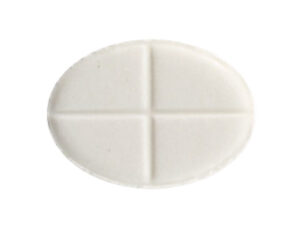
Medrol (Methylprednisolone) — Patient Information (Australia)
Medrol is a brand of methylprednisolone, a medicine from the corticosteroid (steroid) family. It is used to reduce inflammation and to modify immune system activity in a range of conditions. This guide explains how Medrol works, how it is used, what to expect, and important safety information.
Please read this information carefully. It does not replace advice from your healthcare professional. If you have any concerns—especially about dosing, side effects, interactions, or stopping treatment—seek medical advice.
Basic product information
| Feature | Details |
|---|---|
| Medicine name | Medrol (methylprednisolone) |
| Medicine type | Corticosteroid (glucocorticoid) |
| Common forms | Oral tablets (strengths vary by product) |
| How it works | Anti-inflammatory and immunosuppressive effects |
| Typical use duration | May be short-term or longer-term depending on the condition |
| Key safety considerations | Higher risk of infections, blood sugar changes, stomach irritation, mood changes |
How Medrol works (mechanism of action)
Methylprednisolone is a glucocorticoid. It works mainly by:
- Reducing inflammation: it decreases the release of inflammatory chemicals and lowers the activity of inflammatory immune cells.
- Modifying immune responses: it can suppress or rebalance immune activity, which is helpful in autoimmune and allergic conditions.
- Stabilising blood vessel and tissue responses: helping to reduce swelling and related symptoms.
The goal is symptom control—such as reducing swelling, pain, rash, or asthma/COPD flares—while keeping side effects as low as possible.
Pharmacokinetics (how the body handles Medrol)
While exact parameters vary between individuals and formulations, the following describes typical behaviour in the body:
- Absorption: Methylprednisolone is absorbed after oral dosing. Food can affect absorption rate, but not usually enough to remove the benefit for most people.
- Distribution: It is distributed throughout body tissues and binds to plasma proteins.
- Metabolism: Primarily metabolised in the liver (mainly by CYP enzymes), producing inactive and active metabolites.
- Elimination: Metabolites are excreted mainly through the kidneys in urine.
- Onset and duration: Some effects begin within hours, with maximal benefit sometimes taking several days depending on the condition.
Because Medrol affects the immune system and inflammatory pathways, improvements may be noticeable quickly for flares, but longer-term control may take time.
Typical uses (indications)
Medrol may be used for a variety of conditions where inflammation and/or immune activity plays a key role. Common indications include:
- Severe allergic reactions and some types of inflammation related to allergy (as determined by a clinician).
- Autoimmune conditions, where immune overactivity causes symptoms (example: certain rheumatologic or inflammatory diseases).
- Asthma exacerbations and other inflammatory airway conditions (short bursts or longer courses in selected cases).
- Certain skin conditions involving inflammation.
- Inflammatory bowel disease flares (as advised by a specialist).
- Neurological inflammatory conditions in selected situations.
- Certain kidney and blood disorders where inflammation or immune activity contributes.
The specific appropriateness of Medrol depends on diagnosis, severity, and your health history (including infections, diabetes, stomach ulcer risk, and vaccination status).
When and how to take Medrol (timing and practical guidance)
Your prescriber’s instructions are the most important guide. In general, steroids such as methylprednisolone are often taken:
- Once in the morning (when used daily), because this may better match the body’s natural cortisol rhythm and may reduce sleep disturbance.
- With food to reduce the chance of stomach upset.
- At the same time each day if taken on a regular schedule.
Do not stop suddenly if you’ve been taking Medrol for more than a short course without medical advice. Your body may reduce its own cortisol production while steroids are used.
Dosing (general information)
Dosing varies widely based on:
- the condition being treated
- severity and expected response
- your age, weight, and medical history
- whether the treatment is short-term or part of longer-term management
- other medicines you may be taking
Typical regimens may include:
- Short “burst” courses for acute flares (often for a few days up to a couple of weeks, depending on the condition).
- Tapering (“step-down”) schedules when longer courses are used, to help prevent adrenal insufficiency and rebound inflammation.
- Alternate-day or modified schedules in certain long-term plans, as determined by the clinician.
Because Medrol strength can vary by product and because individual needs differ, always follow the exact dose and schedule provided by your healthcare professional.
Food interactions and stomach safety
Food can influence comfort and, to a lesser extent, absorption. For most people:
- Take with or after meals to reduce stomach irritation (including heartburn or nausea).
- Avoid frequent large alcohol intake (details below).
- Maintain adequate protein and calcium/vitamin D intake if you are taking steroids for longer periods (your clinician may recommend supplements).
Steroids can increase the risk of gastritis and peptic ulcer, especially if combined with certain medicines (such as NSAIDs). If you develop black/tarry stools, vomiting blood, or severe abdominal pain, seek urgent medical care.
Alcohol interactions
Alcohol does not have a single “direct” interaction that is always dangerous for everyone, but combining alcohol with Medrol can increase risks such as:
- Stomach irritation (heartburn, gastritis)
- Blood sugar changes (especially if you have diabetes or prediabetes)
- Greater mood/sleep effects (irritability, anxiety, insomnia)
- Higher infection risk overall, because steroids affect immunity
If you choose to drink, consider keeping intake low and avoid binge drinking. For personalised advice, especially if you have liver disease, diabetes, reflux, or a history of ulcers, discuss with your healthcare professional.
Medicine interactions (important)
Medrol can interact with several medicines. Tell your pharmacist or doctor about all medicines and supplements you use, including over-the-counter products. Below are common interaction categories:
- NSAIDs (e.g., ibuprofen, naproxen, diclofenac): increased risk of stomach ulcer/bleeding when used together.
- Aspirin: risk of GI bleeding may increase; dose dependent.
- Diabetes medicines (insulin, metformin, sulfonylureas): Medrol can raise blood glucose, requiring monitoring and possible dose adjustments.
- Anticoagulants (e.g., warfarin): steroids can affect bleeding/clotting control; INR monitoring may be needed.
- Antifungals (e.g., ketoconazole) and some antibiotics/antivirals: may change steroid metabolism.
- Enzyme inducers (some anti-seizure medicines, rifampicin): may reduce steroid levels and weaken effect.
- Vaccines: live vaccines may pose risks when immune response is suppressed by higher-dose or prolonged steroid use.
- Diuretics and blood pressure medicines: steroid-related effects on fluid balance and potassium can matter.
- Heart medicines (including some for rhythm): potassium changes can influence risk.
Do not start or stop interacting medicines on your own. If you are on long-term Medrol, medication review at regular intervals is particularly important.
Safety profile: what to watch for
Medrol can be very effective, but it also has potential side effects. Risk increases with higher doses and longer treatment duration. Many side effects are reversible when the dose is reduced or the course ends, but some require prompt medical attention.
Common side effects
- Increased appetite
- Stomach discomfort, heartburn, nausea (often reduced by taking with food)
- Sleep disturbance, restlessness
- Headache
- Mood changes (irritability, anxiety, mood swings)
- Fluid retention (puffy face, swelling in some people)
- Changes in blood sugar (especially in people with diabetes)
Important serious risks (seek medical advice promptly)
- Infections: steroids can mask signs of infection and lower immune defence. Seek urgent care for fever, shortness of breath, severe sore throat, or worsening symptoms.
- Severe allergic reactions (rare): rash, swelling of face/lips, breathing difficulty.
- Stomach bleeding or ulcer: black/tarry stools, vomiting blood, severe abdominal pain.
- Eye problems: new vision changes or severe eye pain; long-term steroid use can increase risk of cataracts and glaucoma in some people.
- High blood pressure or significant weight gain due to fluid retention.
- Muscle weakness or severe fatigue with prolonged use.
- Signs of adrenal insufficiency when stopping: severe weakness, dizziness, vomiting, or feeling faint—particularly if steroids were used for weeks or longer.
Long-term risks
If you take Medrol for more than a short course, your clinician may monitor:
- Bone health (risk of osteoporosis)
- Blood glucose and diabetes risk
- Blood pressure and cardiovascular risk
- Weight and fluid retention
- Eye health
- Infection risk and vaccination planning
Depending on dose and duration, preventative strategies may include calcium/vitamin D, lifestyle changes, and sometimes additional medications to protect bone health.
Practical use tips (to get the best results safely)
- Use consistent timing: take as directed—often in the morning—and try to avoid changing times day-to-day.
- Take with food if you experience stomach upset.
- Monitor your body: check for new symptoms such as fever, unusual bruising, severe mood changes, or vision changes.
- Track blood sugar if you have diabetes or are at risk. Medrol can raise glucose levels.
- Protect bone health (especially for longer courses): adequate dietary calcium, vitamin D, weight-bearing activity as advised.
- Sleep support: if steroids make it hard to sleep, discuss dose timing with your clinician—often morning dosing helps.
- Infection precautions: avoid close contact with people who have contagious infections where possible, and report fevers early.
- Do not stop abruptly after longer use—tapering is often required.
- Keep a medicine list: bring your current medications to pharmacy/doctor visits to help manage interactions.
When Medrol should be used with extra caution
Tell your healthcare professional if you have (or have ever had) any of the following:
- Diabetes or prediabetes
- History of stomach ulcers or GI bleeding
- High blood pressure, heart failure, or fluid retention issues
- Eye conditions such as glaucoma or cataracts
- Osteoporosis or fractures
- Frequent infections or immune system disorders
- Active tuberculosis or previous tuberculosis exposure
- Recent vaccination concerns or need for live vaccines
- Liver disease
- Any mood disorder history (as steroids can affect mood and sleep)
Alternative options
The “best” alternative to Medrol depends on the condition being treated. Depending on diagnosis and severity, clinicians may consider:
- Other corticosteroids (e.g., prednisolone) with different dosing profiles
- Inhaled corticosteroids for certain asthma conditions (reducing systemic exposure)
- Topical corticosteroids for skin inflammation (targeted effect)
- Non-steroidal anti-inflammatory approaches where appropriate
- Immunomodulators/biologics for chronic autoimmune diseases (specialist-led)
- Supportive or symptomatic treatments (e.g., bronchodilators, antihistamines) depending on the flare type
If you are seeking alternatives due to side effects, discuss options early. Do not change steroids without guidance, especially when your condition is stabilising.
Market and legal context in Australia
In Australia, medicines are regulated under the Therapeutic Goods Administration (TGA) framework. Medrol (methylprednisolone) is a controlled medicine category and is commonly supplied based on Australian prescribing and dispensing requirements. Online pharmacies typically require appropriate patient screening and adherence to Australian regulations.
Availability may vary by formulation strength and whether stock is held locally or via distribution channels. For accurate availability, check the product listing and estimated delivery times on the website.
Recent guidance and safety updates: Australian clinical practice increasingly emphasises careful steroid stewardship—using the lowest effective dose for the shortest effective time, proactive monitoring (glucose, blood pressure, infection risk), and thoughtful vaccination planning. Guidance may evolve as new evidence emerges, particularly around infection risk and immunisation timing.
Delivery and availability
Many online pharmacies in Australia offer standard and express delivery options, with delivery times depending on your location and courier availability. Stock status can change, particularly for popular strengths or during periods of high demand.
- Check stock on the product page (in-stock vs. backorder status).
- Allow time for processing and pharmacy verification steps required by regulations.
- Track your order if provided by the retailer.
- Store correctly: keep tablets in a cool, dry place and protect from moisture, as directed on the pack.
If you need the medicine urgently (for example, during an acute flare), choose the fastest delivery option shown at checkout and contact the pharmacy if there are delays.
FAQ
1) What is Medrol used for?
Medrol (methylprednisolone) is used to reduce inflammation and to adjust immune system activity in a range of conditions, including severe allergic reactions, asthma/COPD flares in selected cases, autoimmune and inflammatory disorders, and other inflammation-related illnesses as determined by a healthcare professional.
2) How quickly will Medrol work?
Some people notice symptom relief within hours, but meaningful improvement may take days depending on the condition and dose. If symptoms worsen or do not improve as expected, contact your healthcare professional.
3) Should I take Medrol in the morning or at night?
Many regimens are designed for morning dosing to align with natural cortisol patterns and reduce sleep disturbance. However, your prescribed plan is the best guide.
4) Can I take Medrol with food?
Yes. Taking Medrol with meals can help reduce stomach irritation. If you experience heartburn or nausea, food is especially helpful.
5) What should I do if I miss a dose?
If you miss a dose, take it as soon as you remember unless it is close to your next dose. Do not double up. For guidance tailored to your schedule, ask your pharmacist.
6) Can Medrol affect blood sugar?
Yes. Medrol can raise blood glucose, particularly in people with diabetes or prediabetes. If you monitor your glucose, keep a closer eye during treatment and speak to your clinician if readings are higher than usual.
7) What are the most important side effects to watch for?
Seek urgent medical help for signs of serious infection (fever, breathing problems), stomach bleeding (black/tarry stools, vomiting blood), severe allergic reactions, or significant vision changes. Contact your clinician promptly for persistent mood changes, severe abdominal pain, or rapid swelling.
8) Is it safe to drink alcohol while taking Medrol?
Occasional alcohol may be possible for some people, but steroids can increase stomach irritation and may affect blood sugar and mood. To reduce risk, keep alcohol minimal and avoid binge drinking. Ask your healthcare professional for personalised advice.
9) Can I stop Medrol suddenly?
Do not stop suddenly if you have been taking Medrol for more than a short period without medical advice. Abrupt stopping after longer use may lead to adrenal insufficiency. Tapering is often required.
10) What medicines commonly interact with Medrol?
Important interaction categories include NSAIDs (increased GI bleeding risk), diabetes medicines (blood sugar changes), anticoagulants (e.g., warfarin monitoring), enzyme-inducing medicines (may reduce steroid effectiveness), and certain antibiotics/antifungals (may change steroid levels). Always check with your pharmacist about your specific medicines.
11) Are vaccines safe during Medrol treatment?
Some vaccines may not be suitable when immune responses are suppressed, especially with higher-dose or prolonged steroid use. Discuss vaccination plans with your healthcare professional.
12) Are there alternatives to Medrol?
Yes, alternatives depend on your condition and severity. Options can include other corticosteroids, targeted inhaled/topical treatments, or non-steroidal and immunomodulating therapies under clinician guidance.
Reminder: If you are experiencing an acute flare or new symptoms while taking Medrol, do not delay seeking medical advice. Steroids can be beneficial, but safety monitoring is essential—particularly for infection risk, blood sugar, and stomach protection.