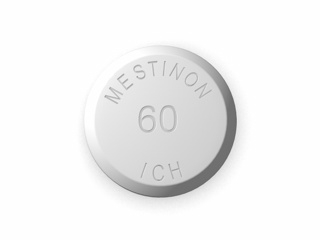

Mestinon (Pyridostigmine) — Patient Guide (Australia)
Mestinon is a medicine containing pyridostigmine. It is commonly used to improve muscle strength and support breathing in certain conditions that involve impaired nerve-to-muscle communication. This page explains how Mestinon works, how it’s taken, what to expect, and important safety information for everyday use.
Important: Everyone’s situation is different. If you have questions about your treatment plan, side effects, or timing, speak with your doctor or pharmacist.
Quick product facts
| Item | What to know |
|---|---|
| Active ingredient | Pyridostigmine |
| Brand name | Mestinon |
| Medicine type | Cholinesterase inhibitor (reversible) |
| How it helps | Improves communication between nerves and muscles |
| Common uses | Neuromuscular conditions such as myasthenia gravis; sometimes other approved uses as directed by clinicians |
What is Mestinon and what is it used for?
Mestinon (pyridostigmine) is used to treat conditions where muscle strength weakens due to problems at the neuromuscular junction (the place where nerves signal muscles).
Typical approved indications include:
- Myasthenia gravis (including some patients with ocular or generalised symptoms), to improve muscle strength.
- In some clinical circumstances, other neuromuscular or gastrointestinal-related uses may be considered by healthcare professionals—always follow the exact instructions given for your individual diagnosis.
Why it’s helpful: Mestinon can reduce fatigue and improve mobility by increasing the effect of the body’s natural signalling chemical at the neuromuscular junction.
How Mestinon works (mechanism of action)
At the neuromuscular junction, nerve cells release a chemical called acetylcholine. Acetylcholine then binds to receptors on muscle cells, triggering muscle contraction.
Pyridostigmine works as a reversible inhibitor of acetylcholinesterase—the enzyme that normally breaks down acetylcholine. By slowing acetylcholinesterase, Mestinon helps acetylcholine last longer at the neuromuscular junction, leading to improved muscle signalling.
Key point: Because pyridostigmine is a reversible cholinesterase inhibitor, its effects can help with symptoms, but careful dosing is important to avoid excessive cholinergic side effects.
Pharmacokinetics (how the medicine moves through the body)
Understanding how Mestinon behaves in the body can help explain timing and why doses may be scheduled through the day.
- Absorption: Pyridostigmine is absorbed after oral dosing.
- Distribution: It distributes throughout the body, with its key clinical effect at sites involved in neuromuscular signalling.
- Onset and duration: Symptom relief usually occurs after dosing, with an effect lasting several hours. Exact duration varies between individuals and depending on dose and formulation.
- Metabolism and elimination: Pyridostigmine is not extensively metabolised in the liver and is largely eliminated via the kidneys. This is why kidney function can matter for dosing decisions.
Practical implication: Because its effect is time-limited, many patients use a scheduled dosing approach to cover waking hours and activities that worsen symptoms.
Typical use and timing
Mestinon is commonly taken in divided doses throughout the day. The goal is to maintain adequate symptom control while minimising side effects.
Common timing patterns (general guidance):
- Morning dose: Often taken when symptoms are expected or on waking.
- Midday dose(s): Taken to support daytime activities such as walking, eating, and speaking.
- Evening dose(s): Used to cover later day symptoms; bedtime decisions are individual and may depend on swallowing and breathing safety.
How quickly does it work? Many people notice improvement within a short time after taking a dose. However, individual response varies. If your symptoms change rapidly or you’re adjusting dose timing, keep a brief symptom diary (e.g., energy, double vision, swallowing, speech) and share it with your healthcare professional.
Do not change your dosing schedule without medical advice.
Food interactions and what to eat with Mestinon
Food can influence how medicines are absorbed or how comfortable they feel in the stomach. With Mestinon, the most important considerations are gastrointestinal tolerance and consistency.
- General approach: Many patients take pyridostigmine with or after food if it causes nausea, stomach cramps, or increased bowel movements.
- Consistency helps: If you find a particular approach works well (e.g., always with breakfast or after meals), keeping to a similar pattern each day can help predict symptom control and side effects.
- Swallowing considerations: If you have swallowing difficulties, take tablets exactly as advised and consider whether a softer food texture or timing around meals is more comfortable.
Seek advice promptly if you experience significant diarrhoea, persistent vomiting, or worsening swallowing.
Alcohol interactions
Alcohol may affect neuromuscular symptoms and can also increase the risk of dizziness, sedation, or gastrointestinal upset depending on your overall health and other medications.
- General guidance: It’s best to limit alcohol and avoid drinking when symptoms worsen or when breathing and swallowing are vulnerable.
- Watch for worsening weakness: If you notice alcohol triggers increased fatigue, slurred speech, or breathing difficulties, avoid alcohol and discuss it with your clinician.
- Hydration matters: Alcohol can dehydrate, which may worsen side effects such as constipation or dizziness.
Because individual responses vary, ask your pharmacist how alcohol may apply to your specific regimen.
Medicine interactions (including “don’t mix without checking”)
Mestinon can interact with other medicines that either affect the nervous system, the neuromuscular junction, or increase cholinergic effects.
Common interaction categories to discuss with a healthcare professional:
- Other cholinesterase inhibitors or drugs with similar effects: Combining can increase cholinergic side effects.
- Some antibiotics: Certain antibiotics can influence neuromuscular transmission.
- Neuromuscular blocking agents used in anaesthesia: These are particularly relevant if you are planning surgery or dental procedures.
- Cardiac medicines and medicines affecting heart rate: Because pyridostigmine can affect the autonomic nervous system, monitoring may be needed with relevant medicines.
- Anticholinergic medicines (often used for overactive bladder, allergies, or motion sickness): These can counteract pyridostigmine’s effect.
- Other treatments for myasthenia gravis: Your overall regimen may include immunosuppressants and other symptomatic treatments—your clinician will balance benefits and risks.
Always check your full list of medicines (including over-the-counter products, herbal supplements, and “as needed” medications). If you’re starting a new medicine, confirm it with your pharmacist before taking it alongside Mestinon.
Indications and when symptoms improve
Mestinon is used when muscle weakness is caused by impaired neuromuscular transmission. It may help with symptoms such as:
- Fatigable weakness (muscles get weaker with use)
- Eye symptoms such as drooping eyelids or double vision (in ocular myasthenia gravis)
- Speech and swallowing difficulties (generalised symptoms may affect these functions)
- Difficulty with stairs or lifting that worsens as the day progresses
What to expect: Many people experience more noticeable improvement during periods of activity. Rest may also improve symptoms, and the overall response may vary day to day.
Dosing information (general patient overview)
Your dose must be individualised. The dose and schedule depend on the condition being treated, severity of symptoms, age, and other health factors such as kidney function.
Important dosing points:
- Follow the exact schedule provided by your clinician.
- Do not take extra doses to “catch up” if a dose is missed—ask your pharmacist for advice on what to do.
- Start low and adjust: In many settings, doses may be increased gradually to balance symptom relief with side effects.
Missed dose: If you miss a dose, take it when you remember unless it is close to the next dose. If uncertain, consult your pharmacist for an individual recommendation based on your dosing schedule.
Kidney considerations: Because pyridostigmine is largely eliminated by the kidneys, your clinician may adjust dosing in the presence of reduced kidney function.
Safety profile: side effects and when to seek help
Like all medicines, Mestinon can cause side effects. Many are related to increased cholinergic activity. The aim is to reach a dose that controls symptoms without causing troublesome effects.
Common side effects
- Gastrointestinal effects: diarrhoea, nausea, abdominal cramps, increased bowel movements
- Excess secretions: increased saliva or mucus
- Sweating
- Headache
- Muscle cramps
- Dizziness (sometimes related to overall weakness or dehydration)
Serious side effects (urgent medical attention)
Seek urgent medical help if you experience signs of a serious reaction or worsening neuromuscular function, such as:
- Breathing difficulty, shortness of breath, or inability to take deep breaths
- Severe weakness that is worse than your usual symptoms
- Trouble swallowing with choking, coughing, or drooling
- Severe or persistent vomiting
- Fainting or marked slow/irregular heartbeat
- Allergic reaction symptoms (hives, swelling of face/lips, trouble breathing)
Cholinergic excess (“too much” effect): If the dose is higher than tolerated, side effects can become prominent (e.g., diarrhoea, excessive secretions, muscle twitching or weakness). Your clinician can help you recognise when it may be time to adjust.
Never adjust dose during an acute flare without guidance—especially if breathing or swallowing is affected.
Practical use tips (making treatment easier)
- Use a routine: Set phone alarms or use a pill organiser to match your dosing schedule.
- Track symptoms: A short diary can help your clinician fine-tune timing and dose (e.g., morning vs evening differences).
- Plan around meals: If you experience nausea or diarrhoea, consider taking doses with food (only if it fits your clinician’s advice).
- Hydration and bowel care: Diarrhoea can lead to dehydration. Sip fluids regularly and discuss anti-diarrhoeal options with your pharmacist.
- Swallow safely: If swallowing is difficult, sit upright when taking your tablets and ensure you have safe textures of food and drinks available.
- Keep a medication list: Carry your current medicine list, including pyridostigmine, especially before procedures or if you go to emergency care.
- Inform anaesthetists/surgeons: If you have surgery planned, ensure your team knows you take pyridostigmine.
Alternative options (discuss with your clinician)
Depending on the underlying condition, other treatments may include:
- Other symptomatic neuromuscular agents: Some patients may be managed with alternative acetylcholinesterase inhibitors or adjusted regimens.
- Immunotherapies for myasthenia gravis: For many patients, long-term control may involve immunosuppressive or disease-modifying treatments (chosen based on severity and subtype).
- Supportive therapies: Management of breathing, swallowing, fatigue, and occupational adaptations may be part of comprehensive care.
Why alternatives matter: If Mestinon doesn’t adequately control symptoms or side effects are troublesome, your clinician may consider alternative medicines, dose adjustments, or combination strategies.
Market and legal context in Australia (availability and responsibilities)
In Australia, the availability and prescribing status of medicines are regulated under the Therapeutic Goods Administration (TGA) and related state/territory health rules. Medicines such as Mestinon are provided through regulated pharmacy channels and must be used in line with Australian medicine guidelines and clinician direction.
Pharmacy responsibilities: Pharmacists may provide counselling on correct use, side effect monitoring, interactions, and safe storage. Some products may have specific dispensing arrangements depending on strength and formulation.
Staying informed: Product availability can vary over time. If you’re having trouble sourcing your usual strength, ask your pharmacist about substitutions or ordering timeframes.
Recent guidance and safety updates (how to stay current)
Australian clinical practice evolves as new evidence and safety information become available. For neuromuscular conditions, guidance often emphasises:
- Close monitoring when adjusting doses, especially if symptoms involve swallowing or breathing.
- Recognising deterioration early and seeking prompt help for breathing or swallowing difficulties.
- Careful interaction checks before starting new antibiotics, anaesthetic medications, or other interacting therapies.
- Individualised dosing based on response and tolerability.
If you’re unsure whether any new advice applies to you, ask your pharmacist or clinician to confirm based on the most up-to-date local information.
Delivery and availability (what to expect online in Australia)
Online pharmacies in Australia commonly offer:
- Secure ordering with confirmation steps where required.
- Home delivery to metro and regional locations (service areas and delivery times vary by provider).
- Tracking and notifications once the order is dispatched.
- Stock variability communication if supply delays occur.
Availability tips:
- Keep a small buffer of stock where possible (discuss with your clinician if timing matters for symptom control).
- If you’re prescribed a specific strength, ensure you order the correct formulation and dose.
- For urgent needs, consider contacting customer support or your local pharmacy for immediate options.
Storage: Store Mestinon according to the label instructions—typically at room temperature, away from moisture and heat, and out of reach of children.
FAQ — Frequently asked questions
1) How long does Mestinon take to work?
Many people notice improvement after taking a dose within a short period. The exact timing varies with dose, individual absorption, and the underlying condition. If your response is unpredictable, discuss your timing strategy with your pharmacist or clinician.
2) What if I forget a dose?
Take it when you remember if it’s not close to the next dose. If it is near the next scheduled dose, skip the missed dose and continue your routine. Because dosing schedules vary, ask your pharmacist for guidance specific to your plan.
3) Can I take Mestinon with food?
Often, taking it with or after food may help reduce stomach-related side effects. Choose a consistent routine that suits you, but follow your clinician’s advice.
4) Will alcohol affect my treatment?
Alcohol may worsen neuromuscular symptoms in some people and can also increase gastrointestinal upset or dizziness. Limit alcohol and avoid drinking if you notice worsening weakness, breathing difficulty, or swallowing problems.
5) What should I do if I get diarrhoea or stomach cramps?
Contact your pharmacist for advice. Don’t stop the medicine abruptly without guidance. Your clinician may adjust the dose or suggest supportive measures. Seek urgent help if diarrhoea is severe, persistent, or accompanied by weakness, dehydration, or vomiting.
6) How will I know if the dose is too high?
Too much cholinergic effect can cause prominent diarrhoea, excessive secretions, sweating, cramping, or troubling side effects. If you feel your symptoms are not just “better,” but you’re developing excessive cholinergic side effects—or your weakness is worse—contact your clinician promptly.
7) Are there medicines I should avoid?
Several medicines can interact with pyridostigmine (for example, anticholinergic medicines and certain antibiotics or anaesthetic-related drugs). Always tell your pharmacist what you’re taking, including over-the-counter products and supplements.
8) Is Mestinon used for everyone with myasthenia gravis?
Not everyone uses Mestinon in the same way. Some people benefit from cholinesterase inhibitors for symptom control, while others may need different or additional therapies. Your clinician will tailor treatment to your subtype, severity, and response.
9) When should I seek emergency help?
Get urgent medical help if you experience breathing difficulties, significant worsening weakness, severe trouble swallowing, choking/coughing with swallowing, fainting, or signs of an allergic reaction.
10) Can I drive or operate machinery?
If your symptoms are controlled, driving may be safe for some people. However, fatigue, double vision, dizziness, or weakness can affect safety. If you’re unsure, discuss it with your clinician and avoid driving if you feel impaired.
Summary
Mestinon (pyridostigmine) is a reversible cholinesterase inhibitor used to improve muscle strength in neuromuscular conditions such as myasthenia gravis. By increasing the action of acetylcholine at the neuromuscular junction, it can reduce fatigue and support everyday activities. Because its effect is time-limited and side effects may occur—especially gastrointestinal and secretion-related—timing, consistency, and careful interaction checks are key.
If you’d like, tell us your Mestinon strength and your typical dosing times, and we can help you understand how to organise your day-to-day routine and plan for food timing and side effect monitoring.