Baclofen (Baclofen Tablets) – Patient-Friendly Guide (Australia)
Baclofen is a medicine used to treat muscle stiffness and spasms caused by certain conditions affecting the brain or spinal cord. It works by calming overactive nerve signals that contribute to muscle tightening.
This guide explains what baclofen is, how it works, how it behaves in the body, common uses, typical dosing patterns, safety considerations, and practical tips for everyday use in Australia.
Basic product information
| Feature | What to know |
|---|---|
| Active ingredient | Baclofen |
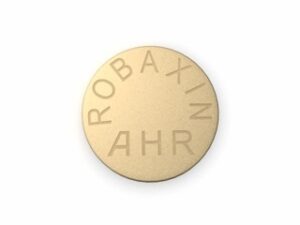
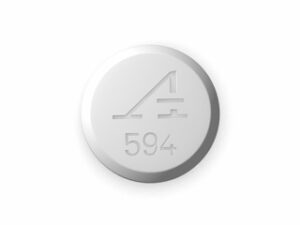
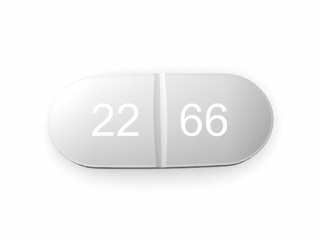
| Common form | Tablets (strengths vary by product) |
| Medicine type | Muscle relaxant (antispasticity medicine) |
| Main use | Reduction of spasticity (muscle stiffness/spasms) |
| How it’s taken | By mouth, usually in divided doses throughout the day |
| Key effects | Less muscle stiffness, fewer spasms, improved comfort and mobility |
How baclofen works (mechanism of action)
Baclofen primarily acts on the nervous system. It is a GABA (gamma-aminobutyric acid) B-receptor agonist. In simple terms, it helps increase the effect of an inhibitory (calming) neurotransmitter pathway in the spinal cord and brain.
- Reduces excitatory nerve signalling that contributes to muscle spasticity.
- Decreases reflex muscle activity, leading to fewer spasms and reduced stiffness.
- Can also have a sedating effect in some people due to effects within the nervous system.
Pharmacokinetics (how baclofen moves through the body)
Pharmacokinetics describes what the body does to the medicine. The key points below help explain why timing and side effects can matter.
- Absorption: Baclofen is absorbed after oral dosing.
- Peak levels: Blood levels typically peak within a few hours after a dose.
- Distribution: Baclofen distributes through the body, including the central nervous system.
- Metabolism: Only a small portion is metabolised in the body.
- Elimination: Baclofen is mainly removed by the kidneys.
- Half-life: The medicine’s effect can last for several hours, which is one reason it’s often taken in divided doses.
Because baclofen is largely cleared by the kidneys, your prescriber may adjust dosing in people with reduced kidney function.
Typical use and timing
What it’s commonly used for
Baclofen is used for spasticity, which is muscle stiffness and spasms that can interfere with movement, comfort, and day-to-day activities.
Common indications
- Multiple sclerosis (MS)–related spasticity
- Spinal cord injury or other spinal cord disorders causing spasticity
- Other neurological conditions where spasticity is present (as assessed by a clinician)
Baclofen may be used when muscle tightness and spasms are causing pain, difficulty with walking, trouble with sleep, or impaired movement.
When to take it during the day
Baclofen is usually taken in divided doses to maintain symptom control while limiting side effects. Some people benefit from dosing schedules that reduce daytime drowsiness while still providing relief at key times.
- Consistency helps: Taking doses at similar times each day can support steadier symptom control.
- Start low, go slow: Many people begin on a lower dose and increase gradually to reduce side effects.
- Evening dosing: If you experience drowsiness, your clinician may advise adjusting dosing times (for example, more at night).
If you miss a dose, follow the instructions provided with your specific product and seek advice if you’re unsure. In general, do not double up to make up for a missed dose.
Food interactions
Baclofen can usually be taken with or without food. Food is not typically considered a major factor affecting effectiveness for most people.
However, if baclofen makes you feel nauseated or upsets your stomach, taking it with food may improve tolerability. Always follow the advice provided for your specific product and dosing plan.
Alcohol interactions and other medicine interactions
Alcohol
Alcohol can increase drowsiness and impair coordination when taken with baclofen. This can raise the risk of falls and accidents, and may worsen breathing problems in susceptible individuals.
- Avoid or minimise alcohol while taking baclofen, especially during the start of treatment or after dose changes.
- If you choose to drink, do so cautiously and be aware that effects may be stronger than expected.
Other medicines that may interact
Baclofen can interact with other medicines that affect the nervous system. Always tell a healthcare professional about all medicines you take, including over-the-counter products and supplements.
- Other sedatives or sleep medicines (e.g., some antihistamines that cause drowsiness): may increase sedation.
- Opioid medicines (used for pain): may increase risk of severe drowsiness, breathing problems, and falls.
- Medicines affecting muscle tone: combined effects may increase side effects.
- Medicines that affect kidney function: may influence baclofen levels, particularly if kidney function is reduced.
- Antihypertensives: since baclofen can sometimes lower blood pressure, combined blood pressure-lowering effects may occur.
If you are unsure whether a medicine is safe to combine with baclofen, ask a pharmacist or clinician before using it.
Dosage and administration (how dosing is typically approached)
Baclofen dosing is individual. Your prescriber will consider your condition, age, kidney function, and how you respond to treatment. Many people require gradual dose escalation to reduce adverse effects.
General dosing principles
- Start low: Lower initial doses help your body adjust.
- Increase slowly: Dose adjustments may be made every few days (or as advised) depending on tolerance and benefit.
- Use divided doses: Spasticity symptoms often vary throughout the day, so multiple daily doses can help.
- Maximum dose: There is an upper limit that clinicians consider; avoid exceeding it.
- Kidney impairment: Doses may need to be reduced or spaced further apart if kidney function is impaired.
Timing with symptom control
Because spasticity may worsen with movement, fatigue, or at specific times of day, your clinician may tailor dosing to match your symptom pattern. For example:
- Mobility times: If stiffness is worse in the morning, a morning dose may be scheduled accordingly.
- Night-time comfort: If spasms disrupt sleep, a dose timing strategy may be used to improve night comfort.
Stopping baclofen safely
Baclofen should not be stopped suddenly without medical advice. Abrupt withdrawal can cause withdrawal symptoms and may lead to worsening spasticity or other serious effects in some cases.
If discontinuation is necessary, clinicians usually reduce the dose gradually.
Safety profile: side effects and what to watch for
Common side effects
Many side effects are related to the calming effect on the nervous system. Commonly reported effects include:
- Drowsiness or sedation
- Dizziness
- Weakness or fatigue
- Headache
- Nausea or stomach upset
- Constipation
Less common but important effects
- Low blood pressure, feeling faint (especially when standing up)
- Confusion or mood changes
- Urinary changes (difficulty passing urine or changes in frequency)
- Hallucinations (rare)
Seek urgent medical help if you notice
Contact emergency services or urgent medical care immediately if you experience severe symptoms such as:
- Severe sleepiness, unresponsiveness, or difficulty staying awake
- Slow or troubled breathing
- Fainting, severe weakness, or collapse
- Severe confusion or new hallucinations
- Signs of allergy (swelling of the face/lips, trouble breathing, widespread rash)
Who needs extra caution?
- Kidney impairment: Because baclofen is mainly eliminated via the kidneys.
- Older adults: Increased sensitivity to dizziness and sedation.
- History of seizures or neurological instability (clinician guidance is essential).
- Concurrent use of opioids or other sedatives: higher risk of excessive sedation and breathing problems.
Practical use tips (how to get the most from baclofen)
Reduce drowsiness and dizziness
- Be careful with driving or operating machinery until you know how baclofen affects you.
- Stand up slowly from sitting or lying positions to reduce dizziness.
- Avoid sudden dose changes unless guided by your clinician.
Track your symptom pattern
Spasticity varies. Keeping a brief daily note can help your healthcare professional fine-tune dosing. Consider tracking:
- Times when spasms are worst
- Pain level associated with stiffness
- Sleep quality
- Any side effects such as drowsiness or dizziness
Gentle routines can complement medication
Medication can reduce muscle overactivity, but spasticity management often works best with a broader plan. Helpful non-medicine approaches may include:
- Physiotherapy and stretching
- Regular gentle movement as tolerated
- Heat therapy for tight muscles (if safe for you)
- Positioning strategies to reduce triggers
Discuss any exercise or therapy plan with your clinician or physiotherapist, especially if you have mobility limitations.
Hydration and constipation support
Constipation can occur with muscle relaxants and reduced mobility. If constipation becomes troublesome:
- Increase fluid intake if safe for you.
- Consider dietary fibre if appropriate.
- Seek advice about suitable laxatives or stool softeners if needed.
Alternative options for spasticity
If baclofen is not suitable or doesn’t provide enough relief, clinicians may consider other treatments depending on the cause of spasticity and your individual needs. Alternatives can include:
- Other antispasticity medicines (commonly considered by clinicians)
- Physiotherapy and targeted stretching/strengthening programs
- Orthotics or positioning supports to improve mobility
- Nerve-targeted approaches in selected cases (specialist assessment)
- Botulinum toxin injections for focal spasticity (selected muscles)
Your clinician can help you weigh benefits and risks, including potential sedation and interaction profiles.
Market and legal context in Australia (availability and responsible use)
In Australia, medicines are provided in line with national scheduling rules and pharmacy regulations. Baclofen is used for medical management of spasticity under clinician guidance.
- Supply through licensed channels: Medicines are dispensed through authorised pharmacies and supply chains.
- Safety-first dispensing: Pharmacists can check for interactions and appropriate dosing, including kidney function considerations.
- Quality and traceability: Products supplied through legitimate Australian channels should meet applicable quality standards.
Always check the exact product details (strength, formulation) shown on the pack you receive.
Recent guidance and clinical best practice (high-level)
Clinical practice for spasticity medicines commonly emphasises:
- Individualised dosing and gradual dose titration to reduce side effects.
- Monitoring for sedation and fall risk, particularly in older adults.
- Kidney function awareness, given baclofen’s renal elimination.
- Safe discontinuation with gradual tapering rather than abrupt stopping.
- Careful review of interactions, especially with opioids and other CNS depressants.
If you have recently started baclofen or your dose was changed, extra attention to dizziness, sleepiness, and balance is recommended.
Delivery and availability (online pharmacy considerations)
In Australia, online pharmacies typically provide baclofen listings by strength and pack size. Availability can vary based on stock levels and manufacturer supply.
- Delivery timeframes: These vary by location and courier service. Delivery estimates are usually shown at checkout.
- Discreet packaging: Many pharmacies provide privacy-respecting packaging.
- Cold chain: Baclofen tablets do not generally require cold storage, but follow storage instructions on the pack.
- Stock substitutions: If an exact product is unavailable, legitimate suppliers may only substitute according to legal requirements and with appropriate approvals.
For the safest experience, ensure your contact and delivery details are accurate and allow sufficient time for processing.
FAQ about Baclofen (Australia)
1) What is baclofen used for?
Baclofen is used to reduce spasticity—muscle stiffness and spasms—commonly associated with neurological conditions such as multiple sclerosis and spinal cord disorders.
2) How fast does baclofen work?
Many people notice changes within hours to days, but the overall response can develop over time as dosing is adjusted. If symptoms don’t improve or side effects are troublesome, a clinician may adjust the dose or schedule.
3) Can I take baclofen with food?
Yes. Baclofen is generally taken with or without food. If you experience nausea, taking it with food may help.
4) Does baclofen make you sleepy?
It can. Drowsiness and dizziness are common. Avoid driving or risky activities until you understand how baclofen affects you.
5) Can I drink alcohol while taking baclofen?
It’s best to avoid or minimise alcohol. Alcohol can increase baclofen-related sedation and impairment, increasing the risk of accidents and falls.
6) Are there medicines I should not combine with baclofen?
Extra caution is needed with medicines that can cause drowsiness or slow breathing—especially opioids and other sedatives. Always discuss all current medicines with a pharmacist or clinician.
7) What if I miss a dose?
Take it as soon as you remember if it’s close to the next planned dose. If it’s near the next dose, skip the missed dose. Do not double unless advised. Check the product instructions or ask a pharmacist for guidance.
8) Can I stop baclofen suddenly?
Do not stop suddenly unless your clinician advises it. Withdrawal can be serious. If discontinuation is needed, it should usually be done gradually.
9) Does baclofen affect the kidneys?
Baclofen is cleared mainly by the kidneys. People with reduced kidney function may need dose adjustments and closer monitoring.
10) Is baclofen safe for everyone?
Most people tolerate baclofen when started and adjusted appropriately, but safety depends on individual factors such as age, kidney function, other medicines, and overall health. Discuss your situation with a healthcare professional.
Summary
Baclofen is an antispasticity medicine used to reduce muscle stiffness and spasms in conditions such as multiple sclerosis and spinal cord disorders. It works by enhancing inhibitory nerve signalling through GABA-B receptors, helping calm overactive reflexes that contribute to spasticity. Because it can cause sedation and is mainly cleared by the kidneys, careful dosing, attention to interactions (especially alcohol and sedating medicines), and safe tapering if stopping are important.
If you have questions about suitability, side effects, or how to manage your dosing schedule, speak with a pharmacist or clinician.