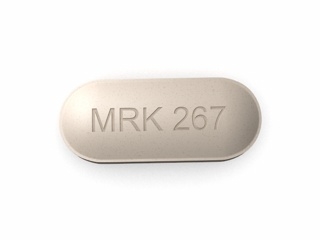

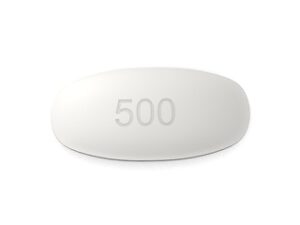
Maxalt (Rizatriptan) – Patient Information (Australia)
Maxalt contains rizatriptan, a medicine used to treat migraine attacks. It belongs to a group of medicines called triptans. Maxalt can help reduce migraine pain and associated symptoms such as nausea and sensitivity to light and sound.
This guide is designed to help you understand how Maxalt works, how to use it safely and effectively, and what to consider with other medicines, food, alcohol, and common practical situations. It’s written for people in Australia and includes information relevant to availability and guidance.
At a glance
- Active ingredient: Rizatriptan
- Medicine type: Triptan for acute migraine
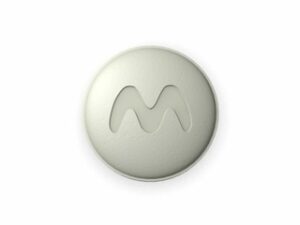
- Common forms: Tablets and orodispersible (“melt”) tablets depending on product range
- Use: For attacks of migraine (not for prevention)
- Works best: When taken early in the migraine attack
- Typical dosing: Often 5 mg or 10 mg per dose, with a maximum daily limit
Basic product information
Maxalt is available in strengths commonly used for migraine treatment. The exact strength and formulation can vary depending on local supply. Your healthcare professional or pharmacist can confirm the product you have.
| Item | What it means for you |
|---|---|
| Generic name | Rizatriptan |
| Brand name | Maxalt |
| Medicine class | Triptan (5-HT1B/5-HT1D receptor agonist) |
| Primary use | Acute treatment of migraine attacks |
| Not intended for | Continuous prevention of migraine |
How Maxalt works (mechanism of action)
Migraine involves changes in the brain’s blood vessels and nerves, including activation of pathways that release inflammatory substances. Rizatriptan helps by acting on specific serotonin receptors (5-HT receptors), particularly 5-HT1B and 5-HT1D.
In practical terms, Maxalt works by:
- Constriction of certain blood vessels involved in migraine
- Reducing release of inflammatory neuropeptides (which can contribute to pain and swelling)
- Altering pain signalling in migraine pathways
Pharmacokinetics: how the body processes rizatriptan
Pharmacokinetics describes what the body does with the medicine—how it is absorbed, distributed, metabolised, and eliminated. Understanding this can help you anticipate onset, duration, and how interactions may change effectiveness.
Absorption and onset
Rizatriptan is absorbed after oral use. How quickly it begins to work depends on the formulation and your individual circumstances. In general, triptans are most helpful when taken early in the migraine attack, though they are still used when symptoms are already established.
Distribution
After absorption, rizatriptan distributes into tissues, including reaching sites involved in migraine signalling.
Metabolism
Rizatriptan is primarily metabolised in the liver, with enzymes including monoamine oxidase A (MAO-A). This is important because some medicines that inhibit MAO-A can significantly increase rizatriptan levels.
Elimination
The medicine is eliminated primarily through the kidneys (urine) and via metabolic pathways. Kidney or liver impairment may affect how your body handles the drug, which can influence dosing.
Typical use: when and why Maxalt is taken
Maxalt is used for the acute treatment of migraine attacks in adults (and certain age groups depending on product guidance). It is aimed at:
- Relieving migraine headache pain
- Reducing accompanying symptoms such as nausea and light/sound sensitivity
- Returning you to normal activities as soon as possible
Maxalt is generally used only during an attack. It is not intended as a long-term prevention medicine. If your migraines are frequent, your healthcare professional may suggest preventive options as well.
Timing: how soon to take Maxalt
For best results, take Maxalt as early as possible once a migraine headache begins. If you experience an aura (such as visual disturbance) before the headache, take Maxalt when the migraine headache starts—unless your prescriber/pharmacist has instructed otherwise.
Practical timing tips:
- Take it at the start of your attack for better chance of relief.
- Don’t wait until the pain is severe if you can take it earlier.
- If symptoms improve then return, you may need a second dose later that day (within safe daily limits—see “Dosing” below).
Food interactions: can you take it with meals?
Food may affect absorption of some medicines. For rizatriptan, many people can take Maxalt with or without food. If you consistently find tablets act more slowly on a full stomach, you may prefer to take it with water and avoid very heavy meals during an attack.
Because individual responses vary, focus on what works best for you while keeping within recommended dosing and safety limits.
Alcohol and medicine interactions
Alcohol
Alcohol can trigger or worsen migraines in some people. If you notice your migraines are more frequent or severe after alcohol, consider avoiding alcohol during the periods leading up to typical attacks. In addition, alcohol may make you feel more unwell when you already have nausea or dizziness.
While there is no single rule for all individuals, the safest approach is to limit alcohol—especially when you’re experiencing migraine symptoms or taking any migraine medicine.
Medicine interactions (important)
Maxalt interactions can be serious. Always tell your pharmacist or healthcare professional about all medicines you use, including over-the-counter products, herbal supplements, and vitamins.
Key interaction areas include:
- MAO-A inhibitors: Medicines that inhibit MAO-A can significantly increase rizatriptan levels. This may increase the risk of side effects. Avoid combinations unless specifically advised.
- Other triptans: Do not take another triptan at the same time as Maxalt.
- Ergot medicines: Ergot-containing medicines (used for migraine or cluster headache) should not be used close together with triptans due to possible additive effects.
- Serotonergic medicines: Some antidepressants and other medicines that affect serotonin pathways may raise the risk of serotonin syndrome or other serotonin-related effects. Your pharmacist can advise on risk depending on your specific medicines.
Other medicines may also affect how rizatriptan works (or how your body clears it). In particular, inhibitors/inducers of liver enzymes can change blood levels of rizatriptan.
If you have a list of your current medicines, keep it handy for quick reference.
Indications: who Maxalt is for
Maxalt is indicated for the acute treatment of migraine attacks with or without aura. It is used in people who have been diagnosed with migraine. It is not intended for other types of headache.
Not for: treating sudden severe headaches that are different from your usual migraine, or headaches associated with warning signs (see “When to seek urgent help” in the Safety Profile section).
Dosing: how to take Maxalt safely
Dosing depends on age, formulation, and individual risk factors. Follow the instructions on the product label or as directed by your healthcare professional. The information below is general guidance.
Adults (general guidance)
- A typical starting dose may be 5 mg or 10 mg per migraine attack.
- If the migraine returns, a second dose may be taken later that day.
- Maximum doses per 24 hours depend on your strength and any interacting medicines.
Because maximum daily dose limits are safety-critical, check the exact dosing limits for your Maxalt strength and formulation. If you are unsure, ask your pharmacist before taking a repeat dose.
Children and adolescents
Use in younger people depends on local product information and clinical guidance. If you are considering Maxalt for a child or adolescent, speak to a healthcare professional to confirm suitability and correct dosing.
Orodipersible vs tablet (practical instructions)
Some brands/formulations may include orodispersible tablets. General tips:
- Tablets: swallow whole with water.
- Orodipersible tablets: place on the tongue and allow to dissolve before swallowing, using saliva; dry hands are helpful.
What to do if it doesn’t work
Migraine responses vary. If Maxalt doesn’t fully relieve your attack, you may still be able to try other strategies during the same episode, but you must avoid exceeding safe triptan dosing limits.
Do not take additional doses more frequently than recommended. If you consistently find a triptan is ineffective, discuss options with your healthcare professional—there may be alternative triptans or different acute treatments.
Safety profile: common side effects and serious warnings
Common side effects
Many people tolerate rizatriptan well. Common effects can include:
- Dizziness or sleepiness
- Headache or sensations of heaviness/tingling
- Nausea
- Flushing or a warm feeling
- Chest/throat tightness (usually temporary, but needs caution—see below)
Chest and throat symptoms
Some triptans may cause temporary tightness or pressure in the chest or throat. Although these symptoms can be benign, they can also resemble warning signs of a heart or lung condition.
If you experience chest pain, shortness of breath, fainting, severe or persistent symptoms, seek urgent medical help.
Serious risks to be aware of
- Heart and blood vessel problems: Triptans may not be suitable for people with certain cardiovascular diseases or risk factors. Your pharmacist can screen for contraindications.
- Stroke-like symptoms: Get urgent help if you have sudden weakness, face drooping, speech difficulties, or severe unusual neurological symptoms.
- Medication overuse headache: Using acute migraine medicines too often can worsen headaches.
- Serotonin syndrome (rare): Risk increases when combined with other serotonergic drugs.
When to seek urgent medical help
Get urgent help immediately if you have:
- A sudden “worst headache” or a headache that is very different from your usual migraine
- Signs of stroke (face drooping, arm weakness, speech trouble)
- Chest pain/pressure with sweating, breathlessness, or pain spreading to the arm/jaw
- Severe shortness of breath or fainting
- Severe allergic reaction symptoms (swelling of face/lips, hives, trouble breathing)
Practical use tips (to get the best outcome)
- Start early: take Maxalt at the start of your migraine headache.
- Hydrate: dehydration can worsen migraines. Sip water if you can.
- Reduce light and noise: rest in a dark, quiet room.
- Record what works: note the time you took Maxalt, your dose, and how well it worked. This helps refine your plan.
- Check your total use: avoid taking migraine acute treatments too frequently.
- Follow safe dosing limits: do not exceed the maximum daily number of doses.
Medication overuse headache: a key consideration
If acute migraine medicines are used too often, headaches can become more frequent and harder to treat. This is sometimes called medication overuse headache.
As a general principle, try not to use triptans on more than a limited number of days per month. If you need Maxalt frequently, speak with a healthcare professional about prevention strategies.
Alternative options for acute migraine
If Maxalt is not suitable or does not work well for you, there are alternative approaches. Your pharmacist or healthcare professional can help match the option to your needs and medical history.
Other triptans
Other triptan medicines may be available (examples include sumatriptan, zolmitriptan, and others). People sometimes respond differently to different triptans.
Non-triptan acute options
- NSAIDs (for some people): may help if taken early and if safe for you.
- Paracetamol (where appropriate): can help mild to moderate attacks.
- Newer classes (where available under local prescribing/supply guidance): including CGRP-related medicines for acute treatment.
Preventive migraine options
If your migraines occur often, preventive treatment can reduce attack frequency and severity. Preventive options may include lifestyle measures and medicines selected based on your profile.
Market and legal context for Australia
In Australia, medicines are regulated by the Therapeutic Goods Administration (TGA). Availability, packaging, and supply models are governed by Australian laws and professional standards. Information about product classification (for example, whether a medicine is prescription-only or another category) can vary by formulation and is controlled to support safe use.
Pharmacy teams follow guidance to ensure appropriate screening, supply, and counselling—especially for medicines like triptans that require assessment of medical history and interactions.
Recent guidance and good practice
Migraine care internationally emphasises:
- Early treatment during an attack
- Individualised therapy based on response and risk factors
- Avoiding medication overuse through monitoring of attack frequency and acute medicine use
- Considering preventive care when headaches are frequent or disabling
In Australia, clinicians may refer to national and international migraine guidance documents and local protocols when making treatment decisions. If your migraines change pattern or increase in frequency, it’s important to review your treatment plan.
Delivery and availability (online pharmacy)
Availability of Maxalt may depend on current supply. When ordering online, delivery timelines can vary by location and courier services.
- In-stock status: check the listing for current availability.
- Packaging: products are typically supplied in original manufacturer packaging.
- Storage: store tablets as directed on the package (usually at controlled room temperature, away from moisture and heat).
- Delivery: dispatch and delivery time estimates are usually shown at checkout.
If you need a particular strength or formulation (e.g., standard tablet vs orodispersible tablet), confirm it on the product page before placing an order.
FAQ
1) How fast does Maxalt work?
Many people notice symptom relief within a relatively short time after taking a dose, especially when taken early. Exact timing varies by formulation, the severity of the attack, and individual response.
2) Can I take Maxalt for migraine with aura?
Yes. Maxalt is used for migraine attacks with or without aura. Generally, take it when the migraine headache begins. If you’re unsure about the right timing for your particular pattern, ask a pharmacist or healthcare professional.
3) Can I take Maxalt with food?
Usually, yes—Maxalt can be taken with or without food. However, a very full stomach can sometimes slow how quickly medicines feel like they work. Many people prefer taking it with water when they notice migraine symptoms starting.
4) What if my migraine comes back later?
Some migraine attacks return after initial improvement. A second dose may be appropriate later that day, provided you stay within the recommended maximum daily limit for your strength and formulation.
5) How many days per month can I use Maxalt?
There isn’t one rule for everyone, but using triptans too frequently can contribute to medication overuse headache. If you need Maxalt often, discuss prevention options and an overall plan with a healthcare professional.
6) Can I drink alcohol when I have migraine and need to take Maxalt?
Alcohol can trigger or worsen migraines in some people. For safety and to reduce the chance of worsening symptoms, it’s best to limit alcohol—especially during an attack. If you choose to drink, do so cautiously and avoid mixing with additional medicines that may worsen drowsiness or nausea.
7) Are there medicines I should not combine with Maxalt?
Yes. Interactions can include MAO-A inhibitors, other triptans, and ergot-containing medicines. Some antidepressants or other serotonergic medicines may also require caution. Always check with a pharmacist or refer to your medicine’s product information.
8) Who should be extra careful with Maxalt?
People with certain cardiovascular conditions, uncontrolled high blood pressure, significant risk factors, or history of stroke-like events may not be suitable for triptans. Kidney or liver impairment can also affect dosing. A pharmacist can help assess suitability based on your history.
9) What should I do if I miss a dose?
Maxalt is taken only when you need it for a migraine attack. If you don’t have an attack, you typically don’t take it. If you’re unsure, follow the guidance provided with your product or consult a pharmacist.
10) Can Maxalt be used during pregnancy or breastfeeding?
This depends on individual circumstances. If you are pregnant, trying to conceive, or breastfeeding, discuss risks and benefits with a healthcare professional before using rizatriptan.
Important note
This page provides general information about Maxalt (rizatriptan). It does not replace advice from a healthcare professional. If you have questions about suitability, dosing limits, or interactions with your other medicines, ask a pharmacist.