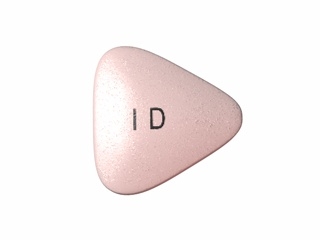

Voveran (Diclofenac) – Patient Information
Voveran contains diclofenac, a medicine from the non-steroidal anti-inflammatory drug (NSAID) family. It is used to reduce pain, inflammation, and swelling associated with a range of conditions.
This guide is designed to help you understand how diclofenac works, what it’s commonly used for, how to take it safely, and what to watch for. Always follow the instructions provided with your product and speak with a healthcare professional if you’re unsure.
Key Product Details
| Feature | Information |
|---|---|
| Active ingredient | Diclofenac (NSAID) |
| Medicinal type | Anti-inflammatory and pain-relieving |
| Common forms (varies by product) | Tablets/capsules, slow-release (depending on brand/strength), and may be available in other presentations (e.g., topical) depending on market supply |
| How it helps | Reduces inflammation and pain |
| Common reasons for use | Arthritic conditions, acute musculoskeletal pain, and other inflammatory pain states (see “Typical Use”) |
How Voveran Works (Mechanism of Action)
Diclofenac works by affecting the body’s chemical pathways that drive pain and inflammation.
- COX enzymes: Diclofenac inhibits cyclooxygenase (COX) enzymes, which are involved in making prostaglandins.
- Lower prostaglandins: Prostaglandins contribute to pain sensation, inflammation, and fever.
- Result: Less inflammation and pain, leading to symptom relief.
Important: By reducing prostaglandins, NSAIDs can also reduce protective functions in the stomach and affect kidneys and blood clotting, which is why safety matters.
Pharmacokinetics (How the Body Handles Diclofenac)
Understanding how diclofenac is absorbed, distributed, and eliminated can help you take it more effectively.
- Absorption: Diclofenac is absorbed from the gastrointestinal tract. The speed and extent of absorption can vary depending on the formulation (e.g., immediate vs slow-release).
- Distribution: It binds to plasma proteins and distributes into tissues.
- Metabolism: It is mainly metabolised in the liver.
- Elimination: Metabolites are eliminated primarily via the kidneys (and to some extent via bile).
- Half-life: Diclofenac’s active effects typically persist for several hours, but exact duration depends on dose and formulation.
Practical implication: Dosing frequency is determined by how long the medicine works and the specific product strength/type.
Typical Use: What Voveran is Used For
Diclofenac is used to treat pain and inflammation in conditions such as:
- Arthritis and joint inflammation
- Osteoarthritis
- Rheumatoid arthritis
- Ankylosing spondylitis
- Inflammatory and painful musculoskeletal conditions
- Back pain
- Shoulder pain
- Sprains and strains
- Tendon-related pain
- Acute pain states where inflammation contributes to discomfort (depending on local availability and product indication)
Note: The exact approved indications can depend on the specific product and formulation available in Australia. Always refer to the consumer medicine information provided with your Voveran brand.
Indications: When Diclofenac May Be Considered
Diclofenac is generally considered when you need relief from inflammatory pain. Healthcare professionals weigh benefit against potential risks, particularly in people with:
- Stomach ulcers or history of gastrointestinal bleeding
- Kidney disease
- Uncontrolled high blood pressure or significant heart disease
- Asthma that worsens with NSAIDs
- Concurrent use of interacting medicines (see “Medicine Interactions”)
If you have any of these risk factors, talk to a healthcare professional before using diclofenac.
How to Take Voveran: Timing and Dosing
Follow the directions on your product label or the instructions given by a healthcare professional. Dosing depends on the strength and formulation (e.g., immediate-release vs slow-release) and on the condition being treated.
General dosing principles (patient-friendly)
- Use the lowest effective dose for the shortest possible time.
- Do not exceed the maximum daily dose stated on the package information.
- Take regularly at the recommended intervals if symptoms persist.
- If symptoms improve: consider reducing frequency or stopping when appropriate.
Typical timing
Many patients find it helpful to plan doses around symptoms:
- Morning/afternoon/evening dosing is common for immediate-release forms.
- Slow-release products are taken less frequently, but must be used exactly as directed.
Tip: Set reminders to avoid accidental extra dosing—NSAIDs are sometimes taken more frequently than intended, increasing risk.
Dosing examples (always check your specific product)
Because products and strengths vary, the following are examples of how dosing is commonly structured, not instructions to take a specific dose:
- Immediate-release tablets: often taken multiple times per day, spaced evenly.
- Slow-release/modified-release forms: often taken once or twice daily depending on strength and local directions.
If you tell us the exact Voveran strength (e.g., mg) and formulation (e.g., “slow release”), you can cross-check timing against the label guidance.
Food Interactions: Taking With or Without Meals
Food can influence how diclofenac is tolerated rather than whether it works. For many people, taking diclofenac with food can reduce stomach irritation.
- General advice: Take with or after food to minimise the chance of stomach upset.
- Avoid empty stomach: If you experience heartburn, nausea, or stomach pain, taking with food may help.
- Do not crush: If your product is a slow-release or modified-release form, do not crush or split unless the package states it’s safe.
If you experience ongoing gastrointestinal symptoms, seek advice from a pharmacist or clinician.
Alcohol Interactions
Combining alcohol with NSAIDs can increase the risk of stomach irritation and gastrointestinal bleeding.
- Best practice: Avoid alcohol or keep it minimal while using diclofenac.
- Higher risk situations: Heavy drinking or a history of ulcers increases the risk of complications.
Seek urgent help if you notice symptoms such as black/tarry stools, vomiting blood, or severe stomach pain.
Medicine Interactions: Common Interactions to Watch For
Diclofenac can interact with other medicines. The key concern is increased bleeding risk, kidney effects, or stomach complications.
Medicines that may increase gastrointestinal or bleeding risk
- Other NSAIDs (e.g., ibuprofen, naproxen, aspirin for pain): increased risk of stomach and kidney problems.
- Anticoagulants (e.g., warfarin, apixaban, rivaroxaban): higher bleeding risk.
- Antiplatelet medicines (e.g., clopidogrel, some aspirin regimens): increased bleeding risk.
Medicines that may affect kidneys or fluid balance
- ACE inhibitors or angiotensin receptor blockers (ARBs) (for blood pressure/heart conditions)
- Diuretics (“water tablets”)
- Some diabetes medicines may require monitoring depending on your overall regimen
Other relevant interactions
- Selective serotonin reuptake inhibitors (SSRIs) (for depression/anxiety) can increase bleeding risk when combined with NSAIDs.
- Corticosteroids may increase gastrointestinal side effects.
- Methotrexate (for certain inflammatory conditions) may require dose adjustments and monitoring.
- Lithium can interact, potentially increasing lithium levels.
Always tell a pharmacist about all medicines you take, including over-the-counter products and supplements.
Safety Profile: Who Should Be Careful
Diclofenac can be very effective for pain relief, but it has potential risks. People with certain health conditions or who take interacting medicines should be especially cautious.
Potential serious side effects (seek urgent medical help)
- Signs of allergic reaction: swelling of face/lips, trouble breathing, rash, wheezing.
- Serious stomach bleeding: black/tarry stools, vomiting blood, severe persistent stomach pain.
- Chest pain, shortness of breath, sudden weakness (possible cardiovascular event symptoms).
- Reduced urination or sudden swelling (possible kidney-related issues).
- Severe skin reactions (rare but serious): blistering rash or peeling skin.
Common side effects
- Indigestion, heartburn, nausea
- Stomach discomfort
- Headache or dizziness
- Swelling (fluid retention) in some people
If side effects are persistent or worsening, stop and seek advice promptly.
Practical Use Tips (How to Get the Best Results Safely)
- Start low and reassess: Consider the lowest effective dose and review whether you still need it after a short period.
- Combine with non-medicine strategies: Rest, gentle movement, heat/cold therapy, physiotherapy, and stretching often improve outcomes for musculoskeletal pain.
- Stay hydrated: Adequate fluid intake can support kidney function, especially if you’re also taking diuretics or ACE inhibitors.
- Monitor your body: If you develop stomach pain, unusual bruising, or breathlessness, stop and contact a healthcare professional.
- Don’t “double up” on NSAIDs: Avoid taking diclofenac alongside other NSAIDs.
- Keep a medication list: Include dose and frequency; show it to your pharmacist if you change treatment.
Alternative Options for Pain and Inflammation
If diclofenac isn’t suitable for you, there may be other options. The best alternative depends on your condition, age, medical history, and risk factors.
Common alternatives
- Other NSAIDs (may be suitable for some people): your pharmacist can compare risks and benefits.
- Paracetamol (acetaminophen) for pain where inflammation is less prominent; may be gentler on the stomach for some people.
- Topical NSAIDs (e.g., diclofenac gel) for localised joint or muscle pain, potentially with lower systemic exposure.
- Non-drug approaches such as physiotherapy, exercise programs, braces/supports, and weight management for arthritis-related pain.
- Prescription options for inflammatory conditions may be considered by a clinician when NSAID risks are high.
Tip: If you have frequent flares or long-term pain, ask about a long-term plan (not just short-term pain relief).
Voveran in the Australian Market: Legal/Regulatory Context
In Australia, medicines are regulated through the Therapeutic Goods Administration (TGA) and classified according to risk and appropriate access pathways. Whether a particular diclofenac product is available over-the-counter or requires additional supply requirements can vary by brand and strength, and by product category.
- TGA-approved product information exists for the specific formulation you purchase.
- Pharmacist involvement may be required for certain strengths or specific circumstances to ensure safe use.
- Always use the exact product you ordered and read the label directions carefully.
Safety communications and prescribing practices can also evolve based on emerging evidence. For that reason, it’s wise to check the product’s current consumer medicine information and follow any recent updates provided by healthcare authorities or your pharmacist.
Recent Guidance and Evidence Considerations (General)
In recent years, global safety reviews have focused on NSAID risks, particularly:
- Cardiovascular risk (e.g., heart attack or stroke) with some NSAIDs, especially at higher doses or longer durations.
- Gastrointestinal risk (ulcers and bleeding), increased by dose, duration, and risk factors.
- Kidney risk, particularly in people who are dehydrated or have kidney disease, and in certain combinations of blood pressure medicines.
Because individual risk varies, clinicians often recommend:
- Using the lowest effective dose
- Using NSAIDs for the shortest reasonable time
- Reviewing treatment if symptoms persist
Seek medical review if pain lasts longer than expected or if you need repeat courses frequently.
Delivery and Availability (Australia)
Online pharmacies in Australia typically offer delivery options across metropolitan areas and regional locations. Availability can depend on stock levels, formulation, and strength.
- Delivery times: vary by provider and location.
- Packaging: medicines are usually supplied in original packaging with patient information.
- Order updates: you may receive tracking or status updates depending on the service.
Tip: Check the product’s specific form (e.g., immediate vs slow release) and strength before ordering or taking your first dose.
FAQ: Voveran (Diclofenac)
1) Is Voveran the same as other diclofenac products?
Voveran contains diclofenac. Other brands may contain the same active ingredient but can differ in strength, release type, and instructions. Always follow the label for your specific product.
2) How quickly does diclofenac start working?
Many people feel some pain relief within a few hours, though response varies by condition and formulation. If you don’t notice improvement within a reasonable timeframe, consider speaking with a pharmacist or clinician.
3) Can I take Voveran with food?
Yes. Taking diclofenac with or after food may reduce stomach discomfort. Avoid taking on an empty stomach if you’re prone to indigestion.
4) Can I drink alcohol while using diclofenac?
It’s best to avoid or minimise alcohol. Alcohol increases the chance of stomach irritation and bleeding when combined with NSAIDs.
5) Can I take it with other pain relievers?
Avoid taking other NSAIDs at the same time (e.g., ibuprofen, naproxen). If you’re unsure about combining medicines, ask a pharmacist. Paracetamol may be an option for some people, but confirm based on your health history.
6) What should I do if I miss a dose?
Take it when you remember unless it’s close to the next dose. Do not take a double dose to make up for the missed one. If you’re unsure, check the product leaflet or ask your pharmacist.
7) How long can I use Voveran?
Use diclofenac for the shortest time needed and reassess if symptoms continue. If you need ongoing use or frequent repeat courses, seek advice for a longer-term plan.
8) Who should not use diclofenac?
People with certain conditions (such as a history of NSAID-related allergic reactions, active stomach ulcer/bleeding, significant kidney disease, or specific heart risk profiles) may need to avoid diclofenac or use it only with medical advice. If you’re unsure, speak with a pharmacist.
9) Are there warning signs I should watch for?
Yes—seek urgent help for allergic symptoms, black/tarry stools, vomiting blood, severe stomach pain, unexplained shortness of breath, chest pain, or sudden weakness/numbness.
10) Can diclofenac affect my blood pressure?
NSAIDs can sometimes raise blood pressure or affect fluid balance. If you have hypertension or are on blood pressure medications, monitor symptoms and seek advice if anything changes.
Summary
Voveran (diclofenac) is an NSAID used to reduce pain and inflammation caused by conditions such as arthritis and musculoskeletal injuries. It works by lowering prostaglandins through COX enzyme inhibition. While it can provide effective relief, it also carries risks—particularly to the stomach, kidneys, and cardiovascular system—so careful use is important.
To use diclofenac safely: take it as directed, consider taking it with food, avoid combining with other NSAIDs, be cautious with alcohol, and promptly seek help if you notice serious side effects.