Xylocaine (Lidocaine) — Patient Guide (Australia)
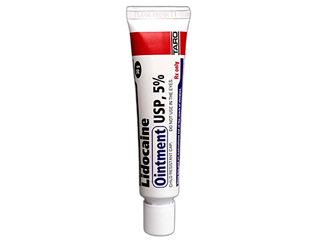
Xylocaine is a brand name for lidocaine, a local anaesthetic medicine used to numb pain or discomfort in specific areas of the body. It can be used on the skin, in the mouth and throat, on mucous membranes, or—depending on the product form—in other clinical settings. This guide explains how lidocaine works, what to expect, how it is typically used, and important safety information for people in Australia.
Note: Always follow the instructions on the specific Xylocaine product you have purchased (gel, spray, viscous liquid, injection, patch or another form) and any advice from a healthcare professional.
Basic product information
- Active ingredient: Lidocaine (as lidocaine hydrochloride in many formulations)
- Brand name: Xylocaine
- Medicine type: Local anaesthetic (also used as an anti-arrhythmic in certain hospital settings with other dosing regimens)
- How it works: Blocks nerve signals in the area applied
- Available forms (may vary by product): creams/ointments, gels, sprays, viscous solutions, patches, and injections (in clinical settings)
- Common places it may be used: mouth/throat, gums, skin, small procedural areas, and certain pain-related applications
In Australia, the exact availability of product forms and strengths depends on brand, formulation, and supply arrangements. Your pharmacist can help confirm which Xylocaine product is suitable and how to use it correctly.
How Xylocaine works (mechanism of action)
Lidocaine works by reversibly blocking sodium channels on nerve cells. Sodium channels are essential for the “action potentials” that carry pain signals. By blocking these channels, lidocaine:
- Reduces or stops transmission of pain messages from the treated area
- Produces local numbness (anaesthesia) or temporary pain relief
- May also dampen abnormal electrical signals in specialised medical uses
The effect starts relatively quickly in many topical and mucosal forms. How quickly and how long it lasts depends on:
- The product type (gel vs spray vs viscous liquid, etc.)
- The site (skin vs mouth/throat vs other mucosa)
- Amount applied and whether tissues are intact
- Condition of the area (e.g., inflamed tissue may absorb differently)
Pharmacokinetics (how the body handles lidocaine)
“Pharmacokinetics” describes what the body does to a medicine—absorption, distribution, metabolism and elimination.
Absorption
- Topical/mucosal use: Absorption can occur through skin or mucous membranes.
- Intact skin: Absorption tends to be lower compared with mucosal surfaces or broken skin.
- Damaged/inflamed tissue: Absorption may increase.
Distribution
- Lidocaine can be distributed into tissues.
- When higher systemic absorption occurs, effects may spread beyond the local area.
Metabolism
- Lidocaine is mainly metabolised by the liver.
- People with significant liver impairment may have higher drug levels for longer.
Elimination
- Elimination occurs primarily via the kidneys as metabolites.
- Clinical effects generally resolve as the drug level declines.
Because lidocaine can be absorbed more than expected when used on large areas, under occlusion, or on broken skin, correct dosing and application are important.
Typical uses and indications
Lidocaine is used to numb a specific area to relieve pain or discomfort associated with minor procedures or conditions. Indications can vary by country and product form; in Australia, your exact product instructions should be followed.
Common indications for lidocaine products
- Local pain relief on the skin (depending on product type and strength)
- Temporary numbing in the mouth or throat for certain discomforts (e.g., viscous formulations used under professional direction)
- Adjunct in minor medical or dental procedures to reduce pain sensation (in clinical settings)
- Symptomatic relief of pain associated with superficial irritation (as directed by the product instructions)
Important: product-specific labels matter
Different Xylocaine formulations are intended for different sites and uses. A product labelled for mouth/throat should not be substituted for a skin-only product.
Timing: when it starts working and how long it lasts
Onset and duration vary by formulation and site, but many lidocaine products follow these general patterns:
- Onset: often within minutes for topical/mucosal applications
- Peak effect: typically soon after onset
- Duration: commonly lasts from around 30 minutes to a few hours, depending on the product, amount used, and the area treated
Practical tip: Because numbing can reduce normal sensation, avoid biting or chewing on numb areas. Food and drinks may feel “odd” or temperature may not be correctly sensed.
Dosing: general principles (and why you must follow your product label)
Dosing instructions differ significantly between lidocaine formulations (for example, gel vs spray vs viscous solution vs patches). Always use the dose and frequency stated on the package or as advised by a healthcare professional.
General dosing principles
- Use the smallest effective amount.
- Apply to the correct area only.
- Do not exceed the maximum frequency or dose.
- Avoid applying to large areas unless specifically directed.
- Do not use under tight occlusion (e.g., covered tightly) unless told to do so.
Children, older adults, and special groups
Children may be more vulnerable to systemic side effects if too much is used. Older adults may be more sensitive to effects and may have age-related liver or kidney changes. If you are in either group, check the product instructions carefully and seek advice if anything is unclear.
When professional assistance is important
If numbness is needed for a procedure (dental, minor surgical, or other clinical use), dosing should follow professional protocols and the correct product form.
Food interactions
Topical lidocaine products usually have minimal direct “food-drug” interactions because they act locally. However, if you are using a lidocaine product in the mouth or throat, food and drink timing matters for safety.
Food considerations (especially mouth/throat products)
- Avoid hot drinks/food until sensation returns, as numbness can delay detection of heat and cause burns.
- Take care with chewing and swallowing. Numbness may increase the risk of biting the cheek or tongue, or choking if swallowing feels impaired.
- Follow package instructions on eating/drinking after use. If not specified, a cautious approach is to wait until full sensation returns.
For skin applications, normal food intake typically does not meaningfully affect lidocaine effectiveness. Still, if you have nausea, dizziness, or unusual symptoms, speak with a pharmacist or doctor.
Alcohol and medicine interactions
Lidocaine can affect the nervous system and—at higher systemic levels—may influence heart rhythm and breathing. Alcohol does not “cancel” lidocaine, but it can increase the risk of dizziness, drowsiness, impaired coordination, and may complicate recognition of side effects.
Alcohol
- Use caution with alcohol, especially if you notice dizziness, light-headedness, or unusual sensations after using lidocaine.
- Avoid drinking if you think you may have used more than recommended or applied to a large area.
Other medicine interactions (common areas to consider)
Because lidocaine metabolism involves liver pathways, drug interactions can occur. Tell your pharmacist or healthcare professional about all medicines you use, including:
- Other local anaesthetics (risk of additive effects)
- Anti-arrhythmic medicines (in hospital settings) or medicines affecting heart rhythm
- Medicines that can affect liver enzymes (certain anti-epileptics, antibiotics, or other treatments may influence lidocaine levels)
- Medicines that may cause drowsiness (interaction risk for sedation symptoms if systemic absorption occurs)
Important: If you are using multiple products containing local anaesthetics, the total exposure may increase. Check labels carefully.
Safety profile: side effects and warnings
Like all medicines, lidocaine can cause side effects. Most people tolerate it well when used correctly, but systemic toxicity and allergic reactions are possible—especially with excessive dosing or inappropriate application.
Common or mild side effects
- Mild burning, tingling or numbness at the application site
- Temporary redness or irritation
- Dryness or mild swelling (depending on site)
Serious side effects (seek urgent help)
Contact urgent medical care or the Poisons Information Centre promptly if you develop symptoms suggesting systemic lidocaine toxicity or a severe reaction. Warning signs may include:
- Dizziness, fainting, severe drowsiness
- Tinnitus (ringing in ears), blurred vision
- Numbness spreading beyond the intended area
- Tremor, muscle twitching, seizures
- Slowed or irregular heartbeat, chest pain, shortness of breath
- Allergic symptoms such as swelling of the face/lips, wheezing, or difficulty breathing
If severe symptoms occur, call emergency services (000 in Australia). For urgent advice in non-emergency situations, contact the Poison Information Centre (Australia) or your nearest emergency department.
Who should be extra cautious
- People with liver disease (lidocaine metabolism may be reduced)
- People with heart rhythm problems or cardiac conduction disorders
- People with a history of allergy to local anaesthetics
- Very young children (higher sensitivity to dosing errors)
- Pregnancy or breastfeeding: discuss with a pharmacist or doctor for product- and dose-specific advice
Do not use on
- Large areas of broken skin unless specifically directed
- Deep wounds, unless under medical guidance
- Areas where the product label does not indicate intended use
Practical use tips (getting the best and safest results)
Before you apply
- Read the product label carefully (site, strength, dose amount, frequency).
- Wash and dry the area unless instructions say otherwise.
- Check the expiry date and packaging integrity.
- If the area is infected or severely inflamed, ask a pharmacist before using.
During application
- Apply only to the targeted area.
- Avoid getting the medicine in the eyes.
- Wash hands after use (unless the product is specifically for hand use).
- If using an applicator, follow instructions to avoid contamination and over-application.
After application
- Avoid eating/drinking if numbness is in the mouth/throat until sensation returns.
- Do not apply heat (e.g., heating pads) to the numb area unless instructed—numbness can increase burn risk.
- Stop using and seek advice if symptoms worsen, persist, or you suspect infection.
Alternative options
Depending on the reason you need pain relief, other medicines or non-medicine approaches may be appropriate. Alternatives include:
Other local anaesthetics (different actives)
- Benzocaine (in some topical and oral preparations)
- Prilocaine (formulation-specific)
Non-local anaesthetic pain relief options
- Cooling measures (for minor irritation or post-procedure discomfort)
- Oral analgesics such as paracetamol (acetaminophen) or ibuprofen for general pain, where suitable
- Anti-inflammatory treatments if swelling is present (product- and condition-dependent)
When you should get advice instead of switching
- Severe pain, spreading redness, pus, fever
- Pain lasting beyond expected recovery
- Numbness that does not wear off
A pharmacist can help compare options based on symptoms, location of pain, and your medical history.
Market and legal context for Australia
Medicine availability in Australia depends on how a product is classified (e.g., Prescription Only Medicine, Pharmacist Only Medicine, Pharmacy Medicine, or General Sale Medicine) and the approved formulation details for that product. Local anaesthetics such as lidocaine may be supplied in different categories depending on:
- The strength of the lidocaine
- The formulation (e.g., certain high-strength or injection forms typically require medical supervision)
- The intended site of application
- Safety considerations for consumers
All medicines sold in Australia must comply with regulatory requirements covering manufacturing quality, labelling, and supply. Your online pharmacy should provide clear product information, including directions for use and safety precautions.
Recent guidance and changing information
Regulatory advice can evolve (for example, updates to product labelling, warnings, or supply categories). When ordering, check that your product listing matches the exact formulation and strength you need, and keep packaging instructions for reference.
Delivery and availability (online pharmacy)
Availability of Xylocaine and the specific form/strength can vary. When ordering online in Australia, you can generally expect:
- Clear product pages that specify the formulation (e.g., gel, spray, viscous liquid, patch) and strength
- Ordering support from pharmacists if clarification is needed
- Standard delivery times that depend on your location and courier service
- Secure packaging to protect the product
To ensure correct use, keep the medicine’s packaging and instructions together with your purchase record.
FAQ
1) What is Xylocaine used for?
Xylocaine (lidocaine) is used to numb a specific area to relieve pain or discomfort. What it’s used for depends on the product form (skin, mouth/throat, or other targeted sites) and the label directions.
2) How fast does lidocaine work?
Many topical and mucosal lidocaine products begin working within minutes. Peak effect typically occurs shortly after application. Duration varies by formulation and the area treated.
3) How long does the numbness last?
For many lidocaine products, numbness may last from around 30 minutes to a few hours. If numbness is lasting far longer than expected, or if you notice spreading numbness, contact a pharmacist or medical service for advice.
4) Can I eat or drink after using Xylocaine in the mouth?
If numbness is in the mouth or throat, it’s important to avoid food and drinks that could be too hot, and to be cautious with swallowing. Follow the package instructions; if unsure, wait until full sensation returns.
5) Is lidocaine safe to use on broken skin?
Absorption can increase on broken or inflamed skin. Use only if the product label allows it and follow the dose exactly. If you’re unsure, ask a pharmacist.
6) What should I do if I accidentally use too much?
If you suspect excessive dosing—especially on large areas or in children—seek advice promptly. In Australia, you can contact a Poisons Information Centre or emergency services if symptoms are severe.
7) Can I use Xylocaine with other medicines?
Many medicines can be used alongside lidocaine when used correctly, but interactions are possible—particularly with other local anaesthetics or medicines that affect the liver or heart rhythm. Tell your pharmacist about your current medicines.
8) Can I drink alcohol while using lidocaine?
Alcohol may increase dizziness or drowsiness and make side effects harder to recognise. Use caution and avoid alcohol if you notice unusual symptoms or if there is concern about overuse.
9) Who should avoid lidocaine or check first?
Check first if you have liver disease, heart rhythm problems, a history of allergy to local anaesthetics, are pregnant or breastfeeding, or you are using the product for a child.
10) What if my pain gets worse or doesn’t improve?
Discontinue use and seek advice. Pain that worsens, lasts longer than expected, or is accompanied by redness, swelling, pus, or fever may indicate a condition that needs assessment.
Summary
Xylocaine (lidocaine) provides targeted local numbness by blocking nerve signals. When used correctly according to the specific product label, it can offer quick, temporary relief for appropriate indications. Because lidocaine can be absorbed into the body—especially with incorrect dosing or application to larger areas—always follow dose instructions closely, avoid hot foods/drinks if used in the mouth/throat, and seek urgent help if you experience severe or unusual symptoms.
For the safest results: choose the correct formulation for the site, use the smallest effective dose, and keep an eye on how quickly numbness wears off and whether any side effects occur.