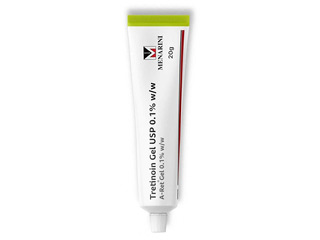
A-Ret (Tretinoin) — Patient-Friendly Information (Australia)
A-Ret contains tretinoin, a medicine used mainly for skin conditions such as acne and for certain types of sun-damaged skin. Tretinoin helps to improve the way skin cells grow and shed, which can reduce clogged pores and support clearer, smoother-looking skin over time.
This page explains how A-Ret works, how to use it safely and effectively, and what to expect. It is written for patients in Australia and includes practical tips and common questions.
Key Product Information
- Active ingredient: Tretinoin
- Common form: Topical cream/gel (formulation strength varies by product)
- Use: Acne and selected dermatology indications (varies by formulation and local guidance)
- Where it works: On the surface layers of the skin (topical use)
- Typical timeline: Gradual improvement, with early dryness/irritation possible
How Tretinoin Works (Mechanism of Action)
Tretinoin is a member of the retinoids (vitamin A–related medicines). When applied to the skin, it helps normalise cell turnover and affects how keratinocytes (skin cells) behave inside hair follicles.
The main actions include:
- Normalising shedding of skin cells inside pores, reducing blockage
- Preventing formation of microcomedones (early clogged pores)
- Reducing inflammation associated with acne
- Supporting skin texture changes over time in some photoageing conditions
Because tretinoin works by changing cell turnover, results are usually not immediate. It often takes weeks to see meaningful improvement.
Pharmacokinetics (How the Body Handles It)
With topical tretinoin, only a small amount typically absorbs through the skin. The medicine largely stays in the outer layers of the skin where it exerts its effects.
Key general points:
- Absorption: Usually limited for most patients when used as directed.
- Metabolism & elimination: Any absorbed fraction is expected to be metabolised and cleared similarly to related retinoids.
- Systemic exposure: Typically low compared with oral retinoids.
Your actual exposure can be higher if the product is used too frequently, applied to broken/irritated skin, or used over large areas without guidance. Using a gentle routine can reduce unnecessary absorption and irritation.
Typical Uses in Clinical Practice
Tretinoin is commonly used for:
- Acne: Including comedonal acne (blackheads/whiteheads) and inflammatory acne as part of an overall plan.
- Photoageing and texture changes: Some formulations/strengths are used to improve uneven tone and fine wrinkles in selected patients.
The exact indication depends on the product formulation, strength, and local clinical guidance. Always follow the directions supplied with your A-Ret product and any advice from your healthcare professional.
When to Apply & Expected Timing
Tretinoin is usually applied in the evening to reduce exposure to sunlight and because skin may be more tolerant at night.
Typical start-up timeline
| Time period | What many people notice | What to do |
|---|---|---|
| Days 1–14 | Dryness, mild redness, peeling, or tightness (sometimes acne may look worse briefly) | Use a gentle moisturiser, reduce frequency if irritated, and avoid harsh products |
| Weeks 3–6 | Less clogged pores; some new spots may still occur | Stay consistent; apply the correct amount |
| Weeks 8–12 | More noticeable improvement in acne and/or skin texture | Continue maintenance routine; protect from sun |
| Beyond 3 months | Ongoing refinement; slower changes in texture may continue | Maintain if tolerated; review with your healthcare professional if no improvement |
How to apply
- Apply to clean, completely dry skin.
- Use a pea-sized amount for the whole face (or follow product directions for area/amount).
- Spread thinly—avoid thicker layers, which do not necessarily work faster and may increase irritation.
- Consider the “moisturiser sandwich” approach if you’re sensitive:
- Moisturiser → wait 10–20 minutes → apply a thin layer of tretinoin → moisturiser again if needed.
Food Interactions
Because A-Ret is applied to the skin, it is generally not affected by food. There are typically no direct food interactions expected with topical tretinoin.
If you take other medicines (including oral treatments for acne), follow the advice for those specific medicines. Skin irritation may still be influenced by overall skincare practices, not food.
Alcohol & Medicine Interactions
Alcohol
Topical tretinoin does not have a classic direct interaction with alcohol in the way some medicines do. However:
- Avoid applying A-Ret over skin that is stressed, inflamed, or freshly shaved.
- If alcohol-containing skincare products (like certain toners) are used, they may increase dryness and stinging—consider switching to gentle, alcohol-free options.
Interactions with other medicines (topical)
Using tretinoin alongside other products that also irritate skin can increase redness and peeling. Common examples include:
- Other strong exfoliants (e.g., high-strength alpha/beta hydroxy acids)
- Harsh cleansers, scrubs, or abrasive brushes
- Products with benzoyl peroxide: these can be used by some patients, but timing matters to reduce irritation (see practical tips below)
- Other retinoids or vitamin A–related products
- Products containing alcohol that can be drying
Interactions with other medicines (systemic)
Systemic interactions are less common because topical absorption is usually limited. However, let your healthcare professional know if you:
- Use other retinoid-containing medicines
- Have a history of severe eczema or sensitive skin
- Take medicines that affect skin sensitivity (rarely relevant, but important context for your clinician)
Indications (What It’s Used For)
In practice, tretinoin is indicated for skin conditions where improving cell turnover and reducing pore blockage is beneficial. Typical indications include:
- Acne: especially comedonal acne; may be part of combination regimens for more severe acne
- Photoageing / fine wrinkles / uneven pigmentation: in selected patients depending on product strength and formulation
Your suitability depends on your skin type, sensitivity, and the exact product you have. If you are unsure whether A-Ret is appropriate for your condition, speak with a pharmacist or healthcare professional.
Dose & How Often to Use (Patient Guidance)
The appropriate frequency depends on tolerance. A common approach is to start slowly and build up.
Common dosing strategy for topical tretinoin
- Start: typically 2–3 nights per week for the first 2 weeks (if irritation occurs, use less frequently)
- Increase: once tolerated, increase to nightly or as directed
- Stop and reassess: if severe burning, significant swelling, or blistering occurs
Important: Use only a thin layer. More medicine does not equal faster results and can increase side effects.
How much to apply (the “pea rule”)
For most adults, a pea-sized amount is enough to cover the entire face. For smaller treatment areas, use less (and spread thinly).
Safety Profile & Side Effects
Like all medicines, A-Ret can cause side effects. Many are related to skin irritation, especially during the first weeks.
Common side effects
- Dryness
- Redness
- Peeling or flaking
- Tight or sensitive skin
- Stinging or mild burning sensation
- Temporary flare of acne
Less common but important effects
- Severe irritation, swelling, or blistering
- Crusting, oozing, or signs of dermatitis
- Allergic-type reactions (itching, widespread rash)
When to seek medical advice promptly
Seek advice urgently if you experience:
- Severe burning pain or swelling
- Blistering or weeping lesions
- Facial swelling affecting eyes, lips, or breathing
Sun sensitivity (photosensitivity)
Tretinoin can increase irritation from sunlight and UV exposure. Daily sun protection is essential:
- Use a broad-spectrum sunscreen (SPF 30+)
- Wear hats or protective clothing when outdoors
- Avoid sunlamps and excessive tanning
Practical Use Tips (How to Get the Best Results)
Start gently
Many patients do better when they begin with fewer applications and gradually increase frequency after skin settles.
Keep your skincare routine simple
- Use a gentle, fragrance-free cleanser
- Moisturise regularly (especially on non-treatment nights)
- Avoid physical scrubs and harsh toners
Timing tips with other acne treatments
If your routine includes other acne medicines, timing can reduce irritation. General approaches include:
- Benzoyl peroxide: Some patients tolerate using it on alternate mornings rather than mixing at the same time.
- Salicylic acid: Consider spacing products out (e.g., alternate nights) and stop if irritation becomes significant.
Because products vary, check the labels and consider speaking with a pharmacist about a combined plan.
Avoid treated areas for irritation
- Avoid the corners of the nose, mouth, and eyelids
- Avoid application to broken skin (cuts, eczema patches, sunburn)
- Use sunscreen to minimise post-inflammatory dark marks
Makeup and sunscreen use
You can typically use sunscreen and non-comedogenic cosmetics. Make sure you remove makeup gently at the end of the day.
What about “purging”?
Some people experience a short-term increase in acne spots during the first weeks. This is often temporary and related to changes in pore turnover. If your skin becomes severely inflamed or painful, reduce frequency or seek advice.
Alternative Options (If You Need Another Approach)
There are several alternatives or complementary treatments for acne and photoageing. The best choice depends on severity, skin sensitivity, and your overall regimen.
Common alternatives for acne
- Adapalene (another topical retinoid): sometimes better tolerated
- Benzoyl peroxide: helps reduce acne bacteria and inflammation
- Salicylic acid (topical BHA): helps unclog pores
- Azelaic acid: can improve acne and pigmentation with often good tolerance
- Topical antibiotics (in specific regimens): used when appropriate and typically combined with other agents to reduce resistance
For photoageing
- Other retinoids (availability varies)
- Professional treatments (e.g., laser, chemical peels) under specialist care
- Strong sun protection: the foundation of most photoageing plans
If A-Ret causes significant irritation or does not suit your skin, ask your pharmacist for product options and how to transition safely.
Australia: Market & Legal Context
In Australia, topical tretinoin products are regulated medicines and may be available through community pharmacies depending on formulation, strength, and scheduling. Availability can vary by brand and concentration.
Online pharmacies in Australia may supply certain medicines under applicable laws and requirements, including identification and product checks where required.
If you’re purchasing A-Ret online, ensure you choose a reputable Australian pharmacy, confirm the product strength and form (cream/gel), and carefully read the consumer information provided with your item.
Recent Guidance & Practical Updates
While product-specific instructions are always primary, general dermatology guidance has consistently emphasised:
- Sun protection as a key part of retinoid use
- Gradual introduction to reduce irritation
- Avoiding layering multiple strong actives at the same time (especially acids and other irritants)
- Keeping moisturisers in the routine to support skin barrier recovery
If you are pregnant, trying to conceive, or breastfeeding, speak with your healthcare professional promptly for personalised advice before using topical retinoids.
Delivery, Availability & Ordering in Australia
A-Ret availability may differ by brand and formulation strength. Many pharmacies dispatch within standard business days, with tracking provided for online orders.
To help your order arrive smoothly:
- Check whether the product is in stock before ordering
- Confirm your delivery address is correct
- Store the product as directed on the packaging (typically in a cool, dry place away from heat and direct sunlight)
If a product is temporarily unavailable, your pharmacy may offer an alternative strength or an equivalent medicine.
Storage & Disposal
- Keep the container tightly closed.
- Store at room temperature unless the label specifies otherwise.
- Keep out of reach of children.
- Dispose of unused medicine responsibly according to local pharmacy or council disposal guidance.
Frequently Asked Questions (FAQ)
1) How long does it take to work?
Many people notice changes in weeks 3–6. Clearer results often take 8–12 weeks. If you’re using it correctly and still see no improvement after this period, consider discussing options with a pharmacist or clinician.
2) Can I use A-Ret every night?
If your skin tolerates it, frequency may be increased gradually. A common approach is to start 2–3 nights per week, then increase. If you get significant irritation, reduce frequency and focus on barrier support (gentle moisturiser and sun protection).
3) What if my skin gets very dry or red?
Reduce the frequency and consider using a moisturiser sandwich. Avoid other irritating products (scrubs, strong acids). If you develop severe irritation, stop and seek advice from a healthcare professional.
4) Can I combine A-Ret with sunscreen?
Yes—sunscreen is strongly recommended. Apply sunscreen in the morning, and apply A-Ret at night (when tolerated). Choose a gentle, non-comedogenic sunscreen.
5) Can I use it with makeup?
Usually yes. Apply makeup in the morning after your sunscreen. In the evening, remove makeup gently. Avoid applying A-Ret over makeup remnants.
6) Should I use moisturiser?
In most cases, yes. Moisturiser helps reduce dryness and improves comfort. Many patients alternate moisturising nights or use moisturiser before and after A-Ret.
7) Why does my acne seem worse at first?
A short-term flare can happen due to changes in pore turnover (“purging”). This is often temporary. If the flare is severe, lasts long, or causes significant pain or swelling, seek advice.
8) Can I shave or use hair removal products on treated areas?
Avoid applying A-Ret on freshly shaved or irritated skin. If you shave, wait until skin is calm and not broken before applying tretinoin.
9) Are there any food interactions?
No direct food interactions are expected with topical tretinoin. Concerns are more about skincare interactions and sun exposure.
10) What should I avoid while using A-Ret?
Avoid harsh cleansers, scrubs, strong exfoliating acids (unless your clinician advises), other retinoids, and alcohol-drying skincare. Use sun protection to reduce irritation and dark marks.
11) Is A-Ret safe for long-term use?
Many patients use topical retinoids long term as maintenance, provided they are tolerated. Review your plan if side effects occur or if you no longer see benefit.
12) Who should get advice before using tretinoin?
Ask a pharmacist or healthcare professional for advice if you:
- Are pregnant, trying to conceive, or breastfeeding
- Have eczema or very sensitive skin
- Have a history of severe reactions to skincare products
- Are using other active acne or anti-ageing treatments
Summary: Safe, Effective Use in a Few Steps
- Apply thinly to clean, dry skin—usually at night.
- Start slowly (e.g., 2–3 nights/week) and build up as tolerated.
- Use a gentle moisturiser and daily sunscreen.
- Avoid harsh exfoliants and other irritants in the same routine.
- Expect gradual improvement over 8–12 weeks.
If you have questions about your skin condition, product strength, or how to combine A-Ret with other skincare medicines, consult a pharmacist for tailored guidance.