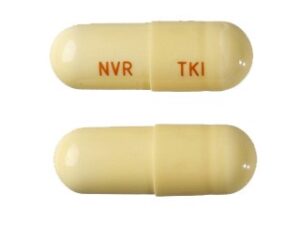


Alkacel (Melphalan) – Patient Information for Australia
Alkacel is a brand of melphalan, an anticancer medicine used to treat certain blood cancers. This page is designed to help you understand how the medicine works, how it is typically taken, and important safety considerations.
Important: Cancer treatment plans are individual. Always follow the instructions given by your treating team for your specific regimen and dose schedule.
Quick Product Summary
- Medicine: Alkacel (melphalan)
- Medicinal form: Alkacel is available as oral tablets/capsules depending on product listing in your region.
- Class: Alkylating agent (cell-cycle non-specific chemotherapy)
- Common uses: Multiple myeloma and certain other cancers such as some lymphomas and pre-transplant conditioning regimens (as directed by oncology teams).
- How it’s taken: Usually by mouth on a schedule (often in cycles). Exact timing varies by indication.
- Key safety theme: Bone marrow suppression (low blood counts) and infection risk; nausea/vomiting; mouth ulcers; fertility concerns.
How Alkacel Works (Mechanism of Action)
Melphalan is an alkylating agent. It interferes with the DNA inside cancer cells by attaching alkyl groups to DNA. This damages DNA in a way that prevents cancer cells from dividing and reproducing.
Because cancer cells often divide more rapidly than normal cells, they are more sensitive to this DNA damage. However, melphalan can also affect healthy rapidly dividing tissues (such as bone marrow and the lining of the gut), which is why monitoring and supportive care are important.
Pharmacokinetics (How the Body Handles Melphalan)
Pharmacokinetics describes how the body absorbs, distributes, metabolises, and eliminates a medicine.
- Absorption: When taken orally, melphalan is absorbed into the bloodstream; absorption may vary among individuals and may be influenced by food intake.
- Distribution: Melphalan distributes through the body and can reach tissues where cancer cells are present.
- Metabolism: Melphalan is metabolised mainly in the body, including in tissues and plasma.
- Elimination: The drug and its metabolites are cleared from the body through normal elimination processes.
Practical takeaway: Because exposure can vary, your team may adjust dose based on blood results, kidney function, treatment response, and side effects.
What Alkacel Is Typically Used For (Indications)
In Australia, melphalan (Alkacel) is used in oncology settings for specific conditions, commonly including:
- Multiple myeloma: Often as part of treatment regimens (for example, with other anticancer medicines).
- Hematologic malignancies: Selected lymphomas and other blood cancers, depending on treatment protocols.
- Conditioning regimens before stem cell transplant: In some cases, melphalan is used to prepare the body for transplantation (exact dosing and schedules are protocol-specific).
Your regimen may include other medicines (such as steroids, other chemotherapy, or supportive medicines). The full plan determines overall benefit and risk.
Dosing and Timing: What to Expect
Dosing depends on your diagnosis, treatment line, regimen (combination therapy vs. conditioning), age, kidney function, and blood counts. Only your treating team can determine the correct dose.
Typical timing patterns (general)
- Oral dosing in cycles: Many regimens use melphalan on specific days within a cycle, followed by a rest period while blood counts recover.
- Consistency matters: Take doses at the times prescribed. If you miss a dose, do not “double up” unless your clinician instructs you.
How to take Alkacel (general practical guidance)
- Follow label instructions: Use the exact number of tablets/capsules per dose.
- Swallow whole (unless told otherwise): Do not crush or chew unless your clinician/pharmacist confirms it is safe.
- Hydration: Maintain good fluid intake unless you have been told to restrict fluids.
- Storage: Keep at room temperature away from moisture and heat, and store securely out of reach of children.
Supportive medicines: Antiemetics (anti-nausea medicines) and other supportive therapies may be prescribed alongside Alkacel.
Food Interactions (Eating and Alkacel)
Food can influence oral melphalan absorption. Many chemotherapy regimens advise consistent timing relative to meals or taking doses on an empty stomach. Your prescription instructions (or treatment protocol) should be followed exactly.
- Consistency is key: If you are told to take Alkacel on an empty stomach, try to take it at the same time each day, before food.
- Check your specific instructions: Some patients may be advised to take melphalan with or after food depending on the regimen and formulation.
- Grapefruit and similar foods: While grapefruit is commonly discussed with many medicines, interactions depend on the full regimen. Ask your pharmacist for advice tailored to your medicines.
If you vomit shortly after a dose: Contact your healthcare team for advice. Do not automatically repeat the dose without guidance.
Alcohol and Medicine Interactions
Alcohol is not usually recommended during chemotherapy because it can worsen side effects (such as nausea, fatigue, and dehydration) and may affect your ability to maintain nutrition and hydration.
- Alcohol and nausea: Alcohol may increase stomach irritation and worsen nausea.
- Alcohol and liver function: Some chemotherapy regimens and supportive medicines can affect the liver; alcohol can add extra strain.
- Alcohol and medications: If you are taking pain medicines, antiemetics, sleeping tablets, or anxiety medicines, alcohol may increase sedation and other risks.
Practical advice: If you choose to drink, discuss it with your oncology team. In many cases, the safest approach is to avoid alcohol during treatment.
Medicine interactions: Melphalan can interact with other medicines through effects on bone marrow, infection risk, and metabolism. Always tell your pharmacist about:
- All prescription and over-the-counter medicines
- Herbal products and supplements
- Vaccines or recent infections
Safety Profile: Common and Serious Side Effects
Melphalan affects both cancer cells and some normal tissues, especially those with high cell turnover. Side effects vary widely between individuals and depend on dose, regimen, and overall health.
Common side effects
- Low blood counts (bone marrow suppression): Low white cells (infection risk), low red cells (anaemia), and low platelets (bruising/bleeding risk).
- Nausea and vomiting
- Diarrhoea or constipation (depending on regimen and supportive medicines)
- Mouth sores (mucositis)
- Fatigue
- Hair thinning (less common with some melphalan regimens, but may occur)
- Appetite changes
Serious side effects—seek urgent medical advice
Contact your healthcare team promptly (or emergency services if advised) if you experience:
- Signs of infection: Fever (as instructed by your team), chills, sore throat, or any unusual infection symptoms.
- Bleeding or bruising: Unusual bruises, black/tarry stools, blood in urine, or bleeding gums/nose.
- Severe diarrhoea or dehydration symptoms.
- Severe mouth ulcers preventing eating or drinking.
- Allergic reaction symptoms: Swelling, rash, wheezing, or difficulty breathing.
Fertility and pregnancy considerations
- Fertility: Chemotherapy can affect fertility in both men and women.
- Pregnancy and breastfeeding: Melphalan can be harmful to an unborn baby. Breastfeeding is generally not recommended during chemotherapy. Discuss contraception and family planning with your healthcare team.
Practical Use Tips (How to Take Alkacel Safely)
Monitoring and blood tests
Your oncology team will monitor your blood counts regularly. This helps detect bone marrow suppression early and guide treatment modifications (such as dose changes or delays).
Infection prevention tips
- Practice good hand hygiene.
- Avoid close contact with sick people.
- Follow your team’s guidance on when to seek medical attention for fever.
- Take protective measures if your counts are low (your team will advise).
Mouth care
- Use a soft toothbrush and gentle rinsing routine.
- Ask your pharmacist about recommended mouthwashes.
- Report mouth pain or ulcers early so supportive care can be started.
Nausea and appetite
- Take anti-nausea medicines exactly as prescribed.
- Eat small, frequent meals if large meals make you nauseous.
- Stay hydrated; contact your team if vomiting/diarrhoea is severe.
Handling and storage at home
- Store safely and keep away from children and pets.
- If you or a caregiver handles tablets/capsules, avoid unnecessary direct contact and wash hands after handling.
- Do not crush or open tablets/capsules unless you have been told it is safe for that product.
Alternative Options (Discuss With Your Treating Team)
Alternative treatments depend heavily on your cancer type, stage, previous therapies, and whether a transplant is planned. If Alkacel is not suitable or requires modification, your clinician may consider other options such as:
- Other chemotherapy agents used in similar regimens
- Targeted therapies or immunotherapies for multiple myeloma (for example, agents that target specific pathways)
- Radiation therapy in selected circumstances
- Stem cell transplant strategies (where appropriate)
Important: Your best alternative depends on the goals of treatment (disease control, symptom relief, transplant conditioning, or other reasons).
Alkacel in Australia: Market and Legal Context
In Australia, anticancer medicines are regulated through the TGA (Therapeutic Goods Administration) and medicines are supplied in line with Australian requirements. Oncology treatments are generally managed through specialist care and dispensed through authorised channels.
Availability can vary based on product formulation and stock levels. Your treating team and pharmacist can advise on the expected supply timing and alternatives if a product is temporarily unavailable.
Quality and authenticity: Use medicines sourced from authorised suppliers and verify packaging and expiry dates on arrival.
Recent Guidance and Ongoing Care (What to Keep in Mind)
In oncology, guidance evolves as new evidence emerges. Common themes across recent practice include:
- More precise supportive care to reduce infection and treatment complications
- Closer monitoring of blood counts and organ function
- Individualised dosing based on response and tolerability
- Awareness of interactions with new supportive medications and vaccinations
Always rely on your treating team for the most up-to-date regimen-specific instructions. If you start new medicines (including supplements) during therapy, check with your pharmacist.
Delivery, Availability, and Ordering (Australia)
Online pharmacies typically require confirmation of eligibility and appropriate clinical details before dispatch. Delivery timeframes depend on location (metro vs. regional) and courier service.
What you can expect
- Dispatch and tracking: Orders are usually processed and shipped with tracking.
- Cold chain: Most oral anticancer tablets/capsules do not require cold storage; however, always follow the storage instructions on the pack.
- Stock variability: Availability may change. If stock is delayed, pharmacists may discuss alternatives or substitution options where permitted.
Tip: Ensure someone can receive the parcel if you are not at home, and check that the product name, strength, and expiry date match what you expect.
FAQs About Alkacel (Melphalan)
1) What is Alkacel used for?
Alkacel (melphalan) is used to treat certain cancers, most commonly in the context of multiple myeloma and other selected blood cancers, and sometimes as part of pre-transplant conditioning regimens—depending on your protocol.
2) How do I take Alkacel?
Take it exactly as your oncology team or pharmacist instructs. Dosing schedules vary. Swallow the tablets/capsules whole unless told otherwise. If you miss a dose, contact your team for advice rather than doubling up.
3) Should I take Alkacel with food?
Food can affect absorption. Some patients are instructed to take melphalan on an empty stomach or at a consistent time relative to meals. Follow your specific instructions; they matter as much as the dose.
4) What side effects are most common?
Common side effects include low blood counts, nausea, fatigue, and mouth sores. Your regimen may also cause gastrointestinal symptoms such as diarrhoea or constipation.
5) When should I seek urgent help?
Seek urgent medical advice if you develop fever (as instructed by your team), signs of infection, uncontrolled diarrhoea/vomiting leading to dehydration, bleeding, or severe mouth ulcers.
6) Can I drink alcohol while on Alkacel?
Alcohol is generally not recommended during chemotherapy because it can worsen nausea, dehydration, and overall tolerance. Discuss with your care team for personalised guidance.
7) Are there interactions with other medicines?
Yes. Interactions can affect bone marrow function, bleeding risk, infection risk, or metabolism. Tell your pharmacist about all medicines and supplements you take.
8) Will Alkacel affect fertility?
Chemotherapy may affect fertility in men and women. If fertility preservation is important to you, discuss options before treatment begins with your oncology team.
9) How long does treatment usually last?
Treatment is typically given in cycles and may continue until response, tolerability, and protocol goals are met. Your schedule is unique.
10) What if Alkacel is delayed due to availability?
Contact your pharmacy or oncology team if you anticipate delays. Do not take extra doses to “catch up” unless directed by your clinician.
Medication Safety Checklist (For Patients)
| Before You Start | During Treatment | When to Contact Your Team |
|---|---|---|
|
|
|
Disclaimer: This information is provided for educational purposes and may not cover every aspect of your treatment. For individual medical advice, always consult your treating healthcare team or pharmacist.