
Atorvastatin (Oral Medicine) — Patient Guide (Australia)
Atorvastatin is a widely used medicine that helps lower cholesterol and reduce the risk of certain cardiovascular events (such as heart attack and stroke) in people at risk. This guide explains how it works, how to take it safely, what to expect, and key interactions—written in clear, patient-friendly language for Australia.
This information is general and cannot replace advice from a healthcare professional. If you have concerns about your individual situation, speak with a clinician or pharmacist.
Basic product information
- Generic name: Atorvastatin
- Common brand examples: Varies by supplier (availability depends on local markets)
- Medicine type: Statin (HMG-CoA reductase inhibitor)
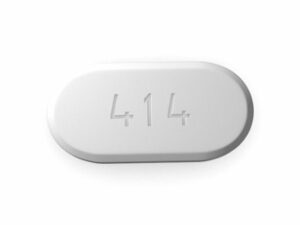
- How it’s taken: Usually by mouth as tablets
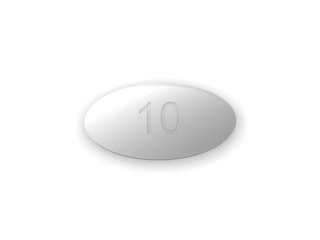
- Strengths: Common tablet strengths include 10 mg, 20 mg, 40 mg, and 80 mg (varies by product)
- Who it’s for: Adults (and in some cases children/adolescents under specialist direction, depending on indication)
| Feature | What it means for patients |
|---|---|
| Therapeutic goal | Lower LDL (“bad”) cholesterol and other blood fats; stabilise plaque |
| When you start | Cholesterol-lowering effect begins within days; full effect often by ~2–4 weeks |
| How often | Typically once daily |
| Key monitoring | Blood cholesterol tests; liver enzymes where appropriate; symptoms for muscle side effects |
Mechanism of action (how atorvastatin works)
Atorvastatin belongs to the statin class. It works by blocking an enzyme in the liver called HMG-CoA reductase. This enzyme is involved in producing cholesterol.
By reducing cholesterol production, the liver increases the number of LDL receptors on its surface, pulling more LDL cholesterol out of the blood. As a result, LDL cholesterol typically decreases. Statins can also reduce triglycerides and help raise HDL (“good”) cholesterol slightly in many people.
Additional benefits beyond cholesterol lowering
- Plaque stabilisation: Helps make fatty plaques in arteries less likely to rupture.
- Anti-inflammatory effects: May reduce some inflammatory activity within blood vessels.
- Reduced cardiovascular risk: Clinical studies show statins lower the risk of heart attack and stroke in appropriate groups.
Pharmacokinetics (absorption, metabolism, and elimination)
Understanding how a medicine moves through the body can help explain timing and interactions.
Absorption and time to effect
- Atorvastatin is taken by mouth and is absorbed in the small intestine.
- Peak blood levels generally occur within a few hours after a dose (commonly around 1–2 hours, but this may vary).
Metabolism
Atorvastatin is mainly metabolised in the liver by the enzyme system CYP3A4 (and related pathways). Because of this, medicines that affect CYP3A4 can change atorvastatin levels.
Half-life and duration
Atorvastatin and its active metabolites have a practical “duration” that supports once-daily dosing. Even though blood levels may fall before the next dose, the effect on cholesterol production continues.
Elimination
- Atorvastatin is eliminated mainly through the bile into the digestive tract.
- Kidney function plays a smaller role in clearance, but overall monitoring may still be needed for other reasons.
Typical use in Australia
Atorvastatin may be used for:
- Primary prevention (to lower risk of first cardiovascular event in people with elevated risk)
- Secondary prevention (to reduce risk of recurrent events in people with established cardiovascular disease)
- Management of cholesterol disorders such as familial hypercholesterolaemia in appropriate patients
Common conditions where it may be considered
- Known coronary artery disease
- History of heart attack or angina
- Stroke or transient ischaemic attack (TIA)
- Peripheral arterial disease
- Diabetes with additional cardiovascular risk factors
Indications (when it’s used)
Atorvastatin is indicated to help:
- Reduce elevated total cholesterol, LDL cholesterol, and triglycerides in certain patients with dyslipidaemia
- Reduce the risk of cardiovascular events in appropriate people
- Treat certain hereditary lipid conditions (specialist-directed, depending on age and diagnosis)
The exact indication and dose depend on your lipid profile, risk level, and treatment plan.
How to take atorvastatin: dosing and timing
Typical dosing
Dosing varies by indication and individual response. Common adult starting regimens include once-daily doses such as 10 mg or 20 mg, with adjustment based on cholesterol results and tolerance. Some people may require higher doses (up to 80 mg daily).
Important: Always follow the instructions on your product label and any advice from your healthcare team.
Timing of your dose
Atorvastatin is usually taken once each day. Many people can take it at any time of day. Some clinicians traditionally advise taking it at night, but with modern practice, once-daily dosing often does not strictly require night-time use.
- If your clinician gave you a specific time, follow that routine.
- Pick a time that you can maintain daily (for example, with breakfast or dinner).
- If you miss a dose, take it when you remember
Can you stop if cholesterol improves?
Cholesterol levels often rise again if statin therapy is stopped. If you’re considering stopping, discuss it first with a clinician— especially if you have established cardiovascular disease.
Food interactions (what to watch)
Food can affect how much atorvastatin is absorbed. For many people, taking it with or without food is acceptable. However, certain dietary items can increase side effects through interaction mechanisms or by affecting metabolism.
Grapefruit and grapefruit juice
Avoid grapefruit and grapefruit juice if possible. Grapefruit can increase atorvastatin exposure by inhibiting CYP3A4, which raises the risk of muscle-related side effects in susceptible individuals.
General meal habits
- Taking atorvastatin with a regular meal can help some people remember it.
- Maintain a cholesterol-focused diet (for example, less saturated fat, more fibre and unsaturated fats), as advised.
- Stay hydrated and avoid excessive alcohol (see below) to reduce liver stress and overall risk.
Alcohol and medicine interactions
Alcohol
Moderate alcohol intake may be acceptable for many people, but heavy or frequent alcohol use can increase liver strain. Because atorvastatin may affect liver enzymes, it’s important to be cautious.
- If you drink alcohol regularly, discuss safe limits with your clinician or pharmacist.
- Avoid binge drinking.
- Seek medical advice if you notice symptoms of liver problems (see “Safety profile”).
When alcohol and other medicines raise risk
Alcohol may worsen dehydration, liver stress, and overall muscle recovery, which could make muscle side effects more difficult to distinguish. Also, some medicines that interact with atorvastatin may carry their own liver or muscle risks.
Medication interactions (important)
Atorvastatin is metabolised partly by CYP3A4. Medicines that inhibit or strongly affect this enzyme can raise atorvastatin levels and increase the risk of adverse effects, particularly muscle injury.
Higher-risk interactions (examples)
Please note: this is not an exhaustive list. Always tell your pharmacist or doctor about all medicines, including over-the-counter products and supplements.
- Some antibiotics and antifungals (e.g., clarithromycin, telithromycin; some azole antifungals)
- HIV medications (certain protease inhibitors and booster regimens)
- Some medicines for hepatitis C (certain antiviral regimens)
- Other cholesterol-lowering medicines that can increase muscle risk when combined (for example, some fibrates such as gemfibrozil, or specific high-risk combinations—your clinician will choose safest options)
- Immune-modulating medicines (certain agents may interact)
- Grapefruit-containing products (food interaction, not a medicine)
Lower-risk but still relevant interactions
- Warfarin: monitoring may be needed because clotting can be affected.
- Digoxin: at times, levels may change—monitoring may be advised.
- Some antacids: may change absorption if taken close together; spacing doses can help depending on the product.
- Some diabetes medicines: statins can affect blood sugar in some people, and overall monitoring of glucose may be needed.
What to do if you start a new medicine
- Tell the prescriber/pharmacist you are taking atorvastatin.
- Ask whether any interaction risk exists and whether dose adjustments or extra monitoring are needed.
- Do not stop or change doses on your own.
Safety profile: side effects and when to seek help
Common side effects
- Headache
- Digestive symptoms such as nausea, constipation, or stomach discomfort
- Minor muscle aches for some people (not all aches indicate a serious problem)
Serious but uncommon: muscle-related effects
Statins can rarely cause significant muscle injury. The risk increases with higher doses and certain interacting medicines, and can be more likely in older adults, people with kidney impairment, or those with certain medical conditions.
Seek urgent medical advice if you experience:
- Severe muscle pain, tenderness, or weakness
- Muscle symptoms with fever or marked tiredness
- Dark-coloured urine
Serious but uncommon: liver-related effects
Atorvastatin may raise liver enzymes in some people. Most cases are mild and reversible, but prompt evaluation is important if symptoms occur.
Seek medical advice if you notice:
- Yellowing of the eyes/skin (jaundice)
- Severe or persistent upper stomach pain
- Unusual fatigue, dark urine
- Persistent nausea/vomiting
Other possible effects
- Rash or allergy symptoms (rare)
- Blood sugar changes (some people may notice higher glucose readings)
- Rare neurological symptoms (report promptly if unusual)
Who should be extra cautious?
- People with previous muscle problems related to statins
- Those with significant liver disease
- People with kidney impairment
- People taking multiple interacting medicines
- Older adults (risk assessment is often individualised)
Practical use tips (making atorvastatin easier)
Build a routine
- Choose a consistent daily time (with breakfast or dinner if that suits you).
- Use pill organisers, phone reminders, or pharmacy packaging to support adherence.
Lifestyle still matters
Atorvastatin works best alongside lifestyle changes. Consider discussing with your healthcare provider:
- Heart-healthy eating (lower saturated fats, higher fibre)
- Regular physical activity (as appropriate for your condition)
- Weight management if relevant
- Smoking cessation
Monitoring and follow-up
- Lipid tests: usually repeated after starting or dose changes to confirm response.
- Muscle symptoms: report promptly rather than waiting for the next appointment.
- Liver tests: may be checked at baseline and/or if clinically indicated.
What if you miss a dose?
- If you remember the same day, take it then.
- If it’s near the time of the next dose, skip the missed dose.
- Do not take two doses at once to “catch up”.
Alternative options (if atorvastatin isn’t suitable)
If atorvastatin causes side effects or doesn’t achieve enough LDL reduction, there are alternative approaches. Which option is best depends on your diagnosis, blood test results, and interaction risk.
Other statins
- Rosuvastatin
- Simvastatin
- Pravastatin
- Fluvastatin
Non-statin cholesterol-lowering medicines
- Ezetimibe (often used with statins in some cases)
- PCSK9 inhibitors (in selected high-risk patients, usually by specialist)
- Bile acid sequestrants (depending on patient suitability)
- Fibrates (more targeted for triglycerides; careful with combinations due to muscle risk)
- Omega-3 fatty acids (selected formulations may help triglycerides in some patients)
Do not switch or combine therapies without discussing it—interaction and safety considerations are important.
Market and legal context for Australia
In Australia, statins such as atorvastatin are part of standard cardiovascular risk management for appropriate patient groups. Medicine supply, prescribing rules, and pharmacy dispensing are governed by Australian health regulations and product approvals.
Online pharmacies operating in Australia typically provide medicines in line with Australian requirements for supply, identity verification, and product information. Availability and packaging formats can vary by supplier and region.
Recent guidance (high-level)
Ongoing Australian cardiovascular prevention guidance emphasises:
- Individualised risk assessment and cholesterol targets based on risk level
- Use of statins for people who are at sufficient cardiovascular risk or have established disease
- Attention to side effects, drug–drug interactions, and appropriate monitoring
- Lifestyle changes alongside medication to improve long-term outcomes
Local updates from major cardiology/primary care recommendations continue to refine how cholesterol is managed, including therapy intensity and follow-up intervals. Your clinician can help ensure your plan matches current best practice.
Delivery and availability
Atorvastatin tablets are commonly available through pharmacies and are supplied through standard distribution channels. Online availability depends on stock levels, dosage strength, and your location within Australia.
Delivery expectations
- Delivery times vary by courier and address postcode.
- Most online orders include tracking updates where available.
- Cold chain is generally not required for atorvastatin tablets.
Before ordering
- Check the strength (e.g., 10 mg, 20 mg, 40 mg, 80 mg) matches your needs.
- Confirm the quantity (number of tablets) and expected supply duration.
- Ensure you have reliable access to monitoring such as lipid testing when required.
FAQ: Atorvastatin questions patients often ask
1) How long does it take for atorvastatin to work?
You may notice no immediate symptoms because it works on cholesterol in the blood. Cholesterol reductions can start within days, but the full effect is typically assessed after about 2–4 weeks (or after your clinician’s recommended interval), especially after starting or adjusting the dose.
2) What cholesterol numbers should improve?
Atorvastatin primarily lowers LDL cholesterol. It often lowers total cholesterol and triglycerides. HDL may rise slightly. Your clinician will interpret results in the context of your overall cardiovascular risk.
3) Can I take atorvastatin with other cholesterol medicines?
Sometimes medicines are combined to improve lipid control, but combinations can affect safety—particularly muscle risk. Your pharmacist or doctor can advise which combination is safest for your situation and whether extra monitoring is needed.
4) Is it okay to drink alcohol while taking atorvastatin?
Many people can drink alcohol in moderation, but caution is advised—especially with heavier or frequent drinking. Alcohol can increase liver stress and may complicate recognition of side effects. Discuss safe limits with your clinician or pharmacist.
5) Can I eat grapefruit?
It’s generally recommended to avoid grapefruit and grapefruit juice. Grapefruit can raise atorvastatin levels and increase the risk of side effects.
6) What should I do if I get muscle pain?
Mild aches can occur for many reasons. However, if you develop severe muscle pain, weakness, tenderness, or symptoms with fever or dark urine, seek prompt medical advice. Do not ignore symptoms that feel unusual or intense.
7) Should I keep taking atorvastatin during an illness?
For minor illnesses, many people continue as usual. If you are very unwell, dehydrated, have severe infections, or develop new severe symptoms, contact a clinician for guidance—especially because illness can change risk factors for muscle or dehydration-related problems.
8) What if I miss a dose?
Take it when you remember if it’s not close to the next dose. If the next dose is near, skip the missed one. Do not double up.
9) Does atorvastatin affect blood sugar?
Statins can cause small increases in blood sugar for some people. If you have diabetes or prediabetes, monitoring glucose and following your diabetes plan is important.
10) Can I stop atorvastatin once my cholesterol is controlled?
Cholesterol can rise again if medication is stopped. Whether you can stop depends on your cardiovascular risk profile and history. Discuss any change with a clinician before stopping.
Summary
Atorvastatin is a statin medicine commonly used in Australia to lower LDL (“bad”) cholesterol and reduce cardiovascular risk. It works by decreasing cholesterol production in the liver and improving LDL clearance. Take it once daily as instructed, avoid grapefruit, and be alert to possible side effects—especially muscle pain and symptoms that could suggest liver problems. Regular lipid testing and open communication about other medicines help maximise safety and benefit.