Fluconazole (Oral Antifungal) — Patient Guide (Australia)
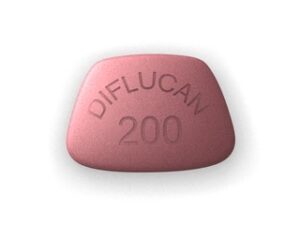
Fluconazole is a widely used antifungal medicine used to treat a range of fungal infections. It is available in several forms in Australia (most commonly oral tablets/capsules and oral liquid, depending on brand and strength). This guide explains how fluconazole works, how it’s taken, what to expect, and important safety considerations.
Important: Always follow the directions provided with your product and consult a healthcare professional if you have questions—especially if you are pregnant, have liver disease, take other medicines, or have recurrent infections.
1) Basic product information
| Feature | Details |
|---|---|
| Active ingredient | Fluconazole |
| Medicine type | Antifungal (triazole) |
| Common forms | Tablets/capsules; oral suspension (where available) |
| How it’s taken | Usually by mouth |
| Typical dosing approach | Varies by infection type (single dose vs. multi-day/weekly regimens) |
| Onset of benefit | Often within days, but complete resolution may take longer |
2) How fluconazole works (mechanism of action)
Fungi need ergosterol to build and maintain their cell membranes. Fluconazole blocks an enzyme called lanosterol 14-α-demethylase, which fungi use to make ergosterol.
- Membrane disruption: Reduced ergosterol weakens the fungal cell membrane.
- Antifungal effect: This leads to the death of susceptible fungi or stops their growth.
Different fungi vary in sensitivity. Your clinician may choose fluconazole based on the likely organism and infection site.
3) Pharmacokinetics (how the body handles it)
Understanding pharmacokinetics helps explain why fluconazole can be taken by mouth and why dosing differs between conditions.
- Absorption: Fluconazole is absorbed well after oral dosing.
- Distribution: It spreads through body fluids and tissues, including areas relevant for many fungal infections.
- Metabolism: A portion is metabolised in the liver.
- Elimination: Most is excreted through the kidneys.
- Half-life: Fluconazole has a relatively long half-life, allowing once-daily dosing for many regimens.
Kidney and liver function matter: Because fluconazole relies partly on kidney clearance and can affect liver enzymes, dose adjustments or close monitoring may be needed for some people.
4) Typical uses (indications) in plain language
Fluconazole is used to treat fungal infections. The exact choice and duration depend on the infection type, severity, and patient factors.
Common indications
- Vaginal candidiasis (thrush): Treatment of yeast overgrowth in the vagina.
- Oral thrush (o r o-pharyngeal candidiasis): Yeast infection in the mouth/throat.
- Oesophageal candidiasis: Infection of the food pipe (usually in people with higher risk).
- Skin and mucosal candidiasis: Yeast-related rashes and infections in skin folds or mucosal areas.
- Invasive or systemic candidiasis: More serious infections may require hospital-based management.
- Cryptococcal infections: Certain cases (often in higher-risk patients) may be treated with specialised regimens.
- Other fungal infections: Depending on local guidance and organism susceptibility.
Not for: Fluconazole is an antifungal; it does not treat bacterial infections or viral illnesses.
5) Timing — when and how to take fluconazole
For many adults, fluconazole is taken once daily. Some conditions may use a single dose or a weekly regimen. Always follow the schedule provided with your specific product plan.
General timing tips
- Take at the same time each day to help maintain steady levels.
- With or without food: Fluconazole can generally be taken regardless of meals.
- Finish the course even if symptoms improve early, unless advised otherwise.
- Missed dose: Take it when you remember unless it is close to the next dose. Do not double up.
If you’re using fluconazole for recurrent or complicated infections, clinicians may check risk factors (such as diabetes, immune status, or medication interactions) to reduce recurrence.
6) Food interactions
Fluconazole’s absorption is generally not significantly affected by food. This means you usually do not need to adjust your meal timing.
- With food: Usually fine.
- Without food: Usually also fine.
Practical tip: Taking it with water and at a consistent time may help with adherence. If your dose causes mild nausea, try taking it with a light meal.
7) Alcohol and medicine interactions
There is no universal “safe amount” of alcohol while taking fluconazole, because fluconazole can affect the liver and alcohol can also stress the liver.
Alcohol considerations
- Best approach: Avoid or limit alcohol during treatment.
- Higher risk groups: People with liver disease, heavy alcohol use, or those taking other liver-metabolised medicines should be especially cautious.
- Stop and seek advice urgently if you develop symptoms of liver problems (see Safety section).
Interactions with other medicines (very important)
Fluconazole can interact with several medications. These interactions may increase side effects or reduce effectiveness. Common interaction categories include:
- Warfarin and other anticoagulants: Fluconazole can increase anticoagulant effects, raising bleeding risk.
- Some heart rhythm medicines: Certain drugs can increase the risk of heart rhythm changes (QT prolongation) when combined with azole antifungals.
- Some antidiabetic medicines: Fluconazole may affect blood sugar control in some people.
- Oral contraceptives and hormones: Usually no major change is expected with typical contraceptive use, but individual medicines and regimens may vary—check for specific product interactions.
- Immunosuppressants (e.g., tacrolimus, cyclosporine): Levels can rise, increasing toxicity risk.
- Phenytoin, theophylline, and some other medicines: Levels may change, requiring monitoring or dose adjustments.
- Metabolic inducers (e.g., certain anticonvulsants or rifampicin): These may reduce fluconazole levels and effectiveness.
Action step: Before starting fluconazole, review all current medicines with a pharmacist or healthcare professional, including over-the-counter products and herbal supplements.
8) Dosing — what “typical dosing” looks like
Doses vary widely by infection type, severity, and patient factors such as kidney function. The following provides general examples used in practice; your exact dose should be confirmed by the product instructions or your clinician.
Common adult dosing patterns (examples)
- Vaginal candidiasis: Often treated with a single dose or a short course, depending on severity and guidance.
- Oral thrush: Typically taken daily for several days to a couple of weeks, depending on response.
- Skin or mucosal candidiasis: Often treated for a longer period (days to weeks), depending on location and recurrence.
- More serious or systemic infections: May require higher or longer regimens under close supervision.
Paediatric dosing
In children, dosing is usually weight-based and depends on the infection and clinical assessment. A clinician should guide dosing for children.
Renal impairment (kidney problems)
Because fluconazole is cleared through the kidneys, the dose or dosing interval may need adjustment for people with kidney impairment.
Never self-adjust based on symptom severity alone—follow the prescribed product plan for safety and effectiveness.
9) Safety profile — side effects and when to get help
Most people tolerate fluconazole well. However, like all medicines, it can cause side effects. Knowing what is normal and what requires urgent care improves safety.
Common side effects
- Nausea or stomach discomfort
- Headache
- Diarrhoea
- Rash (in some people)
- Abnormal liver blood tests (sometimes detected on testing)
Serious but uncommon risks — seek medical advice urgently
- Signs of liver problems: yellowing of skin/eyes (jaundice), dark urine, severe fatigue, persistent nausea/vomiting, right upper belly pain
- Severe allergic reaction: swelling of the face/lips/tongue, difficulty breathing, widespread hives
- Severe skin reactions: blistering, peeling skin, or sores in mouth/eyes
- Heart rhythm symptoms: dizziness, fainting, palpitations—especially if you have risk factors or take interacting medicines
Who should be extra cautious?
- People with liver disease or prior liver enzyme elevations from medicines
- People with kidney impairment
- People taking multiple medicines with known interactions
- Pregnancy and breastfeeding: Risk-benefit decisions should be individualised with professional advice
- People with a history of recurrent thrush or underlying risk factors
10) Practical use tips for best results
Fluconazole can help resolve fungal infections, but practical steps can improve outcomes and reduce recurrence.
- Take the full course as directed, even if you feel better quickly.
- Hygiene matters: Keep affected areas dry and follow gentle cleaning practices.
- Avoid irritants: For genital yeast, avoid scented washes, harsh soaps, and douching.
- Consider reinfection sources: If you have recurrent vaginal thrush, review contributing factors such as hygiene products, tight synthetic clothing, and glucose control.
- Do not share towels or underwear during treatment.
- Check with a professional if symptoms don’t improve within the expected timeframe, if they worsen, or if infections keep returning.
- Contraception considerations: Most commonly used contraceptives are not strongly affected, but medicine interactions can occur—ask if you’re unsure.
11) Alternative antifungal options (depending on the infection)
Other antifungals may be considered depending on the infection site, organism, severity, and patient preferences. Alternatives include:
- Topical azoles (for some genital or skin infections), such as clotrimazole or miconazole (formulations vary).
- Other oral azoles (for specific cases) such as itraconazole or posaconazole—used in more specialised situations.
- Other antifungal classes (e.g., nystatin for thrush, or amphotericin B for severe systemic infections) under clinician supervision.
Choosing the right option: Site-specific infections (vaginal vs. skin vs. mouth) and severity often determine which treatment is most appropriate.
12) Fluconazole in the Australian market — legal and guidance context
In Australia, availability and supply of medicines are regulated under the TGA (Therapeutic Goods Administration) and state/territory pharmacy laws. Product scheduling may differ between brands and strengths, and availability may vary between community pharmacies and online services.
Dispensing and use: Whether a medicine is supplied with pharmacist involvement, under specific conditions, or through particular channels depends on current product scheduling and local regulations.
Recent clinical approach: Australian guidance generally emphasises:
- Accurate diagnosis of suspected fungal infection (especially for recurrent or complicated cases)
- Appropriate choice of antifungal based on infection site and likely organism
- Review of risk factors for recurrent disease (e.g., diabetes, immune compromise, antibiotic exposure)
- Medicines interaction screening, given azoles’ interaction potential
Note: Guidance may be updated as new evidence becomes available. If symptoms persist or recur, it’s important to seek clinical advice rather than repeating the same course without reassessment.
13) Delivery and availability (online pharmacy Australia)
Online pharmacies in Australia typically provide delivery to eligible areas and may offer:
- Fast dispatch after order confirmation
- Tracking information once shipped
- Discreet packaging for personal privacy
Availability: Fluconazole products may vary by brand, strength, and formulation. Some stores may have multiple pack sizes. If you’re looking for a specific strength or liquid form, use the product options or contact customer support.
Cold-chain: Fluconazole tablets/capsules typically do not require refrigeration; however, always check the product label and storage instructions.
14) What to expect during treatment
- Improvement timeline: Symptoms often start improving within a few days for uncomplicated infections, but full resolution may take longer.
- Symptom fluctuation: Itching, burning, redness, and discharge can improve gradually.
- If not improving: If there is little or no improvement within the timeframe suggested for that condition, reassessment is recommended.
- Recurrent symptoms: Repeated episodes may require evaluation of underlying causes and a treatment plan tailored to your situation.
15) FAQ — Frequently asked questions
Is fluconazole safe to take with food?
Yes. Fluconazole is generally taken with or without food. If it upsets your stomach, try taking it with a light meal.
How soon will I feel better?
Many people notice symptom improvement within several days. Some conditions may need a longer course. If symptoms do not improve as expected, seek advice.
Can I drink alcohol while using fluconazole?
It’s best to avoid or limit alcohol while taking fluconazole, particularly if you have liver problems or other risk factors. Alcohol and fluconazole both can affect the liver.
What medicines interact with fluconazole?
Fluconazole can interact with several medicines, including some anticoagulants (e.g., warfarin), certain heart rhythm medicines, some immunosuppressants, and other drugs metabolised by the liver. Always review your full medicine list with a pharmacist.
What side effects are normal?
Mild effects such as headache, nausea, or stomach upset can occur. Contact a healthcare professional if side effects are severe, persistent, or worsening.
When should I stop and get urgent help?
Get urgent medical help if you develop signs of severe allergy (swelling, difficulty breathing), severe skin reactions, symptoms of liver injury (jaundice, dark urine), or concerning heart rhythm symptoms (fainting, severe dizziness).
Can fluconazole treat all types of infections?
No. Fluconazole treats fungal infections. It does not treat bacterial infections or viruses.
What if my symptoms return after treatment?
Recurrent fungal infections may indicate underlying factors such as diabetes, immune compromise, antibiotic use, or reinfection. Don’t repeatedly self-treat without reassessment—speak with a healthcare professional.
Is fluconazole used for vaginal thrush?
Yes, it may be used for vaginal candidiasis in certain circumstances. The regimen (single dose vs. longer course) depends on clinical factors and local guidance.
Can children take fluconazole?
Children can sometimes be treated with fluconazole, but dosing is usually weight-based and must be determined by a clinician.
Summary
Fluconazole is an effective antifungal medicine used for many fungal infections, including thrush and certain more serious infections. It works by disrupting fungal cell membrane production and is absorbed well when taken by mouth. While fluconazole is generally well tolerated, it can interact with other medicines and may affect the liver, so careful attention to safety—especially if you take multiple medicines—is important.
If you have concerns about interactions, side effects, or whether fluconazole is appropriate for your symptoms, speak with a pharmacist or healthcare professional. Finish your course as directed and seek advice if symptoms don’t improve or if infections recur.