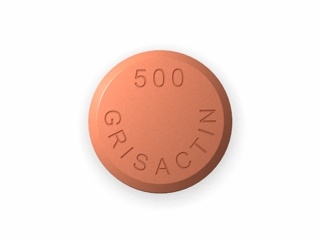

Grisactin (Griseofulvin) – Patient Information (Australia)
Grisactin is a medicine used to treat certain fungal infections of the skin, hair, and nails. It works by stopping fungi from building strong cell structures, allowing healthy tissue to grow in and replace infected areas over time.
This guide is designed to be patient-friendly and practical. It explains how Grisactin works, how it is taken, possible side effects, important interactions (including alcohol), and what to expect during treatment.
Basic product information
| Information | Details |
|---|---|
| Generic name | Griseofulvin |
| Brand | Grisactin |
| Medicine type | Antifungal (systemic) |
| Common forms | Tablets and oral formulations (availability may vary by supplier) |
| How it’s used | Taken by mouth to treat fungal infections affecting skin, hair, and nails |
How Grisactin works (mechanism of action)
Griseofulvin is an antifungal that interferes with the fungus’s ability to form microtubules—structures needed for cell division. As a result, the fungus can’t multiply effectively.
Griseofulvin also accumulates in the cells of the skin, hair, and nails, making them less suitable for fungal growth. Over time, infected material is replaced by newly formed healthy tissue.
Pharmacokinetics (how the body handles it)
After you take griseofulvin by mouth, absorption can vary depending on the formulation and whether it is taken with food. Taking it with a meal (particularly one that contains fat) generally improves absorption.
- Onset of effect: Improvement may take days for skin symptoms, but full clearance—especially for nails—often takes weeks to months.
- Distribution: It reaches keratin-rich tissues (skin, hair, nails) and persists long enough to affect fungi residing in those tissues.
- Metabolism: It is metabolised in the liver.
- Elimination: Metabolites are excreted primarily through the kidneys.
Typical uses in Australia
Grisactin is used for dermatophyte infections—fungal infections caused by organisms such as Trichophyton, Microsporum, and Epidermophyton. These are commonly responsible for ringworm and similar infections.
Common indications
- Tinea capitis (fungal infection of the scalp)
- Tinea corporis (ringworm of the body)
- Tinea pedis (athlete’s foot), particularly when more extensive or not responding to topical treatments
- Tinea cruris (jock itch)
- Onychomycosis (fungal nail infection), especially when nails are significantly involved
Your clinician may also consider Grisactin when the infection is confirmed or strongly suspected to be caused by dermatophytes, or when topical treatments are insufficient.
When you start to feel better (timing expectations)
Timelines can vary by body site and severity. In general:
- Skin infections: Often show improvement within 1–2 weeks, though treatment must usually continue to prevent relapse.
- Scalp infections: May take several weeks; close follow-up is important.
- Nail infections: Clearance typically requires a much longer course because nails grow slowly. It may take months for healthy nail to replace infected nail.
Even if you feel better early, continuing the full course is important to reduce the chance of the infection returning.
How to take Grisactin (dosing guidance)
Dosing depends on the infection type, severity, and patient factors such as age and body weight (especially in children). Use the dose provided by your healthcare professional and follow the medicine label instructions.
General dosing principles
- Follow the prescribed schedule: Take doses at the same times each day.
- Do not skip doses: Missing doses may reduce effectiveness.
- Complete the course: Treatment durations are often longer than people expect, particularly for nails.
Typical treatment durations (approximate)
Actual durations vary. These are common ranges used in practice:
- Body/skin ringworm: often several weeks
- Scalp fungal infection: often several weeks, sometimes longer
- Nail fungal infection: commonly a multi-month course, with ongoing monitoring
If you have concerns about duration, tolerability, or progress, speak with a pharmacist or clinician—don’t stop early without advice.
Food interactions (how meals can affect absorption)
Griseofulvin’s absorption can be improved by taking it with food. Many patients find it easier to tolerate when taken with a meal.
Practical tips
- Take with a meal (unless your prescriber advises otherwise).
- If you’re prone to nausea, consider taking it with food and avoid taking it on an empty stomach.
- Stay consistent: Take it the same way each day to keep absorption steady.
Alcohol and medicine interactions
Alcohol can affect the liver and may worsen side effects such as nausea or dizziness when combined with medicines metabolised in the liver. Because griseofulvin is processed by the liver, it’s generally wise to limit alcohol during treatment.
General alcohol advice during treatment
- Limit or avoid alcohol while you’re taking Grisactin, especially if you have liver problems or have experienced side effects.
- Avoid binge drinking; discuss safe intake with your pharmacist or clinician.
Other medicine interactions to be aware of
Griseofulvin can interact with several medicines because it may affect liver enzymes involved in drug metabolism. Interactions can change how well other medicines work or increase side effects.
Tell your pharmacist about all medicines you use, including:
- Warfarin and other blood thinners
- Oral contraceptives (birth control pills) and other hormone therapies
- Some antiseizure medicines
- Certain antibiotics and antifungals
- Corticosteroids and immunosuppressants
- Medicines for diabetes, cholesterol, and other long-term conditions
If you use any regularly, ask whether your combination is safe and whether monitoring is needed.
Safety profile: common and serious side effects
Most people tolerate Grisactin reasonably well, but side effects can occur. Below are common and important warning symptoms.
Common side effects
- Stomach upset, nausea, or indigestion
- Headache
- Dizziness
- Rash or mild skin reactions
- Fatigue
Less common but important side effects
- Liver-related effects (see “serious warning signs” below)
- Blood count changes (e.g., unusual bruising or infections)
- Photosensitivity (increased sensitivity to sunlight; some people may burn more easily)
Serious warning signs – seek urgent medical advice
Stop and seek medical help promptly if you experience any of the following:
- Signs of liver problems: yellowing of the skin/eyes (jaundice), dark urine, pale stools, severe or persistent upper abdominal pain, or unusual itching
- Severe allergic reaction: swelling of the face/lips, trouble breathing, wheeze, or widespread hives
- Severe skin reactions: blistering, peeling skin, or painful rash
- Unusual bleeding or infections: easy bruising, persistent fever, or sore throat that doesn’t settle
Who should take extra care?
- People with a history of liver disease
- People taking multiple medicines with potential interactions
- Pregnancy or breastfeeding (discuss with a clinician—risk–benefit depends on the situation)
- Children and adolescents (dosing and monitoring should be weight/age appropriate)
Practical use tips (getting the best results)
Antifungal tablets work best when treatment is consistent and paired with good hygiene and supportive care.
Reduce reinfection
- Keep the area clean and dry.
- Change towels and socks frequently.
- Don’t share personal items (towels, nail clippers, hats).
- Wash bedding and clothing regularly, especially if you have tinea in body folds.
Nail infection tips
- Keep nails trimmed; gently remove loose debris if advised.
- Aim for patience—nails grow slowly. Visible improvement often lags behind the internal clearing.
- In some cases, your clinician may combine tablet treatment with a topical antifungal or other measures.
Scalp infection tips
- Follow scalp care advice, which may include antifungal shampoos.
- Check close contacts if there is ongoing spread (fungal infections can be contagious).
If you miss a dose
Take the missed dose as soon as you remember if it’s close to your next scheduled dose. If you’re close to the next dose, skip the missed dose and continue as normal. Avoid double dosing.
Alternative treatment options
Depending on the infection site and severity, alternatives may include other oral antifungals or topical therapies. The best choice depends on the fungus type, extent of infection, and your medical history.
Common alternatives (examples)
- Topical antifungals for milder skin infections (e.g., creams or sprays for athlete’s foot or ringworm)
- Other oral antifungals such as terbinafine or itraconazole (considered when nails/scalp are involved)
- Combination approaches where tablets are paired with topical treatments to improve clearance
If Grisactin isn’t suitable (e.g., due to side effects or interactions), a pharmacist or clinician can discuss the most appropriate alternative.
Australia: market and legal context (what to expect)
In Australia, antifungal treatments may be available through different channels depending on formulation and strength. Some medicines require pharmacy dispensing under appropriate healthcare guidance.
Online pharmacies typically supply products in line with Australian regulations and require appropriate information to support safe use. Availability can vary between suppliers and over time.
Recent guidance (general trends in dermatology care)
While specific recommendations can change, current clinical practice in Australia commonly emphasises:
- Accurate diagnosis (confirming fungal cause where possible, particularly for persistent nail disease)
- Monitoring when oral antifungals are used, especially in longer courses or where liver risks exist
- Adherence to reduce relapse and reinfection
- Managing contacts and hygiene for contagious skin/scalp infections
Your clinician or pharmacist can provide the most up-to-date advice for your specific case.
Delivery and availability
Availability of Grisactin can vary depending on stock status, formulation strength, and supplier. Delivery timeframes depend on the pharmacy’s dispatch process and your location within Australia.
What to check when ordering
- Strength and formulation: Confirm you’ve selected the correct product (tablet/oral form and strength).
- Quantity and course size: Consider the total number of tablets you may need for your course.
- Packaging and expiry: Ensure the product is in sealed packaging with an appropriate expiry date.
- Cooling/shipping requirements: Most tablets do not require refrigeration, but always follow packaging instructions.
If you have urgent symptoms or need continuity of treatment, contact the pharmacy to confirm stock and delivery options.
FAQ about Grisactin (Griseofulvin)
1) How long does Grisactin take to work?
Skin symptoms may improve within 1–2 weeks. However, because fungal infection can reside in skin, hair, and nails, full clearance—especially for nails—often takes weeks to months. Continue for the full duration recommended for your infection.
2) Should I take Grisactin with food?
Often yes. Taking griseofulvin with food can improve absorption and may reduce stomach upset. Follow the directions on the label and any advice from your pharmacist or clinician.
3) Can I drink alcohol while taking Grisactin?
It’s generally best to limit or avoid alcohol during treatment. Grisactin is metabolised by the liver, and alcohol may increase the chance of side effects such as nausea, dizziness, or liver strain. Discuss your situation with a pharmacist, particularly if you have liver disease or drink regularly.
4) What if my infection looks worse at first?
Some early changes can occur, but worsening should not be ignored. If you develop rapidly spreading redness, severe pain, fever, blistering, or signs of allergy, seek medical help promptly.
5) Do I need topical treatment as well?
Sometimes yes. For example, mild tinea may be treated with topical products, while more extensive infections may require a combination approach. For nails and scalp, additional supportive treatments (like antifungal shampoo for scalp or topical agents) may be recommended.
6) Are there medicines I must avoid?
Griseofulvin can interact with several medicines, including some blood thinners, hormone contraceptives, and certain seizure medicines. Always provide your complete list of medicines (including over-the-counter and herbal products) to your pharmacist.
7) Is it safe in pregnancy or breastfeeding?
Safety depends on your individual situation. Discuss the risks and benefits with a clinician. If you become pregnant while taking it, seek advice promptly rather than stopping abruptly on your own.
8) What side effects are most common?
Common side effects include stomach upset, headache, dizziness, and rash. Contact a pharmacist if side effects are bothersome. Seek urgent care for severe rash, breathing difficulties, or symptoms suggesting liver problems (e.g., yellowing skin/eyes).
9) What should I do if I forget a dose?
Take it when you remember unless it’s close to the next dose. If it’s nearly time for the next dose, skip the missed one and continue. Don’t double up.
10) How can I prevent the infection coming back?
Reinfection is common with fungal infections. Use good hygiene, keep the affected area dry, avoid sharing towels or nail tools, wash clothing and bedding regularly, and consider treating close contacts if advised by your clinician.
When to contact a pharmacist or clinician
Seek advice if you’re unsure whether your symptoms are fungal, if you’re not improving after the expected timeframe, or if you develop side effects—especially those involving the liver, severe rash, or allergic reactions.
For safe and effective use of Grisactin, always follow the directions provided with your medicine and talk to a healthcare professional if you have any questions about interactions, dosing, or suitable alternatives.