Lumigan (Bimatoprost) – Patient Information (Australia)
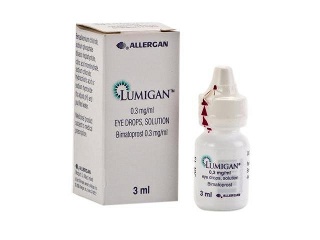
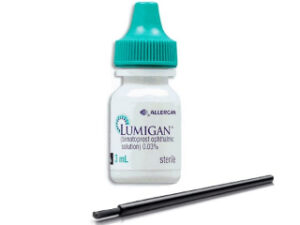
Lumigan is a brand of medicine that contains bimatoprost. It is used to lower pressure inside the eye and, in some people, to help improve the appearance of eyelashes. This guide explains how Lumigan works, how it is used, key safety information, interactions, and what to expect when using the drops.
This information is for general education. Always follow the instructions provided with your product and seek advice from an eye health professional for personalised guidance.
Quick Facts
- Active ingredient: Bimatoprost
- Medicinal form: Eye drops (usually in a single dropper bottle)
- Main purpose: Reducing elevated intraocular pressure (IOP)
- Also used for: Enhancing eyelash length/appearance in appropriate patients
- Common effect: Gradual reduction in eye pressure over days to weeks
Basic Product Information
Lumigan contains bimatoprost, a prostaglandin-related medicine. It comes as an eye drop solution. In Australia, it is supplied through pharmacy channels and is available as a consumer medicine product for appropriate indications. Product strengths and formulations may vary by brand/market; check the pack and consult your pharmacist for the exact product you have.
How it is supplied
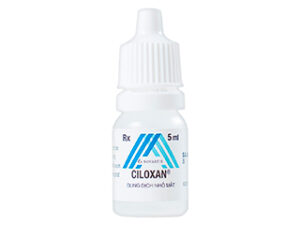
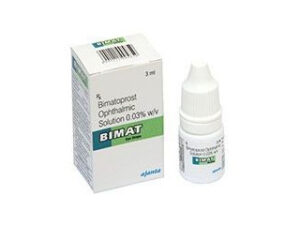
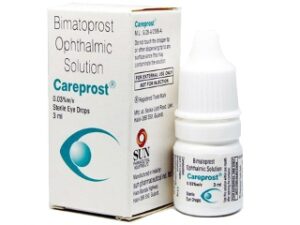
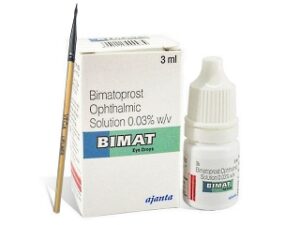
- Typically provided in a dropper bottle designed for single-eye or both-eye use, depending on your treatment plan.
- Once opened, follow the storage instructions on the label and use before the expiry date after opening (if stated).
How Lumigan Works (Mechanism of Action)
Bimatoprost belongs to a group of medicines that help the eye drain fluid more effectively. In simple terms, it works by:
- Increasing outflow of aqueous humour (fluid inside the eye), particularly through pathways that help fluid leave the eye.
- Lowering intraocular pressure (IOP), which is important in conditions such as glaucoma and ocular hypertension.
By reducing IOP, Lumigan may help slow the progression of optic nerve damage in people with glaucoma or ocular hypertension. For eyelash effects, it can influence the growth cycle of eyelashes in some individuals.
Pharmacokinetics (Absorption, Distribution, Metabolism, Excretion)
Pharmacokinetics describes what happens to the medicine in the body after it is used. For eye drops, the majority of the dose acts locally in the eye. Some absorption can occur through the eye tissues and into the bloodstream, but levels are generally low.
- Absorption: After topical ocular use, bimatoprost can be absorbed through the cornea and ocular tissues.
- Systemic exposure: Blood levels are typically low compared with many oral medicines.
- Distribution: The drug and/or its metabolites distribute throughout the body to some extent, as expected after absorption.
- Metabolism: Bimatoprost is metabolised in the body, including through pathways typical of prostaglandin-like agents.
- Elimination: Metabolites are excreted mainly via urine and other routes.
Individual responses vary. If you have kidney or liver disease, discuss your circumstances with a healthcare professional.
Typical Use and Timing
Lumigan is commonly used as an eye drop that is applied , often in the evening. Many patients are instructed to use it at the same time each day to maintain a consistent effect.
When to use (timing)
- Most common schedule: Once daily in the evening.
- Follow your prescription instructions: Some people may be advised to use it at a specific time.
- If you miss a dose: Use it as soon as you remember on the same day. If it is close to the next dose, skip the missed dose. Do not use double the amount.
Why evening?
Some ocular pressure–lowering medicines show improved effectiveness with evening dosing due to natural daily variations in IOP. Your clinician may have chosen evening timing for that reason.
Food Interactions
Because Lumigan is applied to the eye, food interactions are not generally expected. The medicine’s absorption is largely local, and there is no typical pattern of interaction with meals.
Alcohol and Medicine Interactions
Alcohol
No specific alcohol–bimatoprost interaction is commonly highlighted. However, alcohol can affect general wellbeing and may worsen dry-eye or irritation symptoms in some people. If you notice increased eye discomfort after drinking, consider reducing alcohol and discuss persistent symptoms with your pharmacist or eye professional.
Medicine interactions
Most interactions with Lumigan relate to other eye drops and how they are used together. Systemic drug interactions are not typically the major concern because the medicine is used locally. Still, it’s important to inform your pharmacist about all medicines you take.
- Other glaucoma medications: If you use more than one eye medicine, ask how to combine them safely (often staggered times are recommended).
- Anti-inflammatory eye drops (steroid drops): Use caution and seek advice if you are using steroids, as they can alter eye inflammation patterns and potentially affect response.
- Contact with other drops: Avoid mixing in the same bottle. Do not dilute or combine doses unless instructed.
If you start or stop any other medicine, tell your pharmacist/doctor. Also check with them before using new products for allergies, colds, or nausea, especially if they affect the eyes or fluid balance.
Indications (What Lumigan is Used For)
Lumigan is indicated for:
- Reduction of elevated intraocular pressure in people with glaucoma or ocular hypertension.
- Reduction of the risk of progression of optic nerve damage related to increased IOP (as part of ongoing eye care).
- Cosmetic eyelash enhancement in some patients, where authorised for use (e.g., increased eyelash length, thickness, and darkness).
Your clinician will confirm which indication applies to you and which formulation/strength is correct.
Dosing (How Much and How Often)
Typical dosing for Lumigan is:
- Adults (most indications): One drop in the affected eye(s) once daily, commonly in the evening.
- Follow pack instructions and professional advice. Some patients may be treated in both eyes.
The exact dose can vary depending on your diagnosis, your response, and whether you use other eye medicines. If the bottle label or carton differs from the general description, follow the product instructions.
Practical step-by-step: how to apply Lumigan
- Wash your hands before opening the bottle.
- Shake gently if your product instructions indicate this (many eye drops do not require shaking, but follow your label).
- Prepare the dropper:
- Look in a mirror if helpful.
- Keep the bottle tip away from your eye and eyelids to reduce contamination.
- Tilt your head back and pull down the lower eyelid to form a small “pocket”.
- Instil one drop into the pocket without touching the eye.
- Close your eye gently and press lightly on the inner corner of your eye (near the nose) for about 1 minute. This can reduce drainage into the tear duct and may reduce systemic absorption.
- Wipe away excess liquid with a clean tissue.
- Replace the cap tightly.
- Wash your hands again.
If you use contact lenses
- Contact lens use may be affected by eye redness or irritation caused by drops.
- If your product instructions allow lens use, follow them carefully.
- Many eye-care professionals recommend removing contact lenses before applying drops and waiting at least 15 minutes before reinserting (confirm with your pharmacist/product leaflet).
What to Expect: Effect and Follow-up
Lumigan can begin lowering IOP soon after starting, but noticeable results may take time. Eye specialists typically monitor response over weeks and adjust treatment if needed. Attend follow-up appointments even if you feel well—glaucoma often has no symptoms.
Safety Profile (Side Effects and Warnings)
Like all medicines, Lumigan can cause side effects. Many people experience mild, temporary effects, but some require medical advice. If you have severe pain, sudden vision changes, or signs of allergy, seek urgent medical care.
Common side effects
- Redness of the eye
- Itching or irritation
- Dry eye or a gritty feeling
- Watery eyes
- Minor stinging or burning after applying drops
Less common but notable effects
- Changes in eyelash appearance (longer, thicker, darker lashes) – usually reversible after stopping but may take time.
- Periorbital changes such as darkening of skin around the eyes in some users (less common).
- Light sensitivity in some patients.
- Eye inflammation (rare), including conjunctival redness and discomfort beyond typical irritation.
Serious warnings—seek urgent help if
- Severe eye pain
- Sudden or worsening blurred vision
- Significant swelling of eyelids or face
- Signs of allergy (widespread rash, severe itching, breathing difficulty)
- Symptoms suggesting infection (increasing discharge, severe redness, fever)
Can Lumigan change eye colour?
In some cases, prostaglandin-related medicines have been associated with increased pigmentation of the iris or surrounding tissues. This may be gradual and may become more noticeable over time. If you notice a change in iris colour or appearance, discuss it with your eye specialist.
Practical Use Tips (Getting the Best Results)
- Be consistent: use at the same time each day.
- Correct technique matters: one drop only—avoid touching the eye or bottle tip.
- Reduce overflow: wipe gently and avoid blinking immediately after instillation.
- Use a tissue to catch excess if you tend to tear.
- Don’t stop suddenly: for glaucoma/IOP control, treatment interruption can raise pressure again.
- Track changes: note redness, discomfort, or eyelash changes to discuss at your next appointment.
How to combine Lumigan with other eye drops
If you use more than one eye drop, spacing doses can help prevent dilution and improve effectiveness. A common approach is to wait about 5–10 minutes between different drops, but confirm the timing with your pharmacist or ophthalmologist.
Alternative Options
Depending on your diagnosis and response, there are several other options for lowering IOP or addressing eyelash concerns. Your eye-care provider can advise based on your medical history, eye anatomy, and tolerability.
Other classes used for glaucoma/ocular hypertension
- Prostaglandin analogues (similar class to bimatoprost)
- Beta-blocker eye drops
- Alpha-agonists
- Carbonic anhydrase inhibitors
- Rho-kinase inhibitors (in some markets/availability)
For eyelash enhancement
There may be other authorised eyelash products or alternatives depending on regulatory status and availability in Australia. If you are using Lumigan primarily for cosmetic eyelash effects, discuss expectations and possible side effects with your pharmacist.
Do not switch between medicines without advice, especially if your treatment is for glaucoma.
Market and Legal Context in Australia
In Australia, eye medicines are regulated under the national medicines framework. Medicines like Lumigan are supplied through pharmacies and are provided in accordance with Australian regulatory requirements. Availability and pack formats can vary over time.
- Regulatory oversight: Approved for specific indications and usage instructions.
- Safety monitoring: Reporting side effects helps healthcare systems understand product performance.
- Supply: Most community pharmacies can order stock if a product is temporarily unavailable.
Recent Guidance and Ongoing Safety Considerations
While product leaflets and clinician instructions remain the primary source of guidance, general best practices for safe eye-drop use include:
- Using the correct dose and timing (commonly once daily in the evening).
- Avoiding contamination of the dropper tip.
- Not using expired product.
- Seeking advice if side effects persist or worsen.
- Maintaining scheduled glaucoma monitoring appointments.
If there are new updates for bimatoprost products (such as changes in labelling, formulations, or product availability), your pharmacist can help you access the most current information for your specific pack.
Delivery and Availability in Australia
Lumigan is typically available via pharmacies across Australia. Many online pharmacies also offer delivery. Availability may depend on stock levels, your selected strength/formulation, and regional distribution.
What to check before ordering online
- Strength and formulation: Ensure the product matches what you need.
- Pack size: Confirm quantity and whether it is the same as your previous supply.
- Cold chain: Most eye drops do not require refrigeration unless stated on the pack.
- Expiry: Check expiry date and any “use after opening” instructions.
Shipping considerations
- Look for providers that package items to protect from damage and temperature extremes.
- Allow time for dispatch and delivery, especially if you’re due to run out.
Frequently Asked Questions (FAQ)
1) How long does it take for Lumigan to lower eye pressure?
Some effect may be seen early, but the full pressure-lowering benefit can take several weeks. Your eye-care team may check your IOP after starting or changing therapy.
2) What if my eye is red after using Lumigan?
Mild redness and irritation can be expected in some people. If redness is mild and settles, it may be tolerable. If it is severe, worsening, or associated with pain, discharge, or vision changes, seek medical advice promptly.
3) Will Lumigan darken my eyelids or iris?
Increased pigmentation can occur with prostaglandin-related medicines, including possible iris pigmentation changes and eyelid/periorbital skin changes in some users. These changes may be gradual. Discuss any noticeable changes with your eye specialist.
4) Can I use Lumigan with other eye drops?
Often yes, but correct timing is important to avoid one drop diluting another. Ask your pharmacist/doctor about a schedule—commonly you wait a few minutes between different eye drops.
5) Can I wear contact lenses while using Lumigan?
Follow the instructions on your product pack or your pharmacist’s advice. Many users are advised to remove contacts before applying drops and wait before reinserting. If your eyes feel dry or irritated, limit contact lens use until symptoms improve.
6) What should I do if I miss a dose?
Use it as soon as you remember on the same day. If it is close to your next dose, skip the missed dose. Do not use double the amount to make up for a missed dose.
7) Is Lumigan safe for children?
Safety and dosing depend on the product’s authorised indications and age group. Speak with your paediatrician or eye specialist for guidance.
8) Are there any driving or vision safety concerns?
Some people experience brief stinging or blurred vision after instilling drops. Wait until vision is clear before driving or operating machinery.
9) How do I store Lumigan?
Store according to the label (commonly at room temperature away from direct sunlight and moisture). Keep out of reach of children. Do not use after the expiry date.
10) Can I use Lumigan if I have eye inflammation or an eye infection?
If you have active eye infection or significant inflammation, you should seek advice before using the drops. Your eye-care professional can assess whether bimatoprost is appropriate and what additional treatment is needed.
Summary
Lumigan (bimatoprost) is an eye drop used to lower intraocular pressure, supporting management of glaucoma and ocular hypertension. It can also enhance eyelash appearance in appropriate patients. Effective use depends on correct daily timing, proper drop technique, and ongoing eye monitoring. If you experience significant discomfort, changes in vision, or severe redness, contact a healthcare professional promptly.
Note: Always read the pack information and follow advice from your healthcare professional. If anything in this guide conflicts with your product leaflet, follow the leaflet provided with your Lumigan bottle.
| Category | Key Points |
|---|---|
| Active ingredient | Bimatoprost |
| Common use | Lowering elevated intraocular pressure; eyelash enhancement in authorised indications |
| Typical dosing | One drop once daily, commonly in the evening |
| Mechanism | Helps increase fluid outflow from the eye, reducing IOP |
| Common side effects | Redness, irritation, dry/watery eyes |
| Seek urgent care if | Severe pain, sudden vision changes, significant swelling, allergy symptoms |
| Interactions | Most concerns relate to other eye drops; space doses between different medicines |