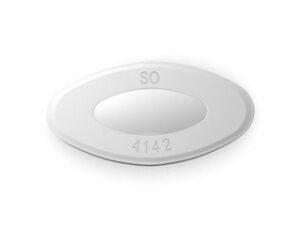
Carvedilol (for heart and blood pressure conditions) — Patient Guide
Carvedilol is a medicine commonly used to help manage certain heart conditions and high blood pressure. It belongs to a group of drugs called beta-blockers and has additional effects that help relax and dilate blood vessels. In Australia, carvedilol is available through licensed pharmacies and is used as part of long-term care for people who need improved control of heart rate and blood vessel tone.
This guide explains how carvedilol works, when and how it is usually taken, possible side effects, key safety precautions, and practical tips to help you use the medicine safely. Always follow the instructions provided with your product and by your healthcare professional.
Basic product information
- Generic name: Carvedilol
- Medicine class: Beta-blocker with alpha-blocking activity (vasodilating effect)
- Common forms: Tablets (strengths vary by brand)
- Typical dosing schedule: Often taken twice daily depending on the formulation
- Who it’s for: People with high blood pressure and/or certain heart conditions such as heart failure
Your exact strength and dosing schedule will depend on the condition being treated and your individual response.
How carvedilol works (mechanism of action)
Carvedilol lowers the strain on your heart and helps regulate blood flow in two main ways:
- Beta-blockade: It blocks beta-adrenergic receptors, reducing the effects of adrenaline. This can slow the heart rate and reduce how hard the heart works.
- Alpha-blockade (vasodilation): It also blocks alpha-1 receptors, which relaxes blood vessels. Relaxed blood vessels can lower blood pressure and improve circulation.
Together, these actions can:
- Reduce blood pressure
- Decrease cardiac workload
- Improve symptoms and function in some forms of heart failure
- Help reduce the risk of deterioration in appropriate patients as part of a comprehensive treatment plan
Pharmacokinetics (how the body processes carvedilol)
“Pharmacokinetics” refers to what the body does with the medicine: absorption, distribution, metabolism, and elimination. While individual responses can vary, the following points help explain typical behaviour in the body.
- Absorption: Carvedilol is absorbed after oral dosing. Food can influence absorption and peak levels (details below).
- Distribution: It distributes into body tissues, including cardiovascular tissues.
- Metabolism: Carvedilol is metabolised mainly in the liver (primarily via CYP enzymes). This is why liver health and certain interacting medicines can matter.
- Elimination: The medicine and its metabolites are eliminated mostly through the liver/bile and the kidneys.
Because carvedilol is metabolised in the liver, people with significant liver impairment may require caution or dose adjustments. If you have liver disease, discuss suitability with a healthcare professional.
Typical uses (indications)
Carvedilol is used for conditions where slowing the heart and reducing vascular resistance can help. Indications vary by country and product listing, but in Australia it is commonly used for:
| Condition | What carvedilol may help with |
|---|---|
| High blood pressure (hypertension) | Lowering blood pressure and reducing cardiovascular strain |
| Heart failure (including chronic stable heart failure, as appropriate) | Improving symptoms, supporting heart function, and reducing progression risk |
| Heart-related rhythm/strain management (as determined by a clinician) | Helping control heart rate and workload in selected patients |
Carvedilol is usually part of a broader plan. For example, heart failure care often includes additional medicines such as ACE inhibitors/ARBs, diuretics, and other therapies depending on the individual.
When to take carvedilol (timing and how to fit it into your day)
Many people take carvedilol twice daily (morning and evening). A common approach is:
- Morning dose: shortly after breakfast
- Evening dose: shortly after dinner (or before bedtime if advised)
If your dose is once daily, follow the schedule on your label and the product instructions. Try to take each dose at similar times every day to maintain steady medicine levels.
Starting dose matters
Carvedilol is often started at a low dose and gradually increased to reduce the chance of side effects such as dizziness or low blood pressure. Do not increase or change the dose without guidance.
Food interactions: can you take carvedilol with meals?
Carvedilol’s absorption may be affected by food. In many people, taking carvedilol with food can help reduce the risk of side effects like dizziness and may improve tolerability.
For practical use:
- Take carvedilol with a meal if this is how your healthcare professional has advised.
- If you typically eat at specific times, align doses with your meals for consistency.
If you are unsure how your product should be taken, check the label directions or speak with a pharmacist.
Alcohol and medicine interactions
Alcohol
Alcohol may increase the risk of dizziness, light-headedness, and low blood pressure when combined with carvedilol. If you drink alcohol, consider:
- Start with small amounts and see how you feel
- Avoid binge drinking
- Be extra cautious when getting up quickly
Other medicines that may interact
Carvedilol can interact with other medicines that affect heart rate, blood pressure, or liver metabolism. Discuss your full list of medicines (including over-the-counter products and supplements) with a pharmacist or doctor.
Examples of medicines that may require extra caution include:
- Other blood pressure or heart medicines: can compound the effect on blood pressure or heart rate.
- Some antiarrhythmics: may affect heart rhythm and conduction.
- Calcium channel blockers (certain types): may also slow heart rate or influence conduction.
- Medicines that affect liver enzymes: may raise or lower carvedilol levels.
- Diabetes medicines: carvedilol may mask symptoms of low blood sugar (such as palpitations).
- NSAIDs (e.g., ibuprofen, naproxen): may affect blood pressure control in some people.
This is not a complete list. Always confirm potential interactions for your specific product and dose.
How carvedilol is dosed (typical dosing approaches)
Dosing depends on the condition, your heart rate and blood pressure, kidney and liver function, and how you tolerate the medicine. Carvedilol is typically started low and increased gradually.
Typical dosing pattern (general guidance):
- Hypertension: commonly begins with a low daily dose, then adjusted gradually.
- Heart failure: often begins with a very low dose with careful monitoring, then titrated to an effective dose as tolerated.
Because carvedilol products differ in strengths and schedules, the exact dose should be taken from your label. If you miss a dose, follow your product’s instructions or ask a pharmacist—do not double up unless told to.
Dose adjustments and monitoring
Your clinician may monitor:
- Blood pressure (especially for dizziness on standing)
- Heart rate (to avoid overly slow pulse)
- Symptoms of fluid retention in heart failure
- Signs of worsening breathlessness or fatigue
If you experience severe light-headedness, fainting, or a very slow pulse, contact a healthcare professional promptly.
Safety profile: what to expect and when to seek help
Like all medicines, carvedilol can cause side effects. Many are dose-related and improve as your body adjusts—especially when dose increases are gradual. However, some effects require prompt medical attention.
Common side effects
- Dizziness or light-headedness (especially when standing up)
- Fatigue or tiredness
- Slow heart rate (bradycardia)
- Low blood pressure (hypotension)
- Headache
- Swelling may occur in some heart-related conditions—report changes to your clinician
Less common but important risks
- Breathing difficulties, wheezing, or asthma flare-ups (beta-blockers can affect airways in susceptible people)
- Worsening heart failure symptoms during titration (e.g., sudden weight gain, swelling, increasing breathlessness)
- Electrolyte or fluid balance changes (especially if combined with diuretics)
- Changes in blood sugar awareness (palpitations may be less noticeable in diabetes)
Seek urgent medical help if you have
- Fainting or severe dizziness
- Chest pain or severe shortness of breath
- Severe allergic reaction (e.g., swelling of face/lips, trouble breathing)
- Very slow pulse with symptoms (e.g., weakness, confusion, fainting)
Do not stop suddenly
Stopping beta-blockers abruptly can worsen heart symptoms in some people. If discontinuation is needed, it is generally done by tapering under medical guidance.
Practical use tips (to get the best results safely)
Take consistently
- Use a daily routine (e.g., with breakfast and dinner) to reduce missed doses.
- Keep track of your dose times on a phone reminder or medication organiser.
Stand up slowly
If you feel dizzy, especially during the first weeks or after dose increases, rise slowly from sitting or lying down. Sitting for a moment before standing can help.
Monitor how you feel after dose changes
- After titration, pay attention to pulse, dizziness, breathlessness, swelling, and energy levels.
- Report concerning changes early rather than waiting.
Hydration and heat
Hot weather or dehydration can worsen dizziness and low blood pressure. Maintain adequate fluids unless your doctor has restricted fluids (common in certain heart failure plans).
Driving and machinery
Carvedilol can cause dizziness or fatigue in some people. Until you know how it affects you, be cautious when driving or operating machinery.
What to do if you miss a dose
If you miss a dose:
- Take it when you remember if it is close to the next scheduled dose.
- If you are near the next dose time, skip the missed dose and continue with your usual schedule.
- Do not double to make up for a missed dose unless your pharmacist or clinician advises.
If you miss multiple doses, contact your pharmacy or clinician for advice.
Alternative options (other medicines that may be considered)
If carvedilol isn’t suitable due to side effects, interactions, or individual preference, clinicians may consider other therapies for the same conditions. Alternatives depend on your diagnosis and overall health.
Possible beta-blocker alternatives
- Metoprolol
- Bisoprolol
- Atenolol
Other blood pressure and heart failure options
- ACE inhibitors or ARBs
- Diuretics (water tablets) for fluid control
- Other heart-rate or rhythm medicines as appropriate
Only switch medicines under medical guidance. Different beta-blockers have different dosing schedules and side-effect profiles.
Carvedilol in the Australian market: legal and practical context
In Australia, medicines are supplied through the community pharmacy network in accordance with the relevant regulatory requirements. Carvedilol is a prescription-only medicine in Australia in most circumstances.
Online pharmacies typically require you to provide appropriate information for safe dispensing, which may include confirming your details, your medicine strength and directions, and relevant health history where required. Always ensure you purchase from a legitimate, licensed Australian pharmacy website.
Product availability, brand names, and formulations can vary by supplier and region.
Recent guidance and evolving best practice (general themes)
Clinical practice for cardiovascular medicines continues to evolve. Common themes in ongoing guidance include:
- Careful titration of beta-blockers to improve tolerability
- Monitoring of blood pressure, heart rate, and symptoms—particularly in heart failure
- Attention to comorbidities (e.g., asthma/COPD, diabetes, liver impairment)
- Co-ordination of care with other heart failure therapies where relevant
For the latest, most specific recommendations, refer to documents from Australian healthcare bodies or speak with a healthcare professional.
Delivery, availability, and what to expect when ordering online in Australia
Online pharmacy delivery can vary depending on your location, the product you choose, and stock availability. Most Australian online pharmacies aim to deliver promptly once your order is verified and processed.
- Stock checks: Some listings may indicate “in stock” or estimate dispatch times.
- Packaging: Medicines are typically supplied in manufacturer packaging with clear labelling.
- Delivery tracking: Many services provide tracking details.
- Timeframes: Delivery time depends on courier service and your address (metro vs regional).
Before ordering, review any service terms on the website such as delivery fees, estimated dispatch times, and returns/refund policies.
FAQ: Carvedilol (patient questions)
1) What is carvedilol used for?
Carvedilol is used to treat high blood pressure and certain heart conditions—most notably chronic stable heart failure in appropriate patients. It helps lower blood pressure and reduce the heart’s workload.
2) How long does carvedilol take to work?
You may notice effects on blood pressure and heart rate relatively quickly, but full benefits—especially in heart failure—develop over weeks to months. Your clinician may adjust the dose gradually based on your response.
3) Should I take carvedilol with food?
Many people are advised to take carvedilol with meals to improve tolerability and reduce the chance of dizziness. Follow the instructions provided with your product and by your healthcare professional.
4) Can I drink alcohol while taking carvedilol?
Alcohol may increase dizziness or low blood pressure when combined with carvedilol. If you choose to drink, do so cautiously and avoid heavy drinking. If you feel faint or unusually unwell, stop and seek advice.
5) Does carvedilol affect my diabetes?
It may mask some warning signs of low blood sugar, such as palpitations. If you have diabetes, monitor your blood glucose as advised and discuss any hypoglycaemia history with your healthcare professional.
6) What side effects are most common?
Common side effects include dizziness, tiredness, low blood pressure, and a slower heart rate. These are often more noticeable when starting or after dose increases.
7) What should I do if I feel dizzy after a dose?
Sit or lie down immediately, rise slowly, and avoid driving until you feel steady. If dizziness is severe or you faint, seek medical help. Contact your healthcare professional if the issue persists, as dose timing or adjustment may be needed.
8) Can carvedilol be taken with other medicines?
Carvedilol can interact with several medicines, especially those affecting heart rate, blood pressure, or liver enzymes. Tell your pharmacist about all medicines you take (including herbal products and non-prescription items).
9) Is it safe to stop carvedilol suddenly?
In many cases, stopping a beta-blocker abruptly is not recommended. It should be tapered under medical guidance to reduce the risk of worsening symptoms.
10) Who should use extra caution with carvedilol?
People with asthma or certain breathing conditions, diabetes, slow heart rates, liver impairment, and those taking interacting medicines should use extra caution. Your healthcare professional can advise based on your individual history.
Summary
Carvedilol is a beta-blocker with vasodilating properties used in Australia to help manage high blood pressure and certain heart conditions such as heart failure. It works by slowing the heart and relaxing blood vessels, reducing strain on the cardiovascular system.
For best results and safety, take carvedilol regularly (often with meals), monitor how you feel—especially after dose changes—and do not stop suddenly. If you have concerns about side effects, interactions, or missed doses, speak with a pharmacist or healthcare professional.