

Clarinex® (Desloratadine) — Patient-Friendly Information (Australia)
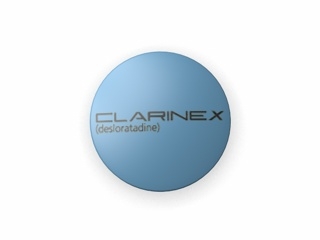
Clarinex is a brand of desloratadine, a non-drowsy (second-generation) antihistamine used to relieve allergy symptoms. It is commonly used for conditions such as hay fever (allergic rhinitis) and chronic idiopathic urticaria (ongoing hives). This guide explains how it works, how to take it, common interactions, and practical tips to help you use it safely.
Always follow the instructions on the product pack or provided by a healthcare professional. If you are unsure whether Clarinex is right for you, speak with a pharmacist.
1) Basic product information
| Feature | Information |
|---|---|
| Brand name | Clarinex® |
| Generic name | Desloratadine |
| Drug class | Second-generation (non-drowsy) antihistamine |
| Typical dosing frequency | Usually once daily (age-dependent) |
| Common forms | Tablets (strengths vary by product), liquid formulations may be available |
| Allergy-related symptoms targeted | Sneezing, runny nose, itching, watery eyes, and hives/itching |
2) How Clarinex works (mechanism of action)
Allergies involve histamine, a chemical released by the body when it reacts to triggers such as pollen, dust mites, or animal dander. Histamine acts on H1 receptors, leading to symptoms like itching, sneezing, runny nose, and swelling.
Desloratadine blocks H1 receptors. By preventing histamine from binding to these receptors, Clarinex can reduce:
- Itching
- Sneezing
- Runny or blocked nose (improvement varies by person)
- Watery, itchy eyes
- Hives (urticaria) and associated itch
Because it is a second-generation antihistamine, it is designed to have less penetration into the brain compared with older antihistamines, which is why many people experience minimal drowsiness.
3) Pharmacokinetics (how the body processes it)
Understanding pharmacokinetics can help you anticipate when the medicine may start working and how long it lasts. While individual responses vary, typical features include:
- Absorption: Desloratadine is absorbed after oral dosing.
- Time to peak: Levels typically reach peak concentration within a few hours.
- Onset of symptom relief: Many people begin to notice improvement within the first day; full benefit may take longer.
- Duration: The medicine is formulated for once-daily dosing in most cases.
- Metabolism & elimination: It is processed by the liver and eliminated primarily through the body’s normal pathways (including urine).
If you have liver or kidney problems, your pharmacist can advise whether any dose adjustment or extra caution is needed.
4) Typical uses in Australia
Clarinex is used to relieve symptoms associated with allergy and skin reactions. Common indications include:
- Allergic rhinitis (hay fever): e.g., sneezing, runny nose, itchy nose/throat, watery eyes.
- Chronic idiopathic urticaria (chronic hives): ongoing itchy hives where the cause is not specifically identified.
5) Indications and symptom guidance
While Clarinex can help many allergy and hive symptoms, it’s important to match the medicine to your condition. Consider whether your symptoms are consistent with the following:
- Hay fever/allergic rhinitis: Symptoms often follow exposure to pollen or indoor allergens and may include sneezing, itch, runny nose, and eye symptoms.
- Chronic hives: Recurrent, itchy raised welts (hives) that may come and go over weeks or months.
If symptoms include severe breathing difficulty, swelling of lips/tongue, or signs of a serious allergic reaction (anaphylaxis), seek urgent medical attention.
6) Timing: when to take Clarinex
Clarinex is commonly taken once daily. Many people prefer taking it at the same time each day to maintain steady symptom control.
Starting treatment
- Hay fever: Start when allergy symptoms begin or shortly before expected seasonal exposure, if you know your triggers.
- Chronic urticaria: Take consistently as directed; symptoms may fluctuate, but regular dosing helps maintain control.
Missed dose
If you miss a dose, take it when you remember unless it is close to your next dose. Do not take a double dose to make up for the missed one.
How to take
- Swallow tablets whole with water.
- If using liquid, measure carefully using the provided dosing device.
- Follow the pack instructions for the specific strength and age group.
7) Dosing (general guidance for adults and children)
Dosing can vary depending on the formulation (tablets vs liquid), patient age, and the product strength. Always check your pack label or consult a pharmacist for the correct dose.
Common dosing principles
- Adults and adolescents: Often dosed once daily.
- Children: Dose depends on age and product formulation; some products may not be suitable for younger children.
- People with liver or kidney impairment: Your pharmacist may advise caution or an adjusted approach.
Example dosing table (verify with your pack)
The table below provides general illustrative guidance. Exact dosing should be confirmed using the product instructions you have available.
| Age group | Typical desloratadine dosing approach | Notes |
|---|---|---|
| Adults | Usually once daily | Follow pack strength and instructions. |
| Adolescents | Usually once daily | Confirm dosing on the product label. |
| Children | Age-dependent once-daily dosing | Use the correct formulation and dosing measure. |
If you tell your pharmacist the exact product you have (strength and formulation) and the age of the person taking it, they can confirm the correct dose.
8) Food interactions
Desloratadine is generally not significantly affected by food. Many people can take Clarinex with or without meals. However, if you notice stomach upset or prefer taking it with food for comfort, that is usually acceptable.
For best consistency, choose a routine (with or without food) and take it the same way each day.
9) Alcohol interactions
Clarinex is designed to have a lower risk of drowsiness than older antihistamines, but some people may still feel sleepy or less alert. Alcohol can also make you more drowsy.
- Recommendation: Limit alcohol while you are adjusting to the medicine, especially if you will drive or operate machinery.
- Watch for effects: If you feel sleepy, avoid alcohol and do not drive until you feel normal again.
10) Medicine interactions (other medicines and supplements)
Desloratadine has fewer interactions than many other medicines, but interactions can still occur with some drugs. Tell your pharmacist about everything you take, including:
- Other allergy/cold medicines
- Sleep or anxiety medicines
- Medicines for infections
- Seizure medicines
- Herbal supplements (e.g., St John’s wort)
In particular, be cautious if you combine Clarinex with other medicines that can cause drowsiness. While Clarinex is less sedating for many people, the combination effect may still increase tiredness.
If you are taking multiple medicines, a pharmacist can check your interaction risk quickly.
11) Safety profile: who should be cautious
Most people tolerate Clarinex well. However, consider the following safety points and speak to a healthcare professional if you have concerns.
Common side effects
Not everyone experiences side effects. Possible effects include:
- Headache
- Dry mouth
- Tiredness or fatigue (less common than with older antihistamines)
- Stomach discomfort or nausea (occasionally)
Seek urgent help if you have
- Swelling of the face, lips, tongue, or throat
- Severe rash or hives that rapidly worsen
- Difficulty breathing, wheezing, or faintness
Pregnancy, breastfeeding and fertility (general guidance)
If you are pregnant, trying to conceive, or breastfeeding, talk to a pharmacist or doctor for advice specific to your situation. They will consider symptom severity and the safest approach for you.
Driving and machinery
Many people can drive while taking desloratadine, but individual responses vary. Until you know how Clarinex affects you, use caution.
12) Practical use tips (getting the best results)
Allergy control often works best when medicine is combined with trigger management and smart timing.
For hay fever / allergic rhinitis
- Track triggers: Note whether symptoms worsen outdoors (pollen) or indoors (dust mites, mould).
- Shower after high-exposure days: Rinse pollen from hair/skin to reduce ongoing exposure.
- Keep windows closed during peak pollen: Especially on windy, dry days.
- Consider combined therapies: If symptoms include significant nasal blockage, a pharmacist may suggest additional options (such as nasal sprays) depending on your health needs.
For chronic hives
- Use consistently: Hives may fluctuate, but regular dosing helps reduce itch and new welts.
- Identify and minimise triggers: Some people notice flare-ups with stress, heat, certain foods, alcohol, or NSAIDs (e.g., ibuprofen). If you suspect triggers, discuss with your pharmacist.
- Avoid scratching: Scratching can worsen skin inflammation and prolong symptoms.
Storage and handling
- Store at room temperature as directed on the pack.
- Keep out of reach of children.
- Check expiry date before use.
13) Alternative options (if Clarinex doesn’t suit you)
There are several approaches to allergy and urticaria treatment. Alternatives depend on symptoms, age, and individual tolerance.
Other antihistamines
- Loratadine (also a second-generation antihistamine)
- Cetirizine and levocetirizine (can be more sedating for some people)
- Fexofenadine (often less sedating)
For nasal allergy symptoms
- Intranasal corticosteroid sprays can be effective for persistent nasal congestion, depending on the individual.
- Saline rinses may provide supportive relief.
For chronic urticaria
- Some people require stepwise adjustments under healthcare guidance if symptoms persist.
- Other medicines may be considered if antihistamines alone are insufficient.
If you are unsure whether to switch, ask a pharmacist. They can help you compare options and avoid double-dosing.
14) Market and legal context in Australia (what to know)
In Australia, medicines are regulated by the Therapeutic Goods Administration (TGA). Availability and category (for example, over-the-counter versus pharmacist-only or prescription-only depending on formulation/strength) can vary by product.
Clarinex (desloratadine) is widely supplied through Australian pharmacy channels, and availability may differ by:
- Formulation (tablets vs liquid)
- Strength and pack size
- Age restrictions listed on the pack
- Local pharmacy supply
For the latest product details, always refer to the specific pack you are purchasing and the guidance from your pharmacist.
15) Recent guidance and symptom approach (general)
Current allergy management commonly emphasises a “right tool for the symptom” approach:
- Antihistamines for itch, sneezing, runny nose, and hives.
- Intranasal therapies (when appropriate) for troublesome nasal blockage and prolonged rhinitis.
- Trigger reduction alongside medicine for better overall control.
If your symptoms are frequent, severe, or not well controlled, it is reasonable to review your plan with a pharmacist or GP.
16) Delivery, availability and ordering (online pharmacy)
Our online pharmacy experience is designed to be straightforward. Availability may vary depending on stock levels and product format. We aim to dispatch your order promptly, with delivery times depending on your location and shipping method selected at checkout.
- Check product details: Select the correct strength/formulation for the intended user.
- Confirm expiry: Orders should contain non-expired stock.
- Keep packaging: Save the box or label for dosage and storage instructions.
If you have any questions about whether a specific Clarinex pack is suitable for your age group or symptoms, contact our pharmacy team before placing your order.
17) FAQ — Frequently asked questions
How quickly does Clarinex work?
Many people begin to notice symptom relief within the first day. For seasonal allergies, consistent daily use helps maintain control while you are exposed to triggers. For chronic hives, symptoms may fluctuate, but regular dosing generally provides better coverage.
Will Clarinex make me drowsy?
Desloratadine is typically less sedating than older antihistamines. However, some people still feel tired or slightly sleepy. Avoid driving or operating machinery if you feel affected, especially when you first start.
Can I take Clarinex with food?
Yes. Food usually does not significantly affect desloratadine. You can take it with or without meals—choose what feels most comfortable.
Can I take Clarinex with other allergy medicines?
Do not double up on antihistamines without advice. Combining allergy products may increase the risk of side effects. If you are using multiple products (e.g., eye drops, nasal sprays, or cold/flu medicines), ask a pharmacist to confirm they are compatible.
Is Clarinex suitable for children?
Clarinex may be suitable for children depending on age and the specific formulation/strength. Always follow the pack instructions and confirm the correct dose with a pharmacist.
What if my symptoms don’t improve?
If symptoms persist despite regular use, consider discussing your situation with a pharmacist or doctor. It may be that the underlying cause is different, a different treatment approach is needed, or additional therapies could help.
Can I drink alcohol while taking Clarinex?
Alcohol can increase drowsiness in some people. If you notice any sleepiness or impaired alertness, avoid alcohol and driving. For best safety, limit alcohol while you assess how you respond to the medicine.
What should I do if I miss a dose?
Take it when you remember unless it is almost time for the next dose. Do not take two doses at once.
Are there any people who should be extra careful?
If you have liver or kidney problems, are pregnant or breastfeeding, or take multiple medications, speak to a pharmacist for tailored advice. Also seek urgent help if you experience signs of severe allergy (such as swelling or difficulty breathing).
18) Summary: key points to remember
- Clarinex (desloratadine) is an antihistamine used for hay fever symptoms and chronic hives/urticaria.
- It works by blocking histamine at H1 receptors, reducing itch, sneezing, and allergy-related symptoms.
- Most people take it once daily, typically at the same time each day.
- Food usually doesn’t matter—take with or without meals.
- Alcohol may increase drowsiness in some people—use caution.
- If symptoms are not controlled or side effects occur, consult a pharmacist for next steps.
Note: This information is general and may not cover every personal situation. For advice tailored to you, contact your pharmacist or healthcare professional. Always read the pack instructions for your specific product.