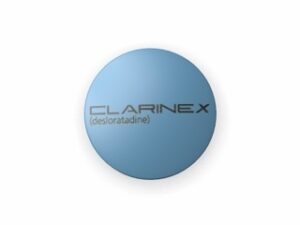
Desloratadine (Antihistamine) – Patient Information for Australia
Desloratadine is a modern, non-drowsy antihistamine used to relieve allergy symptoms such as sneezing, runny nose, itching, and watery eyes. It works by blocking the action of histamine—an important chemical released by the body during allergic reactions.
This guide is designed to help you understand how desloratadine works, when to take it, what interactions to consider, and how to use it safely. If you are unsure whether desloratadine is suitable for you, speak with a pharmacist or clinician.
Basic product information
| Feature | Details |
|---|---|
| Generic name | Desloratadine |
| Drug class | Second-generation antihistamine (H1 receptor antagonist) |
| Common uses | Allergic rhinitis; chronic idiopathic urticaria (hives) |
| Common forms | Tablets; oral solution (strength varies by brand) |
| Typical dosing frequency | Once daily (many products) |
| How it feels | Usually less likely to cause drowsiness than older antihistamines |
Note: Product strengths and brand names can differ between brands sold in Australia. Always follow the directions on the pack or those provided by your pharmacist.
How desloratadine works (mechanism of action)
During an allergic reaction, your body releases histamine. Histamine binds to H1 receptors on cells in the nose, eyes, skin, and airways. This triggers symptoms such as:
- sneezing and a runny or blocked nose
- itching of the nose or eyes
- watery eyes
- itching and raised welts (hives)
Desloratadine blocks the H1 receptors, reducing the effects of histamine. Because it targets these receptors effectively, it helps relieve both:
- seasonal or perennial allergy symptoms
- chronic hives (urticaria), including itch relief
As a second-generation antihistamine, desloratadine is designed to be less likely to cause central nervous system effects such as strong sedation in many people.
Pharmacokinetics: how your body absorbs and clears it
Pharmacokinetics describes what the body does to a medicine—how it is absorbed, distributed, metabolised, and eliminated.
- Absorption: Desloratadine is absorbed after oral dosing. Peak effects typically occur within about a few hours.
- Onset of symptom relief: Many people notice improvement within the first day, with full effect often developing over time.
- Distribution: It circulates throughout the body and acts at histamine receptors.
- Metabolism: It is processed in the liver (metabolised to active and/or related forms depending on the pathway).
- Elimination (clearance): Desloratadine and its metabolites are eliminated primarily through the body’s natural processes (including urine).
- Half-life (duration): It is long enough to support once-daily dosing for allergy symptom control in many people.
Practical takeaway: Because it lasts throughout the day for many patients, taking it regularly (often once daily) is usually more effective than taking it only when symptoms become intense.
Typical uses and indications
Desloratadine is used for relief of allergy-related symptoms. In Australia, it is commonly indicated for:
- Allergic rhinitis (hay fever and other non-infectious nasal allergies), including:
- sneezing
- runny nose (rhinorrhoea)
- itching of the nose
- itchy/watery eyes
- nasal symptoms that occur with exposure to allergens
- Chronic idiopathic urticaria (chronic hives), including reduction of:
- itchiness (pruritus)
- number and size of hives/welts
Not for: Desloratadine is not a treatment for infections like colds or flu. If symptoms include fever, severe sore throat, or thick yellow/green nasal discharge with worsening illness, seek medical advice.
When to take desloratadine (timing and schedule)
Desloratadine is generally taken once daily. Choose a time you can remember and keep to the same schedule to maintain steady symptom control.
Timing
- Morning: Many people take it in the morning to cover daytime allergy exposures.
- Evening: Some prefer evening dosing, especially if they find it causes mild alertness changes.
- Consistent daily use: For hay fever, starting before peak exposure (when recommended for your situation) can help reduce symptoms.
How long it takes to work
- Early improvement: Some relief can occur the same day.
- Steady control: All-day and multi-day symptom control is typically achieved with regular dosing.
If you are not getting adequate relief after several days of correct use, speak with a pharmacist. You may need a different approach, such as additional allergy measures or an alternative antihistamine strategy.
Food interactions and absorption
Desloratadine is generally considered suitable to take with or without food. Food is not expected to significantly reduce its effectiveness for most people.
- You can usually take it with water at any time.
- If you notice mild stomach discomfort, take it with food.
Tip: Keep to the dosing schedule on the product pack or as advised by a healthcare professional.
Alcohol and medicine interactions
Alcohol
Desloratadine is usually less sedating than older antihistamines, but individual responses vary. It is still wise to be cautious with alcohol:
- Consider limiting alcohol until you know how desloratadine affects you.
- If you feel drowsy, avoid alcohol and do not drive or operate machinery.
Other medicines
Desloratadine may interact with some medicines, particularly those affecting liver metabolism or causing sedation. Always check the full list of medicines you take with a pharmacist.
Common categories to mention when discussing interactions:
- Sedatives and sleep medicines (including some anxiety or sleep medications)
- Other antihistamines (to avoid doubling the dose)
- Certain antibiotics or antifungals (depending on the specific drug)
- Antidepressants or antipsychotics (if they affect sedation or metabolism)
Important: Avoid taking multiple allergy products at the same time unless you are certain they do not duplicate the same active ingredients.
Dosing: usual adult and child dosing guidance
Dosing depends on age, the specific product strength, and the condition being treated. Always follow the directions on the carton or label. Below is general information commonly used in allergy treatment pathways; exact dosing may differ by product.
Adults and adolescents
- Typical dose: Often 5 mg once daily for allergic rhinitis and chronic urticaria.
Children
- Dosing varies by age and whether the product is tablets or an oral solution.
- Many markets use lower doses for children under 12, frequently based on age and weight.
Oral solution vs tablets
- If using an oral solution, measure the dose carefully using the oral syringe or measuring device provided.
- Do not switch between brands without checking the concentration and the labelled dose.
Missed dose: If you miss a dose, take it when you remember on the same day. If it is nearly time for the next dose, skip the missed dose and continue your schedule. Do not take a double dose.
Overdose: If you believe more than the prescribed/label dose has been taken, contact Poisons Information Centre (13 11 26 in Australia) or seek urgent medical help.
Safety profile: side effects and what to watch for
Most people tolerate desloratadine well. Side effects are often mild and short-lived, but everyone is different.
Common side effects (may occur)
- headache
- dry mouth
- tiredness or sleepiness (less common than with older antihistamines, but possible)
- gastrointestinal discomfort (in some people)
Seek urgent help if
- you develop signs of an allergic reaction to the medicine (e.g., swelling of lips/face, difficulty breathing, widespread rash)
- you experience severe dizziness, fainting, or any serious worsening of symptoms
Special considerations
- Liver impairment: People with significant liver disease may require extra caution and should discuss dosing with a clinician or pharmacist.
- Children: Use age-appropriate products and correct dosing. Follow the label carefully.
- Driving/operating machinery: Desloratadine is typically less sedating, but if you feel drowsy, avoid driving and machinery.
Pregnancy and breastfeeding: If you are pregnant, trying to conceive, or breastfeeding, discuss options with a pharmacist or clinician before using desloratadine.
Practical use tips for better results
- Take it consistently: Once daily works best when taken at the same time each day.
- Manage exposure: Allergy symptoms often improve more when medicine is paired with practical measures (e.g., keeping windows closed during high pollen days, showering after outdoor activities).
- Give it time: Allow a few days for best symptom control, especially for chronic hives or ongoing rhinitis.
- Check other products: Many cold-and-flu or “allergy” combination products contain antihistamines—avoid duplication.
- Track your symptoms: Note severity and triggers to help you and your pharmacist decide if dose adjustment or an alternative plan is needed.
- Hydration and nasal care: For nasal allergies, saline rinses and adequate hydration can complement antihistamine therapy.
Alternative options for allergy and hives
Depending on the symptoms and your medical history, alternatives may include other antihistamines or different treatment approaches.
Other antihistamines
- Loratadine (also second-generation, similar non-drowsy profile for many people)
- Cetirizine (can be effective; some people find it more sedating)
- Levocetirizine (similar considerations as cetirizine)
For persistent allergic rhinitis
If nasal symptoms remain uncontrolled, a pharmacist or clinician may recommend adding or using:
- intranasal corticosteroid sprays (often very effective for congestion and runny nose)
- saline sprays or rinses
- allergen avoidance strategies
For chronic urticaria
Chronic hives can be complex. If symptoms persist, healthcare guidance may include stepwise adjustment of antihistamine treatment and evaluation of triggers.
Choosing an alternative: The “best” option can vary by person. Factors include sedation sensitivity, symptom pattern, other medications, and age.
Market and legal context in Australia
In Australia, medicines are regulated under the Therapeutic Goods Administration (TGA) framework. Availability depends on product classification (for example, whether an item is listed on the Australian Register of Therapeutic Goods (ARTG)) and whether it is supplied as an OTC (over-the-counter) or in another category.
Desloratadine-containing products may be available as non-prescription supply depending on the brand, formulation, and strength. Packaging, labels, and written directions are designed to help consumers use the medicine safely and effectively.
Important: This page is for information only. Always read the product label and follow the instructions provided by the manufacturer and your pharmacist.
Recent guidance and best-practice considerations
Across allergy care in Australia, the general approach for antihistamines remains consistent:
- Use the right medicine for the right symptom pattern (antihistamines for histamine-driven symptoms like sneezing/itch).
- Combine medicines with non-drug strategies such as allergen avoidance and nasal hygiene.
- Review effectiveness if symptoms do not improve—consider adherence, timing, and whether additional treatments are appropriate.
- Be mindful of sedation and individual variation, particularly when first starting or combining with other sedating agents.
Because allergy seasons and individual reactions vary, consult a pharmacist for tailored advice if you experience frequent or severe symptoms.
Delivery and availability (online pharmacy)
Desloratadine products may be available from online pharmacies in Australia in formats such as tablets or oral solution. Availability can vary by brand and strength.
- Shipping: Delivery times depend on location and the pharmacy’s dispatch schedule.
- Packaging: Medicines are typically delivered in original manufacturer packaging with labelling intact.
- Stock updates: If a specific brand or strength is temporarily unavailable, the pharmacy may offer an alternative product (subject to compatibility with the labelled dosing instructions).
Tip: When ordering, confirm the active ingredient and strength on the label, especially if switching between brands or formulations.
FAQ: Desloratadine questions people often ask
1. Is desloratadine non-drowsy?
Many people experience little to no drowsiness with desloratadine compared with older antihistamines. However, drowsiness can still occur in some individuals. If you feel sleepy, avoid driving or operating machinery.
2. How quickly does it start working?
Some improvement may occur within the first day. For best symptom control, especially with ongoing allergies or chronic hives, take it daily as directed and give it a few days to assess full benefit.
3. Can I take desloratadine with food?
Yes. Desloratadine is generally taken with or without food. If it upsets your stomach, taking it with food may help.
4. What if I miss a dose?
Take it when you remember if it’s still the same day. If you are close to the next dose, skip the missed dose and continue your regular schedule. Do not take a double dose.
5. Can I drink alcohol while using desloratadine?
Desloratadine is usually less sedating, but alcohol can still affect you. It’s best to limit alcohol and avoid it if you feel drowsy.
6. Can I take desloratadine with other allergy medicines?
Be careful. Many combination cold/allergy products also contain antihistamines. Using multiple products with similar ingredients may increase the risk of side effects. Ask a pharmacist if you are unsure.
7. Is desloratadine suitable for children?
Children can use desloratadine depending on the age and the specific product formulation. Always follow the child dosing on the pack or as advised by a pharmacist.
8. Will desloratadine cure allergies?
No—desloratadine helps manage symptoms by reducing histamine effects. Allergy triggers may still cause symptoms unless exposure is limited and (when appropriate) other preventive measures are used.
9. Can I use it for chronic hives (urticaria)?
Desloratadine is used to relieve symptoms of chronic idiopathic urticaria, including itch and hives. If symptoms persist despite treatment, consult a healthcare professional for further assessment.
10. When should I seek medical advice?
Get medical help if you experience severe allergic reactions, breathing difficulties, swelling of face/lips, or if your symptoms are not improving with correct use. Also seek advice if you have complicated health conditions or are using multiple medicines.
Summary
Desloratadine is a second-generation antihistamine commonly used in Australia to relieve symptoms of allergic rhinitis and chronic hives (urticaria). By blocking histamine’s effect at H1 receptors, it helps reduce sneezing, runny nose, itching, and watery eyes, as well as itch and welts associated with hives.
For best results, take desloratadine once daily as directed, pair it with practical allergy management strategies, and be mindful of potential interactions—especially with other sedating medicines or combination allergy/cold products.
If you have questions about choosing the right product, correct dosing for your age, or possible interactions, speak with a pharmacist.