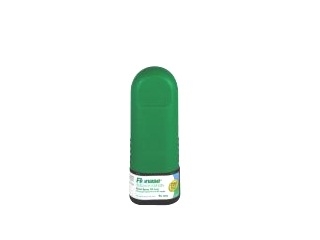
Flonase Nasal Spray (Fluticasone) — Patient Information (Australia)
Flonase Nasal Spray contains fluticasone propionate, a medicine used to relieve symptoms of allergic and inflammatory conditions affecting the nose. It is commonly used for hay fever (allergic rhinitis) and may also help with ongoing nasal inflammation.
This guide is written for patients in Australia and explains how Flonase works, how to use it properly, what to expect, and important safety considerations. If you have any questions about your symptoms or other medicines, speak with your pharmacist or doctor.
Basic product information
- Medicine: Flonase Nasal Spray
- Active ingredient: Fluticasone propionate
- Type: Intranasal corticosteroid (nasal steroid)
- Common use: Reduces inflammation in the nasal passages
- Form: Metered-dose nasal spray (pump device)
Note: Formulations and pack sizes may vary. Always check the label on your product for the exact strength and dosing instructions.
How Flonase works (mechanism of action)
Flonase (fluticasone) is a corticosteroid that works locally in the nose. It helps reduce inflammation by:
- Decreasing the release of inflammatory substances involved in allergic reactions
- Reducing swelling of the nasal lining
- Improving airflow through the nose
- Relieving key symptoms such as sneezing, itching, runny nose, and nasal blockage
Because it treats the underlying inflammation, Flonase is most effective when used consistently rather than only when symptoms become severe.
What is it used for? (indications)
Flonase is used to relieve symptoms associated with nasal inflammation, particularly:
- Allergic rhinitis (hay fever), including seasonal and year-round symptoms
- Non-allergic rhinitis in some people where nasal inflammation is present (as advised by a clinician)
- Ongoing nasal symptoms such as congestion, sneezing, and runny nose related to inflammation
What it can help with: a blocked nose, runny nose, sneezing, itching, and post-nasal drip related to inflammatory nasal conditions.
Pharmacokinetics (how the body handles it)
Fluticasone is designed to work mainly in the nasal tissues. When used as a nasal spray, only a small amount typically reaches the bloodstream.
- Absorption: Most of the dose remains local in the nose; a small portion may be swallowed and absorbed through the gut.
- Distribution: Any absorbed fluticasone distributes in the body at low levels.
- Metabolism: Fluticasone is largely metabolised by the liver (primarily via CYP3A4 enzymes).
- Elimination: Metabolites are excreted mainly through the bile and/or faeces.
In general, because systemic exposure is low with correct intranasal use, systemic side effects are less likely than with oral steroids—though they can still occur, particularly with high doses or prolonged use.
Typical dosing and how to time it
Dosing can vary depending on age, formulation, and the condition being treated. Always follow the instructions provided with your product or by your healthcare professional.
Typical adult and adolescent use (common pattern)
- Often: 1–2 sprays in each nostril once daily
- Some cases: may require increased dosing initially, then reduced to the lowest effective dose
Children
- Children’s dosing depends on age and the product strength/label.
- Use only the paediatric dose specified on your pack and do not exceed the recommended amount.
Timing: when to start seeing benefits
Flonase works best when used regularly. Typical timelines:
- Some relief: may start within 12–24 hours
- Better control: often improves over several days
- Full effect: commonly achieved after 1–2 weeks of consistent use
Practical tip: If symptoms are seasonal (for example, spring pollen), starting Flonase about 1–2 weeks before symptoms begin may improve control.
How to use Flonase Nasal Spray correctly (step-by-step)
Correct technique helps ensure medicine reaches the nasal tissues and reduces side effects.
- Gently blow your nose to clear the nostrils (unless your doctor advises otherwise).
- Shake the bottle if the label instructs this.
- Prepare the spray (often called “priming”) before first use or after the device has been unused for a while. Follow the instructions on your pack.
- Insert the nozzle into one nostril.
- Tilt your head slightly forward (not back).
- Point the nozzle slightly outwards, toward the ear (away from the nasal septum).
- Spray while breathing in gently through your nose.
- Repeat for the second nostril (and any additional sprays) as directed.
- Do not sniff hard after spraying.
- Wipe the nozzle and keep it clean.
Cleaning tips: If the nozzle becomes blocked, clean it according to the manufacturer’s instructions (typically with warm water and careful drying). Avoid poking the nozzle with sharp objects.
Food interactions
There are generally no known clinically significant food interactions for fluticasone nasal spray because it is used in the nose and absorbed at low levels. However, in practice:
- Small amounts may be swallowed; this does not usually require dietary changes.
- If you experience mouth/throat irritation, rinsing or drinking water after use may help.
Always check: The product label and your pharmacist’s advice, especially if you take multiple medicines.
Alcohol interactions
There are typically no specific alcohol interactions expected with fluticasone nasal spray. Alcohol does not directly affect how fluticasone works locally in the nose.
Still consider: If you have asthma or another condition affected by alcohol, follow general guidance relevant to your health. If you notice unusual symptoms after alcohol, discuss them with your pharmacist.
Medicine interactions (important)
Fluticasone is metabolised mainly by the CYP3A4 enzyme. Some medicines can increase fluticasone levels, which may raise the risk of side effects.
Medicines to be cautious with
- Strong CYP3A4 inhibitors such as certain antifungals (e.g., ketoconazole, itraconazole) and some antibiotics (e.g., clarithromycin) can increase fluticasone exposure.
- Ritonavir and cobicistat (used in HIV treatment) may also increase fluticasone levels.
- Some other potent inhibitors may require dose adjustment or extra monitoring.
Combination with other allergy medicines
- Flonase can sometimes be used with non-steroidal allergy treatments (e.g., antihistamine tablets or eye drops), but it’s best to confirm the plan with a pharmacist.
- If you use a decongestant spray (for example, oxymetazoline), do not use it for longer than recommended, as it can cause rebound congestion.
What to do: Tell your pharmacist or doctor about all medicines you use, including herbal products, vitamins, and nasal sprays.
Safety profile and common side effects
Like other intranasal corticosteroids, Flonase is generally well tolerated when used at the recommended dose. Most side effects are local and mild.
Common side effects
- Nasal dryness or irritation
- Sneezing after spraying
- Nosebleeds (epistaxis), usually mild
- Sore throat or irritation in the throat
- Headache
Less common but important risks
- Persistent nosebleeds or worsening nasal pain
- Signs of infection (rare): worsening fever, severe facial pain, or unusual discharge
- Effects on the eyes (rare with nasal use): blurred vision or eye pain, especially if you have existing eye conditions
- Growth impact in children (rare but possible with corticosteroids): doctors monitor height in children who require prolonged steroid treatment
- Adrenal suppression (very unlikely with standard nasal dosing but risk increases with high doses or long-term use)—especially relevant when combined with other steroid medicines
Seek medical help promptly if you experience severe allergic reaction symptoms (such as swelling of the face/lips, severe rash, or difficulty breathing), heavy or repeated bleeding, or severe persistent symptoms.
Practical use tips to reduce side effects
- Use the correct technique (aim slightly outward, not toward the septum).
- Start consistently rather than using only when symptoms peak.
- Address dryness: if your nose feels dry, ask your pharmacist about suitable saline rinses or moisturising sprays (not medicated steroid products unless advised).
- Let the nozzle dry: keep the nozzle clean and dry to prevent clogging.
- Don’t exceed the labelled dose. Using extra sprays does not usually help faster and can increase side effects.
- If you get nosebleeds: pause briefly and consult a pharmacist or doctor if it continues. Often, gentle technique and adequate moisturisation help.
Missed dose
If you miss a dose, take it when you remember unless it is close to the time for the next dose. Do not take a double dose to make up for the missed one.
Alternative options (if Flonase isn’t suitable)
Depending on your symptoms and medical history, other treatments may be considered. Options commonly used in Australia include:
- Other intranasal corticosteroids (different brands/active ingredients) that work similarly but may vary in technique and tolerability.
- Oral antihistamines (often used for itching/sneezing, especially when allergy is prominent).
- Antihistamine nasal sprays (may provide faster relief for some people).
- Saline nasal irrigation or saline sprays (help reduce irritation and loosen mucus).
- Leukotriene receptor antagonists in selected cases (more relevant when asthma and allergies coexist).
- Allergy immunotherapy for specific triggers in selected patients.
Which is best? Many people benefit from intranasal corticosteroids, but the right choice depends on symptom type, severity, comorbidities (such as asthma), and personal preference.
Market and legal context for Australia
In Australia, nasal sprays containing fluticasone are available under various supply arrangements depending on brand, strength, and product presentation. Some products may be available from pharmacies without a prescription, while others may be restricted by schedule or age.
Regulatory oversight: Medicines in Australia are regulated by the TGA (Therapeutic Goods Administration). Supply may include pharmacist-only or general retail availability depending on the specific product and schedule.
Brand availability: The exact availability of Flonase (and pack sizes) may vary by supplier and market demand. An online pharmacy should provide details on the product strength and the recommended dosing from the manufacturer’s instructions.
Important: Always use products that are intended for the Australian market and check the active ingredient, concentration, and dosing directions on the packaging.
Recent guidance and practical expectations
For intranasal corticosteroids, common clinical guidance focuses on:
- Consistent daily use for inflammatory control
- Correct spray technique to improve effectiveness and reduce nosebleeds
- Reviewing treatment if symptoms are not improving after a reasonable trial (often 1–2 weeks)
- Using the lowest effective dose once symptoms are controlled
- Monitoring children’s growth when long-term steroid nasal sprays are needed
If you have persistent symptoms despite correct use, you may need assessment for the type of rhinitis, coexisting conditions (such as sinusitis or nasal polyps), and whether a different treatment approach is required.
Delivery and availability (online pharmacy)
Flonase Nasal Spray is typically available through online pharmacies in Australia, subject to stock and product schedule requirements. Delivery times vary by location and shipping method.
- Availability: subject to supplier stock levels.
- Shipping: standard and express options may be offered.
- Packaging: medicines are usually shipped in manufacturer-approved packaging.
- Storage: store according to the instructions on the pack (typically at room temperature, away from direct sunlight).
Check on arrival: Ensure the seal is intact, the expiry date is valid, and the product matches the listing (including strength and dosing instructions).
Frequently Asked Questions (FAQ)
1) How long does it take for Flonase to work?
Some symptom improvement may occur within 12–24 hours, but the best results often take 1–2 weeks of consistent daily use. If you stop when symptoms ease, inflammation may return.
2) Can I use Flonase if my symptoms are only occasional?
If your symptoms are seasonal, consider starting before the expected season and using it consistently during that period. For occasional symptoms, some people still benefit from regular use, while others may prefer alternative short-term approaches. Your pharmacist can help tailor a plan.
3) Is Flonase safe to use long-term?
Many people use intranasal corticosteroids for extended periods under medical guidance, using the lowest effective dose. Long-term use is usually well tolerated, but you should review ongoing need periodically—especially if you experience repeated nosebleeds or other side effects.
4) Will Flonase cause weight gain or other steroid side effects?
At recommended nasal doses, fluticasone is designed to act mostly in the nose and typically results in low overall steroid exposure. Serious systemic steroid effects are uncommon. However, if you also take steroid tablets or use multiple steroid products, the risk may be higher—so discuss your full medicine list.
5) What should I do if I get nosebleeds?
Stop and seek advice from a pharmacist or doctor if nosebleeds are heavy, frequent, or persistent. Often, improving technique, using saline, and ensuring gentle spraying can help. Don’t exceed the recommended dose.
6) Can I use Flonase with other allergy medicines?
Often, yes. Many people combine intranasal corticosteroids with antihistamine tablets or other allergy therapies. However, since medicine choices vary, it’s best to confirm with your pharmacist, particularly if you take other medications.
7) Does Flonase interact with other drugs?
Flonase may interact with medicines that strongly affect CYP3A4 (for example, certain antifungals or antibiotics, and some HIV medicines). Tell your pharmacist about all medicines you take, including herbal products.
8) Can I use Flonase during pregnancy or breastfeeding?
Many patients ask about safety in pregnancy and breastfeeding. Decisions depend on your individual symptoms and health history. Speak with your doctor or pharmacist to weigh benefits and risks.
9) Is it okay to spray into both nostrils?
Yes—generally you will spray both nostrils as directed. Remember to aim slightly outward and use a gentle inhale. Correct positioning helps reduce irritation and nosebleeds.
10) What if my symptoms don’t improve?
If symptoms do not improve after 1–2 weeks of correct daily use, or if they worsen, consult a healthcare professional. You may need assessment to confirm the diagnosis (for example, allergy vs infection vs nasal polyps) and review the dosing technique.
Quick reference dosing summary
Always follow your product label. The table below provides general guidance only.
| Patient group | Common starting approach | Notes |
|---|---|---|
| Adults and adolescents | Often 1–2 sprays in each nostril once daily | May be adjusted to the lowest effective dose after symptom control |
| Children | Use the dose stated on the product label | Do not exceed the recommended paediatric dose |
When to seek medical advice
- Heavy or repeated nosebleeds
- Severe pain, swelling, or persistent nasal sores
- Symptoms suggestive of infection (high fever, severe facial pain, worsening discharge)
- If you have asthma and your breathing symptoms worsen
- If you have eye symptoms such as blurred vision or eye pain
For best outcomes, use Flonase as directed and review your treatment if symptoms persist.