Fulvicin (Griseofulvin) – Patient Information
Fulvicin (griseofulvin) is an antifungal medicine used to treat certain fungal infections of the skin, hair and nails. It works by stopping fungi from growing and spreading, allowing healthy tissue to replace infected areas over time.
This page is written in a patient-friendly way for customers in Australia. Information below is general—your prescriber and pharmacist can provide advice tailored to your situation.
Basic product information
- Brand name: Fulvicin
- Generic name: Griseofulvin
- Type: Antifungal (systemic)
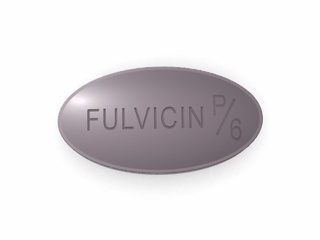
- Common forms: Oral tablets or capsules (strengths vary by product)
- How it’s used: Taken by mouth for a period that may range from weeks to months depending on the infection
- Main target: Dermatophyte fungi (common causes include ringworm, athlete’s foot and some nail infections)
How Fulvicin works (mechanism of action)
Griseofulvin interferes with the way fungal cells divide and replicate. Specifically, it:
- Disrupts fungal cell growth by interfering with fungal mitosis (cell division).
- Supports replacement of infected tissue by binding to keratin precursor proteins in the body. As new keratin forms (skin, hair, nails), it becomes resistant to fungal invasion.
What this means for you: Because the fungus may be embedded in keratin (skin/hair/nail), improvement often takes time even when treatment is working.
Pharmacokinetics (how the body handles it)
Pharmacokinetics describes absorption, distribution, metabolism and elimination.
- Absorption: Griseofulvin is absorbed from the gut. Absorption can improve when taken with food, especially fatty meals.
- Distribution: It distributes to keratin-forming tissues. This is why it is used for infections involving skin, hair and nails.
- Metabolism: It is metabolised mainly in the liver.
- Elimination: Metabolites are cleared primarily via the kidneys and/or bile (exact proportions vary).
Clinical takeaway: Dose timing and taking it with the right meal can influence how well it works.
Typical uses and indications
Fulvicin is most often used for dermatophyte infections including:
- Tinea capitis (scalp ringworm)
- Tinea corporis (ringworm of the body)
- Tinea pedis (athlete’s foot)
- Tinea cruris (jock itch)
- Onychomycosis (fungal nail infections) in selected cases, particularly when other treatments are unsuitable or not effective
It is not usually the first choice for all fungal infections—e.g., some yeast infections or non-dermatophyte fungi may require different medicines.
When you should start to notice improvement
- Skin infections: may start improving within 1–2 weeks, though full clearance can take longer.
- Scalp infections: improvement may take several weeks.
- Nail infections: often require months because nails grow slowly; the “new, clear nail” is what indicates success.
Important: Even if you feel better early, the infection may not be fully cleared. Finishing the complete course is essential to reduce the risk of relapse.
Dosing (general information)
Dosing depends on the infection type, severity, your age, body weight and kidney/liver function. Your clinician will determine the exact dose.
Common dosing approach:
- Adults and children: doses are typically weight-adjusted for oral griseofulvin in children.
- Frequency: often once daily or multiple times daily depending on the formulation and strength.
- Duration: varies widely:
- Skin/scalp: often several weeks
- Nails: frequently longer (commonly many months)
How to take it: Follow the instructions on your medicine label or as advised by your healthcare professional. If you’re unsure, ask your pharmacist.
Timing: how to take Fulvicin properly
To improve absorption and reduce stomach upset, consider these practical points:
- Take at the same time each day to maintain steady levels.
- Take with food, especially a meal containing some fat, unless your doctor advises otherwise.
- Do not double up if you miss a dose—take the next dose at the scheduled time and speak to your pharmacist for advice.
If you forget a dose: If you remember soon after the missed time, you may take it. If it’s close to the next dose, skip the missed dose. Avoid taking extra doses unless instructed.
Food interactions and absorption tips
Griseofulvin absorption can be affected by food. In many people, taking it with meals improves how well the medicine is absorbed.
- Helpful: taking it with a meal (particularly with some dietary fat).
- Potential issue: taking it on an empty stomach may reduce absorption for some formulations.
Practical tip: Choose a consistent mealtime (e.g., after dinner) and stick with it.
Alcohol and medicine interactions
Alcohol: There isn’t a single universally safe “limit” for all patients, but alcohol may increase the risk of liver irritation—particularly because griseofulvin is metabolised by the liver. For that reason, it’s generally advised to avoid or minimise alcohol during treatment, especially if you have any liver concerns.
Medicine interactions: Griseofulvin can interact with other medicines, often through effects on liver enzymes involved in drug metabolism. This can change how other medicines work.
Tell your pharmacist or doctor if you take:
- Warfarin and other blood-thinning medicines (may affect clotting control)
- Oral contraceptives (reduced effectiveness has been reported with some enzyme-inducing medicines; additional contraception may be needed—ask your pharmacist)
- Other antifungals or antibiotics
- Anti-seizure medicines
- Some anti-HIV medicines, immunosuppressants or other complex regimens
- Liver-metabolised medicines in general—your pharmacist can check specific interactions
Always provide a complete list of your medicines, including over-the-counter products and herbal supplements.
Safety profile and precautions
Most people tolerate griseofulvin well, but like all medicines it can cause side effects. Report any concerning symptoms promptly.
Common side effects
- Headache
- Nausea or upset stomach
- Dizziness
- Skin sensitivity or mild rash
- Fatigue
- GI discomfort (e.g., abdominal pain)
Less common but serious effects (seek urgent medical advice)
- Signs of liver problems: yellowing of the skin/eyes (jaundice), dark urine, unusual tiredness, persistent nausea, right upper abdominal pain
- Severe allergic reaction: swelling of face/lips, trouble breathing, widespread hives
- Severe skin reaction: blistering, peeling skin, mouth ulcers
- Severe dizziness/fainting or persistent vomiting
Who needs extra caution
- Liver disease or a history of abnormal liver function tests
- Porphyria (a rare metabolic condition)
- Blood disorders (your clinician may monitor blood counts)
- Pregnancy or breastfeeding: griseofulvin may not be suitable; discuss risks and options with your healthcare professional
- Children: dosing and monitoring must be age-appropriate
Practical use tips for best results
Successful antifungal treatment is about both taking the medicine and reducing reinfection.
- Complete the course: Don’t stop early because symptoms improve.
- Keep the area dry: Fungi thrive in warm, moist environments.
- Hygiene matters: Use separate towels, avoid sharing clothing, and wash bed linen regularly.
- Protect the feet: Wear breathable footwear, change socks daily, and consider antifungal powders or sprays for shoes where appropriate.
- Don’t just “treat the symptoms”: Rash may look better before the fungus is fully eradicated—especially for scalp and nails.
- Monitor nails: With nail infections, success is often seen as a gradual growth of a clear portion from the nail base.
- Sun protection: If you notice rash or sensitivity, use sunscreen and protective clothing.
Consider confirming the diagnosis: Some rashes look similar to fungal infections but are caused by other conditions. A pharmacist or doctor may recommend testing (e.g., microscopy or culture) if symptoms don’t improve.
Alternative options for fungal infections
The best treatment depends on the site (skin, scalp, nails), the likely organism, how extensive the infection is and patient factors.
Common alternatives (depending on the infection)
- Topical antifungals (for mild, localised skin infections):
- terbinafine, clotrimazole, miconazole, ketoconazole (varies by product availability and indication)
- Other oral antifungals (often used for nails or more extensive disease):
- terbinafine, itraconazole, fluconazole (depending on diagnosis and fungal type)
- Nail-specific approaches:
- topical nail lacquers for some cases
- regular nail trimming to reduce thickness and improve penetration of topical therapies
Which option is right for you? If you have recurrent symptoms, nail involvement, scalp infection, or significant spread, it’s worth discussing with a healthcare professional to choose the most appropriate regimen.
Market and legal context in Australia (general)
Medicine availability and classification can change over time. In Australia, many antifungal medicines are supplied through pharmacies and may be available over the counter or under pharmacist guidance, while others may require prescriber involvement depending on the specific product and formulation.
Online pharmacies may provide products in accordance with Australian regulations and supply requirements, including age checks and suitability screening. When ordering Fulvicin, ensure you follow the site prompts and provide accurate medical information so the correct product and advice can be offered.
Recent guidance: In recent years, Australian healthcare guidance has emphasised:
- Confirming the diagnosis when infections are recurrent or not responding as expected
- Checking drug–drug interactions for oral antifungals
- Reviewing liver safety and advising patients to report symptoms suggestive of liver injury
Your pharmacist can help explain whether Fulvicin is appropriate for your specific infection type and discuss monitoring needs.
Delivery, availability and what to expect
Availability can vary by supplier and stock levels. Commonly, Fulvicin may be offered as a pharmacy-supplied product through online services. Delivery times can differ across Australian states and territories.
- Delivery: typically standard or express options (varies by retailer and postcode)
- Packaging: supplied in manufacturer packaging; store as directed on the label
- Stock updates: some retailers show live stock levels and estimated dispatch times
- Cold-chain: not generally required for griseofulvin products
Plan ahead: because courses can be long (especially for nails), consider ordering early to avoid running out.
Frequently Asked Questions (FAQ)
1) What infections is Fulvicin used for?
Fulvicin (griseofulvin) is used mainly for dermatophyte fungal infections involving skin, scalp and sometimes nails. Your clinician determines the most suitable treatment based on where the infection is and how severe it is.
2) How long does treatment take?
It depends on the infection site. Skin infections may improve within weeks, scalp infections often take several weeks, and nail infections frequently require treatment for months to allow a clear nail to grow out.
3) Should I take Fulvicin with food?
In many cases, taking griseofulvin with food can improve absorption and reduce stomach upset. Follow the instructions on your product label or pharmacist advice. If your clinician has given specific instructions to take it a certain way, follow those.
4) Can I drink alcohol while taking Fulvicin?
It’s generally recommended to minimise or avoid alcohol during treatment because the medicine is processed by the liver and alcohol may increase liver stress. If you have liver concerns or regularly drink alcohol, ask your pharmacist for tailored advice.
5) What if I miss a dose?
Take it when you remember if it’s not too close to the next scheduled dose. Otherwise, skip the missed dose and continue as normal. Don’t take double doses.
6) Will Fulvicin cure it if I stop when symptoms improve?
Usually not. Symptoms can improve before the fungus is fully eliminated. Stopping early increases the risk of relapse—complete the recommended course.
7) Are there any medicines I should check before starting Fulvicin?
Yes. Griseofulvin can interact with several medicines, including blood thinners and hormonal contraception. Provide your full list of medicines and supplements to your pharmacist so interactions can be checked.
8) Is Fulvicin safe for everyone?
No. People with liver disease, certain rare blood disorders, porphyria, or those who are pregnant/breastfeeding may need special consideration. A pharmacist can help assess suitability based on your health history.
9) What side effects should make me seek help?
Seek urgent advice if you develop symptoms of a severe allergic reaction, severe skin reactions, or possible liver problems (e.g., yellowing eyes/skin, dark urine, persistent severe nausea or abdominal pain).
10) What should I do if the infection doesn’t improve?
If you’re not seeing improvement after an appropriate time (as advised for your infection type), or if symptoms worsen, contact a healthcare professional. The diagnosis may need confirmation, or the treatment plan may need adjustment.
Summary
Fulvicin (griseofulvin) is an oral antifungal medicine used for specific fungal infections of the skin, scalp and sometimes nails. It works by disrupting fungal cell growth and supporting the formation of keratin resistant to fungal invasion. Because fungi can be embedded in keratin, treatment may take weeks to months. Taking it with food may improve absorption, and careful attention to interactions—particularly with liver-processed medicines and alcohol—is important.
If you’d like, share the type of infection (skin/scalp/nails), how long you’ve had it and any other medicines you’re taking, and a pharmacist can guide you on whether Fulvicin is suitable and how to take it for best results.