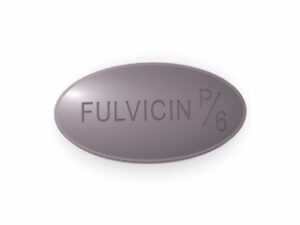
Gresiofulvin (Griseofulvin) – Patient Information (Australia)
Gresiofulvin (generic name griseofulvin) is an antifungal medicine used to treat certain fungal infections of the skin, scalp and nails. It works by targeting fungal cells and by helping treat infections that grow from the skin, hair and nail layers.
This page explains how Gresiofulvin works, how it’s used, important safety considerations, and practical tips to help you get the best results. It is written for general information and may not replace personalised advice from a healthcare professional.
Quick overview
- Medicine name: Gresiofulvin (griseofulvin)
- Medicinal use: Antifungal for certain dermatophyte (ringworm) infections and related conditions
- Common forms: Oral tablets or oral liquid (availability can vary by brand and supplier)
- Typical course: Often taken for weeks to months, depending on the infection site
- Key practical point: It tends to work best when taken with fatty food to improve absorption (follow your product label/clinician instructions)
Basic product information
| Category | Details |
|---|---|
| Active ingredient | Griseofulvin |
| Type of medicine | Antifungal (systemic) |
| What it treats | Certain fungal infections caused by dermatophytes (e.g., Trichophyton, Microsporum, Epidermophyton) |
| Where it may be used | Skin, scalp/hair, and nails (depending on local guidance and infection type) |
| Route | Oral |
| How long it may take | Often weeks for skin/scalp; longer for nails |
How Gresiofulvin works (mechanism of action)
Gresiofulvin is a systemic antifungal. It interferes with the way fungal cells grow and reproduce. Specifically, it binds to fungal structures involved in forming microtubules and prevents proper fungal cell division.
As treatment continues, the growing infected tissue is replaced by new, non-infected tissue (for example, new hair growth in scalp infections and new nail growth in onychomycosis). This explains why improvement often takes time, particularly for nail infections.
Pharmacokinetics (how the body handles it)
Pharmacokinetics describes absorption, distribution, metabolism and elimination.
- Absorption: Oral griseofulvin absorption can be improved by taking it with fatty food. The exact absorption can vary depending on the formulation.
- Distribution: It can reach the skin, hair and nails, where dermatophyte infections are located.
- Metabolism: It is metabolised in the body, mainly via liver pathways (hepatic metabolism).
- Elimination: Metabolites are eliminated primarily through urine and other body excretions.
Why this matters: Because griseofulvin is metabolised by the liver and absorption may depend on food, dose timing and meal choice can influence effectiveness and tolerability.
Typical uses and indications
Gresiofulvin is used for dermatophyte infections, including conditions commonly referred to as:
- Ringworm (tinea) of the skin
- Tinea capitis (scalp ringworm)
- Tinea corporis and other body site dermatophyte infections
- Some fungal nail infections caused by dermatophytes (on specific guidance and when appropriate)
Not all fungal infections respond: Gresiofulvin is not a broad-spectrum antifungal. It is generally not used for all types of fungal infections, such as many yeast infections or infections where the cause is not a dermatophyte. The most appropriate treatment depends on the organism, site and severity.
When and how to take Gresiofulvin (timing)
Always follow the dosing instructions provided on the product packaging or by your healthcare professional. If you are unsure, ask before starting.
Typical timing guidance
- Take at the same time each day (or as directed) to maintain consistent levels.
- Take with food, especially if advised on your specific product. A meal that contains fat may improve absorption.
- Continue the full course even if symptoms improve—fungal infections may look better before they are fully eradicated.
How to manage missed doses
- If you miss a dose, take it when you remember unless it is close to your next dose.
- Do not take a double dose to make up for the missed one.
- If you are unsure, contact your pharmacist for advice specific to your schedule.
Food interactions and absorption tips
Gresiofulvin absorption is often better with fatty food. This can reduce the risk of poor absorption, especially in people who take the medicine on an empty stomach.
- Take with meals where possible.
- If you have nausea or appetite issues, a light meal may still be better than nothing—follow your product directions.
- If you have dietary restrictions, talk to a pharmacist about practical meal options.
Important: Do not stop food abruptly if you have been taking it with meals; consistency helps.
Alcohol and medicine interactions
Alcohol: It’s generally advisable to limit or avoid alcohol while taking griseofulvin, as both alcohol and griseofulvin can place additional demand on the liver. Heavy alcohol intake may increase the risk of liver-related side effects.
Potential medicine interactions (tell your pharmacist)
Griseofulvin can interact with other medicines, particularly those metabolised by the liver. It may affect how other medicines work, and some medicines may change griseofulvin levels.
Common interaction categories include:
- Hormonal contraception: Griseofulvin may reduce the effectiveness of some hormonal contraceptives (including certain oral contraceptive pills). If pregnancy prevention is required, discuss reliable alternatives with your healthcare professional.
- Warfarin and other blood thinners: Interaction risk is possible due to changes in metabolism and clotting control.
- Seizure medicines (anticonvulsants): Certain epilepsy medications may interact.
- Liver-acting medicines: Combining with medicines that can affect the liver may increase risk of liver injury.
- Other antifungals and antibiotics: Depending on the combination, interactions may occur.
Before starting: Provide your pharmacist with a full list of all medicines, vitamins and herbal supplements you use. This includes “natural” products and over-the-counter remedies.
Dosing (general information)
Dose varies by age, weight, infection type, and the specific formulation. Your clinician or pharmacist may adjust dosing based on your needs and how you respond to treatment.
Key points:
- Use the dose on your label—do not guess.
- For some infections, treatment duration may be long to allow healthy tissue to replace infected tissue.
- If you experience side effects, do not stop suddenly without advice—seek guidance promptly.
Children and teenagers: Doses are typically weight-based for systemic antifungals. Always use the appropriate paediatric dose and formulation, and ensure correct measuring for liquids.
Older adults: People who have liver problems or multiple medicines may require extra monitoring.
Safety profile and side effects
Most people tolerate griseofulvin reasonably well, but like all medicines it can cause side effects. Seek medical advice if you are concerned or if you experience severe reactions.
Common side effects
- Nausea, stomach upset, indigestion
- Headache
- Dizziness or tiredness
- Skin reactions (mild rash in some cases)
- Diarrhoea or changes in bowel habits
Serious (seek urgent advice) side effects
Stop and seek urgent medical help if you develop signs of a serious allergic reaction or liver problems, such as:
- Swelling of face, lips or throat; difficulty breathing
- Severe rash, blistering, or peeling skin
- Yellowing of skin/eyes (jaundice), dark urine, severe fatigue
- Severe abdominal pain or persistent vomiting
- Unusual bruising or bleeding
Monitoring
Because griseofulvin may affect the liver and blood counts in some cases, your clinician may consider blood tests if treatment is prolonged or if you have risk factors. Tell your healthcare professional if you’ve ever had liver disease or abnormal liver tests.
Driving and operating machinery: If you feel dizzy or unwell, avoid driving or operating machinery until you know how the medicine affects you.
Practical tips for getting the best outcome
Antifungal tablets work best when combined with good skin and hair hygiene. The following tips can improve treatment success and reduce the chance of reinfection.
- Keep the area clean and dry, and follow your pharmacist’s advice on topical care if prescribed.
- Don’t share towels, hats or hair accessories.
- Wash bedding and clothing regularly if the infection is active.
- Treat close contacts when advised (especially with scalp infections).
- Trim nails and avoid picking at infected areas.
- Replace or disinfect hairbrushes and combs for scalp infections.
- Be patient with timing: nails can take months to look completely normal even after the fungus is controlled.
Scalp (tinea capitis) considerations
- Scalp infections may require both systemic treatment (tablets) and sometimes a medicated shampoo as part of the overall plan.
- Infected individuals may still be contagious early in treatment—follow local guidance and clinician advice on hygiene and return to school/daycare.
Nail infection considerations
- Improvement often occurs slowly because new nail growth must replace the infected portion.
- Many people notice changes after several weeks, but full clearance can take much longer.
- Consider confirming diagnosis (e.g., fungal vs. other causes) if the infection does not improve as expected.
Alternative treatment options
The best alternative depends on the infection type, site and cause. Options may include:
- Topical antifungals for superficial skin infections (e.g., creams or ointments containing appropriate antifungal agents).
- Other oral antifungals for more extensive, scalp or nail infections, such as:
- Terbinafine (commonly used for certain dermatophyte infections)
- Itraconazole and fluconazole (used in selected cases)
- Medicated shampoos or topical washes for scalp infections, alongside systemic therapy.
Why alternatives matter: Different antifungals have different strengths against specific fungi and different dosing schedules and safety profiles. A clinician can tailor treatment for your situation.
Australia market and legal context (overview)
In Australia, medicines are regulated through the Therapeutic Goods Administration (TGA). Availability, presentation and prescribing rules can vary depending on the product’s classification and the specific brand/formulation.
When purchasing antifungal medicines online, it’s important to use a compliant pharmacy and to ensure you receive correct product information for your dose and age group. The exact status of griseofulvin products may differ; always check the listing and provided product details.
Good practice:
- Ensure your order corresponds to the medicine you have been advised to use.
- Verify the form (tablet vs liquid) and strength.
- Read the consumer medicine information (CMI) included with the product.
Recent guidance and considerations
Clinical recommendations for antifungal treatment can evolve as new evidence and local practice guidelines are updated. Current principles commonly emphasised by clinicians and guideline bodies include:
- Confirming diagnosis when infections don’t respond to first-line therapy.
- Considering organism type (dermatophytes vs yeasts vs non-fungal mimics).
- Reviewing safety in people with liver disease, or those taking interacting medicines.
- Improving adherence by simplifying dosing schedules where possible and supporting patients with practical tips.
If you’ve started griseofulvin and your symptoms are not improving after an appropriate period, speak with a healthcare professional rather than extending treatment indefinitely.
Delivery and availability (online pharmacy)
Availability can vary based on brand, formulation and stock levels. When ordering through an online pharmacy, you may be able to select delivery options depending on location and service coverage.
Delivery reminders:
- Check estimated delivery times at checkout.
- Store medicine as directed on the pack (typically at controlled room temperature, away from moisture and heat).
- Keep out of reach of children.
Cold chain: Griseofulvin tablets/liquid are usually not temperature-sensitive in the way some biologics are. However, always follow the storage instructions on your specific product.
FAQ – Gresiofulvin (Griseofulvin)
1) What is Gresiofulvin used for?
Gresiofulvin is an oral antifungal medicine used for certain dermatophyte infections, such as ringworm affecting the skin, scalp, and sometimes nails, depending on the diagnosis and clinical plan.
2) How long does treatment take?
Treatment length varies by site. Skin infections may improve within weeks, while nail infections often require longer because the nail must grow out. Always complete the prescribed course, even if symptoms improve early.
3) Should I take it with food?
Many people absorb griseofulvin better when they take it with food—especially meals containing fat. Follow the directions on your medicine label or advice from your pharmacist.
4) Can I drink alcohol while taking Gresiofulvin?
It’s generally best to limit or avoid alcohol during treatment. Both alcohol and griseofulvin can affect the liver. If you’re unsure about what’s safe for your situation, speak with a pharmacist or doctor.
5) What medicines can interact with it?
Interaction risk can include hormonal contraceptives, warfarin, seizure medications and other medicines processed by the liver. Always provide your pharmacist with a complete list of medicines, supplements and herbal products.
6) Does Gresiofulvin work for all fungal infections?
No. It is mainly effective against dermatophyte (ringworm-type) fungi. Yeast or other non-dermatophyte causes may require different antifungals or management.
7) What should I do if I miss a dose?
Take it when you remember unless it’s close to the next dose. Don’t double up. If you’re unsure, ask your pharmacist for guidance.
8) When should I seek urgent help?
Seek urgent medical attention for signs of severe allergic reaction (swelling, breathing difficulty), severe blistering rash, or possible liver problems (yellow skin/eyes, dark urine, severe fatigue or persistent vomiting).
9) Are there any lab tests or monitoring required?
For longer courses or people with risk factors, clinicians may consider blood tests to monitor liver function and other safety markers. Ask your pharmacist/doctor what applies to you.
10) What if my infection isn’t improving?
If you don’t see improvement after an appropriate period, contact a healthcare professional. The diagnosis may need confirmation, the organism may differ, or a different treatment approach may be required.
Summary
Gresiofulvin (griseofulvin) is a systemic antifungal medicine used to treat selected dermatophyte fungal infections of the skin, scalp and sometimes nails. It works by disrupting fungal growth and by allowing healthy tissue to replace infected tissue over time. Because absorption may improve with food and because the medicine can interact with other drugs (and may involve liver-related safety considerations), following dosing instructions and checking interactions is important.
If you have questions about whether Gresiofulvin is appropriate for your condition, or how to take it safely with your other medicines, speak with a pharmacist.