Griseofulvin (Oral Antifungal) — Patient Information (Australia)
Griseofulvin is an antifungal medicine used to treat certain fungal infections of the skin, scalp and (less commonly) nails. It works by stopping fungi from growing and spreading, allowing healthy skin or hair to replace infected tissue over time.
This page is designed to help you understand how griseofulvin works, what to expect during treatment, important interactions (including with alcohol), safety considerations, and practical tips to improve results.
Quick Overview
- Medicine name: Griseofulvin
- Type: Oral antifungal
- Common conditions treated: Fungal infections such as tinea (ringworm), scalp infections (tinea capitis), and some nail infections (tinea unguium) where griseofulvin is appropriate.
- How it’s taken: Usually as tablets or capsules by mouth, often with food to improve absorption.
- Typical duration: Often weeks to months, depending on the infection site and severity.
- Key practical point: Consistent dosing and completing the full course are essential to reduce the chance of recurrence.
Basic Product Information
What it is: Griseofulvin is an antifungal medicine that targets dermatophytes (a group of fungi that commonly cause “ringworm” and related infections).
Common brand examples: Brand names may vary by manufacturer. Your pharmacist can confirm the exact brand and strength you have.
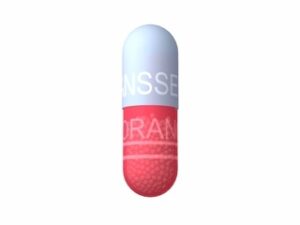
Form: Tablets or capsules (oral).
Strength: Different strengths may be available; always follow the strength and instructions on your medicine label.
How Griseofulvin Works (Mechanism of Action)
Griseofulvin works mainly by interfering with fungal cell division. It binds to fungal structures involved in building the cell wall and prevents the fungus from multiplying.
Over time, infected skin or hair sheds and is replaced by healthy tissue. Because skin and hair grow gradually, treatment often needs to continue for a sufficient duration to clear the infection completely.
Pharmacokinetics (How Your Body Handles It)
Pharmacokinetics describes what the body does to a medicine—how it’s absorbed, distributed, metabolised, and excreted.
- Absorption: Griseofulvin is absorbed through the gastrointestinal tract. Absorption is generally improved when taken with food (especially fatty meals), compared with taking it on an empty stomach.
- Distribution: It concentrates in tissues affected by dermatophytes such as skin, hair and nails, which is important for effectiveness against fungal infections in these areas.
- Metabolism: The medicine is metabolised mainly in the liver. This means liver function and interactions with other medicines that affect liver enzymes may be relevant.
- Elimination: Metabolites are cleared from the body primarily via urine and, to a lesser extent, faeces.
Practical implication: Because griseofulvin relies on building up effective levels in keratin-containing tissues, taking it consistently and for long enough matters more than “feeling better quickly”.
Typical Use in Australia
Griseofulvin is typically used for infections caused by dermatophytes, such as: Trichophyton, Microsporum, and Epidermophyton.
It’s commonly considered for:
- Skin infections (tinea corporis / ringworm): Itchy, scaly patches or rings on the body.
- Scalp infections (tinea capitis): Scaly, inflamed scalp; sometimes hair breakage or patchy hair loss.
- Nail infections (tinea unguium / onychomycosis): In selected cases, particularly when other treatment approaches are less suitable.
Your treatment plan may include a topical antifungal as well (e.g., creams or shampoos) to reduce surface fungal burden, especially for scalp and some widespread skin infections.
Indications (When It’s Used)
Griseofulvin may be used when a fungal infection is confirmed or strongly suspected to be caused by dermatophytes affecting keratinised tissue.
- Dermatophyte infections of the skin
- Dermatophyte infections of the scalp
- Dermatophyte infections of the nails (in selected cases)
If your infection is caused by a different type of fungus (such as Candida), or if the rash is not actually fungal, griseofulvin may not be appropriate.
Timing: How to Take It for Best Results
Often, griseofulvin is advised with food. Taking it with meals may improve absorption and can help improve effectiveness.
- Take at the same times each day to maintain consistent drug levels.
- For best absorption: follow your local instructions (commonly taken with food).
- Complete the full course even if symptoms improve—fungal clearance can lag behind symptom relief.
If you miss a dose, take it when you remember unless it’s close to the next dose. Do not double up.
Food Interactions (What to Eat and Avoid)
Food can influence how well griseofulvin is absorbed.
- Take with food: Absorption is generally better with meals.
- Fat-containing meals may improve uptake compared with a light snack or empty stomach.
Tip: If you have stomach upset, taking griseofulvin with a meal or immediately after eating may help.
Alcohol and Medicine Interactions
Alcohol interaction guidance can vary based on individual circumstances, but there are general safety points worth knowing.
- Alcohol and liver stress: Griseofulvin is processed by the liver. Drinking alcohol regularly or heavily while taking liver-metabolised medicines may increase the risk of liver irritation or liver enzyme changes.
- Avoid heavy drinking: For safety, it’s generally best to limit or avoid alcohol during treatment.
- Watch for warning signs: Seek medical advice promptly if you notice symptoms such as yellowing of the skin/eyes, dark urine, severe fatigue, persistent nausea/vomiting, or upper right abdominal pain.
If you drink alcohol, discuss your typical intake with your pharmacist or doctor so you can tailor a safe plan.
Medicine Interactions (Other Medicines to Consider)
Griseofulvin can interact with other medicines, mainly due to effects on liver enzymes involved in drug metabolism. These interactions can change how well either griseofulvin or the other medicine works.
Common interaction categories to consider:
- Warfarin and other anticoagulants: Interaction may affect clotting control and requires close monitoring if used together.
- Hormonal contraception: Griseofulvin may reduce the effectiveness of some hormonal contraceptives. Additional non-hormonal contraception may be recommended during treatment and for some time after.
- Other medicines affected by liver enzyme activity: Some antiepileptics, certain antibiotics, and other drugs may have altered levels.
- Medicines that affect liver function: Caution is needed with agents that may also stress the liver.
- Herbal products: Some herbal supplements can interact with liver enzymes. Check with a pharmacist before using “natural” remedies.
Always tell your pharmacist about all medicines and supplements you take (including non-prescription products), so they can check interaction risks for your specific regimen.
Dosing Information (General Guidance for Adults and Children)
Dosing depends on factors including the infection site, the causative organism, age, and body weight in children. Always follow your medicine label or clinician advice for your exact dose and schedule.
Typical dosing principles (general, not a substitute for personalised instructions):
- Skin and scalp infections: dosing is often weight-based in children.
- Nail infections: dosing may be similar but treatment duration is usually much longer (often many months).
- Consistency: dosing schedules matter; missing doses can reduce effectiveness.
Example timing approach: Many regimens are taken once or twice daily depending on the product strength and infection type. Your pharmacist can confirm the schedule for your specific brand and strength.
If you are unsure of your dose, do not guess—check your labelled instructions or ask your pharmacist.
How Long Does Treatment Take?
Fungal infections improve gradually. Healthy skin and hair growth takes time. Treatment length differs by condition:
| Condition (example) | Why duration varies | Typical course (general range) |
|---|---|---|
| tinea corporis (ringworm on body) | infected skin must shed and regrow | often several weeks |
| tinea capitis (scalp) | hair growth and fungal clearance can be slow | commonly several weeks to months |
| tinea unguium (nails) | nails grow slowly | often months |
Practical expectation: You may notice symptom improvement earlier, but visible cure usually requires time for new, uninfected tissue to appear.
Safety Profile (Who Should Be Careful?)
Griseofulvin is generally well tolerated by many people, but like all medicines it can cause side effects. Your risk depends on dose, duration, age, and existing health conditions.
Common side effects
- Stomach upset, nausea, diarrhoea
- Headache
- Dizziness or tiredness
- Skin rash or itching (may be mild but should be monitored)
Less common but serious side effects (seek urgent advice)
- Allergic reaction (swelling of face/lips, difficulty breathing, widespread rash)
- Liver problems: yellowing of skin/eyes, dark urine, severe persistent nausea/vomiting, severe abdominal pain
- Severe skin reactions (blistering, skin peeling, painful sores)
- Blood disorders signs: unusual bruising/bleeding, persistent sore throat, fever or severe weakness
If you develop concerning symptoms, stop the medicine and seek prompt medical advice (including calling your local health service) according to severity.
Special caution groups
- Liver disease or a history of liver problems
- Porphyria (a rare blood disorder)
- Pregnancy and breastfeeding: discuss risks and alternatives with a healthcare professional before starting.
- Children: dosing must be weight-based and carefully selected.
- Older adults: may be more sensitive to side effects and interactions due to multiple medicines.
Practical Use Tips (How to Get the Best Outcome)
- Confirm it’s fungal: Some rashes mimic fungal infections. If unsure, a pharmacist or clinician may recommend testing or assessment.
- Don’t stop early: Completing the full course reduces recurrence.
- Combine with topical care if advised: For scalp or extensive skin infections, topical antifungal treatments (e.g., shampoos/creams) can help reduce spread.
- Hygiene to prevent reinfection: Wash towels, bedding and clothing regularly. Avoid sharing combs, hats or clothing.
- Treat close contacts if recommended: Family members or contacts may need assessment if they have symptoms.
- Manage pets and animals: If ringworm involves family pets, veterinary evaluation may be needed to break the cycle of reinfection.
- Track progress: Note symptom changes (itch, scaling, hair loss). If there is no improvement after the expected initial period, ask for review.
Alternative Options
Depending on the type of fungal infection, site, and patient factors, clinicians may consider other antifungal medicines. Alternatives may include:
- Terbinafine (often used for certain dermatophyte infections; duration varies)
- Itraconazole or fluconazole (used for selected fungal infections; dosing schedules vary)
- Topical antifungals (for limited skin infections): creams, gels, sprays or antifungal shampoos
The best option depends on whether the infection is confirmed, the organism type, and where the fungus is located (skin, scalp, nail). Your pharmacist can discuss what alternatives are available for your specific situation.
Market, Legal and Regulatory Context in Australia
In Australia, medicines are regulated by the TGA (Therapeutic Goods Administration). Availability and classification (e.g., whether a product is prescription-only or restricted) depend on the formulation and strength. Your pharmacy can confirm which products are available for supply and what the current requirements are for purchase.
Griseofulvin is an established antifungal medicine used for dermatophyte infections. When selecting treatment, clinicians and pharmacists consider:
- approved indications and product-specific instructions
- patient safety (including liver health and interactions)
- local guidance on managing fungal infections and reducing resistance risks
Important: Always use medicines only as directed for your condition.
Recent Guidance and Clinical Practice Notes
Fungal infections are often treated based on clinical appearance, but confirmatory testing may be recommended in certain cases—particularly for:
- recurrent infection
- scalp or nail infections
- treatment failure
- uncertain diagnosis
Current good practice generally emphasises:
- appropriate antifungal choice based on suspected organism and infection site
- adequate duration of systemic treatment for scalp and nails
- adjunct topical therapy where it reduces infectiousness (especially scalp)
- review if no improvement after a reasonable time frame
Your pharmacist may also advise screening of interactions and monitoring needs for longer courses.
Delivery and Availability (Online Pharmacy Australia)
Availability of griseofulvin products can vary by strength and manufacturer. When ordering online in Australia, your pharmacy typically provides:
- Product options matching the required strength and formulation
- Estimated delivery times depending on your location
- Packaging suitable for travel and safe storage
- Supporting information such as how to take the medicine and what to watch for
If your order requires additional information (for safety checks), the pharmacy may contact you. Always ensure your contact details are correct.
Storage: Follow the storage instructions on the label (commonly stored at room temperature, away from moisture and heat). Keep out of reach of children.
FAQ — Frequently Asked Questions
1) What is griseofulvin used for?
Griseofulvin is used to treat fungal infections caused by dermatophytes, such as ringworm (tinea corporis), scalp fungal infection (tinea capitis), and some nail fungal infections (tinea unguium), depending on the situation and treatment plan.
2) How long will it take to work?
Many people notice some improvement in symptoms after starting, but complete cure usually takes longer—especially for scalp and nails. Healthy tissue growth and fungal clearance are gradual.
3) Should I take it with food?
In most regimens, taking griseofulvin with food improves absorption. Follow your specific label directions, but generally plan to take it with a meal unless advised otherwise.
4) What if I miss a dose?
Take it when you remember if it’s not close to the next dose. If the next dose is soon, skip the missed one. Do not take double doses.
5) Can I drink alcohol while taking griseofulvin?
Because griseofulvin is processed by the liver, it’s safest to limit or avoid heavy alcohol intake during treatment. If you drink alcohol, ask a pharmacist for personalised guidance and seek urgent help if you develop possible liver-related symptoms.
6) What medicines can interact with griseofulvin?
Griseofulvin can interact with several medicines, including some anticoagulants and hormonal contraceptives, and may affect levels of other drugs metabolised by the liver. Tell your pharmacist about all medicines and supplements you take.
7) Are there people who should not take griseofulvin?
People with certain liver conditions, those with a history of specific rare disorders, and those who are pregnant or breastfeeding should get advice before starting. Your pharmacist or clinician can review your medical history and determine the safest option.
8) What side effects are most common?
Common side effects include nausea, stomach upset, headache, dizziness, or tiredness. Mild skin reactions can occur. Stop and seek urgent help if you develop signs of a severe allergic reaction or liver problems.
9) What should I do if the rash doesn’t improve?
If there’s no improvement after a reasonable period, or symptoms worsen, get advice. The diagnosis may need review, or a different antifungal approach may be required.
10) Can pets or family members get ringworm from me?
Dermatophyte infections can spread between people and from animals to people. Improving hygiene, laundering items and checking close contacts or pets can help prevent reinfection.
Important Safety Reminder
This information is for general guidance. Your pharmacist can help you understand how griseofulvin fits your specific condition, recommended duration, and any interaction risks based on your other medicines and health history.