
Clotrimazole (Antifungal) – Patient Guide (Australia)
Clotrimazole is an antifungal medicine used to treat common fungal infections affecting the skin and (in some formulations) the lining of the vagina. It works by stopping fungi from growing and spreading, helping relieve symptoms such as itching, burning, redness, and irritation.
This guide explains how clotrimazole works, how it is used, how to apply it correctly, and important safety information for use in Australia. Always follow the specific instructions on your product label and packaging, and consult a pharmacist or doctor if you’re unsure which formulation is right for your symptoms.
Basic product information
| Information | What to know |
|---|---|
| Medicine name | Clotrimazole |
| Medicine type | Antifungal (azole) medicine |
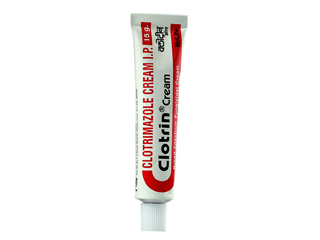
| Common forms in Australia | Crème/cream, ointment, solution, pessaries (vaginal), vaginal cream (brand/formulation may vary) |
| Typical strength | Varies by product (check your specific pack for exact strength and dosage form) |
| Who it’s for | Generally adults and children as directed by the product instructions (age limits differ by formulation) |
| Key benefit | Helps treat fungal skin and vaginal infections |
How clotrimazole works (mechanism of action)
Clotrimazole belongs to the azole family of antifungal medicines. It works mainly by interfering with how fungi build their cell membranes.
Specifically, clotrimazole blocks an important fungal enzyme involved in making ergosterol—a key component of fungal cell membranes. Without enough ergosterol, the fungal cell membrane becomes weak and damaged, which leads to:
- Slowed fungal growth
- Reduced spread of the infection
- Eventual elimination of the fungus
In many skin infections, clotrimazole is effective against common causes such as dermatophytes (e.g., ringworm), yeasts (e.g., Candida), and some moulds, depending on the organism and site of infection.
Pharmacokinetics (what happens in the body)
Pharmacokinetics describes how the medicine is absorbed, distributed, metabolised, and eliminated. The details can vary between skin and vaginal products, and also with intact versus damaged skin.
- Absorption: When clotrimazole is applied to the skin, only a small amount is generally absorbed through intact skin. Absorption may be slightly higher if the skin is broken, inflamed, or if larger areas are treated.
- Distribution: After local application, clotrimazole remains largely at the site of infection and in nearby tissues.
- Metabolism: Any absorbed portion is metabolised mainly by the liver.
- Excretion: Metabolites are eliminated primarily through the kidneys and/or bile.
For most people, because systemic absorption is limited, clotrimazole is unlikely to cause widespread whole-body effects.
Typical uses (indications)
Clotrimazole is used to treat infections caused by fungi. The exact indications depend on the formulation and strength.
Common skin indications (topical formulations)
- Athlete’s foot (tinea pedis)
- Jock itch (tinea cruris)
- Ringworm affecting the body (tinea corporis)
- Fungal infections of the skin where a suitable response to clotrimazole is expected
- Candidal skin infections (e.g., intertrigo) in some cases
Common vaginal indications (vaginal formulations)
- Vaginal thrush (vulvovaginal candidiasis)
- Fungal infections of the vulva and vagina where indicated on the product packaging
If your symptoms could be caused by a different condition (for example, bacterial infection, sexually transmitted infection, eczema, or dermatitis), clotrimazole may not be the right treatment. When in doubt, check with a pharmacist or clinician.
When to start and how long it usually takes (timing)
Starting treatment early improves your chances of clearing the infection quickly. However, fungal infections can take time to fully resolve.
What you may notice
- Early improvement: You may feel less itching, burning, or redness after several days.
- Complete resolution: Visible clearing may take longer, and symptoms may return if treatment is stopped too soon.
General guidance
Even if you feel better, continue clotrimazole for the full course recommended on your product label. This helps prevent recurrence.
Dosing – how to use clotrimazole correctly
Dosing depends on the formulation (cream, solution, pessary, etc.) and the condition being treated. Always follow your product’s instructions.
Typical topical skin dosing (cream/ointment/solution)
Many clotrimazole skin products instruct patients to apply a thin layer to the affected area and the surrounding skin.
- Frequency: Often applied two or three times daily or as directed by the specific brand.
- Amount: Enough to cover the affected skin evenly.
- Duration: Commonly 2 to 4 weeks for many tinea infections, but follow the exact label guidance.
Practical tip: Clean and dry the area before applying. If using on feet, wash, dry carefully (especially between toes), then apply.
Typical vaginal dosing (pessaries/cream) – follow your pack
Vaginal clotrimazole regimens vary (for example, once nightly for several nights, or shorter courses depending on product strength). Use the dosing schedule provided with your specific packaging.
- Use at the same time each day to maintain consistent treatment.
- Complete the full course even if symptoms improve.
- Consider partner guidance: Some situations may require discussion with a clinician about whether partner treatment is needed; this depends on the diagnosis and pattern of symptoms.
If you are pregnant, breastfeeding, have recurrent thrush, or have symptoms that don’t match typical thrush, talk to a pharmacist or clinician before continuing.
Food interactions
For most clotrimazole products, food interactions are unlikely because systemic absorption is limited, particularly with topical and vaginal local therapy.
- Topical skin use: No known clinically important interactions with food.
- Vaginal use: No specific food-related interaction is expected for local therapy.
If you are taking other medicines by mouth or have complex medical conditions, it’s still sensible to check with a pharmacist about potential interactions.
Alcohol and medicine interactions
Clotrimazole is not known for significant interactions with alcohol for topical or vaginal use, because major systemic involvement is limited.
- Alcohol: Typically no special restriction is required with topical/vaginal clotrimazole.
- Other medicines: For local use, interactions are generally less likely. However, always check product information and ask a pharmacist if you take multiple medicines, especially if you have liver disease or take medicines known to interact with azoles.
Note: If you are using other antifungal treatments or medicines that can irritate skin, speak with a healthcare professional for a combined plan.
Safety profile – side effects and when to get help
Clotrimazole is generally well tolerated when used as directed. Side effects are usually mild and local.
Common side effects
- Mild burning, stinging, or irritation at the application site
- Redness or itching
- Dry skin or mild scaling (especially if the area is already inflamed)
- For vaginal products: mild irritation, increased discharge, or discomfort (varies by product and person)
Less common but important reactions
- Allergic reaction (rare): swelling, rash, hives, severe itching, or trouble breathing
- Severe local irritation: intense burning, blistering, or worsening symptoms
Seek urgent medical help if
- You develop signs of a serious allergic reaction
- You have severe pain, rapidly spreading redness, or signs of infection (e.g., pus, fever)
- Symptoms worsen or do not improve as expected after the recommended treatment period
Who should use caution
- Children: Use only as directed for age/condition on the label.
- Pregnancy and breastfeeding: Some formulations may be preferred; check product guidance and ask a pharmacist if unsure.
- Repeated infections: Recurring thrush or frequent skin fungal infections may indicate an underlying issue (e.g., diabetes, immune issues, irritant dermatitis, or resistant fungus) that should be assessed.
Practical use tips (for best results)
Proper application is one of the most important factors in successful treatment.
Topical skin tips
- Wash hands before and after applying.
- Apply to more than the visible rash: treat the surrounding area as directed to reduce regrowth.
- Keep the area dry: For athletes foot and skin folds, moisture encourages fungal growth.
- Wear breathable clothing: Use cotton underwear and loose-fitting clothes to reduce friction and sweat.
- Don’t share towels and regularly wash/replace them.
- Clean shoes/socks: Rotate shoes and wash socks in hot water where possible.
Vaginal treatment tips
- Use at night if recommended to reduce leakage.
- Follow insertion instructions exactly as described.
- Use sanitary protection if discharge/leakage occurs.
- Avoid irritants: During treatment, avoid scented washes, douches, and harsh soaps.
Hygiene and infection control
- Keep feet dry if you have athlete’s foot.
- If multiple sites are affected (e.g., feet and groin), consider comprehensive hygiene and treatment as advised by a clinician/pharmacist.
Alternative options (other antifungals)
If clotrimazole isn’t suitable or hasn’t worked, alternatives may include other antifungals such as:
- Terbinafine: Often used for dermatophyte infections (e.g., athlete’s foot and ringworm). Some regimens are shorter depending on product strength.
- Miconazole: Another azole antifungal; some products are used for skin and vaginal thrush.
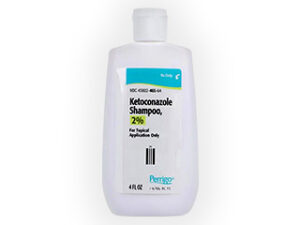
- Ketoconazole: Available in some topical forms; sometimes used for fungal infections and certain scalp conditions depending on formulation.
- Nystatin: Commonly used for Candida-related issues in certain settings (depending on availability and indication).
- Oral antifungals: These are typically considered for more severe or widespread infections, or when topical treatment fails (availability and suitability depend on diagnosis).
Your best option depends on the likely organism and the site of infection. If symptoms persist despite appropriate treatment, it may be time to seek further assessment to confirm the diagnosis.
Common questions about use (including recurrences)
-
“I feel better but not fully cured—should I stop?”
No. Complete the full course stated on your product pack, even if symptoms improve early. -
“Can it be eczema or something else?”
Fungal rashes can resemble eczema or contact dermatitis. If the appearance is unusual, worsening, or not improving with treatment, get advice. -
“Why does thrush keep coming back?”
Recurrent infections may relate to underlying health factors, repeated exposure, irritation, or incomplete treatment. If thrush returns frequently, speak to a pharmacist or clinician.
Market and legal context for Australia
In Australia, antifungal medicines are commonly available through pharmacies. Some products may be supplied over the counter depending on formulation, strength, and indication, while others may have specific dispensing requirements.
Supply and labelling are aligned with Australian regulatory standards and consumer medicine information requirements. Product availability can vary by brand and region.
Recent guidance (general): Australian health advice commonly emphasises:
- Using antifungal products as directed for the full recommended course
- Seeking assessment if symptoms do not improve or recur frequently
- For vaginal symptoms, confirming that the cause is likely fungal (rather than bacterial vaginosis, sexually transmitted infections, or irritation) when symptoms are atypical
- Considering underlying contributors such as diabetes or immune conditions in recurrent cases
Delivery and availability (online pharmacy)
Clotrimazole products are widely available from pharmacies and online medicine retailers in Australia. Availability depends on the specific dosage form (skin cream/solution vs vaginal pessaries/cream) and the brand.
- Delivery: Orders are typically delivered within standard Australia-wide courier timeframes, subject to stock and delivery postcode.
- Stock updates: Product availability can change; if an item is temporarily unavailable, options may include alternatives or restock notifications.
- Packaging: Your order will be supplied in original manufacturer packaging with labelling and consumer information.
To ensure you receive the correct product, check the active ingredient (clotrimazole), dosage form, and strength before completing your purchase.
Food, skin care and lifestyle measures to support treatment
While clotrimazole is the medicine that treats the fungal infection, supportive lifestyle measures can make treatment more effective and reduce recurrence.
- Keep the area clean and dry—moist environments allow fungus to thrive.
- Avoid fragranced products that may irritate skin or mucosa.
- Change out of sweaty clothing promptly.
- Follow good foot hygiene if treating athlete’s foot.
There are no special dietary rules usually required when using clotrimazole.
FAQs
1) How fast will clotrimazole work?
Many people notice symptom improvement within a few days, but full clearance often takes longer. Continue the complete course recommended on the pack.
2) Can I use clotrimazole on broken or cracked skin?
It may be used for fungal infections even if skin is inflamed, but the area may sting. If irritation becomes severe or blistering occurs, stop and seek advice.
3) What if my symptoms come back after finishing treatment?
Recurrence may mean the fungus wasn’t fully cleared, the diagnosis was different, or there’s ongoing exposure or moisture. If it returns quickly or repeatedly, consider speaking with a pharmacist or clinician for review.
4) Is clotrimazole safe for children?
Some clotrimazole products are suitable for children depending on age and condition. Always use the age guidance on the product label and consult a pharmacist if you’re unsure.
5) Can I use clotrimazole during pregnancy or breastfeeding?
Use depends on the product and your circumstances. Many people can use antifungals safely when needed, but it’s best to check product instructions or ask a pharmacist for guidance.
6) Does clotrimazole stain clothes or bedding?
Some creams may leave a residue. Wearing breathable clothing and using sanitary protection (for vaginal products) can help. If staining concerns you, consider checking the product label or asking a pharmacist.
7) Are there interactions with other creams or medicines?
Combining products can increase irritation or reduce effectiveness. If you plan to use other topical products at the same time (e.g., steroid creams, moisturisers, or barrier products), ask a pharmacist for a safe schedule.
8) Can I have sex while using clotrimazole vaginal products?
Some vaginal products can increase discomfort and may affect latex condoms or diaphragms depending on the formulation. Check your specific product label and consider using non-latex contraception or avoiding sex during treatment if advised.
9) How do I know if it’s a fungal infection?
Typical fungal skin infections often have itching and characteristic rash patterns, while vaginal thrush commonly causes itch, soreness, and thick discharge. However, other conditions can mimic fungal infections. If symptoms are atypical, severe, or not improving, seek advice.
10) When should I stop and get medical help?
Stop and seek advice urgently if you develop signs of a serious allergic reaction, rapidly worsening symptoms, fever, severe pain, or no improvement after the recommended course.
Summary
Clotrimazole is a widely used antifungal medicine for common fungal infections. By disrupting fungal cell membrane formation, it helps stop the infection from growing and spreading. For best results, apply or insert it correctly, treat the recommended area, and complete the full course even when symptoms improve.
If you’re unsure about the diagnosis, are treating recurrent infections, or symptoms do not improve, a pharmacist or clinician can help confirm the cause and suggest the most appropriate next step.