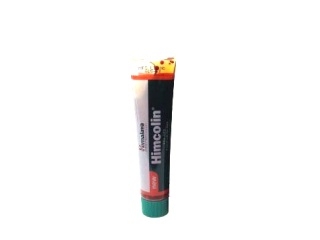
Himcolin (HIMCOLIN) — Patient-Friendly Guide
Himcolin is a medicine used in Australia for selected gastrointestinal and bladder-related conditions, depending on the exact formulation and strength supplied by the pharmacy. Because “Himcolin” may be available in different presentations, always check the label or product box for the exact ingredients and strength before use.
This guide explains how Himcolin works, how it is typically used, what to expect, and important safety information. If you have questions—especially if you are pregnant, breastfeeding, have kidney problems, or take other medicines—speak with a pharmacist or doctor.
Basic product information
| Category | Details |
|---|---|
| Medicine name | Himcolin |
| Formulations | May be available as tablets/capsules or other oral forms depending on supplier |
| What it is used for | Helps manage specific symptoms related to the gut/urinary tract, based on ingredient(s) and approved indications in Australia |
| How it is taken | Typically by mouth, with dosing determined by the condition being treated |
| Availability | Sold via pharmacies and may be available online through licensed retailers in Australia |
Important: The exact active ingredient(s) and dosing instructions for Himcolin can vary by product. Always follow the instructions provided with the specific Himcolin pack you receive and those given by your healthcare professional.
How Himcolin works (mechanism of action)
The way Himcolin works depends on its active ingredient(s). In general, medicines used for gastrointestinal cramping and urinary tract symptoms often act by:
- Relaxing smooth muscle (reducing involuntary tightening in the gut and bladder), which can help ease cramping, urgency, and discomfort.
- Reducing spasms by influencing nerve signals that control muscle contractions.
- Modulating certain secretions or reflex activity in the digestive or urinary system, depending on the pharmacology of the ingredient.
On the product information leaflet, you’ll find more specific details tailored to the exact ingredient(s) in your Himcolin product.
Pharmacokinetics (how the medicine moves through the body)
Pharmacokinetics describes what the body does to a medicine—how it is absorbed, distributed, metabolised, and eliminated. The exact values for Himcolin depend on the ingredient(s) and formulation, but patients commonly ask about the same practical points:
- Absorption: After oral dosing, the medicine is absorbed from the gastrointestinal tract into the bloodstream. Absorption may be influenced by food (see “Food interactions” below).
- Onset of action: Many users notice symptom relief within a short time after taking a dose, though some conditions require consistent use for best effect.
- Distribution: The medicine may reach targets in the gut and urinary tract where it can reduce spasms.
- Metabolism: Active ingredients are often broken down by the liver into metabolites.
- Elimination: Metabolites and/or unchanged drug are eliminated mainly through the kidneys (or via other routes depending on the ingredient).
If you have kidney disease or liver impairment, dosing and safety monitoring may need adjustment. Ask your pharmacist if you are unsure.
What Himcolin is typically used for (indications)
Himcolin is used to relieve symptoms associated with certain conditions where spasms or overactivity of smooth muscle are involved. Depending on the specific formulation and approved Australian product information, typical indications may include:
- Gastrointestinal spasm (for example, cramping discomfort associated with functional bowel conditions)
- Urinary tract spasm or bladder overactivity symptoms such as urgency or discomfort
- Adjunct symptom control where relaxation of smooth muscle is helpful
Note: “Indications” can vary by product strength and formulation. Always confirm the exact indication(s) listed on the pack insert for your Himcolin.
When and how to take Himcolin (timing and dosing)
The right dosing schedule depends on your condition, your age, and the exact Himcolin product you have. Always follow the instructions on the packaging or the advice of your healthcare professional.
Typical timing
- Take as directed—often once or more times per day depending on symptom pattern.
- Consistency matters: for ongoing symptoms, regular dosing may be recommended rather than “only when symptoms are severe.”
- After starting, many people assess response over the first few days. If you notice no improvement or symptoms worsen, consult a clinician.
Typical dosing (example guidance)
Because dosing can differ across versions, use this section as general guidance only. Your specific pack will state the exact dose.
- Adults: commonly taken in divided doses across the day (e.g., morning and evening), depending on formulation.
- Older adults: may require lower doses due to increased sensitivity or risk of side effects.
- Children: dosing must be determined carefully by age/weight and the product’s approved use.
Practical tip: If your symptoms occur at predictable times (e.g., after meals or during certain activities), your clinician or pharmacist may advise a schedule that aligns with symptom onset.
If you miss a dose
- Take it when you remember unless it is close to the next dose.
- Do not take a double dose to make up for the missed one.
- If you miss multiple doses, ask your pharmacist for guidance specific to your situation.
Food interactions (what to watch for)
Food can change how quickly and how much medicine is absorbed. For Himcolin, the specific interaction depends on the ingredient(s), but common considerations include:
- Take with or without food as directed on your pack. Some formulations are easier on the stomach with food; others work best on an empty stomach.
- If your medicine’s instructions are unclear, ask your pharmacist. They can tell you whether to take it with meals or between meals.
- Grapefruit and similar products: If your Himcolin ingredient is metabolised by liver enzymes, certain foods/drinks can affect levels. Check the leaflet or ask a pharmacist if you regularly consume grapefruit or supplements.
Tip for consistent results: Try to take each dose at a similar time relative to meals each day.
Alcohol interactions
It’s important to understand how alcohol may affect both side effects and symptom control.
- Alcohol may increase dizziness or drowsiness for some people, especially if Himcolin has anticholinergic-type effects or affects the nervous system.
- Alcohol can also worsen gastrointestinal symptoms (such as reflux, cramps, or bowel discomfort) and may aggravate bladder symptoms.
Practical advice: If you choose to drink alcohol, start with small amounts, monitor how you feel, and avoid driving or operating machinery until you know how the medicine affects you.
Interactions with other medicines
Drug interactions can occur when medicines affect absorption, metabolism, or shared side effect profiles. Tell your pharmacist about all medicines you take, including over-the-counter products, herbal supplements, and vitamins.
Common interaction themes
- Other medicines that cause drowsiness (e.g., some antihistamines, cough suppressants, sedatives): may increase impairment.
- Medicines with anticholinergic effects (if applicable to your formulation): may increase side effects like dry mouth, constipation, blurred vision, or urinary retention.
- Medicines affecting the gut or bladder: combined effects may be stronger or may increase side effects.
- Liver enzyme interactions: medicines that alter metabolism may change Himcolin levels.
- QT-prolonging medicines (only if relevant to your ingredient): may increase risk of heart rhythm changes in susceptible people—discuss with your pharmacist.
When to seek urgent advice
- Seek urgent help if you develop severe allergic symptoms (swelling of face/lips, difficulty breathing, widespread rash).
- Get prompt medical advice for severe confusion, fainting, chest pain, or signs of urinary retention (unable to pass urine).
Safety profile: side effects and who should be careful
Most people taking Himcolin will experience either no side effects or mild effects that settle. However, like all medicines, it can cause unwanted effects.
Common side effects
- Dry mouth
- Constipation or difficulty passing stools
- Blurred vision or trouble focusing
- Difficulty urinating or reduced urine flow (less common, but important)
- Dizziness or light-headedness
- Headache
Less common but important side effects
- Fast heartbeat or palpitations
- Confusion (more likely in older adults or those sensitive to anticholinergic effects)
- Significant stomach pain or severe constipation (can indicate complications)
Seek medical help urgently if
- You have severe allergic reaction
- You cannot urinate
- You develop severe constipation, vomiting, or severe abdominal pain
- You experience severe dizziness, fainting, or marked confusion
Who should use caution
Check with a pharmacist or doctor if you have:
- Glaucoma (especially narrow-angle)
- Prostate enlargement or bladder emptying problems
- Constipation or bowel obstruction history
- Kidney or liver impairment
- Neurological conditions where anticholinergic burden is a concern
- You are taking multiple medicines that can cause similar side effects
Practical use tips (to get the best results and reduce discomfort)
- Start when symptoms are manageable: If you can predict flares, consider starting a dose before the time you usually feel unwell (only if consistent with your pack instructions).
- Hydrate well to help counter dry mouth and constipation.
- Maintain fibre and bowel routine: If constipation occurs, increase dietary fibre gradually and consider a stool softener or osmotic laxative after discussing options with your pharmacist.
- Be careful with driving: If you feel dizzy or your vision is affected, avoid driving or operating machinery until you feel normal again.
- Track your symptoms: Note when you take the dose and when symptoms improve or return. This helps refine timing with your healthcare professional.
- Avoid overheating: Some medicines can reduce sweating. Take care in hot weather and stay hydrated.
- Keep an updated medicine list: Include any OTC products and supplements to prevent interactions.
Alternative options (depending on your condition)
If Himcolin isn’t suitable or doesn’t control your symptoms well, there may be other options. Alternatives depend on the underlying diagnosis and your health profile.
Non-medicine options
- Diet and trigger management for gastrointestinal discomfort (e.g., reducing known trigger foods)
- Bladder training and pelvic floor exercises for urinary symptoms
- Stress management to reduce symptom sensitivity in functional disorders
Medicine alternatives (discuss with your pharmacist)
- Antispasmodics (different active ingredients within the same functional category)
- Targeted bladder medicines for overactive bladder, when appropriate
- Acid or bowel-specific therapies if your main issue is reflux, inflammation, or a bowel condition rather than spasms
Tip: If you tell your pharmacist your main symptoms (e.g., cramping location, urinary urgency frequency) and timing, they can help identify which alternative classes may be relevant.
Australia: market and legal context (what this means for you)
In Australia, medicines are supplied and distributed under regulatory frameworks administered by the Australian Government and medicines regulators. Availability depends on whether the product is classified as:
- Prescription-only in some cases, and/or
- Pharmacist-only or Over-the-counter depending on the specific product and formulation
Online pharmacies in Australia must comply with applicable regulations for supply, customer verification, and product handling. When you order, you should expect clear product information, dosage directions, and safety warnings aligned with the Australian product’s approved content.
Always check: the pack label and leaflet you receive from the online pharmacy to ensure it matches the medicine you intended to purchase.
Recent guidance and updates (how to stay current)
Clinical and regulatory guidance can evolve. To stay up to date:
- Review the consumer medicines information leaflet included with your pack.
- Ask your pharmacist whether any recent safety alerts or label updates apply to your specific Himcolin product.
- If you experience new or worsening symptoms, seek timely medical advice rather than adjusting doses on your own.
Because guidance depends on the active ingredient(s) and product classification, your pharmacist is the best source for “what’s changed” for your exact medicine.
Delivery and availability
Himcolin may be available through licensed online pharmacies across Australia, subject to stock availability and classification. Typical ordering and delivery processes may include:
- Secure online ordering with product verification
- Packaging designed to protect tablets/capsules during transit
- Estimated dispatch times shown at checkout
- Tracking for eligible deliveries
Availability can vary by suburb and supplier, and stock may be limited for certain strengths or forms. If a product is unavailable, the pharmacy may offer an alternative strength or compatible option.
Himcolin FAQ
1) What is Himcolin used for?
Himcolin is used to relieve symptoms linked to spasms or overactivity in the gastrointestinal tract and/or urinary tract, depending on the exact ingredients and the approved indication for your specific product in Australia.
2) How long does it take to work?
Many people notice symptom improvement within a short time after taking a dose, but the exact onset depends on the formulation and your condition. If symptoms do not improve after several days (or rapidly worsen), contact a pharmacist or doctor.
3) Can I take Himcolin with food?
Follow the instructions on your pack. Some formulations may be taken with food to reduce stomach upset; others may work best on an empty stomach. If you are unsure, ask your pharmacist.
4) Is it safe to drink alcohol while taking Himcolin?
Alcohol can increase dizziness or impair alertness and may worsen gastrointestinal or bladder symptoms. If you choose to drink, do so cautiously and avoid activities requiring full alertness until you know how you respond.
5) What side effects are most common?
Common side effects can include dry mouth, constipation, blurred vision, dizziness, and sometimes difficulty urinating. Seek help urgently for severe constipation, inability to urinate, confusion, or signs of an allergic reaction.
6) Can Himcolin interact with other medicines?
Yes. Interactions can occur especially with medicines that cause drowsiness or have similar side effects (such as anticholinergic effects), as well as some medicines metabolised by the liver. Provide your pharmacist with a complete list of your medicines and supplements.
7) What should I do if I miss a dose?
Take it when you remember unless it is near your next dose. Do not double up. If you miss multiple doses or are unsure, ask your pharmacist for advice.
8) Who should avoid or use extra caution with Himcolin?
Caution is advised if you have glaucoma, bowel obstruction risk or severe constipation, prostate/bladder emptying problems, kidney or liver impairment, or if you take multiple medicines that can increase anticholinergic-type side effects.
9) Are there alternatives to Himcolin?
Yes, depending on the underlying cause of your symptoms. Alternatives may include other antispasmodic medicines, treatments for bladder overactivity, or non-medicine strategies like bladder training and dietary trigger management.
10) How can I use Himcolin practically day-to-day?
Hydrate, monitor constipation, keep consistent dosing timing, and avoid driving if you feel dizzy or your vision is affected. Track symptom changes to help your pharmacist or clinician fine-tune your plan.
Disclaimer: This information is intended for general education only and does not replace advice from your pharmacist or doctor. Always read the consumer medicine information leaflet supplied with your Himcolin and follow the directions on the pack. If you have concerns about your symptoms or side effects, seek professional advice promptly.