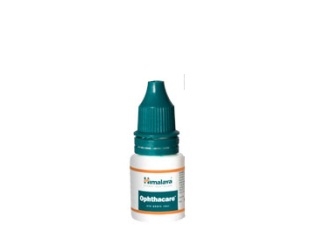


Ophthacare Eye Drops (Australia) — Patient Information
Ophthacare is an eye-care medicine designed to soothe, protect and support healthy vision by helping to keep the eye surface comfortable. If you’re looking for an eye drop product you can understand clearly before use, this guide explains what Ophthacare is, how it works, how to use it safely, and what to expect.
Important: This information is general and patient-friendly. Always follow the directions provided with your product and consult your pharmacist or doctor if you have any questions—especially if you have eye pain, sudden vision changes, severe redness, or symptoms that rapidly worsen.
Quick Product Overview
| Category | Ophthacare Eye Drops |
|---|---|
| Purpose | Helps maintain comfort and eye surface support; may be used for dry/irritated eyes depending on your needs and product formulation. |
| Common uses | Dry eye symptoms, irritation, and supportive eye care (as directed by your healthcare professional). |
| How it’s used | Applied directly into the affected eye(s) as eye drops. |
| Typical dosing form | Eye drops, usually multiple times daily during symptoms (exact frequency varies by product strength). |
| Availability (Australia) | Available via online pharmacies and selected retail channels, subject to stock and product type. |
What is Ophthacare?
Ophthacare is an eye drop medicine intended for use on the surface of the eye. Products in this category are often used to support the tear film and comfort of the eye, which can reduce dryness-related irritation and help the eye feel less gritty, tired, or uncomfortable.
Because “Ophthacare” products can vary by specific formulation and active ingredients depending on country and packaging, always check your exact product label for:
- the active ingredient(s),
- the strength and concentration,
- the recommended dosing frequency, and
- any warnings specific to that formulation.
How Ophthacare Works (Mechanism of Action)
Ophthacare’s mechanism depends on its specific formulation. In general, eye drops used for comfort and dry eye support may:
- Support the tear film, improving the stability and comfort of the eye surface.
- Provide lubrication to reduce friction and irritation.
- Help protect the ocular surface by improving hydration and reducing stress on the corneal/conjunctival surface.
- Reduce symptoms such as grittiness, burning, or a “dry” or “tired” feeling.
If your Ophthacare contains preservatives or active components beyond lubrication, these may also influence how it functions and how it should be used (for example, contact lens considerations). Always confirm details on your specific product label.
Pharmacokinetics (How the Medicine is Absorbed and Processed)
Many eye drop medicines primarily act locally on the eye surface. In most cases:
- After instillation, the solution spreads across the cornea and conjunctiva.
- Some amount is washed away by normal tear drainage through the tear ducts.
- Systemic absorption (into the bloodstream) is generally low for eye drops used on the eye surface.
Because the exact pharmacokinetic profile depends on the active ingredients and formulation (for example, viscosity, particle size, preservatives), specific clinical absorption data may differ between products. Your safest approach is to use the recommended dose and avoid overuse.
Typical Uses and Indications
Ophthacare is commonly used for symptoms and supportive care related to:
- Dry eye discomfort
- Irritation or a sensation of grit
- Burning or mild stinging associated with dryness
- Comfort during environmental dryness (air conditioning, wind, screens, or low humidity)
Clinical note: If you have suspected infection, significant pain, light sensitivity, or vision changes, do not rely on symptomatic eye drops alone. Seek prompt medical advice.
Timing and When to Use Ophthacare
The timing depends on your symptoms and the specific product directions. Many eye drops for ocular comfort follow a pattern such as:
- During the day: use at regular intervals while you’re experiencing dryness or irritation
- Before tasks that worsen symptoms: such as reading, computer use, or driving
- Before bed: if dryness is worse at night or on waking
General guidance:
- Use the lowest effective frequency that controls your symptoms.
- If you need to use other eye drops, follow spacing instructions (see Medication Interactions).
How to Use Ophthacare (Practical Step-by-Step Tips)
Proper technique helps improve comfort and reduces contamination risk.
- Wash your hands thoroughly with soap and water.
- Check the bottle for damage and read the label carefully.
-
Position yourself comfortably (mirror helps).
- Gently tilt your head back.
- Pull down the lower eyelid to form a small pocket.
- Instil the drop into the lower eyelid pocket.
- Keep the tip of the bottle from touching your eye or eyelids.
- Use the exact number of drops specified on the label.
- Close your eye gently for 1–2 minutes.
-
Optional (helps reduce drainage):
- Using a clean finger, lightly press the inner corner of your closed eye (near the nose) for about 30–60 seconds.
- Repeat if needed for the other eye.
- Replace the cap immediately.
- Wash your hands again.
If you miss a dose: apply it when you remember unless it’s close to the next dose. Don’t apply extra drops to “catch up” unless your pharmacist advises it.
Dosing Information (Adults and Common Patterns)
Because Ophthacare formulations and strengths can differ, the exact dosing should be guided by the product label. Typical dosing patterns for comfort eye drops often include:
- Adults: one or two drops in the affected eye(s), up to several times daily depending on symptom severity.
- Children: use only if directed by a doctor or pharmacist, because dosing and safety monitoring can vary.
Do not exceed the frequency on the label. Overuse of some eye drops can worsen irritation or dryness, particularly if the product contains certain preservatives.
If your symptoms persist beyond a short period or worsen despite correct use, stop and seek advice.
Food Interactions
Eye drops are used directly in the eye, so food interactions are generally not expected.
However, it’s still wise to avoid sharing eye drop bottles and to practise good hygiene while applying drops—regardless of meals or snacks.
Alcohol and Medicine Interactions
Alcohol: There is usually no direct interaction between alcohol and most eye drops used for local ocular comfort. However, alcohol can contribute to dehydration and may worsen dry-eye symptoms in some people.
Other medicines: Ophthacare may interact with other eye medicines mainly through timing and technique rather than a direct chemical interaction. If you use multiple eye products, consider:
- Wait between different eye drops: commonly at least 5–10 minutes between products to avoid washing one out with the next.
- Use ointments last: if you also use an eye ointment, apply it after drops.
- Check contact lens guidance: some formulations should not be used with lenses in place.
If you take other medications (including for allergies, glaucoma, or infections) and plan to use Ophthacare alongside them, ask your pharmacist for a safe schedule.
Safety Profile and When to Be Cautious
Most patients tolerate Ophthacare well when used as directed. Common side effects (depending on the formulation) can include:
- Temporary mild stinging or burning after instillation
- Blurred vision briefly after use
- Redness or mild irritation (usually short-lived)
- Watery eyes
Stop use and seek medical advice urgently if you experience:
- significant eye pain
- sudden or worsening vision changes
- severe redness or swelling
- symptoms of infection (thick discharge, eyelids stuck shut on waking)
- light sensitivity that is significant or worsening
- signs of allergy (intense itching, rash, facial swelling)
Who should seek advice before using?
- People with contact lens use (especially if your product contains components that may not be compatible with lenses).
- People with a history of eye surgery or chronic eye conditions.
- People who have had previous reactions to eye drops or preservatives.
- Pregnancy or breastfeeding individuals (check product guidance and consult a healthcare professional if unsure).
Practical Use Tips for Better Comfort
Small habits can make eye drops work better and reduce symptom flare-ups:
- Use consistently during a flare-up, then reduce frequency when improved.
- Avoid touching the drop tip to the eye to reduce contamination risk.
- Manage screen time: use the “20-20-20” rule (every 20 minutes, look 20 feet away for 20 seconds).
- Consider blinking habits: people blink less during screen use—consciously blink more often.
- Reduce dry-air exposure: limit direct airflow from fans or air conditioners.
- Do not share bottles with others.
- Store correctly: keep the bottle capped and store at the recommended temperature on the label.
Contact lenses: If you wear contact lenses, check your Ophthacare label for whether lenses should be removed before use. Many eye drops require removal of lenses to avoid residue from interacting with the lens material.
Alternative Options
If Ophthacare isn’t suitable for your situation (for example, due to lens compatibility, persistent symptoms, or ingredient sensitivity), there are other categories of eye-care products commonly available:
- Lubricating drops (artificial tears): for mild dryness and irritation.
- Preservative-free lubricants: often helpful for frequent use or sensitive eyes.
- Gel or ointment formulations: useful for more severe dryness, especially at night.
- Dry eye supportive treatments: depending on cause (for example, lid hygiene and warm compresses for meibomian gland dysfunction).
Your pharmacist can recommend an appropriate option based on your symptoms, frequency of use, whether you wear contact lenses, and any past reactions.
Market & Legal Context for Australia (Overview)
In Australia, eye medicines sold through pharmacies are regulated to ensure safe supply and correct consumer information. Product classification (for example, whether it is an OTC medicine, pharmacy-only product, or part of an eye-care range) depends on the active ingredients and intended use.
When purchasing Ophthacare online in Australia, reputable pharmacies will generally:
- provide clear product label details and usage instructions,
- include appropriate safety warnings,
- offer delivery tracking and safe packaging, and
- help customers choose the right product for their needs.
Recent guidance: Australians using eye drops are advised to practise safe hygiene, avoid contamination, and seek medical review promptly for red-flag symptoms (significant pain, sudden vision loss, infection signs, or symptoms not improving).
Delivery and Availability (Australia)
Ophthacare may be available through online pharmacies and home-delivery services across Australia. Availability can vary by:
- product strength and pack size,
- current stock levels, and
- seasonal demand (for example, during dry weather or allergy seasons).
Typical delivery features you can expect from reputable Australian online pharmacies include:
- Secure packaging to protect the bottle from damage
- Order confirmation and tracking
- Transparent estimated delivery times
When placing an order, check:
- the expiry date shown on dispatch,
- whether the product is sealed, and
- the storage instructions so it remains effective.
Frequently Asked Questions (FAQ)
1. How long does it take for Ophthacare to work?
Many patients notice symptom relief fairly quickly, such as less stinging or improved comfort. If your dryness is persistent, regular use over several days may be needed to see the best effect. If symptoms do not improve or worsen, seek advice.
2. Can I use Ophthacare with contact lenses?
Whether you can use Ophthacare with contact lenses depends on the exact formulation. Check the product label for lens guidance. If unsure, remove lenses before applying the drops and ask your pharmacist for the correct wait time before reinserting.
3. Is Ophthacare safe for everyday use?
When used according to label directions, Ophthacare is typically suitable for symptom relief. If you need frequent dosing, consider whether a preservative-free option is more appropriate for your situation—your pharmacist can help.
4. What should I do if my eye burns after using the drops?
Mild, brief stinging can occur with some eye drops. If burning is strong, persistent, or accompanied by worsening redness or pain, stop using and seek medical advice.
5. Can I use Ophthacare with other eye drops?
Yes, in many cases. Allow time between products—commonly 5–10 minutes—to prevent one drop from washing out the other. Use ointments last.
6. Can I drive after using Ophthacare?
If your vision becomes briefly blurred after applying drops, avoid driving or operating machinery until your vision is clear again.
7. What if I forget a dose?
Use it when you remember unless it’s almost time for your next dose. Do not apply extra drops to compensate.
8. When should I stop and see a doctor urgently?
Seek urgent medical care if you have severe pain, significant swelling, sudden vision changes, heavy discharge, or light sensitivity that is worsening. These can indicate problems that require prompt assessment.
9. Are there food or alcohol interactions?
Food interactions are not typically expected because the medicine acts locally. Alcohol may worsen dry-eye symptoms by contributing to dehydration, but usually there is no direct drug interaction. If you’re concerned, speak with your pharmacist.
10. What if my symptoms keep returning?
Dry eye can be triggered by screen time, airflow, allergies, medications, hormonal changes, or eyelid oil gland issues. Consider discussing your symptoms with a pharmacist or GP, especially if you need eye drops regularly.
References and Label Check Reminder
Always read the manufacturer’s label and the consumer medicine information included with your Ophthacare product for the most accurate details about active ingredients, dosing, and warnings. If you are uncertain whether Ophthacare is suitable for your specific eye condition, ask a healthcare professional before using.
Your eye health matters: If you experience red flags such as severe pain or sudden vision changes, don’t delay—seek medical advice promptly.