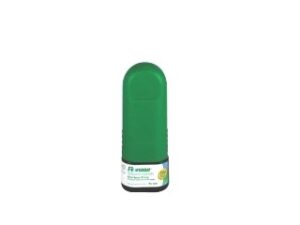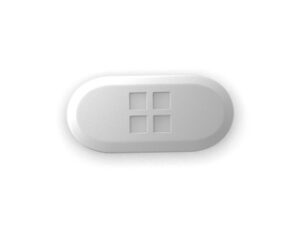

Orapred (Prednisolone) – Patient Information (Australia)
Orapred is a brand of prednisolone, a medicine from the corticosteroid family. It is used to reduce inflammation and control immune-related conditions. This guide explains how Orapred works, when it’s typically used, how to take it safely, and what to watch for—written for patients in an easy-to-read format for Australia.
Always follow the directions provided by your healthcare professional and read the Consumer Medicine Information (CMI) for the exact formulation you have.
Basic product information
| Feature | Details |
|---|---|
| Medicine name | Orapred (Prednisolone) |
| Medicine type | Corticosteroid (glucocorticoid) |
| Common forms | Oral liquid / oral tablets (availability varies) |
| Main actions | Reduces inflammation; suppresses overactive immune responses |
| Typical dosing approach | Often once daily or divided doses; duration can vary from short courses to longer regimens |
How Orapred works (mechanism of action)
Prednisolone helps control conditions driven by inflammation and an overactive immune response. It works at the cellular level to:
- Reduce inflammation by decreasing inflammatory mediator release.
- Suppress immune activity by altering how immune cells respond.
- Stabilise blood vessel and tissue responses that contribute to swelling.
- Improve symptoms such as pain, redness, itching, and breathing difficulty in inflammatory conditions.
Prednisolone is not an “instant cure” for all conditions, but many people notice symptom relief within days (depending on the condition and dose).
Pharmacokinetics (how the body handles prednisolone)
Pharmacokinetics describes absorption, distribution, metabolism, and elimination. While the exact details may vary between products and individuals, prednisolone generally follows these principles:
- Absorption: Prednisolone is absorbed from the gastrointestinal tract after oral dosing.
- Distribution: It binds partially to plasma proteins and distributes into tissues where it acts.
- Metabolism: Prednisolone is metabolised mainly in the liver.
- Elimination: Metabolites are excreted primarily through the kidneys (urine).
Prednisolone’s effect may persist longer than the dose itself because of how it changes immune and inflammatory processes.
Typical uses (indications)
Orapred (prednisolone) is used for a range of inflammatory and immune-mediated conditions. Common indications include:
- Allergic and inflammatory conditions (e.g., severe allergic reactions under medical supervision, inflammatory skin conditions)
- Asthma flare-ups and other airway inflammation in selected situations
- Rheumatic and autoimmune diseases (e.g., inflammatory joint conditions)
- Gastrointestinal inflammatory conditions (e.g., certain inflammatory bowel disease flares)
- Hematologic and immune conditions where immune suppression is needed (your doctor will specify)
- Nephrotic syndrome (in appropriate patients, based on specialist guidance)
The exact indication and dosing plan depend on the diagnosis, severity, and overall health—including your infection risk and previous steroid history.
Timing and how to take Orapred
When to take it
Many patients are advised to take prednisolone in the morning (often once daily) to better match the body’s natural cortisol rhythm. Morning dosing can also reduce side effects such as sleep disturbance.
Follow your schedule exactly
Do not change the dose or stop suddenly—especially if you have taken it for more than a short time. Prednisolone can affect the body’s own cortisol production.
With food or without food
Prednisolone can be taken with or without food, but taking it with food or milk may help reduce stomach irritation.
If you experience nausea, heartburn, or stomach pain, consider taking your dose with a meal and discuss further options with your healthcare professional.
Missed dose
If you miss a dose, take it when you remember unless it’s close to your next dose. Avoid doubling doses. If you are unsure, ask your pharmacist for advice.
Food interactions and diet considerations
Prednisolone is not known for many direct “food-drug” interactions, but diet matters because steroids can influence appetite, blood sugar, fluid balance, and bone health.
- Stomach comfort: Taking with food may reduce irritation.
- Blood sugar: Steroids can raise glucose levels. If you have diabetes or prediabetes, you may need closer monitoring.
- Salt/fluid balance: Prednisolone may contribute to fluid retention in some people. If you’re on a fluid- or salt-restricted plan, follow your clinician’s advice.
- Potassium: Longer or higher-dose steroid therapy can affect potassium. Do not start supplements without medical advice.
- Bone health: Use with calcium/vitamin D guidance may be recommended if therapy is prolonged.
Your pharmacist or doctor can suggest dietary adjustments based on your specific condition and dose duration.
Alcohol and medicine interactions
Alcohol
Occasional alcohol is not always strictly forbidden, but alcohol may increase the risk of stomach irritation, indigestion, and sleep disturbance—and can worsen side effects in some people.
If you have a history of gastritis, reflux, peptic ulcers, liver disease, or you’re taking other medicines that affect the stomach, discuss alcohol use with your clinician.
Common medicine interactions
Prednisolone can interact with several medicines. These interactions may change steroid levels, alter the effect of other medicines, or increase side effects. Tell your pharmacist about all medicines you take, including over-the-counter products and supplements.
Examples of medicines that may require extra caution
- NSAIDs (e.g., ibuprofen, naproxen): may increase gastrointestinal irritation and ulcer risk when combined.
- Anticoagulants (e.g., warfarin): the steroid effect on clotting control can vary; close monitoring may be needed.
- Diabetes medicines (e.g., insulin, metformin, sulfonylureas): steroid therapy can raise blood glucose, requiring dose adjustments.
- Diuretics and heart medicines: may have altered balance of fluids/electrolytes.
- Antifungals and antiviral medicines: can affect steroid metabolism.
- Rifampicin and certain anti-epileptic medicines: may change steroid metabolism.
- Vaccines: live vaccines may be less appropriate during immunosuppression; discuss timing with your clinician.
This is not a complete list. Interaction severity depends on dose and duration, so always check with a healthcare professional if you start a new medicine while taking Orapred.
Dosing guidance (general information)
Orapred dosing is individual. The right dose depends on the condition being treated, severity, response, and your medical history. Your prescriber will determine the dose and the duration.
Typical dosing patterns
- Short courses are sometimes used for flare-ups, often with a planned taper if appropriate.
- Longer regimens require careful tapering to allow the adrenal glands to recover.
- Children may require weight-based dosing and closer monitoring.
Important: do not stop suddenly
If you’ve been taking prednisolone for more than a short period, abrupt stopping can be unsafe due to suppression of natural cortisol production. Your clinician may recommend a tapering schedule.
Missed dose and emergency situations
If you accidentally miss a dose, take it when you remember unless close to the next dose. If you are very unwell, dehydrated, or unable to keep medicine down, contact a clinician promptly.
Safety profile and side effects
Prednisolone can be very effective, but it can also cause side effects—especially with higher doses and longer durations. Most side effects are dose-dependent and improve after dose reduction or stopping (under medical guidance).
Common side effects
- Increased appetite and weight gain
- Insomnia or restlessness (more likely with morning or late dosing)
- Heartburn, indigestion, or stomach discomfort
- Mood changes (e.g., irritability, mood swings)
- Fluid retention and facial puffiness
- Increased blood sugar (especially in people with diabetes)
- Headache
Less common but important risks
- Infection risk: Steroids can reduce immune response, increasing susceptibility to some infections.
- Gastric ulcer risk: Particularly when combined with NSAIDs or in people with ulcer history.
- Bone thinning (osteoporosis): Risk increases with prolonged use.
- Eye effects: Long-term steroid use may increase risk of cataracts or glaucoma.
- Blood pressure changes and lipid changes
- Skin changes (thinning, easy bruising)
- Adrenal suppression: Natural cortisol production may be suppressed, requiring gradual tapering.
Seek urgent medical help if
Contact urgent care or seek medical attention immediately if you develop signs of severe infection or other emergency symptoms such as:
- High fever, severe chills, confusion, or rapidly worsening illness
- Shortness of breath or chest pain
- Black/tarry stools or vomiting blood (possible gastrointestinal bleeding)
- Severe allergic reaction symptoms (swelling of face/lips, difficulty breathing)
- Severe headache with vision changes
Practical use tips
- Take it in the morning if advised: reduces the likelihood of insomnia.
- Take with food: can help prevent stomach upset.
- Use a pill organiser or medication reminder: helps keep timing accurate.
- Plan tapering in advance: if your course includes dose reduction, follow the exact schedule.
- Monitor blood sugar if you have diabetes: check levels more frequently when starting or changing dose.
- Protect bones: discuss calcium/vitamin D and weight-bearing exercise if therapy is longer term.
- Track side effects: mood changes, swelling, or sleep issues are important to report early.
- Avoid close contact with infectious illnesses: especially if you are on higher doses or longer courses.
If you are unsure how long you should take Orapred, confirm the plan with your prescriber or pharmacist.
Alternative options
The best alternative depends on your diagnosis, severity, and past response to treatment. For inflammatory and immune-related conditions, alternatives may include:
Within corticosteroids
- Other oral corticosteroids (e.g., prednisone, methylprednisolone) used for similar reasons but with different dosing equivalence and side-effect profiles.
- Inhaled corticosteroids for some respiratory conditions (often with fewer systemic effects than oral steroids).
- Topical corticosteroids for local skin inflammation.
- Injectable corticosteroids in selected circumstances (administered in medical settings).
Non-steroid medicines
- Immunomodulators (for longer-term control in some autoimmune conditions)
- Biologic therapies in certain immune-mediated diseases
- Other anti-inflammatory treatments depending on diagnosis
Your healthcare professional will advise whether an alternative is appropriate, including how it may affect your infection risk, monitoring needs, and symptom control.
Orapred in Australia: market and legal context
In Australia, access to medicines is regulated to help ensure safe use. Prednisolone products are generally available through licensed pharmacy supply channels, with the exact requirements depending on the formulation, strength, and product listing status at the time of purchase.
Online pharmacy services in Australia typically follow applicable regulations regarding supply, identification of the product, and appropriate information for consumers. If a medicine is subject to additional supply restrictions, the website may require eligibility checks and/or completion of a medicine review process.
Because regulatory and listing details can change, always verify the product page information for the specific Orapred formulation and availability through the retailer.
Recent guidance and monitoring (general)
Clinical guidance for systemic corticosteroids commonly emphasises:
- Using the lowest effective dose for the shortest effective duration when appropriate.
- Planned tapering to reduce withdrawal/adrenal suppression risk after longer courses.
- Infection risk awareness, including screening and monitoring where needed.
- Monitoring for blood pressure, blood glucose, bone health, and eye health for longer-term treatment.
- Patient education about side effects and when to seek help.
Delivery, availability, and storage
Availability
Orapred availability can vary by formulation (for example, oral liquid versus tablets), strength, and brand supply. Online pharmacies may list current stock levels on the product page.
Delivery
Delivery times depend on your location and courier services. Many Australian online pharmacies provide standard and express delivery options. If a product is temporarily out of stock, the retailer may offer notifications when it returns.
Storage
Store prednisolone as directed on the packaging. In general, medicines should be kept:
- At room temperature unless the label says otherwise
- Protected from moisture and heat
- Out of reach of children
- In the original packaging if possible
Frequently asked questions (FAQ)
1) How fast does Orapred work?
Many people notice improvement within 24–72 hours for some inflammatory conditions, though others may take longer. The timing depends on the diagnosis, dose, and severity. If there’s no improvement after the expected period, contact your clinician.
2) Can I take Orapred with food?
Yes. Taking Orapred with food or milk can help reduce stomach upset. If your healthcare professional gave specific instructions, follow those.
3) What should I do if I miss a dose?
Take it when you remember unless it’s near your next dose. Do not double up. If you are unsure, ask your pharmacist for guidance.
4) Why shouldn’t I stop prednisolone suddenly?
Prednisolone can suppress your body’s own cortisol production. Stopping suddenly—particularly after longer use—can cause adrenal insufficiency. A taper plan is often required.
5) Does Orapred cause weight gain?
It can increase appetite and fluid retention, which may lead to weight changes. Not everyone experiences weight gain, and side effects often lessen when the dose is reduced.
6) Will Orapred weaken my immune system?
It can. Systemic corticosteroids may increase the risk of infection. Seek medical advice promptly if you develop fever or signs of infection, and discuss vaccines and infection exposure with your clinician.
7) Are there any special precautions for diabetes?
Yes. Prednisolone can raise blood glucose levels. If you have diabetes, you may need additional monitoring and possible adjustment of diabetes medicines. Talk to your healthcare professional early.
8) Can I drink alcohol while taking Orapred?
Moderate alcohol may be acceptable for some people, but it can worsen stomach irritation and sleep. If you have reflux, ulcer history, liver issues, or take other medicines that increase bleeding risk, discuss alcohol use with your clinician.
9) What medicines should I tell the pharmacist about?
Tell them about all medicines and supplements you use, including NSAIDs, anticoagulants, diabetes medicines, antifungals/antivirals, vaccines, and any herbal products. Interactions depend on dose and duration.
10) Is Orapred suitable for children?
It may be used in children for specific conditions, but dosing and monitoring must be tailored by a healthcare professional. Children may be more vulnerable to certain side effects.
Key takeaways
- Orapred (prednisolone) is a systemic corticosteroid used to treat inflammatory and immune-related conditions.
- It works by reducing inflammation and suppressing immune activity.
- Many people take it in the morning and with food to improve tolerability.
- Do not stop suddenly—tapering may be required after longer courses.
- Watch for infection signs and stomach side effects, and seek urgent help if severe symptoms occur.
For the safest use, confirm your dosing schedule, duration, and taper plan with your healthcare professional. If you have questions about your specific product strength or instructions, a pharmacist can help.