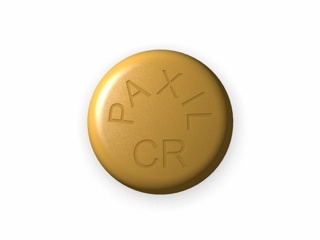


Paxil (Paroxetine) – Patient-Friendly Guide (Australia)
Paxil is a brand of paroxetine, a medicine used to treat a range of mental health conditions. This guide explains how Paxil works, how it’s typically taken, what to expect, and important safety information. It’s designed to be clear and practical for everyday use in Australia.
Note: Always follow the instructions provided by your healthcare professional and the medicine label. Individual circumstances—such as your diagnosis, other medicines, age, and medical history—affect the safest and most effective approach.
Basic Product Information
- Generic name: Paroxetine
- Brand name: Paxil
- Medicinal class: Selective Serotonin Reuptake Inhibitor (SSRI)
- Common form: Tablets (formulations may vary)
- Use: Depression, anxiety disorders, and related conditions
- Who it’s for: Adults and, in some cases, adolescents/children depending on local guidance and indications
In Australia, paroxetine medicines are supplied under the Pharmaceutical Benefits Scheme (PBS) for certain eligible patients and conditions. Eligibility and specific listings can vary.
What Paxil Does (Mechanism of Action)
Paxil (paroxetine) is an SSRI. It works mainly by increasing the level of serotonin in the brain. Serotonin is a chemical messenger involved in mood, anxiety, sleep, appetite, and other processes.
Paxil blocks (inhibits) the serotonin transporter, which reduces the reuptake of serotonin back into nerve cells. As a result, serotonin activity becomes more available between neurons.
Although Paxil starts affecting serotonin levels quickly, the improvement in mood and anxiety symptoms typically takes several weeks. This delay is normal and relates to the way the brain adjusts to treatment over time.
Pharmacokinetics (How the Body Handles Paxil)
Pharmacokinetics describes how the body absorbs, distributes, metabolises, and eliminates paroxetine. While exact values can vary between people, key points include:
- Absorption: Paroxetine is absorbed after oral dosing.
- Peak effect timing: Blood levels typically rise over several hours after a dose.
- Distribution: The medicine spreads through the body, including the brain.
- Metabolism: Primarily metabolised in the liver by enzymatic pathways.
- Elimination: Metabolites are cleared mainly through urine.
- Half-life: Paroxetine has a relatively intermediate half-life compared with some other SSRIs, which can influence withdrawal risk if stopped suddenly.
Because paroxetine can interact with liver enzymes and may have drug–drug interaction potential, it’s important to review all medicines (including “over-the-counter” products and supplements) with your healthcare professional or pharmacist.
What Paxil Is Used For (Indications)
Paxil is used to treat several mental health conditions. Your prescriber will decide which condition(s) it’s for based on your symptoms. Common indications include:
- Depression (including major depressive disorder)
- Obsessive-compulsive disorder (OCD)
- Social anxiety disorder
- Generalised anxiety disorder (GAD)
- Panic disorder (with or without agoraphobia)
- Post-traumatic stress disorder (PTSD) (where appropriate under clinical guidance)
If you’re not sure whether your symptoms fit one of these conditions, discuss this with a GP or psychiatrist. Correct diagnosis helps ensure the best outcome from treatment.
When It Starts Working (Timing & Expectations)
Many people notice some changes within the first 1–2 weeks, but full benefit often takes longer. A typical timeline may look like:
- First days to 2 weeks: Possible early changes (e.g., sleep, appetite, anxiety) or initial side effects.
- Weeks 2–4: Gradual improvement in anxiety and/or mood.
- Weeks 4–6 (sometimes longer): More meaningful symptom relief and stabilisation of treatment response.
- Maintenance: Some people need continued treatment to reduce relapse risk.
Important: If you feel worse, experience severe agitation, suicidal thoughts, or unusual behaviour changes, seek urgent medical help promptly.
How to Take Paxil (Typical Dosing Guidance)
The exact dose and schedule depend on the condition being treated, your age, and your response. Your healthcare professional will provide a personalised plan. Below is general information about typical dosing ranges used in clinical practice.
| Condition | Typical starting dose (adults) | Common dose range | How dosing is adjusted |
|---|---|---|---|
| Depression | Low initial dose, then gradual increase | Often mid to higher daily doses depending on response | Titrated based on benefit and side effects |
| OCD | Lower start; build up gradually | May require higher doses than depression | Slow titration to reduce side effects |
| GAD | Start low; monitor tolerability | Range varies widely by individual | Adjusted in steps |
| Panic disorder | Lower start recommended | Adjusted according to response | Gradual increases to minimise early worsening |
| Social anxiety disorder | Start low; monitor | Within standard adult dosing range | Based on symptom improvement |
General practical tips:
- Consistency matters: Take it at the same time each day.
- With or without food: You can usually take Paxil with food or on an empty stomach (see food section below for details).
- Don’t stop suddenly: Paroxetine is associated with withdrawal symptoms if stopped abruptly. Tapering should be guided by your prescriber.
- If you miss a dose: Take it when you remember unless it’s close to the next dose. Do not take double to make up for a missed dose.
Food Interactions (Can You Take Paxil With Meals?)
Paxil can typically be taken with or without food. Food is not usually a major factor in how the medicine works.
However, if you find that side effects—such as nausea or stomach upset—are bothersome, taking Paxil with a meal may help. Some people also prefer a particular time of day depending on whether they feel more alert or more sleepy.
- If it upsets your stomach: try taking with food.
- If it makes you sleepy: consider taking in the evening (only if your clinician advises it).
- If it makes you feel more alert: consider taking in the morning.
Alcohol & Medicine Interactions
Alcohol
It’s generally advised to limit or avoid alcohol while taking Paxil. Alcohol can worsen mood, increase anxiety, and may make certain side effects more likely—such as dizziness, drowsiness, or impaired concentration.
If you choose to drink, do so carefully and discuss it with your pharmacist or prescriber, particularly if you have depression, anxiety, or driving/safety concerns.
Other Medicines (Common Interaction Concerns)
Paxil has potential interactions with other medicines because of its effect on serotonin pathways and because paroxetine can influence liver enzymes. Some interactions can increase side effects, while others can reduce effectiveness.
Tell your healthcare professional about all medicines you take, including:
- Other antidepressants (including SSRIs/SNRIs and some tricyclic antidepressants)
- Monoamine oxidase inhibitors (MAOIs) and certain related medicines
- Linezolid (an antibiotic)
- Triptans (migraine medicines)
- Tramadol (pain medicine)
- St John’s wort (herbal product)
- NSAIDs like ibuprofen or naproxen (may increase bleeding risk when combined with SSRIs)
- Anticoagulants/antiplatelet medicines (e.g., warfarin, clopidogrel)
- Antiarrhythmics or other medicines that can affect heart rhythm
- Medications that affect serotonin (risk of serotonin syndrome)
Serotonin syndrome warning: Combining Paxil with other medicines that increase serotonin may rarely cause a serious condition called serotonin syndrome. Symptoms can include fever, agitation, confusion, sweating, tremor, diarrhoea, and muscle stiffness. Seek urgent medical assistance if these occur.
Important: Do not start, stop, or change doses of any medicines without professional advice.
Safety Profile: Side Effects & When to Get Help
Like all medicines, Paxil can cause side effects. Many are mild and improve after the first days or weeks. Some side effects may persist—if they’re troublesome, discuss options with your healthcare professional.
Common Side Effects
- Nausea
- Headache
- Sleep changes (sleepiness or insomnia)
- Dizziness
- Dry mouth
- Sweating
- Fatigue
- Tremor
- Sexual side effects (lower libido, delayed orgasm)
- Weight changes (varies between people)
Less Common but Important Risks
- Withdrawal symptoms if stopped suddenly: dizziness, “electric shock” sensations, anxiety, irritability, nausea, and sleep disturbance.
- Increased bleeding tendency: especially when combined with NSAIDs or blood thinners.
- Low sodium (hyponatraemia): more likely in older adults or those taking diuretics.
- Mania or hypomania: if you have bipolar disorder or a predisposition.
- Seizures: risk may increase in susceptible individuals.
- QT/heart rhythm concerns: caution may be needed in people with known cardiac risk factors.
Seek Urgent Medical Help If
- You develop symptoms of serotonin syndrome (e.g., fever, confusion, severe agitation, tremor, sweating, diarrhoea).
- You have suicidal thoughts or feel unsafe.
- You experience severe allergic reactions (swelling of face/lips, breathing difficulty, hives).
- You develop signs of unusual bleeding (e.g., black stools, vomiting blood, severe bruising) or severe persistent vomiting.
Practical Use Tips (Getting the Best Results)
- Give it time: meaningful improvements often take weeks.
- Track symptoms: noting sleep, anxiety level, and mood can help your clinician adjust treatment.
- Expect early changes: mild side effects can occur at the start; sudden stopping can worsen things.
- Use reminders: phone alarms or blister pack organisation can reduce missed doses.
- Don’t “double up”: if you miss a dose, follow label guidance; avoid taking extra doses.
- Plan for stopping: withdrawal can be minimised with gradual tapering—ask your doctor for a taper schedule.
- Consider lifestyle support: consistent sleep, gentle exercise, and stress management strategies can complement medicine.
If you experience bothersome sexual side effects, appetite/weight changes, or persistent nausea, speak with your pharmacist or prescriber. Adjustments in dose, timing, or switching to another antidepressant may be considered.
Alternative Options (If Paxil Isn’t Suitable)
There are several antidepressant and anti-anxiety medication options. The best alternative depends on your diagnosis and how you respond to treatment. Alternatives may include:
- Other SSRIs (e.g., sertraline, escitalopram, fluoxetine)
- SNRI medications (e.g., venlafaxine, duloxetine)
- Other antidepressants (e.g., mirtazapine, depending on symptoms)
- OCD-focused strategies such as Cognitive Behaviour Therapy (CBT) including Exposure and Response Prevention (ERP)
- Psychotherapy options like CBT, trauma-focused therapies, and mindfulness-based strategies
If Paxil doesn’t work well or causes side effects you can’t manage, a clinician may: adjust the dose, switch medications, or combine medication with therapy. Switching requires careful planning to avoid discontinuation effects and interaction risks.
Market and Legal Context in Australia
In Australia, antidepressants like paroxetine are regulated medicines. Supply arrangements are governed by Australian medicines regulation and prescribing requirements. Many antidepressant medicines are listed on the PBS for eligible patients under specific clinical criteria.
Availability and eligibility depend on:
- Your diagnosis and treatment history
- Your prescriber’s assessment
- PBS listing criteria and special authority requirements where applicable
- Local policy and supply changes
Always ensure the product you purchase is from a reputable source and matches the prescribed strength and formulation.
Recent Guidance and Ongoing Precautions
Mental health care guidance evolves over time. Current best practices commonly include:
- Careful risk monitoring for mood changes, agitation, or suicidality, especially during early treatment or dose changes.
- Withdrawal planning with gradual tapering to reduce discontinuation symptoms.
- Reviewing drug–drug interactions to reduce the risk of serotonin syndrome and increased bleeding.
- Individualised dosing and reassessment of response after an adequate trial period.
If you’re starting Paxil (or changing dose), it’s a good idea to schedule follow-up contact with your healthcare professional to check tolerability and symptom progress.
Delivery and Availability (Online Pharmacy Considerations)
Paxil availability online can vary by supplier and stock levels. In Australia, reputable online pharmacies typically:
- Dispense from registered Australian pharmacy operations
- Use secure packaging and tracking where available
- Provide delivery time estimates by location
- Confirm the correct medicine, strength, and patient information before dispatch
When ordering, ensure you have:
- The correct product name and strength
- Accurate delivery details
- Any required information requested during the checkout process
If you need the medicine urgently, contact the pharmacy support team for the fastest shipping option and stock availability.
FAQ
1) How long does it take for Paxil to work?
Some people notice early effects within 1–2 weeks, but full symptom improvement often takes 4–6 weeks or sometimes longer. Follow-up is important to assess benefit and adjust treatment if needed.
2) Can I stop Paxil suddenly?
It’s not recommended. Paxil can cause withdrawal symptoms if stopped abruptly. Your prescriber can provide a safe tapering plan to reduce discontinuation effects.
3) Can I take Paxil with food?
Yes. Paxil is generally taken with or without food. If nausea occurs, taking it with a meal may help.
4) Is it safe to drink alcohol while on Paxil?
It’s best to limit or avoid alcohol. Alcohol may worsen mood and can increase side effects such as dizziness or drowsiness.
5) What should I do if I miss a dose?
Take it when you remember unless it’s almost time for your next dose. Do not take a double dose to compensate. If you’re unsure, check the product information or speak with your pharmacist.
6) What are the common early side effects?
Nausea, headache, sleep changes, dizziness, and sweating can occur—often in the first days to weeks. If side effects are severe or worsening, contact your healthcare professional promptly.
7) Can Paxil cause weight gain?
Some people experience weight changes over time. The direction and amount vary. If weight changes are a concern, discuss this early—adjustments and lifestyle support may help.
8) Are there sexual side effects?
Yes, sexual side effects (such as reduced libido or difficulty reaching orgasm) can occur with SSRIs, including paroxetine. These are important to mention to your clinician, as solutions may include dose changes or switching medicines.
9) Is Paxil the same as paroxetine in general?
Paxil is a brand name; the generic medicine is paroxetine. Different formulations or strengths may exist—always use the product that matches your prescribed instructions.
10) Can Paxil interact with other medicines?
Yes. Interactions can involve antidepressants, migraine medicines, pain medicines, herbal products, NSAIDs, blood thinners, and more. Provide your pharmacist or prescriber with a full list of medicines and supplements.
Important Reminder
Paxil (paroxetine) can be an effective treatment for depression and anxiety disorders, but the safest and most successful use depends on correct dosing, careful monitoring, and thoughtful management of side effects and stopping/tapering. If you have questions about whether Paxil is right for you—or how to take it safely—speak with your pharmacist or healthcare professional.