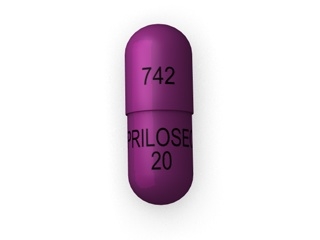
Prilosec (Omeprazole) – Patient-Friendly Information (Australia)
Prilosec is the brand name for omeprazole, a medicine used to reduce acid in the stomach. It belongs to a group called proton pump inhibitors (PPIs). This page explains what Prilosec does, how it works, when and how to take it, and what to consider with food, alcohol, and other medicines.
If you’re unsure about suitability for your situation—especially if you have alarm symptoms (such as unexplained weight loss, vomiting blood, black stools, or difficulty swallowing)—seek medical advice promptly.
Quick Overview
- Active ingredient: Omeprazole
- Medicine class: Proton pump inhibitor (PPI)
- Common uses: Heartburn (reflux), acid-related indigestion, and treatment of certain stomach and oesophagus conditions
- How it works: Reduces stomach acid production
- Typical timing: Usually taken once daily before food
- How fast it works: Relief can begin within hours; full benefit may take several days
Basic Product Information
Prilosec is an oral medicine containing omeprazole. In Australia, omeprazole products may be available in different strengths and dosage forms depending on the specific product and category (pharmacy or prescription supply). Brand availability can vary over time.
| Category | Details |
|---|---|
| Active ingredient | Omeprazole |
| Drug class | Proton pump inhibitor (PPI) |
| How it’s taken | Swallowed capsules or tablets (depending on the product) |
| Typical dosing frequency | Often once daily; sometimes more frequent in specific conditions |
| Key benefit | Reduces stomach acid to relieve symptoms and help heal the oesophagus/stomach lining |
How Prilosec Works (Mechanism of Action)
Omeprazole works by targeting the “acid pump” in stomach cells. Specifically, it blocks the proton (hydrogen-potassium) ATPase enzyme system (“proton pump”), which is responsible for producing gastric acid.
By suppressing acid production, Prilosec helps:
- Reduce heartburn and acid reflux symptoms
- Allow healing of irritation or inflammation in the oesophagus (reflux oesophagitis)
- Improve symptoms related to acid-related disorders such as ulcers
Because it affects active pumps and acid production is continuous through the day, the timing of dosing (usually before meals) can improve effectiveness. Full suppression of acid may take a few days as the medicine accumulates in the body and more pumps are inhibited.
Pharmacokinetics (How the Body Handles It)
While individual responses vary, the general pharmacokinetic behaviour of omeprazole is well understood:
- Absorption: Omeprazole is absorbed after swallowing. It is designed to protect the drug from stomach acid and release it where it can be absorbed.
- Onset: Symptom improvement may begin within hours, but peak effects on acid suppression often occur over several days.
- Metabolism: Omeprazole is metabolised primarily in the liver by enzymes in the CYP system (notably CYP2C19).
- Half-life: The elimination half-life is typically around 1–2 hours, but acid suppression can last longer than the measured drug presence because of the irreversible action on proton pumps.
- Duration of action: Even after drug levels fall, the effect on acid production persists until new pumps are made.
Factors that may affect response include liver function, genetic differences in CYP2C19 activity, and other medicines that influence liver enzymes.
Typical Use in Adults
Prilosec is commonly used for conditions where reducing stomach acid provides relief and/or healing. It may be used for short courses for mild, frequent reflux symptoms, and for longer courses in certain diagnoses as advised.
Common reasons people take omeprazole
- Frequent or persistent heartburn and acid reflux (GORD/GERD)
- Acid-related indigestion
- Oesophagitis (inflammation of the oesophagus due to reflux)
- Gastric or duodenal ulcers (often as part of a broader plan)
Indications (what it is used for)
Depending on the exact product, strength, and local guidance, omeprazole may be indicated for:
- GORD/GERD symptoms (heartburn, reflux)
- Reflux oesophagitis
- Peptic ulcer disease (including stomach or duodenal ulcers)
- Prevention and treatment strategies in certain ulcer-related scenarios
- Some regimens for Helicobacter pylori (H. pylori) eradication (when combined with other medicines as directed)
If your product is intended for a particular condition, follow the directions provided on the package or by your healthcare professional for that condition. If symptoms persist despite correct use, seek further assessment.
When to Take Prilosec (Timing)
Timing is an important part of how well a PPI works. Omeprazole is most effective when it can reach the active acid pumps in the stomach during mealtime “activation”.
General guidance
- Best time: Take omeprazole before food.
- Common schedule: Usually once daily, taken in the morning before breakfast.
- If advised twice daily: Space the doses according to instructions, typically before breakfast and before dinner.
What if you miss a dose?
- If you remember soon after, take it as soon as you can before your next meal.
- If it’s close to your next scheduled dose, skip the missed dose and continue as normal.
- Do not take a double dose to make up for a missed one.
Food Interactions (What to Eat and Drink)
Unlike many medicines, PPIs are not “powered” by taking them with food. In fact, taking omeprazole with or after meals can delay the onset of its effect and reduce effectiveness for some people.
Practical food guidance
- Take on an empty stomach: Aim to swallow the medicine before eating (commonly 30–60 minutes before breakfast).
- Consistency helps: Take it at the same time each day to support steady symptom control.
- Stay mindful with triggers: While omeprazole reduces acid, certain foods can still worsen reflux (e.g., large meals, very spicy foods, high-fat meals, chocolate, peppermint, and acidic foods for some people).
If you are taking other medicines, consider separating them according to how they interact with stomach acidity (see “Medicine Interactions” below).
Alcohol and Medicine Interactions
Alcohol can worsen reflux and stomach irritation in many people. Although there is no single “universal” alcohol–omeprazole contraindication, drinking alcohol may reduce your overall symptom control and increase the chance of unwanted effects such as nausea, stomach discomfort, or diarrhoea.
Tips for safer use
- Limit alcohol if you notice it triggers heartburn.
- Avoid taking the dose around heavy drinking.
- If you have a history of liver disease or chronic alcohol use, discuss your situation with a healthcare professional.
For additional interactions, also review the “medicine interactions” section, since some medicines commonly taken with heartburn include drugs that can interact with omeprazole through liver enzyme pathways.
Dosing Information (How Much to Take)
The correct dose depends on the condition being treated, your age, symptom severity, and your response to therapy. In Australia, dosing recommendations can vary between products and indications. Always follow the directions supplied with your specific Prilosec product.
Typical dosing patterns (general overview)
- Heartburn/reflux symptoms: Often taken once daily for a period recommended on the product instructions or by your clinician.
- More severe reflux or oesophagitis: May require higher doses or longer courses as advised.
- Ulcers/H. pylori regimens: Dose and duration are usually part of a structured plan, sometimes combining other medicines.
Do not exceed the dose stated on your product label unless directed. If symptoms do not improve within the expected timeframe, or if they return quickly, seek advice.
Practical Use Tips
How to take Prilosec properly
- Swallow whole: Don’t crush or chew unless the specific product instructions permit it.
- Take before meals: For best results, take it in the morning before breakfast (or as otherwise instructed).
- Stay consistent: Take it daily at the same time while symptoms are being controlled.
- Reassess if needed: If you are using it for frequent symptoms, consider reviewing your lifestyle triggers and discussing longer-term management.
Lifestyle measures that can boost results
- Eat smaller meals and avoid late-night eating.
- Maintain a healthy weight if advised.
- Avoid lying down right after eating; consider elevating the head of your bed if night reflux occurs.
- Stop smoking and limit alcohol if these worsen symptoms.
Safety Profile (Side Effects and When to Seek Help)
Most people tolerate omeprazole well. However, like all medicines, it can cause side effects. Side effects can vary by dose, duration of use, and individual health factors.
Common side effects (often mild)
- Headache
- Nausea
- Abdominal pain or discomfort
- Diarrhoea or constipation
- Gas (flatulence)
- Dry mouth or dizziness (less commonly)
Less common but important risks
- Vitamin and mineral changes: With longer-term use, some people may experience low levels of certain nutrients such as magnesium or vitamin B12.
- Infections: Reduced stomach acid can increase susceptibility to certain gastrointestinal infections.
- Kidney effects: Rarely, inflammation of the kidneys has been reported with PPIs.
- Bone fracture risk: Long-term/high-dose PPI use has been associated in some studies with increased fracture risk, particularly in people with other risk factors.
Seek urgent medical help if you experience
- Vomiting blood or material that looks like coffee grounds
- Black, tarry stools
- Severe or persistent difficulty swallowing
- Unexplained weight loss
- Chest pain or breathlessness (these may not be reflux—get assessed)
If you develop severe skin reactions (rash with blisters, swelling of face/lips, or difficulty breathing), seek urgent help. Tell your healthcare professional about all medicines you take, including supplements.
Medicine Interactions (Alcohol and Drug Interactions)
Omeprazole can affect the absorption or effects of some medicines due to its acid-reducing action and its liver metabolism. Always check interactions with your pharmacist or healthcare professional, particularly if you take multiple medicines.
Examples of interaction concerns
- Medicines that rely on stomach acidity: Some drugs require acidic conditions for proper absorption and may be less effective when acid is reduced.
- Clopidogrel: There can be an interaction concern between PPIs (including omeprazole) and clopidogrel in some contexts. Your clinician will advise if another PPI or timing is preferred.
- Antiretrovirals (HIV medicines): Some interactions can occur and may require monitoring or selection of alternative therapy.
- Warfarin and other blood thinners: Long-term use may affect clotting tests in some people. Monitoring may be required.
- Antifungals and other medicines metabolised by CYP enzymes: Because omeprazole affects liver enzyme activity, blood levels of certain medicines can change.
This list is not exhaustive. If you take medicines such as antidepressants, blood pressure medicines, diabetes medicines, iron supplements, or magnesium supplements, ask a pharmacist to check interactions for your specific product and dose.
Magnesium supplements and monitoring
If you are on long-term PPI therapy and also take magnesium (or have low magnesium history), your healthcare professional may consider monitoring.
Recent Guidance and Ongoing Considerations (Australia Context)
In Australia, PPIs are widely used for reflux and acid-related conditions. Current best practice generally includes:
- Using the lowest effective dose for the shortest time that controls symptoms.
- Reassessing ongoing need if symptoms settle, rather than automatically continuing long-term.
- Investigating persistent or severe symptoms rather than relying only on medication.
- Considering long-term risks when PPIs are used for extended periods, and reviewing supplementation or monitoring when appropriate.
Guidance may evolve over time based on emerging evidence and local clinical recommendations. Your pharmacist can help you interpret current information for your situation.
Alternative Options
If Prilosec isn’t suitable or doesn’t control your symptoms as expected, alternatives may include:
Other acid-reducing medications
- Other PPIs (e.g., esomeprazole, lansoprazole, pantoprazole): different brands can work similarly; response can vary by individual.
- H2-receptor antagonists (e.g., famotidine): can be helpful for certain people, sometimes more useful for intermittent symptoms.
- Antacids (e.g., aluminium/magnesium hydroxide, calcium carbonate): provide quick relief but don’t prevent acid production like PPIs.
- Alginate-based products (where available): can help create a physical barrier to reduce reflux symptoms.
Non-medicine approaches
- Diet and trigger management
- Meal timing adjustments
- Weight management if relevant
- Improving sleeping position
If symptoms persist despite appropriate use, consider a review with a pharmacist or healthcare professional to confirm diagnosis and discuss next steps.
Delivery and Availability in Australia
Prilosec (omeprazole) availability can depend on pharmacy category and product format (for example, capsule or tablet strength). Online pharmacies in Australia typically list current stock and delivery options at checkout.
What to expect when ordering
- Check strength and form: Confirm the mg strength matches what you intend to take.
- Delivery timeframes: These vary by location and shipping method. Check the estimated delivery time at purchase.
- Packaging: Medicines are usually shipped in secure packaging compliant with Australian distribution requirements.
- Availability updates: Stock levels can change; if an item is out of stock, you may be offered alternatives.
For the most accurate information about delivery fees and timeframes, refer to the delivery details shown on the product page and at checkout.
Market and Legal/Regulatory Context (Australia)
Medicines in Australia are regulated through the Australian regulatory framework, including requirements for quality, safety, and appropriate supply channels. Omeprazole products may be supplied under different access arrangements depending on strength, formulation, and intended use.
When purchasing online, ensure you are buying from a reputable Australian pharmacy service that provides appropriate product information, including directions for use and safety warnings.
If you are pregnant, breastfeeding, have chronic liver disease, or have complex medical conditions, consult a healthcare professional to confirm suitability.
FAQ – Prilosec (Omeprazole)
1) How long does Prilosec take to work?
Some people notice symptom improvement within hours, but for best control, it may take several days of consistent daily dosing to achieve maximum effect.
2) Should I take Prilosec with food?
For most people, Prilosec works best when taken before meals (commonly before breakfast). Taking it with or after food may reduce effectiveness for some.
3) Can I take Prilosec long-term?
Some people require longer-term therapy under healthcare guidance. However, best practice generally aims to use the lowest effective dose and reassess ongoing need periodically. Long-term use may increase certain risks, so discuss your situation if you anticipate needing it for months or longer.
4) What should I do if my symptoms come back after stopping?
If symptoms return quickly, it may indicate an underlying condition such as ongoing reflux. Consider a review with a pharmacist or healthcare professional for personalised next steps rather than restarting indefinitely without assessment.
5) Are there food triggers I should avoid?
Many people find that large meals, late-night eating, high-fat foods, spicy foods, chocolate, peppermint, and alcohol can worsen reflux. Omeprazole reduces acid, but lifestyle changes can improve symptom control.
6) Can I drink alcohol while taking omeprazole?
Alcohol can worsen reflux for many people. If you choose to drink, consider limiting intake and monitor whether it triggers symptoms. If you have liver problems or your doctor has advised avoiding alcohol, follow that guidance.
7) Does Prilosec interact with other medicines?
Yes. Omeprazole can interact with medicines that depend on stomach acidity or are metabolised by liver enzymes. If you take other medicines (including blood thinners, antidepressants, or certain HIV medicines), ask a pharmacist to check interactions for your specific regimen.
8) What side effects are most common?
Common side effects include headache, nausea, abdominal discomfort, and changes in bowel habits such as diarrhoea or constipation. These are often mild.
9) When should I see a doctor urgently?
Seek urgent medical advice if you have alarm symptoms such as vomiting blood, black/tarry stools, severe difficulty swallowing, or unexplained weight loss, or if symptoms suggest something more serious than reflux.
10) Are there alternatives if Prilosec doesn’t help?
Alternatives can include other PPIs, H2-receptor antagonists, antacids, and alginate-based products, as well as lifestyle strategies. If you don’t get relief, consider a review to confirm the diagnosis and tailor treatment.
Important Reminder
This information is provided to help you understand Prilosec (omeprazole) and use it more effectively. It does not replace advice from a healthcare professional. If you have any concerns about your symptoms, existing conditions, or medicine interactions, ask a pharmacist for personalised guidance.