Miconazole (Antifungal Medicine) — Patient-Friendly Guide for Australia
Miconazole is an antifungal medicine used to treat a range of fungal infections. It works by stopping the growth of fungi and helping the skin or mucous membranes heal. In Australia, miconazole products are available in different forms (for example creams, sprays, oral gels, and pessaries/creams for vaginal yeast infections), depending on the infection being treated.
This guide explains how miconazole works, how to use it safely, what to expect, and common interactions—written for patients and carers. Always follow the instructions on the product pack and any advice from your pharmacist or doctor.
Basic product information
| Feature | What to know |
|---|---|
| Generic name | Miconazole |
| Medicine type | Antifungal (azole) |
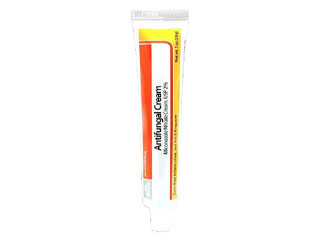
| Common forms | Cream, spray, oral gel, vaginal products (pessaries/cream), and other topical preparations depending on brand |
| Typical infections treated | Skin fungal infections (e.g., athlete’s foot, ringworm), oral thrush, and vaginal yeast infections (depending on the product) |
| Where it is applied | Varies by product: skin, mouth/throat, or vaginal area |
Branding: Miconazole may be sold under multiple brand names. The right choice depends on the site of infection and the product formulation. If you’re unsure which one suits your symptoms, ask a pharmacist.
How miconazole works (mechanism of action)
Miconazole belongs to the azole family of antifungal medicines. Fungi need a substance called ergosterol to maintain healthy cell membranes. Miconazole blocks an enzyme called lanosterol 14α-demethylase (part of the ergosterol production pathway).
By reducing ergosterol levels, miconazole disrupts fungal cell membrane function, leading to slowed growth and eventually fungal cell death.
Many fungal infections respond best when the medicine is used consistently for the recommended duration, even if symptoms improve early.
Pharmacokinetics (how the body handles miconazole)
Pharmacokinetics vary depending on the route (skin, mouth, vagina) and the specific formulation. In general:
- Topical use (skin/vaginal products): Only a small amount may be absorbed into the bloodstream. Absorption is generally limited, which helps keep systemic side effects relatively uncommon.
- Oral use (oral gel for thrush): Absorption can be greater than with some topical products, but it still depends on the condition treated and formulation.
- Metabolism and elimination: Any absorbed drug is processed by the liver and then eliminated from the body, mainly through the kidneys and/or bile.
If you are pregnant, breastfeeding, have liver disease, or are using multiple medicines, it’s wise to check suitability with a healthcare professional—especially for oral or high-absorption formulations.
Typical uses and indications
The correct indication depends on the form of miconazole you have. Below are common uses in Australia:
1) Skin antifungal infections
- Athlete’s foot (tinea pedis)
- Ringworm (tinea corporis)
- Jock itch (tinea cruris)
- Fungal infections of the skin where miconazole is indicated
- Intertrigo (skin folds) when fungal overgrowth is present—based on clinician advice
2) Vaginal yeast infection (vulvovaginal candidiasis)
- Commonly used when symptoms suggest candida infection (e.g., itching, irritation, discharge), based on the product’s label directions.
- Some products may be used specifically for vaginal fungal infections; others are topical skin-only.
3) Oral thrush (oral candidiasis)
- Used for thrush in the mouth/throat, depending on the oral gel product directions.
- Particularly relevant for people at higher risk (for example, after antibiotics or with dentures, depending on individual circumstances).
Important: If your symptoms are severe, unusual, recurrent, or you’re not improving within the expected timeframe, consider a clinical assessment to confirm the diagnosis. Not all “yeast-like” symptoms are fungal—some require different treatment.
When to start and timing for best results
Start miconazole as soon as you recognise the infection and as soon as you have the correct product for the site. For many fungal conditions, early treatment reduces spread and discomfort.
How quickly should you feel better?
- Many people notice improvement within a few days, but complete treatment duration is still required.
- Skin infections may take longer for normal skin texture to return, even after fungus is controlled.
- If there is no improvement after the product’s recommended period, or symptoms worsen, seek advice.
Practical timing tips
- Consistency matters: apply at the same times each day if recommended.
- Continue after symptoms improve: finish the full course (commonly described on the pack).
- Keep the area clean and dry: moisture supports fungal growth.
How to use miconazole (general dosing guidance)
Dosage depends on the formulation and the infection site. Always follow the specific instructions in your product’s Consumer Medicine Information (CMI) and label. The guidance below is general and may not match every brand.
Typical dosing patterns (examples)
- Skin cream/spray: usually applied once or twice daily to the affected area and a small surrounding margin.
- Vaginal products: used according to the pack schedule (some are one-off, others are multi-day). The method and timing depend on whether it’s a cream or pessary and the brand strength.
- Oral gel (thrush): usually applied multiple times daily after meals/at bedtime, with instructions on how to coat the affected areas.
Dosing instructions you should look for on your pack
- Exact frequency (e.g., once daily, twice daily, etc.)
- How much to apply (e.g., length of ribbon for creams/gel)
- Where to apply (including “surrounding skin” margins)
- Expected duration (e.g., number of days)
If you miss a dose: apply it when you remember unless it’s nearly time for the next one. Do not double up.
Food interactions
For most topical miconazole products (skin creams/sprays and many vaginal preparations), food is unlikely to affect effectiveness because systemic absorption is limited.
However, if you are using an oral gel for thrush or swallowing-related formulations, food and drink can matter:
- Avoid eating or drinking immediately after applying oral miconazole when the pack instructs to do so, so the gel can coat the mouth.
- If the CMI suggests timing around meals, follow that guidance closely.
If you tell your pharmacist which exact product you have, they can clarify whether any food timing is recommended for that formulation.
Alcohol and medicine interactions
Alcohol
Miconazole does not typically have a well-known “disulfiram-like” reaction with alcohol like some other antifungals. That said, alcohol can irritate skin or mucous membranes and may worsen discomfort, especially with oral thrush or inflamed areas. For best comfort, consider reducing alcohol intake while your infection is healing.
Interactions with other medicines
Interactions depend strongly on the route and absorption. With topical miconazole, drug interactions are generally less likely, but with some formulations (particularly oral gel or when absorption is higher), interactions can be more important.
Key interaction to be aware of: Some azole antifungals can inhibit liver enzymes involved in drug metabolism. This can affect levels of other medicines. Ask a pharmacist if you take any of the following (examples):
- Warfarin or other blood thinners (potential risk of increased bleeding if blood levels rise)
- Certain medicines metabolised by the same liver pathways (pharmacists can identify the risk based on your medicine list)
- Medicines with narrow therapeutic ranges (where small changes in blood level matter)
To get the safest advice, provide your pharmacist with a list of all medicines you use (including supplements and “natural” products).
Safety profile and side effects
Most people tolerate miconazole well when used as directed. Side effects are usually local (at the application site). If you experience severe reactions or signs of allergy, seek urgent medical advice.
Common side effects
- Mild burning, stinging, or irritation at the application site
- Redness or mild skin irritation
- Itching or discomfort
- For oral products: possible local mouth discomfort
Less common but important warnings
- Allergic reaction: swelling, hives, wheezing, or widespread rash
- Severe skin irritation: blistering, intense pain, or peeling beyond mild irritation
- Persistent symptoms: continued infection despite proper use may require reassessment
When to stop and get help
Stop using the product and seek medical help if you develop signs of an allergic reaction, or if the treated area becomes rapidly more painful, swollen, or infected.
Special populations (key considerations)
- Pregnancy and breastfeeding: many topical antifungals are used when necessary, but advice should be individualised based on the product and infection site.
- Children: only use formulations approved for age and site; dosing differs by product.
- Liver conditions: discuss if using formulations with greater systemic absorption (e.g., oral gel) or if you have significant liver disease.
Practical use tips (how to get the best outcome)
Antifungal treatment works best when combined with good hygiene and prevention steps. These practical tips can improve success and reduce recurrence:
- Clean and dry the area first: wash gently, pat dry, and allow any moisture to evaporate before applying.
- Apply to the “affected area plus margin”: fungi can be present around the visible edge. Follow pack instructions about the surrounding area.
- Wash hands after applying (unless treating hands): helps prevent spreading fungus to other body areas.
- Use clean clothing and towels: change daily, and wash bedding/clothes regularly if the infection involves skin folds or the feet.
- Manage sweaty or occluded areas: wear breathable fabrics and consider keeping skin folds dry.
- Don’t share towels or footwear: helps prevent spread within households.
- Finish the course: even if symptoms improve quickly, stopping early can lead to relapse.
If you’re treating athlete’s foot, pay extra attention to socks and shoes. Fungal spores can persist on surfaces. Rotate footwear, and consider treating any infected areas on both feet if present.
Alternative options for fungal infections
Depending on the type of fungal infection and the product availability, healthcare providers may recommend alternative antifungal treatments. Common alternatives include:
- Clotrimazole (another antifungal azole; often available as creams)
- Terbinafine (often effective for certain skin dermatophyte infections; available in some topical forms)
- Nystatin (commonly used for oral thrush in some settings)
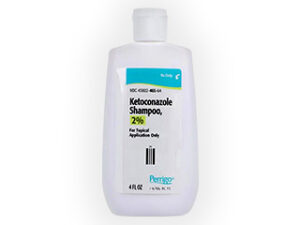
- Ketoconazole (in certain formulations)
Which option is best depends on:
- Where the infection is (skin, mouth, vagina)
- Suspected fungus type
- Severity and duration
- Previous treatments and recurrence
- Your other medicines and health conditions
A pharmacist can help you compare options based on the product label and suitability for your symptoms.
Delivery and availability in Australia
Miconazole products are commonly stocked by pharmacies and many online retailers in Australia. Availability depends on the formulation (e.g., skin cream versus oral gel versus vaginal products).
- Online ordering: typically requires selecting the correct product and strength for the intended site.
- Delivery times: vary by provider and shipping region.
- Stock updates: availability may change; check estimated dispatch/delivery dates at checkout.
If you require a specific formulation, consider calling or messaging customer support before placing an order—especially for less common products.
Market and legal context for Australia
In Australia, antifungal medicines are regulated by the Therapeutic Goods Administration (TGA). Product classification may vary by formulation and strength, and some miconazole products are available via pharmacy supply pathways.
Online pharmacies aim to comply with Australian regulations around:
- Correct product selection (matching the right form to the condition)
- Consumer Medicine Information (CMI) access and label instructions
- Age and indication suitability
- Safety screening, including warnings and contraindications where relevant
Local guidance can evolve over time, so always refer to the product pack and the latest advice available from reliable Australian health sources.
Recent guidance and practical expectations
While treatment details vary by product label, commonly emphasised themes in antifungal care include:
- Confirm the likely diagnosis when symptoms persist or recur. Some conditions mimic fungal infection (e.g., dermatitis, eczema, bacterial skin infections).
- Adhere to the full course to reduce relapse risk.
- Address triggers and reservoirs (e.g., moisture, shared towels, footwear).
- For oral thrush: if thrush keeps returning, clinicians often look for contributing factors such as recent antibiotics, denture fit, or underlying health issues.
If you have diabetes, immune system conditions, or are immunosuppressed, you may need more tailored advice.
FAQ (Frequently asked questions)
1. Is miconazole the same as clotrimazole?
No. Both are antifungals in the azole group, but they are different medicines with different active ingredients. They may both work for similar infections, but availability, dosing schedules, and formulations differ.
2. How long does miconazole take to work?
Many people notice improvement within a few days. However, fungal infections can take longer to fully clear. It’s important to use the medicine for the full course described in the pack, even if symptoms settle earlier.
3. Can I use miconazole on broken or weeping skin?
Minor irritation can happen, but applying to severely damaged skin may increase discomfort. Check the product label for suitability and ask a pharmacist if you have open sores, significant cracking, or signs of infection beyond typical fungal changes.
4. Should I stop miconazole when symptoms improve?
Do not stop early unless the pack or a healthcare professional tells you to. Finishing the course helps reduce the chance of relapse.
5. What should I do if my infection comes back?
Recurrence can occur if the fungus wasn’t fully cleared, if reinfection happens from shared items (towels, footwear), or if underlying factors remain (moisture, skin friction). Consider discussing with a pharmacist or doctor—especially if recurrence is frequent.
6. Is miconazole safe for children?
Some miconazole products are suitable for children, but the correct formulation and age limits vary. Always follow the pack instructions and check with a pharmacist for advice.
7. Can I use miconazole with other creams or treatments?
Sometimes it’s possible, but combining products on the same area can increase irritation or affect how well the antifungal spreads. If you’re using moisturisers, steroid creams, or other topical agents, ask a pharmacist for advice on spacing and suitability.
8. Will miconazole stain clothes or bedding?
Some formulations may leave residue. Using as directed and allowing it to absorb before dressing can help. If you have concerns, check the product description for expected texture and any drying time.
9. Can I have sex while treating a vaginal yeast infection?
Many product labels advise avoiding sexual activity or using protection to reduce irritation and improve comfort. Follow the pack guidance for the specific vaginal product you’re using.
10. When should I seek medical advice urgently?
Seek prompt help if you develop severe pain, rapidly spreading redness, fever, pus, facial swelling, breathing difficulties, or signs of a serious allergic reaction (e.g., hives, swelling of lips/face).
Summary
Miconazole is a well-established antifungal medicine used to treat fungal infections of the skin, mouth, and vaginal area depending on the product formulation. It works by disrupting fungal cell membrane production, helping stop fungal growth so your symptoms can resolve.
For the best results, choose the correct form for the infection site, apply it consistently at the recommended times, and complete the full course. If symptoms persist, worsen, or keep returning, consult a pharmacist or doctor for reassessment and tailored guidance.