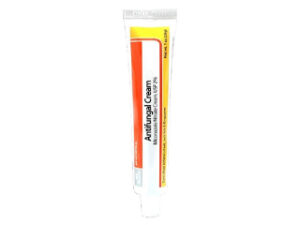
Nizoral Shampoo (Ketoconazole 2%) — Patient Guide (Australia)
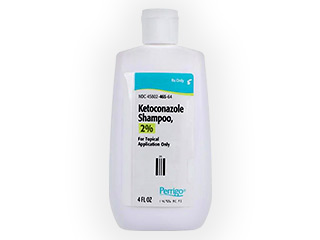
Nizoral Shampoo contains ketoconazole 2%, an antifungal medicine used on the scalp to treat certain fungal-related conditions such as seborrhoeic dermatitis (dandruff) and other yeast-associated scalp problems. This guide explains how it works, how to use it properly, what to expect, and key safety and interaction information—tailored for customers in Australia.
Quick facts
- Active ingredient: Ketoconazole 2%
- Medicine type: Topical antifungal shampoo
- What it’s used for: Dandruff/seborrhoeic dermatitis and other fungus-related scalp conditions
- How it’s applied: Lather into the scalp and leave on for a set time before rinsing
- Typical schedule: Often 2–3 times weekly, then maintenance as needed
Basic product information
Nizoral Shampoo is formulated for use on the scalp. Ketoconazole is an antifungal agent that targets yeast and fungi commonly involved in dandruff and seborrhoeic dermatitis. The shampoo form helps deliver medicine directly to the affected scalp area.
| Category | Details |
|---|---|
| Brand | Nizoral Shampoo |
| Strength | Ketoconazole 2% (w/v) |
| Dosage form | Shampoo for topical scalp use |
| Target area | Scalp and hair-bearing areas |
| Typical regimen | Usually 2–3 times weekly for initial treatment; maintenance may follow |
How Nizoral Shampoo works (mechanism of action)
Ketoconazole works by disrupting fungal cell functions. It interferes with ergosterol, a key component of fungal cell membranes. Without ergosterol, fungal cells cannot maintain their structure and grow properly. In dandruff and seborrhoeic dermatitis, a yeast called Malassezia plays a major role. Reducing yeast activity helps lower inflammation and scale formation on the scalp.
Pharmacokinetics (absorption and what happens in the body)
Because Nizoral Shampoo is used on the skin (scalp) and rinsed off, systemic absorption is generally low when used as directed. In most people, only small amounts of ketoconazole are expected to enter the bloodstream.
- Absorption: Limited when applied to intact scalp skin and rinsed after the recommended contact time.
- Distribution & metabolism: At the low levels absorbed, metabolism and distribution occur similarly to other absorbed drugs.
- Elimination: Any absorbed ketoconazole is cleared from the body through normal processes.
If you have broken skin, widespread rash, or you apply much more than recommended, absorption may be higher. If you notice unexpected systemic side effects, seek medical advice.
What it’s used for (indications)
Nizoral Shampoo is commonly used for scalp conditions associated with yeast/fungal activity, including:
- Seborrhoeic dermatitis (commonly known as dandruff)
- Dandruff with flaking/itching
- Other yeast-associated scalp conditions as advised by a healthcare professional (use according to local product directions and clinical guidance)
Typical dosing and treatment schedule
Dosing can vary based on the condition being treated, severity, and how your scalp responds. Use the directions provided with the product. Below are common regimens used for ketoconazole 2% shampoos.
Adults and adolescents
- Seborrhoeic dermatitis / dandruff: Apply to the scalp 2 times weekly for about 2 to 4 weeks, or as directed.
- More frequent symptoms: Some people benefit from up to 3 times weekly during the initial phase, depending on severity.
- Maintenance: Once control is achieved, maintenance may involve using the shampoo once weekly or less often to prevent relapse.
Children
Children may be treated, but use should follow product directions and advice from a healthcare professional. Ketoconazole shampoo is intended for scalp use. Avoid getting it in the eyes or mouth.
How to time the contact (very important)
For best results, do not rinse immediately. Leaving the product on the scalp for the recommended time allows ketoconazole to act. As a general patient-friendly approach:
- Wet hair thoroughly.
- Lather the shampoo into the scalp (not just the hair lengths).
- Leave on for about 3–5 minutes.
- Rinse well.
Practical step-by-step directions
- Choose the right time: Consider using it in the shower. Ensure you have time to let it sit briefly before rinsing.
- Apply to the scalp: Part the hair if needed so the shampoo reaches the scalp and affected areas.
- Massage gently: Use fingertips to work the lather into the scalp for even coverage.
- Wait the contact time: Leave for roughly 3–5 minutes (follow your product instructions).
- Rinse thoroughly: Rinse until the shampoo is fully removed to reduce dryness or residue.
- Continue your routine: You may use conditioner on hair lengths, avoiding the scalp if advised.
When to expect improvement
Many people notice reduced itching and scaling within the first couple of weeks. However, seborrhoeic dermatitis can flare again, especially with stress, weather changes, or ongoing yeast activity. If symptoms persist beyond the initial course, reassess your approach and seek guidance.
Food interactions
Nizoral Shampoo is a topical scalp medicine and is not taken by mouth. Therefore, food interactions are not expected. You can eat normally during treatment.
Alcohol and medicine interactions
Since systemic absorption is generally low with shampoo use, significant interaction effects are unlikely. Still, it’s helpful to consider general precautions:
Alcohol
There is typically no direct alcohol interaction expected with ketoconazole shampoo because it’s not a systemic oral medicine. If you have other medical conditions or take systemic ketoconazole or medicines that affect liver function, consult a healthcare professional.
Other medicines
Interactions are less likely with topical ketoconazole shampoo. However, tell your healthcare professional or pharmacist about all medicines you use, including:
- Other antifungal treatments
- Medicines that affect the immune system
- Any treatments for scalp inflammation (e.g., steroid scalp solutions)
- Products containing similar ingredients (e.g., other medicated shampoos)
If you use additional scalp medications, consider timing them separately to avoid dilution (see “How to combine with other hair/scalp products”).
Safety profile and side effects
Most people tolerate ketoconazole shampoo well when used as directed. Because it is applied to the scalp, local effects are the most likely.
Common side effects
- Scalp irritation (mild burning or stinging)
- Dryness or tight feeling
- Hair texture changes (temporary) such as stiffness or dryness
- Redness or increased sensitivity
Less common but important reactions
- Allergic reactions such as swelling, hives, or worsening rash
- Severe irritation especially if the shampoo contacts eyes or broken skin
When to seek urgent help
Seek urgent medical attention if you develop signs of a serious allergic reaction, including:
- Difficulty breathing
- Swelling of the face, lips, tongue, or throat
- Widespread hives or rapidly worsening symptoms
General precautions
- Avoid eyes, mouth, and broken skin. If accidental contact occurs, rinse with water promptly.
- Do not ingest the shampoo.
- Stop and seek advice if irritation is significant or persists.
- Use only on the scalp unless directed otherwise.
How to combine Nizoral Shampoo with other scalp products
You can often continue your usual haircare routine, but a few practical points can improve effectiveness and comfort:
- Separate medicated treatments: If you use another medicated shampoo or scalp treatment, avoid using both at the same time unless instructed.
- Conditioner: Use conditioner on hair lengths if needed. Try to keep conditioner off the scalp to avoid reducing the shampoo’s contact.
- Styling products: Avoid heavy styling products immediately after treatment if you notice irritation.
Practical use tips for best results
- Be consistent: Dandruff/dermatitis often improves with regular use rather than one-off applications.
- Lather where it matters: Focus on scalp coverage, not just hair.
- Don’t rush the contact time: Leaving it on for the recommended minutes can improve outcomes.
- Maintain control: After symptoms settle, using the shampoo occasionally helps prevent relapse.
- Watch for flares: Stress, cold/dry weather, and oily hair products can trigger symptoms. Adjusting these may help.
- Comb/brush gently: Reducing forceful scrubbing can prevent irritation and further inflammation.
Alternative options
If ketoconazole shampoo doesn’t fully control symptoms, or if you want an alternative medicated approach, options commonly used for dandruff and seborrhoeic dermatitis include:
- Selenium sulphide shampoos (may reduce yeast and scaling)
- Coal tar–containing shampoos (can slow scaling for some people)
- Zinc pyrithione shampoos (anti-dandruff action for some)
- Salicylic acid shampoos (helps lift scale)
- Antifungal lotions/creams for facial or body involvement (if advised)
Not all alternatives are suitable for everyone. If you have severe symptoms, recurrent flares, or symptoms outside the scalp (e.g., face, ears, chest), consider speaking with a healthcare professional or pharmacist to confirm the diagnosis and adjust treatment.
Market and legal context for Australia
In Australia, availability and classification of medicines depend on the specific product formulation and concentration. Ketoconazole 2% shampoos such as Nizoral Shampoo are commonly supplied through pharmacies and retailers in line with Australian regulation and scheduling. Availability may vary by brand, pack size, and supplier.
For the most up-to-date information on product listing, supply, and category, check the specific item details on the pharmacy website and the label provided in your purchase.
Recent guidance and clinical considerations
Current clinical practice generally emphasises:
- Using medicated shampoos correctly (adequate contact time and scalp coverage)
- Continuing treatment long enough to achieve control, then using maintenance to reduce relapse
- Reviewing the diagnosis when symptoms don’t improve (e.g., psoriasis, eczema, contact dermatitis, or infection)
- Considering adjunct care (gentle hair hygiene, avoiding irritants, and treating any associated areas)
If your scalp condition worsens despite treatment, spreads, becomes painful, or involves pus/crusting, seek medical advice promptly.
Delivery and availability (Australia)
Nizoral Shampoo may be available from online pharmacies across Australia. Delivery times can vary depending on your location and order processing schedules. When purchasing online, review:
- Product strength and size: Ensure you’re selecting ketoconazole 2%
- Stock status: Some brands may have occasional supply fluctuations
- Delivery options: Standard, express, or scheduled delivery (where available)
On delivery, store the shampoo as directed on the package (typically at controlled room temperature, away from direct sunlight and moisture). Keep out of reach of children.
FAQ
1. Is Nizoral Shampoo the same as ketoconazole tablets?
No. Nizoral Shampoo is a topical (scalp) product containing ketoconazole 2%. Ketoconazole tablets are a different form and are taken orally. This guide focuses on shampoo use.
2. How long should I leave the shampoo on my scalp?
In general, leave it on the scalp for about 3–5 minutes before rinsing, unless your product label states a different contact time. Adequate contact time improves effectiveness.
3. How often should I use it?
Many people use it 2 times weekly during the initial treatment phase, then reduce to once weekly or less for maintenance once symptoms improve. Follow the directions on your product or pharmacy advice.
4. Can I use conditioner after Nizoral Shampoo?
Yes, conditioner can be used on the hair lengths. If you notice scalp irritation, try to keep conditioner off the scalp.
5. Will it stop dandruff permanently?
Dandruff and seborrhoeic dermatitis can be long-term and may return. Nizoral Shampoo often controls symptoms well, and maintenance use can help reduce flare-ups. If symptoms persist or worsen, consider a review of diagnosis and treatment plan.
6. Can I use it every day?
Daily use is usually not necessary and may increase the chance of irritation or dryness. Most regimens recommend 2–3 times weekly initially, then less often for maintenance. Use as directed on the label.
7. Is it safe for children?
It may be used in children depending on age and severity, but you should follow product directions and speak with a pharmacist or healthcare professional for personalised advice. Always avoid contact with eyes and mouth.
8. What if my scalp burns or gets more itchy?
Rinse thoroughly and stop using it if irritation is significant. Mild temporary sensations can occur, but worsening irritation, swelling, or rash may indicate intolerance or allergy. Seek advice if symptoms persist or are severe.
9. Are there food or alcohol interactions?
Food interactions are not expected because the medicine is applied to the scalp and not taken by mouth. Alcohol interactions are also unlikely with the shampoo form due to low systemic absorption.
10. What if I’m using another medicated shampoo?
Avoid using two medicated shampoos at the same time unless directed. If you switch products, consider spacing them out (e.g., alternate days) to reduce over-irritation and allow each product to work.
11. When should I see a doctor or pharmacist?
See a healthcare professional if:
- There is no improvement after the initial treatment course
- Symptoms are severe, painful, oozing, or spreading
- You suspect another condition (e.g., psoriasis, eczema, infection)
- You have frequent relapses despite proper use
Summary
Nizoral Shampoo (ketoconazole 2%) is a topical antifungal shampoo commonly used to treat dandruff and seborrhoeic dermatitis. It helps reduce yeast-related inflammation and scaling when used correctly—especially ensuring adequate contact time on the scalp. Most side effects are local and mild, but stop use if you experience significant irritation or allergic symptoms. If symptoms persist or worsen, seek professional advice to confirm the diagnosis and adjust your treatment plan.