Grifulvin V (Griseofulvin) — Patient Information (Australia)
Grifulvin V contains griseofulvin, an antifungal medicine used to treat certain fungal infections of the skin, hair, and nails. It works by stopping the fungus from growing and spreading.
This guide is designed to help you understand how Grifulvin V is used, how it works, what to expect, and how to take it safely. Always follow the directions provided by your healthcare professional and read the Consumer Medicine Information (CMI) supplied with your product.
Quick facts
- Active ingredient: Griseofulvin
- Common brand name: Grifulvin V
- Medicines type: Antifungal (for dermatophyte/fungal infections)
- Where it’s used: Skin, scalp (tinea capitis), and nails (onychomycosis) caused by susceptible fungi
- Course length: Often weeks to months, depending on infection site
- Key practical point: Taking it with food that contains fat can improve absorption for some formulations
Basic product information
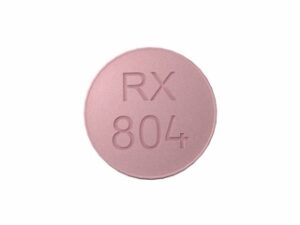
Grifulvin V is available in oral tablet form (and may be supplied in different strengths depending on product availability). The exact formulation and strength can affect dosing recommendations.
Typical forms: Oral tablets taken by mouth.
Pharmacological category: Antifungal medicines for systemic use (oral therapy).
Who it is for: People with fungal infections confirmed or strongly suspected to be caused by dermatophytes (ringworm-type organisms).
Where it is not usually enough: Not the usual choice for yeast infections or infections caused by other fungal types unless specifically advised.
How Grifulvin V works (mechanism of action)
Griseofulvin is an oral antifungal that primarily targets dermatophytes—fungi that infect keratin-containing tissues (skin, hair, nails).
It works mainly by:
- Disrupting fungal cell division (interfering with mitosis by binding to fungal microtubules)
- Reducing fungal growth so the infection can clear
- Helping new, healthy keratin replace infected material (especially important for hair and nails)
Because affected hair and nails grow slowly, treatment often takes time even after fungal growth is controlled.
Pharmacokinetics (how the body processes it)
Understanding how griseofulvin moves through the body can help explain timing, food interactions, and why courses can be long.
| Feature | What to expect (general) |
|---|---|
| Absorption | Griseofulvin is absorbed from the gastrointestinal tract. Absorption may be improved when taken with food (particularly fatty meals), depending on formulation. |
| Onset | Symptom improvement can begin within days to weeks, but full cure depends on replacing infected hair/nail tissue. |
| Distribution | It distributes into tissues including skin and keratin-forming areas where dermatophyte infection occurs. |
| Metabolism | Primarily metabolised in the liver. |
| Elimination | Metabolites are cleared mainly via the kidneys (with urine) and other pathways depending on metabolism. |
| Half-life | The effect of dosing depends on the drug’s pharmacokinetic profile and the site of infection. |
Practical takeaway: Consistent dosing over the recommended period is crucial. Stopping early can allow infection to return.
Typical use and indications
Grifulvin V is used for dermatophyte infections. Indications commonly include:
- Tinea capitis (scalp ringworm), including infections affecting hair shafts
- Tinea corporis (body ringworm)
- Tinea pedis (athlete’s foot) and other tinea of the feet
- Onychomycosis (fungal nail infections), in selected cases—especially when infection is extensive or resistant to topical therapy
- Tinea barbae (beard area ringworm) may be treated depending on severity and organism
Not for: Most yeast infections (e.g., candida) and many non-dermatophyte fungal infections. If you’re unsure whether your infection is suitable for griseofulvin, seek medical advice and consider fungal testing where available.
How long will treatment take? Timing guidance
One of the most common questions is “How soon will I feel better?” Symptoms may improve earlier than complete cure, but clearance depends on the infected tissue being replaced.
- Skin infections: Often improve within days to a few weeks, depending on severity and adherence.
- Scalp infections: Typically require longer courses due to involvement of hair.
- Nail infections: Usually require months because nails grow slowly.
Tip: Continue taking Grifulvin V for the full advised period even if you feel better, and follow local hygiene measures to reduce reinfection.
Dosing: general principles
Important: Dose depends on the infection type, severity, the specific product strength, and your age/weight (especially in children). Your healthcare professional should provide personalised dosing instructions.
Typical dosing approach (general):
- Dosing is often based on body weight for paediatric patients and certain infection types.
- For skin/scalp infections, dosing may be started daily and may be continued for the recommended duration.
- For nail infections, longer treatment courses are typical.
How to take your dose:
- Take the tablet(s) exactly as directed.
- Use a regular schedule and try not to miss doses.
- If you miss a dose, take it when you remember unless it is close to the next dose. Do not double doses.
If you are unsure about the dose listed on the label versus the dose you were advised, check with your prescriber or pharmacist before taking it.
Food interactions and what to eat
Food can affect how much griseofulvin is absorbed. To maximise effectiveness:
- Take Grifulvin V with food when advised by your product directions or healthcare professional.
- Because absorption may be improved with fat-containing meals, a meal such as eggs, dairy, meat, or other fat-containing foods may help (unless you have dietary restrictions).
- If you experience stomach upset, taking it with food may reduce symptoms.
Consistency matters: Taking doses at similar times each day and with food in a consistent way can support more stable absorption.
Alcohol and medicine interactions
Alcohol
While occasional alcohol may not directly “cancel out” the medicine, griseofulvin is metabolised in the liver, and both alcohol and griseofulvin can increase strain on hepatic function in some people.
- General advice: Limit alcohol during treatment where possible.
- Avoid if you have liver disease or if you were told to avoid alcohol.
- If you notice symptoms such as unusual fatigue, dark urine, severe nausea/vomiting, or yellowing of the skin/eyes, seek medical advice urgently.
Other medicines (important interaction categories)
Griseofulvin can interact with several medicines. It may:
- Alter metabolism pathways, potentially reducing effectiveness of some drugs
- Increase risk of side effects when taken with certain medicines
Discuss your current medicines (including over-the-counter products and supplements) with your healthcare professional or pharmacist. Common interaction categories may include:
- Oral contraceptives: Griseofulvin may reduce contraceptive effectiveness in some situations, increasing pregnancy risk.
- Warfarin and other anticoagulants: Interaction risk—your INR/bleeding risk may change.
- Other antifungals or medicines affecting liver enzymes.
- Some anti-seizure medicines: Levels and seizure control may be affected.
- Medicines that also affect the liver: Combined effects may increase liver stress.
Practical step: Keep a written list of your medicines and show it to your pharmacist when starting Grifulvin V. This helps reduce interaction risk.
Safety profile: who should use caution
Most people tolerate griseofulvin reasonably well, but it can cause side effects. Some reactions can require prompt medical assessment.
Common side effects
- Headache
- Nausea, stomach upset, or mild diarrhoea
- Dizziness or fatigue
- Skin sensitivity to sunlight (in some people)
- Rashes
Serious side effects (seek medical advice urgently)
- Liver-related symptoms: yellow skin/eyes (jaundice), dark urine, severe abdominal pain, persistent vomiting, or marked fatigue
- Severe allergic reaction: swelling of the face/lips, trouble breathing, widespread hives
- Severe skin reactions: blistering, peeling skin, mouth sores
- Unusual bruising or bleeding or severe weakness (depending on blood effects)
People who may need extra caution
- Liver disease or a history of abnormal liver function tests
- Previous medication reactions to antifungal medicines
- Pregnancy or planning pregnancy (risk assessment needed)
- Breastfeeding (discuss risk-benefit with a clinician)
- Children: dosing must be weight-appropriate and monitored
Monitoring: Depending on your treatment duration and health history, clinicians may advise blood tests (e.g., liver function tests) during therapy.
Practical use tips for better results
1) Complete the full course
Dermatophyte infections can improve before complete eradication. Finishing the full regimen reduces relapse risk.
2) Reduce reinfection
Reinfection is common in tinea infections. Consider:
- Keep the affected area clean and dry
- Change socks/underwear regularly
- Do not share towels, hairbrushes, hats, or clothing
- Wash bedding and clothing regularly
- Check close contacts (especially with scalp infections) for symptoms
3) Use topical treatments when advised
Sometimes oral and topical therapies are combined—particularly for scalp or surrounding skin—to reduce spore shedding and improve clearance.
4) Protect skin from sun
If you develop rash or photosensitivity, reduce sun exposure and use appropriate sun protection.
5) Avoid missed doses
- Set an alarm or link dosing to a daily routine.
- If you struggle with adherence, ask your pharmacist about strategies or simplified schedules.
Alternative treatment options (what else may be used)
Depending on your infection type and severity, clinicians may consider other antifungals. Options may include:
- Topical antifungals (for mild or localised infections), such as azoles or allylamines—often used for tinea pedis/corporis.
- Terbinafine (for certain dermatophyte infections; choice may depend on organism and site).
- Itraconazole or fluconazole (selected cases—particularly for specific nail or refractory infections).
- Griseofulvin alternatives: other systemic agents may be preferred if interaction risks or tolerance issues exist.
Note: The best option depends on the type of fungus, location, extent, and your medical history. If symptoms don’t improve as expected, reassessment and fungal testing may be appropriate.
Australia: market and legal context
In Australia, antifungal medicines are regulated through the Therapeutic Goods Administration (TGA) and must meet standards for safety, quality, and effectiveness.
Availability and classification can vary by formulation and strength. Online pharmacy supply is typically governed by Australian medicine regulations, including requirements for:
- Authorised supply channels
- Appropriate patient information and counselling
- Compliance with medicine scheduling rules (as applicable)
Local guidance: Australian clinicians often align with evidence-based dermatology and infectious disease recommendations for tinea and onychomycosis. Treatment selection may consider organism likelihood, expected cure rates, and safety/interaction profiles.
Recent guidance and clinical practice considerations
Fungal management practices continue to evolve, particularly around:
- Confirming diagnosis where possible (e.g., microscopy/culture or dermoscopy) to avoid unnecessary antifungal exposure
- Recognising resistance and treatment failure—especially for nail infections
- Emphasising adherence and supportive hygiene to reduce recurrence
- Reviewing drug–drug interactions before starting systemic therapy, due to metabolic effects and liver involvement
Your healthcare provider may advise follow-up if symptoms are not improving within expected timeframes, or if side effects occur.
Delivery and availability (online pharmacy)
Product availability can vary by region, supplier stock, and formulation strength. When ordering online, availability may depend on:
- Local warehouse stock
- Normal business dispatch times
- Peak demand periods
Delivery expectations: Many pharmacies provide standard and express delivery options. Dispatch may occur within 1–2 business days when items are in stock, but this can vary.
How to prepare for delivery:
- Ensure your delivery address is correct
- Check product strength and quantity on the packaging
- Keep the original packaging/label for reference
If Grifulvin V is temporarily unavailable, the pharmacy may suggest suitable alternatives (depending on diagnosis and interaction considerations) or provide an estimated restock date.
FAQ
1) What infections is Grifulvin V used for?
Grifulvin V (griseofulvin) is used for certain dermatophyte fungal infections, including ringworm types affecting the skin, scalp, and nails, depending on the diagnosis and severity.
2) How quickly will I see improvement?
Some improvement may occur within days to weeks, but complete cure—especially for scalp and nails—often takes longer because infected tissue must grow out or be replaced.
3) Should I take it with food?
In many cases, taking griseofulvin with food helps absorption and reduces stomach upset. Follow the directions on your product packaging or the advice given to you by your healthcare professional.
4) Can I drink alcohol while taking Grifulvin V?
It’s usually best to limit alcohol during treatment, since griseofulvin is processed by the liver and both alcohol and medicine can increase liver strain. Ask your pharmacist if you have concerns, liver disease, or you’re taking other medicines.
5) What medicines interact with Grifulvin V?
Interactions can occur with several medicine types, including some oral contraceptives, anticoagulants, certain anti-seizure medicines, and medicines processed through liver pathways. Provide your full medicine list to your pharmacist to confirm safety for your situation.
6) What if I miss a dose?
Take it when you remember unless it’s close to the next dose. Do not double to make up for a missed dose. If you miss several doses, contact a pharmacist for advice.
7) Are there any foods I should avoid?
There are no universal “forbidden” foods, but food may improve absorption. Avoid making sudden dietary changes around dosing times. If you have specific nutritional advice for a condition (e.g., liver disease), follow that guidance.
8) When should I contact a doctor?
Seek medical advice urgently if you develop signs of allergy, severe skin reactions, or liver problems (such as jaundice, dark urine, severe persistent nausea/vomiting, or severe abdominal pain).
9) Can this medicine cure nail fungus?
It can, but nail infections often require long courses and complete clearance may take months. Follow-up may be needed to confirm improvement and reduce relapse.
10) What should I do if my skin looks worse after starting treatment?
Some changes can occur early in treatment. However, worsening symptoms, spreading rash, fever, or lack of improvement should be assessed. Re-check the diagnosis and consider whether the fungus type is suitable for griseofulvin.
Summary
Grifulvin V (griseofulvin) is an oral antifungal medicine used to treat certain dermatophyte infections of the skin, scalp, and nails. It works by interfering with fungal growth and supporting the replacement of infected keratin tissue. Because cure—especially for hair and nails—takes time, adherence to the recommended course length is essential.
Take it with food when advised, be mindful of potential interactions (including with alcohol and other medicines), and seek medical advice promptly for serious side effects or lack of improvement.