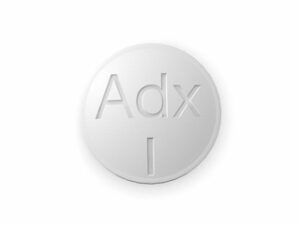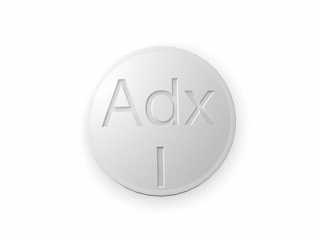


Arimidex (Anastrozole) – Patient-Friendly Information (Australia)
Arimidex contains anastrozole, a medicine used to treat certain types of hormone receptor–positive breast cancer, and in some cases to reduce the risk of recurrence. This guide explains how anastrozole works, how it’s usually taken, common side effects and safety considerations, and practical tips to help you use your medicine more comfortably.
If you have any questions about your personal situation, discuss them with your treating clinician or pharmacist.
1) Basic product information
| Item | Details |
|---|---|
| Medicine | Arimidex |
| Active ingredient | Anastrozole |
| Medicine type | Non-steroidal aromatase inhibitor (AI) |
| How it is supplied | Oral tablets |
| Common strength | Often available as 1 mg tablets |
| Who it is for | Used in hormone receptor–positive breast cancer (particularly in postmenopausal women) |
Key point: Anastrozole lowers oestrogen levels in the body. Many hormone receptor–positive breast cancers grow more slowly when oestrogen is reduced.
2) How Arimidex works (mechanism of action)
Anastrozole is an aromatase inhibitor. Aromatase is an enzyme that helps produce oestrogen in tissues such as fat and muscle by converting androgens into oestrogen.
By blocking aromatase, anastrozole can reduce oestrogen production, leading to less stimulation of oestrogen receptor–positive (ER+) breast cancer cells.
Why this matters
- ER+ / hormone receptor–positive cancers often rely on oestrogen signals to grow.
- Lowering oestrogen may help shrink tumours or reduce the chance of recurrence depending on the treatment plan.
- Anastrozole is typically used in postmenopausal settings, or in specific regimens for people with ovarian function suppression.
3) Pharmacokinetics (absorption, distribution, metabolism, elimination)
While individual responses vary, the overall pharmacokinetic behaviour of anastrozole is predictable.
Absorption
Anastrozole is absorbed after oral administration. Peak blood levels generally occur within a few hours after taking a dose.
Distribution
Anastrozole distributes throughout the body. It binds moderately to plasma proteins.
Metabolism
Anastrozole is metabolised mainly in the liver. Metabolites are formed and then eliminated.
Elimination
The drug and its metabolites are cleared primarily via urine and biliary/fecal routes (depending on the metabolite).
Half-life (practical meaning): Anastrozole has a long enough duration of action that once-daily dosing is commonly used in standard breast cancer regimens.
4) Typical use in Australia
In Australia, anastrozole (brand name Arimidex) is used as part of the standard management of oestrogen receptor–positive breast cancer. It may be used:
- To treat early breast cancer after surgery (adjuvant therapy) to help reduce recurrence risk.
- To treat advanced or metastatic disease in appropriate patients.
- In certain cases for postmenopausal hormone-positive disease, based on clinical factors.
Your clinician will tailor the plan to tumour characteristics, menopausal status, prior treatments, and your risk profile.
5) Indications (when it is used)
Anastrozole is indicated for hormone receptor–positive breast cancer in postmenopausal patients. Depending on local prescribing guidance and patient factors, it may be used:
- Adjuvant treatment of early breast cancer in postmenopausal women.
- First-line treatment of advanced breast cancer in postmenopausal women.
- Second-line treatment in advanced disease when prior endocrine therapy has been used (as appropriate).
- Neoadjuvant or other settings may be considered by specialist teams in selected cases.
Indications can vary with product updates and clinical practice. Always follow the guidance given for your specific condition.
6) Dosing and timing
Standard adult dosing for anastrozole in breast cancer treatment is commonly 1 mg by mouth once daily.
When to take your dose
- Take your tablet at the same time each day to help you remember.
- Many people find evening or morning routines work well—choose what suits you.
- If you miss a dose, take it when you remember unless it’s close to the time of the next dose. Do not double up.
How long to take it
Duration depends on whether treatment is adjuvant (after surgery) or for advanced disease, and on your response and tolerance. Some adjuvant regimens can last multiple years.
If you’re unsure, ask your pharmacist how long your prescription is intended to cover and when reviews are scheduled.
7) Food interactions and dietary considerations
Anastrozole can generally be taken with or without food. Food does not usually require major dosing changes.
Practical dietary tips
- Bone health matters: Aromatase inhibitors may reduce oestrogen, which can affect bone density. Discuss calcium and vitamin D intake with your clinician.
- Stay active: Weight-bearing exercise can support strength and balance.
- Hydration: Drinking adequate water may help with some side effects like headaches or general wellbeing.
8) Alcohol and medicine interactions
Alcohol
Moderate alcohol intake may not directly interact with anastrozole in a clinically significant way for many people. However, alcohol can affect:
- Fatigue, sleep quality, and mood
- Hot flushes (some people find alcohol can worsen them)
- Liver health in heavy or long-term use
If you drink alcohol, consider discussing your typical amount with your pharmacist—especially if you have liver conditions or other medications.
Medicine interactions (important)
Inform your pharmacist or clinician about all medicines you take, including prescription medicines, over-the-counter products, vitamins, and herbal supplements.
Some medicines can affect metabolism pathways in the liver or influence hormone pathways. While the interaction profile of anastrozole may be manageable, safety depends on your individual regimen.
Examples of interactions to discuss
- Other hormone therapies: Oestrogen-containing products may oppose the effect of anastrozole. Do not use hormone treatments unless specifically directed by your specialist team.
- Medicines affecting liver metabolism: Tell your clinician if you take medicines known to influence hepatic enzymes.
- Medicines for cancer or bone: Interaction risks can vary depending on the specific combination.
- Herbal products: Some supplements can affect drug metabolism. Avoid starting new herbal products without checking first.
Tip: Keep an up-to-date list (photo of labels or a printed list) and bring it to pharmacy consultations.
9) Safety profile: common and serious side effects
Most people tolerate anastrozole well, but like all medicines it can cause side effects. Many are dose-related or relate to lowered oestrogen levels.
Common side effects
- Hot flushes
- Joint or muscle pain (arthralgia)
- Headache
- Fatigue
- Swelling of hands/feet (fluid retention) in some cases
- Vaginal dryness or genitourinary symptoms
- Reduced libido in some people
- Nausea (less commonly)
- Skin rash or dry skin
Bone and fracture risk
Because oestrogen supports bone strength, anastrozole may lead to reduced bone mineral density and increase osteoporosis and fracture risk over time.
- Your clinician may arrange a baseline bone density scan (DXA) and follow-up scans.
- Calcium and vitamin D supplementation, weight-bearing exercise, and bone-protective medicines may be considered if needed.
Cardiovascular considerations
Some studies monitor cholesterol and cardiovascular risk factors during aromatase inhibitor therapy. If you have existing heart conditions, diabetes, or high cholesterol, discuss monitoring with your clinician.
Serious side effects—seek urgent help if
- Signs of severe allergic reaction: swelling of face/lips, trouble breathing, widespread rash
- Severe chest pain, shortness of breath, or sudden weakness
- Unusual bleeding or severe persistent symptoms
- Major bone pain with injury or suspected fracture
If you’re concerned about any new or worsening symptom, contact your healthcare provider promptly.
10) Practical use tips (making treatment easier)
Build a daily routine
- Use a phone alarm or medication reminder app.
- Keep the tablet in its original packaging and store at room temperature (avoid moisture and heat).
Manage joint and muscle symptoms
- Gentle stretching and low-impact exercise (such as walking) may help.
- Warm showers or heat packs can ease stiffness.
- If pain becomes limiting, talk to your clinician—dose adjustments or supportive strategies may be available.
Hot flushes and sleep
- Keep your bedroom cool and use breathable clothing.
- Consider relaxation techniques such as paced breathing or mindfulness.
- Discuss options with your clinician if symptoms significantly affect sleep or daily life.
Vaginal dryness and intimacy support
- Non-hormonal moisturisers or lubricants can be helpful.
- If symptoms affect comfort or intimacy, ask your healthcare professional about suitable options.
- Avoid using hormone-containing products unless specifically advised, because they may interfere with the purpose of anastrozole.
Bone protection basics
- Ensure adequate dietary calcium (or supplements if recommended).
- Vitamin D may be needed, particularly if sunlight exposure is limited.
- Do resistance and weight-bearing activities where appropriate.
- Report any fall or sudden severe pain to your clinician.
11) Monitoring while you take Arimidex
Depending on your medical history, your clinician may monitor:
- Bone mineral density (DXA scans)
- Lipid profile (cholesterol) and cardiovascular risk factors
- Symptoms and quality of life (hot flushes, pain, mood, sleep)
- Overall response to cancer treatment
- Liver function if risk factors exist
Monitoring helps identify issues early so adjustments or supportive care can be provided.
12) Alternative options to Arimidex (anastrozole)
Treatment alternatives depend on the type of breast cancer, menopausal status, and what you’ve already received. Options may include:
Aromatase inhibitor alternatives
- Letrozole (another aromatase inhibitor)
- Exemestane (a steroidal aromatase inhibitor)
Other endocrine therapy alternatives
- Tamoxifen (a selective oestrogen receptor modulator; particularly used in some settings)
- Fulvestrant (an oestrogen receptor degrader used in advanced disease in certain regimens)
If side effects are difficult, clinicians sometimes switch to a different endocrine option or adjust supportive care (for example, pain management or bone protection). Do not change medicines on your own—discuss options first.
13) Market and legal context in Australia
Medicines like Arimidex (anastrozole) are used widely in Australia within established clinical pathways for breast cancer care. Access is typically managed through standard Australian pharmaceutical regulations and dispensing requirements.
- Quality, safety, and supply are overseen through Australian medicines regulation and distribution channels.
- For patients, availability and subsidisation can depend on factors such as product listing, clinical criteria, and prescriber processes.
- For online pharmacy purchases, reputable suppliers provide clear information about product identification, storage, delivery timeframes, and customer support.
Pharmacy guidance and clinical approaches evolve over time, so it’s important to follow current advice from Australian healthcare professionals.
14) Recent guidance and common updates (what to watch for)
While individual treatment plans vary, ongoing clinical recommendations generally focus on:
- Bone health monitoring for aromatase inhibitor therapy
- Side effect management (pain, hot flushes, vaginal symptoms)
- Cardiovascular risk assessment as patients may have baseline risks
- Adherence support, since benefits depend on consistent use
If new guidance affects your situation (for example, a switch to a different endocrine strategy or additional bone-protective care), your clinician will advise you. Always verify changes with your pharmacist.
15) Delivery and availability (online pharmacy information)
Availability can vary depending on the supplier, stock levels, and packaging sizes. When ordering online, reputable pharmacies typically provide:
- Clear product identification (brand name, active ingredient, strength)
- Expected delivery timeframes to your state/territory
- Tracking information once dispatched
- Storage guidance (store at room temperature, protect from moisture/heat)
- Customer support for order questions or delivery issues
To help ensure smooth delivery:
- Check that your address and phone number are correct.
- Allow time for processing and dispatch.
- If you need treatment continuity, consider ordering ahead of your next refill.
16) FAQ
How should I take Arimidex?
Take your anastrozole tablet once daily at the same time each day if possible. You can usually take it with or without food.
What if I miss a dose?
If you miss a dose, take it when you remember unless it is close to the next dose. Do not take two doses at once to make up for the missed one.
Can I take Arimidex with food?
Yes. Food does not usually require a specific timing change for anastrozole.
Are there foods I should avoid?
No specific food is known to directly interact with anastrozole in most people. However, focus on a diet that supports bone health (adequate calcium and vitamin D if recommended by your clinician).
Can I drink alcohol while taking Arimidex?
Moderate alcohol may be acceptable for many people, but alcohol can worsen fatigue, sleep, hot flushes for some, and can affect liver health in heavy use. If you drink, discuss your typical pattern with your pharmacist—especially if you have liver conditions or other medications.
What are the most common side effects?
Common side effects include hot flushes, joint or muscle pain, fatigue, headache, and vaginal dryness.
Will Arimidex affect my bones?
It can. Lowering oestrogen may reduce bone mineral density. Your clinician may organise bone density tests and discuss calcium/vitamin D, exercise, and sometimes bone-protective treatment.
Can I stop taking it if I feel unwell?
Do not stop or change your dose without speaking to your clinician. If side effects are bothersome, ask about strategies to manage them.
Are there medicines or supplements I should avoid?
Tell your pharmacist about all medicines and supplements. In particular, avoid starting new hormone-containing products unless your clinician approves. Some supplements may influence drug metabolism.
What should I do if I get severe symptoms?
Seek urgent medical attention for signs of severe allergic reaction, serious breathing problems, chest pain, sudden severe weakness, or symptoms suggestive of a major health emergency. For other concerning symptoms, contact your healthcare provider promptly.
What are common alternatives if I can’t tolerate Arimidex?
Other endocrine treatment options may include different aromatase inhibitors (such as letrozole or exemestane) or other therapies depending on your condition. Your clinician will choose the most appropriate option.
17) Important reminders
- This information is a general guide and may not cover every personal medical detail.
- If you have questions about side effects, interactions, or how long to take your medicine, talk to your pharmacist or treating clinician.
- Keep your medicine list up to date and attend scheduled monitoring appointments.
Need help? If you’re unsure about how to take Arimidex or whether any of your current medicines may interact, contact a member of our pharmacy team for guidance.