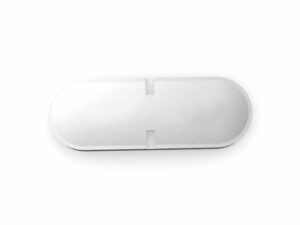
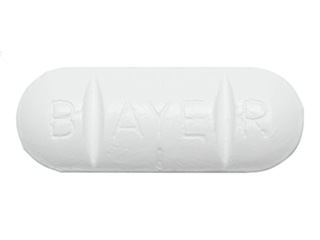


Biltricide (Praziquantel) – Patient Guide (Australia)
Biltricide contains praziquantel, a medicine used to treat certain parasitic worm infections (helminths). This page explains how it works, when it’s used, what to expect, and important safety information. It is written in a patient-friendly style for people in Australia.
Quick Summary
- Active ingredient: Praziquantel
- What it treats: Several parasitic infections, including schistosomiasis and some tapeworm infections.
- How it works: It damages the parasite’s outer covering and affects muscle function, causing the parasite to die or detach.
- Typical dosing: Depends on the infection; common regimens are single-day or divided doses over one day.
- Side effects: Headache, nausea, abdominal discomfort, dizziness, fatigue; temporary reactions may occur during treatment.
- Food & alcohol: Taking with food may improve comfort for some people; avoid alcohol to reduce side-effect burden.
Basic Product Information
| Item | Details |
|---|---|
| Brand name | Biltricide |
| Generic name | Praziquantel |
| Medicine type | Antiparasitic / antihelminthic |
| Common forms | Oral tablets (strength varies by market packaging) |
| How it’s used | Regimen depends on the specific parasitic infection and severity |
How Biltricide (Praziquantel) Works
Praziquantel works directly on the parasite. Although it is effective against multiple species, the main actions include:
- Disruption of the parasite’s outer surface: This makes it harder for the parasite to survive.
- Calcium-related muscle contraction: It triggers changes in calcium handling within the parasite’s cells, leading to intense muscular contraction and paralysis.
- Damage and elimination: The parasite loses its ability to maintain normal attachment and function; it is then cleared from the body.
After treatment, symptoms may improve over days to weeks, depending on the infection and how quickly the body clears dead or damaged parasites.
Pharmacokinetics (What the Body Does to the Medicine)
Understanding pharmacokinetics can help explain timing and how doses behave in the body:
- Absorption: Praziquantel is absorbed from the gastrointestinal tract after oral dosing. Absorption can be improved when taken with food for some people.
- Distribution: It distributes widely in the body, including reaching sites where parasites may be located.
- Metabolism: The liver metabolises praziquantel into inactive or less active metabolites.
- Elimination: Metabolites are primarily excreted through the kidneys and in bile.
- Half-life: The medicine’s active effects are generally transient, which is one reason treatment regimens are often given as specific dose schedules over a short period.
If you have significant liver impairment, your healthcare professional may adjust the plan, because the medicine is metabolised in the liver.
Typical Uses in Australia
Biltricide is commonly used for certain schistosome (blood fluke) infections and some tapeworm infections. Availability of specific testing and treatment decisions may vary depending on the suspected parasite, travel history, and local clinical protocols.
Common Indications (Examples)
- Schistosomiasis (blood fluke infections): Often includes infections caused by Schistosoma species.
- Some tapeworm infections: Depending on the species and location in the body.
- Targeted parasite treatment based on diagnosis: The correct regimen depends on the parasite species and clinical findings.
Important note: Not every intestinal parasite is treated with praziquantel. Correct identification of the organism helps ensure the right medicine and dose. If you’re unsure what you’re being treated for, ask your pharmacist or clinician to explain the diagnosis and regimen.
Dosing Information (General Guidance)
Dose varies by infection and patient factors such as age, weight, liver function, and whether the infection is single-site or complicated. Below are general dosing patterns commonly used worldwide. Your exact dose should follow the instructions provided with your specific product and regimen plan.
Common Regimen Patterns
- Single-day dosing: Some infections are treated with one day of dosing, sometimes divided into two or more doses.
- Two-dose day schedules: For certain infections, the total daily amount may be split into morning and afternoon/evening doses.
- Repeat treatment: Some infections may require a follow-up dose period after an interval, depending on the parasite lifecycle and treatment response.
Practical Example (Weight-based concept)
Many praziquantel regimens are calculated based on body weight (mg/kg). The exact number of tablets depends on the tablet strength available in your package.
- If your dose is weight-based: take the tablets exactly as scheduled and confirm the number of tablets for your strength.
- If you miss a dose: contact a healthcare professional for advice—do not double up without guidance.
If you can share the tablet strength printed on your box (e.g., mg per tablet) and the recommended total daily dose from your plan, you can calculate the number of tablets with your pharmacist’s help.
When to Take Biltricide: Timing Tips
Follow your specific regimen. In general, praziquantel is taken by mouth on the day(s) of treatment, often:
- Divided dosing: morning and evening doses may be prescribed for some infections.
- With food: taking with food may reduce stomach upset and improve tolerance for many people.
- Try to keep consistent intervals: If doses are split, aim to take them at roughly the time intervals advised.
If you experience nausea or dizziness, it may help to take the medicine after a meal and stay hydrated. Avoid driving if you feel unsteady.
Food Interactions
Food is not typically a “hard” contraindication, but it can affect how well praziquantel is tolerated and absorbed:
- Taking with food: Often recommended for better comfort and sometimes improved absorption.
- Grapefruit: Some foods can influence liver enzyme activity. While grapefruit is more often discussed with other medicines, it’s sensible to avoid large amounts of grapefruit products until you’ve confirmed with your pharmacist if you’re taking multiple medications.
- General diet: Keep meals regular around dosing to reduce nausea.
If you have a sensitive stomach, consider eating a light meal before dosing and avoid very heavy, fatty meals if they worsen reflux.
Alcohol and Medicine Interactions
Avoid alcohol during treatment if possible. While praziquantel doesn’t have a universal “absolute” interaction with alcohol for everyone, both alcohol and praziquantel can increase:
- Dizziness
- Drowsiness or unsteadiness
- Nausea
- Stomach irritation
If you do drink, keep it minimal and ensure you’re able to safely care for yourself and avoid driving or risky activities. If you have liver disease or drink alcohol heavily, ask a pharmacist or clinician before starting praziquantel.
Medicine Interactions (Other Medicines and Supplements)
Praziquantel is processed by liver enzymes and may be affected by other medicines that alter those enzymes. This can change praziquantel levels, potentially affecting effectiveness or side-effect risk.
Examples of Medicines That May Matter
- Rifampicin (an antibiotic used for tuberculosis and other infections)
- Some anticonvulsants (antiepileptic medicines) that alter metabolism
- Other medicines affecting liver enzyme activity
- Some herbal products (for example, St John’s wort) that can influence metabolism
This is not a complete list. Before starting Biltricide, provide your pharmacist with a full list of:
- All prescription medicines
- Over-the-counter medicines
- Herbal supplements and vitamins (especially St John’s wort or “detox” products)
- Any known allergies
Safety Profile: Side Effects and What to Watch For
Like all medicines, praziquantel can cause side effects. Most are mild to moderate and improve after treatment ends. Some side effects can be more noticeable in the first few hours after a dose.
Common Side Effects
- Headache
- Dizziness
- Nausea and sometimes vomiting
- Abdominal discomfort or cramps
- Fatigue
- Muscle aches (sometimes)
- Sleepiness in some people
Less Common / Seek Advice Promptly
- Allergic reactions such as rash, itching, swelling, or breathing difficulties
- Severe or persistent vomiting, inability to keep fluids down
- Fainting or severe dizziness
- Signs of significant liver problems: yellowing of the skin/eyes, dark urine, severe right upper abdominal pain
Important: Symptoms May Worsen Briefly
In some parasitic infections, as parasites die, inflammation can temporarily increase symptoms. This may be misinterpreted as a medication reaction. If you are treating schistosomiasis, for instance, you may notice transient symptoms around the time of treatment. If symptoms are severe or rapidly worsening, contact a healthcare professional.
Practical Use Tips (What Helps Most People)
- Plan for rest: Consider taking the first dose when you can stay home and relax for several hours.
- Take with food: A light meal can help reduce nausea.
- Hydrate: Drink water regularly, especially if you’re prone to nausea.
- Avoid driving if dizzy: If you feel unsteady, don’t drive or operate machinery.
- Take doses on schedule: Use reminders for split doses.
- Confirm tablet strength: Ensure you’re taking the correct number of tablets based on the prescribed mg/kg plan.
- Don’t stop early without advice: Completing the regimen matters for cure.
Alternative Options (Depending on the Infection)
The “best” alternative depends on the parasite species and location. Praziquantel is not a one-size-fits-all antiparasitic. Alternatives may include different antiparasitic medicines or different regimens.
Common Alternatives (Examples)
- Other antihelminthic medicines used for different worms (selected based on diagnosis).
- Supportive or targeted treatment for complications (for example, managing inflammation or symptoms).
If you ask your pharmacist about alternatives, they can explain which medicines are typically used for your suspected or confirmed parasite and why praziquantel is chosen in your case.
Market & Legal Context for Australia (General Overview)
In Australia, medicines are regulated through the Therapeutic Goods Administration (TGA) and dispensed under applicable pharmacy and prescription arrangements. Online pharmacies must comply with Australian laws and professional standards, including identity verification, medication safety checks, and provision of appropriate product information.
Availability may vary depending on:
- Brand and tablet strength
- Supply chains and pharmacy stock levels
- Whether the medicine is supplied for the correct indication under local requirements
If you’re using an online pharmacy, ensure the site provides clear details about product strength, expiry date handling, packaging, and customer support.
Recent Guidance and Practical Considerations
Clinical recommendations for praziquantel regimens can be updated as new research emerges and as public health guidance evolves. In Australia, treatment choices for parasitic infections often depend on:
- Accurate diagnosis (stool tests, blood tests, imaging, or other investigations depending on parasite)
- Parasite species and severity
- Location in the body (intestinal vs. blood fluke vs. tissue involvement)
- Patient factors (age, pregnancy status, liver function, other medicines)
Because dosing schedules may vary, it’s important to follow the regimen provided for your condition rather than relying on general dosing summaries.
Delivery and Availability (Online Pharmacy)
For online purchasing in Australia, delivery and stock availability can differ between pharmacies. Generally, you can expect:
- Discreet packaging to protect privacy
- Tracking and delivery updates in many services
- Quality checks such as verifying expiry dates and product integrity
Before ordering, check the product details page for:
- Tablet strength and pack size
- Expiry date (where shown)
- Delivery times to your area
- Customer support contact details
If you need treatment quickly (for example, when symptoms are severe), choose an online pharmacy with clear dispatch timeframes and live stock information.
FAQ About Biltricide (Praziquantel)
1) What is Biltricide used for?
Biltricide is used to treat certain parasitic worm infections, most notably schistosomiasis (blood fluke infections) and some tapeworm infections, depending on the parasite species and location in the body.
2) How fast does Biltricide start working?
Praziquantel begins working soon after you take it. Some people feel side effects within hours, but symptom relief may take days to longer, depending on the infection and how the body clears damaged parasites.
3) Can I take Biltricide with food?
Many people find it easier to take praziquantel with a meal. If you have a sensitive stomach, taking it with food may reduce nausea. Follow the instructions provided with your regimen.
4) Is alcohol allowed while taking Biltricide?
It’s generally best to avoid alcohol during treatment, as both alcohol and praziquantel can worsen dizziness, nausea, and drowsiness. If you’re unsure due to liver conditions or other health factors, ask a pharmacist.
5) What side effects are common?
Common side effects include headache, dizziness, nausea, abdominal discomfort, and fatigue. These are usually temporary. If you develop an allergic reaction or severe symptoms, seek medical help promptly.
6) Should I avoid driving?
If you feel dizzy, sleepy, or unsteady after dosing, avoid driving and operating machinery. If you’ve tolerated the medicine before, you may better predict your reaction—but always start carefully.
7) Can Biltricide be taken with other medicines?
Some medicines can affect praziquantel levels or increase side-effect risk. Tell your pharmacist about all medicines and supplements you take, including herbal products.
8) What if I miss a dose?
Contact a pharmacist or healthcare professional for advice. Do not double up unless they instruct you to do so, because dosing schedules are infection-specific.
9) Do I need follow-up testing?
Often, yes—depending on the infection. For some parasites, follow-up stool or urine tests or clinical reviews are done to confirm treatment success. Your clinician will advise what’s appropriate.
10) Are there safer options if I can’t take praziquantel?
Alternatives may exist for certain infections, but the best choice depends on the parasite type and your health situation. A pharmacist or clinician can help match the treatment to the diagnosis.
When to Seek Urgent Help
Get urgent medical help if you have:
- Breathing difficulties, swelling of face/lips/tongue, or widespread hives
- Severe dizziness or fainting
- Signs of significant liver injury (yellowing skin/eyes, severe abdominal pain, dark urine)
- Persistent vomiting preventing fluid intake
Important Reminder
This guide provides general information about Biltricide (praziquantel) for people in Australia. Always follow the specific dosing schedule and instructions provided with your treatment plan. If you have questions about your infection, tablet strength, timing, or interactions with other medicines, speak with a pharmacist before starting.