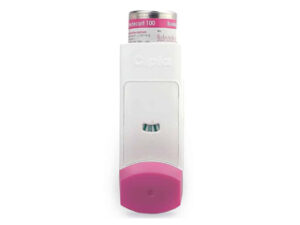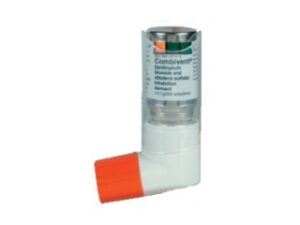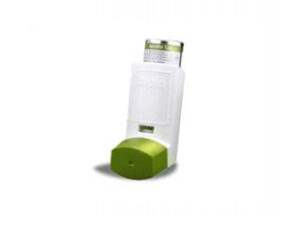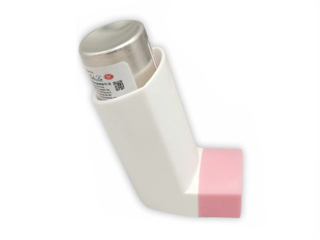

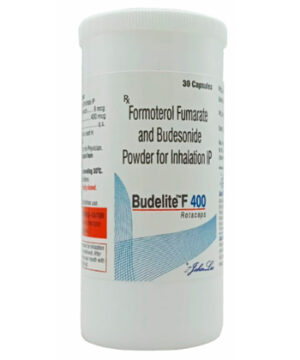
Budesonide Formoterol Inhaler (budesonide + formoterol) — Patient Guide (Australia)
Budesonide formoterol inhalers combine two medicines in one device: budesonide (a corticosteroid that reduces airway inflammation) and formoterol (a long-acting bronchodilator that helps keep airways open). This medicine is used to help control conditions such as asthma and sometimes COPD, depending on the specific product and strength.
This guide is written for people who are using (or considering) a budesonide–formoterol inhaler. It explains how the medicine works, how to use it, safety points, interactions, and what to expect in everyday life.
1) Basic product information
- Common ingredients: Budesonide + Formoterol
- Medicine type: Inhaled corticosteroid (ICS) + Long-acting beta2-agonist (LABA)
- Form: Inhaler (a pressurised or dry-powder device depending on brand; follow your pack instructions)
- Who it may suit: People needing regular controller therapy to improve breathing and reduce flare-ups
- Key aim: Ongoing control of symptoms and prevention of exacerbations
Product strengths, device types, and brand names vary in Australia. Always confirm the exact strength on your packaging (for example, the stated micrograms per actuation).
2) How budesonide and formoterol work (mechanism of action)
Budesonide (anti-inflammatory corticosteroid)
In asthma and some COPD cases, the airways can become inflamed. This swelling narrows the airways and makes them more sensitive, leading to symptoms such as wheeze, chest tightness, cough, and breathlessness. Budesonide helps by:
- reducing inflammatory chemicals in the airway
- improving airway responsiveness
- reducing mucus and swelling
Formoterol (bronchodilator)
Formoterol is a beta2-agonist. It relaxes smooth muscle around the airways, which helps them widen. Compared with some older bronchodilators, formoterol can act relatively quickly after inhalation (depending on the dose and device), providing symptom relief.
Why the combination matters
The medicine works on two important processes: inflammation control (budesonide) and airway opening (formoterol). Together, they help improve symptom control and reduce the risk of flare-ups.
3) Typical use in asthma and COPD (indications)
The exact indications depend on the product and local treatment guidelines. In Australia, inhaled budesonide/formoterol is commonly used as:
- Asthma controller therapy to reduce symptoms and prevent flare-ups
- Maintenance and reliever strategies for certain patients, depending on device and guideline approach (some regimens use budesonide/formoterol for both maintenance and symptom relief)
- COPD management in suitable patients where an inhaled steroid plus a long-acting bronchodilator is appropriate
If you are unsure whether your plan is “maintenance only” or includes use for symptom relief, check the instructions on your inhaler carton and follow the written action plan you have been given.
4) Dosing — how much to take and how often
Dosing is individual and depends on your condition (asthma vs COPD), severity, symptom control, and the device strength. Your prescriber or asthma plan typically sets the dose and timing.
General dosing principles (important):
- Use regularly if it’s intended as a controller medicine.
- Do not exceed the maximum daily dose stated for your product.
- Review technique regularly—poor technique can reduce effectiveness.
- If symptoms are not controlled, the solution is usually a review of inhaler technique and a treatment plan adjustment, not simply taking extra doses.
Below is a typical example of how regimens may be structured (for illustration). Always follow your specific pack instructions.
| Condition / treatment plan | How it’s commonly used | Notes |
|---|---|---|
| Asthma — maintenance controller | Usually taken twice daily | Helps prevent symptoms and flare-ups |
| Asthma — maintenance plus reliever (where advised) | Maintenance doses plus additional “as required” inhalations per action plan | Only if your plan and product instructions support this approach |
| COPD — maintenance controller | Usually twice daily | Used to reduce symptoms and exacerbations |
Tip: If you need to use more than expected, or you keep running out early, speak with a healthcare professional to review your plan.
5) Timing and when the medicine starts working
The onset and overall benefit differ between the two components:
- Formoterol can help relax airways relatively quickly, which may improve symptoms sooner after inhalation.
- Budesonide works over time to reduce inflammation. Many people notice gradual improvement over days to weeks.
Practical timing advice:
- Take doses at consistent times each day (for example, morning and evening) if your regimen is twice daily.
- Set reminders if you tend to miss doses.
- If you are using your inhaler for symptom relief as well (where instructed), follow your action plan for what to do when symptoms flare.
6) Food interactions
In general, food interactions are unlikely with inhaled budesonide/formoterol because the medicine is delivered to the lungs and the absorbed dose is relatively low compared with oral medicines.
However, for comfort and consistency:
- There are usually no specific foods you must avoid.
- If you use this inhaler and also take other medicines, keep your broader medication schedule consistent.
If you have reflux or indigestion, it may sometimes affect asthma symptoms. Managing triggers (like late heavy meals) can improve overall control, but this is not a direct drug–food interaction.
7) Alcohol and medicine interactions
Alcohol
Moderate alcohol does not typically create a direct interaction with inhaled budesonide/formoterol. However, alcohol can affect asthma/COPD indirectly:
- It may trigger symptoms in some people.
- It can disrupt sleep and hydration, possibly worsening breathing comfort.
If you notice breathlessness, wheeze, or cough after alcohol, consider limiting intake and discuss with your healthcare team.
Medicine interactions (important)
The following are key categories where interactions may be relevant. Tell your pharmacist or doctor about all medicines you take, including “natural” products and over-the-counter treatments.
- Other LABAs or beta2-agonists: Using multiple similar medicines can increase side effects. Avoid doubling up unless advised.
- Beta-blockers (including some eye drops): can reduce bronchodilation. Non-selective beta-blockers may be particularly problematic—seek medical advice.
- Diuretics (“water tablets”) and systemic steroids: may increase risk of low potassium levels with beta-agonists, especially at higher doses.
- MAO inhibitors and tricyclic antidepressants: may increase cardiovascular effects of beta-agonists.
- CYP3A4 inhibitors (certain antifungals and some antibiotics, and some HIV medicines): can increase steroid exposure, potentially raising side effect risk. Examples include ketoconazole/itraconazole (antifungals) and certain antiviral medicines. Your clinician can decide if dose adjustment or monitoring is needed.
If you experience palpitations, tremor, or a rapid heartbeat after starting or changing doses, contact a healthcare professional promptly.
8) Pharmacokinetics — what happens in the body
“Pharmacokinetics” describes how the body absorbs, distributes, metabolises, and eliminates a medicine. Inhaled budesonide/formoterol has local effects in the lungs, with some systemic absorption after inhalation.
Budesonide (systemic handling)
- Absorption: Absorbed through the lungs and—depending on technique—some may deposit in the mouth/throat.
- Metabolism: Metabolised mainly in the liver via CYP3A4.
- Elimination: Converted into inactive metabolites that are cleared by the body.
- Practical implication: Rinsing your mouth and using proper inhaler technique helps reduce local steroid side effects (like hoarseness or thrush).
Formoterol (systemic handling)
- Absorption: Systemically absorbed after inhalation.
- Metabolism: Metabolised mainly by the liver.
- Elimination: Excretion occurs through the body’s normal pathways.
- Practical implication: Side effects like tremor or palpitations are more likely at higher doses or when interacting medicines affect beta-agonist effects.
Overall, systemic effects are usually lower with inhaled therapy than with oral steroid therapy, but they are still possible—especially at higher doses or with interacting medicines.
9) Safety profile and side effects
Like all medicines, budesonide/formoterol can cause side effects. Many people tolerate it well, but you should know what to watch for. If you have concerns, your pharmacist can help you understand what’s normal and what needs urgent attention.
Common side effects
- Hoarseness or voice changes
- Throat irritation
- Cough or mouth dryness
- Tremor (often mild)
- Palpitations or a faster heartbeat
- Headache
Less common but important steroid-related effects
- Oral thrush (fungal infection in the mouth)
- Skin bruising more easily (with higher exposure)
- In some cases and at higher doses: effects on growth in children, bone density, cataracts, or adrenal suppression (risk depends on dose and duration)
Seek urgent medical advice if you have:
- Severe allergic reaction (swelling of face/lips, rash/hives, breathing difficulty)
- Worsening breathing that doesn’t improve as expected
- Chest pain, fainting, or severe palpitations
- Signs of serious infection or high fever (if you suspect thrush or infection that is worsening)
Managing side effects
- Rinse your mouth and spit after each dose (especially important for budesonide) to lower the risk of thrush and hoarseness.
- Use proper inhaler technique to ensure the medicine reaches the lungs rather than collecting in the mouth.
- If you get tremor or palpitations, speak with your healthcare professional—your regimen may need adjustment.
10) Practical use tips (how to get the best benefit)
Correct inhaler technique is one of the biggest factors determining whether a budesonide/formoterol inhaler works effectively. If you are not sure you are using it properly, ask your pharmacist or nurse to observe your technique.
General steps (follow your device-specific instructions)
- Check the dose counter (if your device has one) so you don’t run out unexpectedly.
- Shake (if your device requires it—some do, others don’t).
- Exhale fully away from the inhaler before inhaling the dose.
- Place the mouthpiece correctly and seal your lips.
- Start a slow, steady inhalation and press the canister/deliver the dose as instructed.
- Hold your breath for as long as comfortable (often about 5–10 seconds) to allow medicine to deposit in the airways.
- Close the device and keep it clean and dry.
Rinsing after use
- After using the inhaler, rinse your mouth with water and spit it out (do not swallow).
- This is especially important for steroid-containing inhalers.
Cleaning
- Wipe the mouthpiece regularly as per the instructions.
- Do not wash internal components unless the manufacturer’s instructions say it’s safe.
Missed dose
If you miss a scheduled dose, take it when you remember unless it is close to your next dose. Avoid doubling doses. If you are unsure, check your pack instructions or ask your pharmacist.
11) If symptoms flare: when to act and when to seek help
A budesonide/formoterol inhaler is designed for control, but exacerbations can still happen. Follow the action plan provided to you for:
- increased symptoms (wheeze, cough, tightness)
- reduced peak flow (if you monitor)
- need for additional “reliever” doses (if your plan includes it)
Important: If symptoms rapidly worsen, you require frequent rescue medication, or you are struggling to speak in full sentences, seek urgent medical care. Severe asthma attacks are emergencies.
12) Alternative options
Depending on your diagnosis and severity, alternative inhaled options may include:
- Other ICS/LABA combinations (different steroid and/or bronchodilator ingredients)
- ICS alone for some asthma patients who don’t need a LABA
- LAMA/LABA or other COPD regimens (for COPD, not asthma)
- Short-acting bronchodilator relievers (for fast symptom relief as directed)
- Biologic therapies for specific severe asthma phenotypes (specialist-led)
Your best alternative depends on your symptoms, lung function, past response, side effects, and the exact product formulation. Do not switch without a plan, as dosing and technique may differ.
13) Delivery, availability, and availability in Australia
In Australia, inhaled medicines like budesonide/formoterol are commonly supplied via pharmacies and may be stocked under different brand/device types. Availability can vary based on the exact strength and inhaler style.
- Delivery: Online pharmacies typically deliver to Australian addresses. Delivery time depends on location and stock.
- Stock considerations: If a particular strength/device is temporarily unavailable, the pharmacy may offer an alternative that matches your prescribed strength and device requirements.
- Storage: Store in a cool, dry place and avoid excessive heat. Keep out of reach of children.
Always check the product name and strength before use. If you receive a different brand, verify that it is the same strength and intended dosing schedule as your asthma/COPD plan.
14) Market and legal context in Australia (helpful overview)
Medicine classification and supply rules in Australia may affect how and where inhalers can be purchased. Many medicines in this category are supplied in line with Australian regulations and pharmacy policies.
When shopping online, reputable Australian pharmacies typically require appropriate patient information and safety checks before dispensing. This is designed to ensure the product is suitable and that you understand correct use.
Packaging may differ by brand, and devices may use different inhaler mechanisms. Always read the Consumer Medicines Information (CMI) leaflet included with the product for device-specific and safety details.
15) Recent guidance and what to discuss with your clinician
In Australia, asthma and COPD management commonly follows evidence-based guideline updates. These updates often emphasise:
- Personalised inhaler regimens based on symptoms, exacerbation history, and risk
- Correct inhaler technique as a core part of effective therapy
- Using controller therapy consistently to reduce flare-ups
- For some asthma strategies, considering approaches that reduce the separation between controller and reliever in selected patients (as supported by guideline criteria and product instructions)
If you have uncontrolled symptoms, frequent flare-ups, or side effects, consider reviewing:
- Your inhaler technique and adherence
- Whether dose adjustment or a different device is needed
- Comorbidities (rhinitis, reflux, smoking exposure, viral triggers)
- Vaccination status and preventative strategies (especially in COPD)
16) FAQ — common questions about budesonide formoterol inhalers
1) Is budesonide formoterol a “steroid” inhaler?
Yes. Budesonide is an inhaled corticosteroid. Inhaled steroids reduce airway inflammation. Rinsing and spitting after use helps reduce common local side effects like thrush.
2) Will it work immediately?
Formoterol may provide relatively quicker symptom relief, while budesonide improves inflammation over time. Full controller benefits often develop over days to weeks.
3) Can I stop using it once I feel better?
Controller inhalers usually need ongoing use to maintain control. Stopping suddenly can lead to worsening symptoms. Discuss any planned changes with your healthcare professional.
4) What should I do if I forget a dose?
Take it when you remember unless it is almost time for your next dose. Don’t double up. Refer to the pack instructions or ask your pharmacist.
5) How do I prevent thrush or hoarseness?
Use correct technique, rinse your mouth with water and spit after each dose, and keep your inhaler clean. If symptoms persist (white patches in mouth, worsening sore throat), seek advice.
6) Can I use it with other inhalers?
Many people use other inhalers as relievers or for additional conditions. Some combinations may not be ideal (for example, duplicating long-acting bronchodilators). Tell your pharmacist what you use and confirm your plan.
7) Does it affect heart rate or cause tremor?
Formoterol can cause mild tremor or palpitations in some people, particularly at higher doses. If side effects are severe, persistent, or accompanied by chest pain or fainting, seek urgent care.
8) Is it safe to drink alcohol?
There is usually no direct interaction with alcohol for inhaled budesonide/formoterol. However, alcohol may trigger symptoms in some people. If alcohol worsens your breathing, limit intake and discuss options with your clinician.
9) Are there any foods I must avoid?
Food interactions are not typically a concern with inhaled therapy. Your broader diet and trigger management can still influence symptom control.
10) What if my inhaler tastes unpleasant?
A bitter taste can happen with some inhalers. Rinsing your mouth after dosing can help reduce lingering taste and local irritation. If you suspect you are using the wrong technique or device, ask for a technique check.
17) Summary
Budesonide formoterol inhalers combine an anti-inflammatory steroid (budesonide) with an airway-opening bronchodilator (formoterol). The combination helps control breathing problems—particularly in asthma—and may also support COPD management in suitable patients.
- Use regularly when prescribed as a controller to maintain control.
- Correct technique and mouth rinsing reduce common side effects such as thrush.
- Be aware of interactions, especially medicines that affect heart rhythm, potassium levels, or liver enzymes (CYP3A4).
- Seek help urgently if breathing rapidly worsens or you have severe allergic reactions.
For personalised advice, confirm your exact device instructions and dosing schedule using the packaging and the accompanying Consumer Medicines Information (CMI). If you have questions about side effects or how to manage a flare, speak with a qualified healthcare professional.