Zebeta (Bisoprolol) — Patient-Friendly Guide (Australia)
Zebeta is a brand of bisoprolol, a medicine used to treat several heart-related conditions. It belongs to a group of medicines called beta-blockers, which work by slowing the heart and reducing strain on the cardiovascular system. This guide explains how Zebeta works, how it is used, what to expect, important safety information, and practical tips for everyday use in Australia.
Quick Facts
- Active ingredient: Bisoprolol
- Medicine type: Beta-blocker
- Common uses: High blood pressure, angina (chest pain), and certain types of heart failure (as determined by your clinician)
- How it works: Blocks beta receptors in the heart to reduce heart rate and workload
- Typical dosing schedule: Once daily for many patients (follow your specific instructions)
Basic Product Information
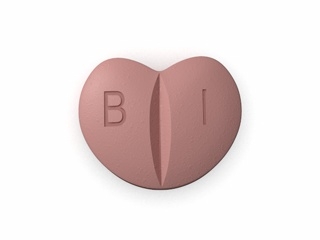
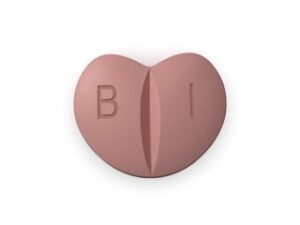
In Australia, Zebeta is available in various tablet strengths (the exact strengths depend on local supply). Your pharmacist can confirm what you have been given.
| Feature | What it means |
|---|---|
| Brand name | Zebeta |
| Generic name | Bisoprolol |
| Therapeutic class | Beta-blocker (cardioselective) |
| Typical dose timing | Usually once daily; try to take at the same time each day |
| How it’s taken | Swallowed tablet(s) with water |
| Common effects | Lower heart rate and blood pressure; possible fatigue or dizziness |
How Zebeta Works (Mechanism of Action)
Bisoprolol is a cardioselective beta-1 blocker. It works mainly on the heart by blocking beta-1 receptors, which leads to:
- Slower heart rate
- Reduced force of heart contraction
- Lower blood pressure by reducing the workload on the heart and improving cardiovascular efficiency
- Reduced oxygen demand of the heart muscle, which can help prevent angina
In heart failure, beta-blockers can improve long-term outcomes by helping the heart adapt over time and by reducing harmful stress signals.
Pharmacokinetics (Absorption, Distribution, Metabolism, Elimination)
Pharmacokinetics describes what the body does to a medicine—how it is absorbed, processed, and removed. Key points for bisoprolol include:
- Absorption: Bisoprolol is absorbed from the gastrointestinal tract after oral dosing.
- Onset of action: Effects on heart rate and blood pressure typically begin within a few hours, with full benefit developing over days to weeks depending on the condition treated.
- Distribution: It distributes throughout the body and acts primarily on the heart.
- Metabolism: Bisoprolol is metabolised in the liver (to some extent) and also eliminated through the kidneys.
- Elimination: The medicine is cleared from the body over time; dosing frequency is designed to maintain steady effects.
Individual response varies, so clinicians usually monitor blood pressure, heart rate, and symptoms. If you have kidney or liver impairment, your dose may need adjustment.
Typical Uses and Indications
Common Indications
Zebeta is used for cardiovascular conditions such as:
- Hypertension (high blood pressure): helping to reduce blood pressure and lower cardiovascular risk
- Angina pectoris: to help reduce frequency of chest pain episodes
- Heart failure: in certain patients, as part of an overall treatment plan
Not every beta-blocker is suitable for every patient. The choice of bisoprolol is based on your condition, history, and tolerance.
When and How to Take Zebeta (Timing & Practical Instructions)
Timing
- Most patients: take Zebeta once daily.
- Try to take it at the same time each day (e.g., morning or evening), to maintain consistent levels.
- If you feel dizzy or light-headed: consider taking it at a time that fits your routine and discuss with your pharmacist or clinician—do not change the dose without advice.
How to Take
- Swallow the tablet with water.
- You can usually take it with or without food (see food section for more detail).
- If you miss a dose, take it when you remember unless it is close to the next scheduled dose. In general, do not double up.
If you are unsure about missed doses, ask your pharmacist to provide guidance based on your exact dose and schedule.
Food Interactions
Bisoprolol can typically be taken with or without food. Food is not usually a major deciding factor for the effectiveness of the medicine.
- Consistency helps: taking Zebeta the same way each day (with or without food) may help you notice any patterns in how you feel.
- Grapefruit and similar foods: there is no well-known requirement to avoid grapefruit specifically for bisoprolol in the way some other medicines require; however, if you have any special diet considerations, it’s wise to ask your pharmacist.
If your medicine guide advises a specific approach, follow that advice.
Alcohol Interactions
Alcohol may increase the blood-pressure-lowering and dizziness effects of Zebeta in some people. This can lead to:
- More dizziness or light-headedness, especially when standing
- Greater tiredness
- Reduced exercise tolerance
Practical approach:
- Keep alcohol intake moderate, if you drink.
- Be cautious when drinking for the first time after starting Zebeta.
- Avoid heavy drinking, particularly if you have low blood pressure or heart failure.
If you’re unsure what is safe for you, discuss it with a healthcare professional.
Medicine Interactions (Important)
Zebeta can interact with other medicines, which may change effects or increase side effects. Always keep your pharmacist and clinician informed about all medicines and supplements you take.
Common Interaction Areas
- Other blood pressure or heart-rate lowering medicines: combining can excessively slow the heart or lower blood pressure.
- Some antiarrhythmics: may increase the risk of rhythm problems or overly slow heart rate.
- Calcium-channel blockers (non-dihydropyridines such as verapamil and diltiazem): can further slow heart rate and affect conduction.
- Diabetes medicines (including insulin): beta-blockers can sometimes mask symptoms of low blood sugar (like fast heartbeat). Sweating may still occur.
- Clonidine (if used): stopping clonidine suddenly can cause rebound high blood pressure; guidance is especially important when beta-blockers are also involved.
- Non-steroidal anti-inflammatory drugs (NSAIDs): may reduce the blood pressure-lowering effect in some people and can affect kidney function in those at risk.
- Medicines for asthma/COPD: while bisoprolol is cardioselective, it can still affect breathing in sensitive individuals. Rescue inhalers may still work, but monitoring is important.
Herbal and Supplement Interactions
- St John’s wort: can affect medicine levels in the body for some medicines—confirm before use.
- Other supplements: always check with your pharmacist, especially if they affect heart rate, blood pressure, or circulation.
Do not start, stop, or change any other medicine without checking for interactions with bisoprolol.
Safety Profile: Who Should Use Caution?
Most people tolerate bisoprolol well, but it can cause predictable side effects due to its effects on the heart and circulation. Your clinician will weigh benefits against risks for your specific situation.
Common Side Effects
- Fatigue or tiredness
- Dizziness, especially when standing up quickly
- Slow heart rate (bradycardia)
- Cold hands and feet
- Sleep disturbances in some patients
- Headache or reduced exercise tolerance
Less Common but Important Effects
- Worsening of asthma or breathing difficulties (more likely in sensitive individuals)
- Low blood pressure (symptoms may include faintness)
- Changes in blood sugar awareness (especially for people with diabetes)
- Gastrointestinal discomfort such as nausea or stomach upset (varies between individuals)
- Sexual dysfunction (reported by some people)
Serious Warning Signs — Seek Urgent Help
Contact urgent medical services or seek emergency care if you experience:
- Fainting or severe dizziness
- Severe shortness of breath, wheezing, or swelling of the face/lips
- Chest pain worsening or symptoms of a heart problem that is new or severe
- Very slow pulse with weakness or confusion
Special Caution Groups
- People with asthma or certain breathing conditions: cardioselective beta-blockers may still require careful monitoring.
- Heart block or significant conduction abnormalities: may increase risk of worsening rhythm.
- Very low blood pressure or very slow resting pulse: dose may need adjustment.
- Diabetes: monitor blood glucose and watch for low blood sugar symptoms.
- Peripheral vascular disease: coldness or pain in extremities may worsen.
Practical Use Tips (Getting the Best Results)
- Start low, go slow: Many heart-related therapies are started at a cautious dose and increased gradually based on tolerance and response.
- Monitor your pulse and blood pressure if advised: especially during dose changes.
- Stand up slowly: to reduce dizziness from blood pressure changes.
- Keep an eye on symptoms: new fatigue, breathlessness, or faintness should be discussed promptly.
- Don’t stop suddenly: stopping beta-blockers abruptly can worsen angina and may cause rebound effects. If stopping is needed, it should be done with medical guidance.
- Use medication reminders: if you take it in the morning or evening, linking it to a routine helps consistency.
- Bring a current list of medicines: for every pharmacy visit or new prescription.
Dosing Guidance (General Information)
Dosing is individual. Your dose depends on the condition being treated, your heart rate, blood pressure, other medications, and your kidney/liver function. The information below is general and not a replacement for instructions you have been given.
How dosing is usually determined
- Heart rate target and blood pressure: clinicians often adjust to avoid excessive slowing or low blood pressure.
- Condition treated: hypertension, angina, and heart failure typically involve different titration plans.
- Gradual dose changes: especially in heart failure management.
Missed Dose
If you miss a dose:
- Take it as soon as you remember unless it’s close to the next dose.
- Do not take a double dose to make up for a missed tablet.
- If you are unsure, contact your pharmacist for advice.
Recent Clinical Guidance & Ongoing Monitoring (Australia Context)
Treatment plans for cardiovascular conditions evolve based on evidence and clinical guidelines. Beta-blockers like bisoprolol are widely used where appropriate, including in hypertension, stable angina, and select heart failure regimens.
- Heart failure: dose titration and monitoring (pulse, blood pressure, symptoms) are central to safe use.
- Heart rate and blood pressure checks: are important during dose changes and periodically thereafter.
- Safety screening: clinicians consider asthma/COPD history, conduction issues, diabetes, and interactions with other cardiovascular medicines.
Your healthcare team may recommend follow-up reviews, blood tests (if relevant), and home monitoring. Always attend scheduled appointments.
Alternative Options (If Zebeta Isn’t Suitable)
There are several alternative beta-blockers and non-beta-blocker treatments depending on the condition being managed. Alternatives may include:
Other Beta-Blockers
- Metoprolol
- Atenolol
- Carvedilol (often used in heart failure)
- Bisoprolol alternatives (brand and generic equivalents may vary)
Non-Beta-Blocker Options (Depending on Indication)
- ACE inhibitors or ARBs for blood pressure and heart failure
- Diuretics for fluid management in some heart failure patients
- Calcium-channel blockers for some people with angina or hypertension
- Nitrates for acute angina symptom relief (based on your plan)
The “best” alternative depends on your diagnosis, other health conditions, and your response to therapy. Discuss options with your clinician or pharmacist.
Market & Legal Context for Australia (How Medicine Supply Works)
In Australia, medicines are regulated and distributed through a structured supply chain. Access to cardiovascular medicines typically involves:
- Pharmaceutical quality and oversight to meet Australian standards
- Pharmacist counselling regarding correct use, interactions, and safety
- Prescription-only vs. pharmacist-supplied medicines depending on the specific product and regulatory status
For online pharmacy orders, customers should ensure they have the correct product details and follow the platform’s verification process. If you have questions about availability, strength, or packaging, your pharmacist can help.
Note: Always read the consumer medicine information provided with your product and follow professional advice for your situation.
Delivery and Availability (Online Pharmacy)
Zebeta (bisoprolol) is commonly available through pharmacies across Australia, including online pharmacies, subject to local stock levels.
- Availability: may vary by tablet strength and quantity.
- Delivery: typical delivery times vary by location and service level. Orders are often processed within business hours.
- Packaging: medicines are delivered in secure packaging to protect tablets and ensure correct labelling.
- Cold chain: bisoprolol tablets generally do not require cold-chain delivery.
If you need a specific strength or an alternative brand equivalent, contact the pharmacy—pharmacists can often advise the closest available option where appropriate.
FAQ — Common Questions About Zebeta (Bisoprolol)
1) What is Zebeta used for?
Zebeta (bisoprolol) is used to treat conditions such as high blood pressure, angina (chest pain), and in certain patients, heart failure—depending on your individual diagnosis and treatment plan.
2) How quickly will it work?
You may notice heart rate and blood pressure changes within hours, but the full benefit (especially for angina prevention or blood pressure control) typically develops over days to weeks. Your clinician may adjust dose gradually.
3) Should I take Zebeta in the morning or at night?
Many patients take it once daily, often in the morning or evening. The best time depends on how it affects you (for example, dizziness or sleep changes). Choose the time that fits your routine and discuss adjustments if side effects occur.
4) Can I take Zebeta with food?
It can usually be taken with or without food. If you find it upsets your stomach, taking it with food may help. Keep your routine consistent.
5) Can I drink alcohol while taking bisoprolol?
Alcohol may increase dizziness or low blood pressure effects. If you drink, keep it moderate and be cautious—especially when starting therapy or after dose changes.
6) What should I do if I miss a dose?
Take it when you remember unless it’s close to the next dose. Do not double the dose. If you’re unsure, ask your pharmacist for advice.
7) Are there medicines I should avoid?
Zebeta can interact with other heart-rate or blood-pressure medicines, certain antiarrhythmics, some asthma/COPD medicines (in sensitive patients), diabetes medicines, and some pain-relievers like NSAIDs. Always check with your pharmacist.
8) Can Zebeta affect breathing?
As a cardioselective beta-blocker, bisoprolol is less likely than some non-selective beta-blockers to affect breathing. However, it can still worsen symptoms in some people with asthma or certain lung conditions, so monitoring is important.
9) Will Zebeta affect diabetes symptoms?
Beta-blockers can sometimes mask signs of low blood sugar, such as a fast heartbeat. People with diabetes should monitor glucose regularly and discuss symptom management with a healthcare professional.
10) Is it safe to stop Zebeta suddenly?
Stopping beta-blockers suddenly is generally not recommended. If your treatment needs to change, your clinician should guide a safe tapering plan to reduce risk of worsening angina or other effects.
When to Contact Your Pharmacist or Doctor
Contact your pharmacist or healthcare professional if you experience persistent or concerning symptoms such as:
- Fainting, severe dizziness, or worsening weakness
- Marked shortness of breath or wheezing
- Very slow pulse or irregular heartbeat sensations
- New or worsening chest pain
- Symptoms of low blood sugar (if you have diabetes)
With appropriate monitoring and dose adjustments, many patients benefit from Zebeta for long-term cardiovascular health.