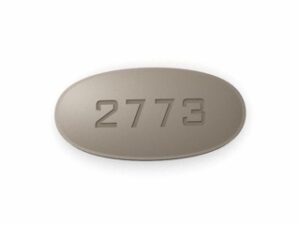
Atacand (Candesartan) – Patient-Friendly Guide (Australia)
Atacand contains the active ingredient candesartan, a medicine used to treat several cardiovascular conditions. This guide explains what Atacand is, how it works, how it’s usually taken, what to watch for, and where to find information relevant to Australia.
Note: Always follow the instructions provided by your healthcare professional and read the Consumer Medicine Information (CMI) supplied with your medicine.
Quick Facts
- Medicine name: Atacand
- Active ingredient: Candesartan
- Medicine type: Angiotensin II Receptor Blocker (ARB)
- Main uses: High blood pressure, heart failure, and to reduce risks after certain types of cardiovascular events
- How it’s usually taken: Once daily (often in the morning or evening)
- Common side effects: Dizziness, headache, tiredness, and sometimes higher potassium levels
What is Atacand?
Atacand (candesartan) is an ARB medicine. It helps relax blood vessels and reduce strain on the heart. It is commonly used for:
- Hypertension (high blood pressure): Helps lower blood pressure and reduce long-term cardiovascular risk.
- Heart failure: Helps improve symptoms and reduce hospitalisations in some people with reduced heart function.
- Selected cardiovascular patients: In certain patients, ARBs may be used depending on overall treatment goals and individual suitability.
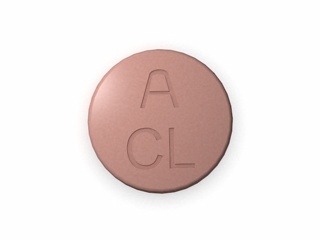
In Australia, Atacand is supplied in tablet strengths (for example, 4 mg, 8 mg, 16 mg, 32 mg—availability can vary by product and supplier).
How Atacand Works (Mechanism of Action)
Atacand belongs to a drug class called angiotensin II receptor blockers (ARBs). In the body, the hormone angiotensin II causes blood vessels to tighten and helps the body retain salt and water. This can raise blood pressure and increase workload on the heart.
Candesartan blocks angiotensin II at its receptor, leading to:
- Vasodilation: Blood vessels relax, lowering resistance and blood pressure.
- Reduced fluid retention: Less strain on the heart’s pumping ability.
- Heart and vascular protection: Over time, reduced stress on cardiovascular structures.
Pharmacokinetics (How the Body Handles the Medicine)
Understanding how Atacand moves through your body can help you appreciate timing and expectations.
- Absorption: Candesartan is absorbed from the gastrointestinal tract after oral dosing.
- Distribution: It circulates in the bloodstream and distributes to tissues.
- Metabolism: Candesartan is not heavily dependent on liver metabolism through typical pathways; however, overall processing involves hepatic and other routes depending on the person.
- Elimination: Candesartan is cleared through both renal (kidney) and biliary/gastrointestinal routes.
- Half-life: The medicine is designed for once-daily use due to a long duration of effect.
- Onset of effect: Blood pressure lowering typically begins within hours, with the fuller effect developing over days to weeks.
Practical takeaway: Even if you feel well, continuing daily dosing helps maintain long-term blood pressure control and cardiovascular protection.
Typical Uses and Indications
Atacand is used for cardiovascular conditions where reducing blood vessel constriction and lowering cardiovascular strain is beneficial.
Common indications include:
- Hypertension (high blood pressure) – to reduce blood pressure and lower risk of cardiovascular events.
- Heart failure – often in people with reduced ejection fraction, usually as part of a broader heart failure regimen.
- Other cardiovascular risk management – depending on clinical context and local guideline recommendations.
Important: The exact suitability depends on your individual medical history, kidney function, potassium levels, other medicines, and overall treatment plan.
Dosing: How Much and How Often
Dose selection should be individual. Your clinician may start with a lower dose and adjust based on your blood pressure response, tolerability, kidney function, and blood potassium.
General dosing principles (not a personal prescription):
- Once daily dosing is typical.
- Doses may be increased gradually over time.
- People with kidney impairment or liver impairment may require special consideration.
- Older adults may be started conservatively, especially if prone to dizziness.
Common tablet strengths (availability may vary): 4 mg, 8 mg, 16 mg, 32 mg.
Starting and adjusting
Your clinician may monitor:
- Blood pressure (home readings may be recommended)
- Blood tests for kidney function (creatinine/eGFR) and potassium
- Symptoms such as dizziness, fainting, or weakness
Timing: When to Take Atacand
Atacand is usually taken once daily. The best time is often the time you can take consistently.
- Morning or evening: Either can work. Choose a time that fits your routine.
- With or without food: Food does not significantly affect the medicine’s effectiveness for most people.
- If dizziness occurs: Taking it at night may help some people avoid daytime light-headedness.
Missed dose: If you miss a dose, take it when you remember on the same day. If it’s close to the next dose, skip the missed one and continue your regular schedule. Avoid doubling up.
Food Interactions
For most patients, food does not have a major interaction with Atacand. You can generally take the tablet with or without meals.
Practical tip: Use a consistent routine (for example, after breakfast or with dinner) to improve adherence.
Alcohol and Medicine Interactions
Alcohol
Alcohol can lower blood pressure and may increase side effects such as dizziness or light-headedness—especially when you first start Atacand or when your dose is increased.
- Consider limiting alcohol, particularly during dose adjustments.
- If you feel faint or unusually dizzy, avoid alcohol and seek advice.
Interactions with other medicines
Atacand can interact with medicines that affect kidney function, potassium levels, and blood pressure.
Common interaction groups to be aware of:
- Potassium supplements and salt substitutes containing potassium
- Potassium-sparing diuretics (e.g., spironolactone, eplerenone, amiloride, triamterene)
- ACE inhibitors (e.g., lisinopril, ramipril) – dual therapy is sometimes used, but it increases risk of kidney issues and high potassium in many situations
- Non-steroidal anti-inflammatory drugs (NSAIDs) (e.g., ibuprofen, naproxen, diclofenac) – regular or high-dose NSAID use can affect kidney function and reduce blood pressure effect in some patients
- Diuretics (“water tablets”) – may amplify blood pressure lowering, especially at start
- Other antihypertensives – may increase dizziness or low blood pressure if combined
Always tell your clinician or pharmacist about all medicines you use, including over-the-counter products and herbal supplements.
Safety Profile: What to Watch For
Like all medicines, Atacand can cause side effects. Many people tolerate it well. The risk of side effects can be reduced by correct dosing and appropriate monitoring.
Common side effects
- Dizziness or light-headedness
- Headache
- Tiredness
- Low blood pressure symptoms (feeling faint, especially when standing)
Less common but important risks
- High potassium (hyperkalaemia) – may be more likely in people with kidney problems or those taking potassium-raising medicines.
- Kidney function changes – particularly after starting, dose changes, dehydration, or when combined with NSAIDs or other kidney-affecting factors.
- Allergic reactions are uncommon but serious reactions require urgent medical help.
When to seek urgent medical attention
Seek urgent care if you experience:
- Signs of severe allergic reaction (swelling of face/lips, breathing difficulty)
- Fainting, severe dizziness, or symptoms of very low blood pressure
- Symptoms suggesting significant high potassium (for example, muscle weakness, abnormal heart sensations) — however, this is often detected through blood tests rather than symptoms
Practical Use Tips (How to Get the Best Results)
- Monitor blood pressure: If advised, take regular home readings, especially during the first weeks.
- Keep appointments for blood tests: Kidney function and potassium may be checked after starting and after dose changes.
- Stay hydrated: Dehydration can increase the chance of kidney function changes and dizziness.
- Be cautious with NSAIDs: If you need pain relief, ask your pharmacist for options and avoid frequent high-dose NSAID use without guidance.
- Rise slowly: If dizziness occurs, stand up gradually from sitting or lying positions.
- Use a medication organiser: Weekly pill boxes can help ensure daily consistency.
- Don’t stop abruptly: Stopping blood pressure or heart medicines suddenly can be risky. If you’re considering stopping, discuss it first.
Safety in Special Situations
Pregnancy and breastfeeding
Pregnancy: ARB medicines are generally not recommended during pregnancy. Effective contraception and early discussions are important if pregnancy is possible. If you become pregnant, seek urgent medical advice promptly.
Breastfeeding: Guidance may vary based on the specific situation. Discuss with your healthcare professional to weigh benefits and risks.
Kidney impairment
People with reduced kidney function may require closer monitoring. If you have kidney disease, you may be more likely to experience changes in creatinine/eGFR and higher potassium.
Dehydration, vomiting, or diarrhoea
If you become dehydrated (for example, due to gastro symptoms), your clinician may advise temporary precautions. Contact your healthcare team for personalised advice.
Older adults
Older patients may be more sensitive to blood pressure changes and dizziness. Dose adjustments and monitoring may be more frequent.
Alcohol and Driving/Operating Machinery
If Atacand causes dizziness or light-headedness for you, be cautious when:
- Driving
- Using machinery
- Performing tasks requiring alertness
Avoid alcohol if you notice that dizziness increases.
Alternatives to Atacand
If Atacand is not suitable or not tolerated, clinicians may consider other treatments for the same conditions. Alternatives can include:
- Other ARBs: For example, losartan, valsartan, telmisartan, olmesartan (depending on availability and suitability).
- ACE inhibitors: For example, enalapril, perindopril, ramipril (some patients switch due to cough or other tolerability issues).
- Other antihypertensives: Such as calcium channel blockers (e.g., amlodipine), thiazide-like diuretics (e.g., indapamide), and others depending on your cardiovascular profile.
- Heart failure regimens: Often involve multiple medicines; choice depends on ejection fraction and comorbidities.
Note: Alternatives depend on your diagnosis, other medicines, kidney function, and potassium levels. Your pharmacist can help you understand the options available.
Atacand in Australia: Market and Legal Context
In Australia, prescription medicines are regulated under the Australian regulatory and listing framework managed by the Therapeutic Goods Administration (TGA). Medicine information provided on this page is for general education and should not replace medical advice.
Consumer Medicine Information (CMI) is typically available through manufacturer resources and some pharmacy sites, and it outlines approved indications, dosing directions, contraindications, and side effect information.
Availability: Atacand may be stocked by pharmacies and may be subject to supply fluctuations. Pharmacies often carry common strengths more readily than less common doses.
Recent Guidance and Monitoring (General Overview)
While individual care plans vary, clinicians commonly follow updated cardiovascular and medicines-safety advice that includes:
- Regular monitoring of kidney function and electrolytes (especially potassium) for patients on ARBs.
- Review of medication combinations to minimise avoidable interactions (particularly potassium-raising agents and NSAIDs).
- Blood pressure targets tailored to age, comorbidities, and risk profile.
- Recognising early symptoms of low blood pressure and kidney-related side effects.
If you’d like, you can ask your pharmacist to provide the latest CMI for your specific Atacand strength and pack.
Delivery and Availability (Online Pharmacy)
Online pharmacies in Australia typically offer:
- Home delivery to eligible locations
- Processing times that depend on stock availability and verification steps
- Tracking and delivery updates for many orders
Stock and dosing: If your requested strength is temporarily unavailable, pharmacies may suggest alternatives such as different strengths (only if clinically appropriate) or help arrange restock.
Packaging: Medicines are normally delivered in original pharmacy-manufacturer packaging. Check that the label matches your prescribed dose and instructions.
Drug Details at a Glance
| Category | Details |
|---|---|
| Brand name | Atacand |
| Generic name | Candesartan |
| Drug class | Angiotensin II Receptor Blocker (ARB) |
| Typical dosing frequency | Once daily (often) |
| Food effect | Usually minimal; can be taken with or without food |
| Key monitoring | Blood pressure, kidney function, potassium |
| Common side effects | Dizziness, headache, tiredness; may cause low blood pressure |
| Important risks | High potassium, kidney function changes (more likely in higher-risk situations) |
Frequently Asked Questions (FAQ)
1) What is Atacand used for?
Atacand (candesartan) is used to treat high blood pressure and to help manage certain types of heart failure and cardiovascular risk, depending on your individual medical situation.
2) How quickly will Atacand work?
Blood pressure lowering may start within hours, but the full effect typically becomes clearer over days to weeks. Heart-related benefits occur over longer periods and alongside other therapies.
3) Should I take Atacand in the morning or at night?
Either can be suitable. Many people take it at the same time each day. If you experience dizziness, your clinician may suggest taking it at night.
4) Can I take Atacand with food?
Yes. Atacand can usually be taken with or without food.
5) Does Atacand interact with pain relief like ibuprofen?
NSAIDs such as ibuprofen can affect kidney function and may reduce blood pressure control in some patients, especially with regular or high-dose use. Ask your pharmacist for safer options for your situation.
6) Why do I need blood tests while taking Atacand?
Atacand can affect kidney function and potassium levels. Blood tests help ensure your safety and guide dose adjustments.
7) What should I do if I miss a dose?
Take it when you remember if it’s the same day. If it’s close to your next dose, skip the missed one and continue your usual schedule. Do not double up.
8) Is it safe to drink alcohol while on Atacand?
Alcohol may increase the risk of dizziness or low blood pressure. If you drink, keep it moderate and be cautious—especially when starting or changing dose. If you feel unwell, avoid alcohol and seek advice.
9) Can Atacand cause high potassium?
Yes, in some people. This is one reason clinicians monitor blood potassium levels, especially if you have kidney impairment or take other medicines that raise potassium.
10) What are the signs I should contact a doctor urgently?
Contact urgent medical services if you have symptoms of severe allergic reaction, fainting, severe dizziness, or other concerning reactions. For non-urgent concerns, contact your healthcare team promptly.
Summary
Atacand (candesartan) is an ARB medicine used in Australia for conditions including high blood pressure and heart failure. It works by blocking angiotensin II receptors, helping blood vessels relax and reducing strain on the heart. Most people take it once daily, with or without food, and it offers benefits that build over time. As with many blood pressure and heart medicines, monitoring kidney function and potassium levels is an important part of safe use.
If you have questions about your dose timing, side effects, or possible interactions with other medicines (including over-the-counter products), speak with your pharmacist—getting the details right can improve both safety and results.