
Ursodiol (Ursodeoxycholic Acid) – Patient-Friendly Medicine Information (Australia)
Ursodiol (also known as ursodeoxycholic acid or UDCA) is a medicine used to treat certain bile-related conditions, particularly those involving the liver and gallbladder. This guide explains how Ursodiol works, when it’s used, how to take it, and what to expect regarding safety and drug interactions.
This information is designed to be patient-friendly and Australia-focused. Always follow the advice of your healthcare professional and the directions on your product label.
Basic product information
| Feature | Details |
|---|---|
| Generic name | Ursodeoxycholic acid (UDCA) |
| Brand names | Ursodiol or other registered brand/generic products (availability can vary) |
| Medicine type | Bile acid therapy (used for certain liver and gallbladder conditions) |
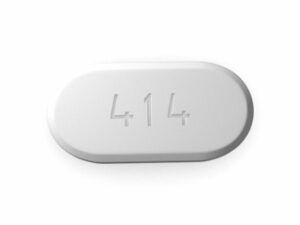
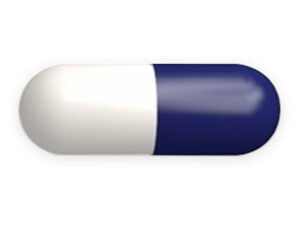
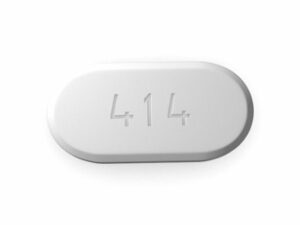
| How it’s taken | Oral capsules or tablets (depending on the product) |
| Where it acts | Primarily within the bile system and liver |
| Common strengths | Varies by product (commonly 250 mg or similar strengths) |
Note: Different brands may use slightly different formulations. Check your exact product packaging for strength and instructions.
How Ursodiol works (mechanism of action)
Ursodiol is a secondary bile acid that helps rebalance the bile composition and reduce the harmful effects of certain bile acids. In simpler terms, it can make bile less irritating and improve how the liver and gallbladder handle cholesterol and bile flow.
Key mechanisms include:
- Improves bile flow (cholestasis support): UDCA can help reduce bile stasis and support more regular flow of bile.
- Reduces toxicity of bile acids: It can replace more toxic bile acids in the bile acid pool, making bile less likely to damage cells.
- Helps dissolve certain gallstones: For some patients with specific gallstone types, UDCA may gradually reduce gallstone size by lowering cholesterol saturation in bile.
- Supports liver cell stability: By altering bile acid composition, it may reduce oxidative stress and inflammation within the liver.
Pharmacokinetics (how your body handles it)
After swallowing, Ursodiol is absorbed in the small intestine. It then enters the circulation and is taken up by the liver, where it is processed and secreted into bile.
In broad terms:
- Absorption: Variable absorption depending on bile availability and gut conditions.
- Distribution: UDCA is distributed mainly through bile-related pathways and is concentrated in the liver and bile.
- Metabolism: It undergoes transformation within the body and gut; some conversion may occur due to intestinal bacteria.
- Excretion: Primarily via bile into the intestine, with elimination through the faeces.
Because it works through bile, changes in bile flow and certain gut conditions can affect how well UDCA performs. This is one reason your clinician may monitor liver enzymes and other markers during treatment.
Typical uses in Australia (indications)
Ursodiol is used for specific approved or commonly accepted bile-related conditions, depending on local prescribing practices and your clinical picture.
Common indications include:
- Primary biliary cholangitis (PBC): Used to improve liver biochemistry and slow progression in appropriate patients.
- Cholestatic conditions: In some cases of bile flow impairment, UDCA may be used as part of management.
- Cholesterol gallstones: For certain people with small, radiolucent (non-calcified) gallstones and a functioning gallbladder, UDCA may be used to dissolve or reduce stones.
- Gallstone-related situations where surgery is not suitable: Sometimes considered when operative risk is high or when conservative treatment is appropriate.
Important: Ursodiol is not a “fast fix.” It typically takes months for bile-related improvements to appear, and gallstone dissolution can take longer.
When and how to take Ursodiol (timing)
For best results, many UDCA regimens are taken with meals because bile flow is stimulated during eating. The exact schedule depends on your dose and product.
General timing guidance:
- Take with food when possible (unless your label or clinician advises otherwise).
- Split doses if your total daily dose is divided (e.g., morning and evening) to keep levels steadier.
- Be consistent—use reminders to avoid missed doses.
- Keep to the same routine for the duration recommended by your clinician.
If you’re unsure about the best timing for your specific product strength or dosing schedule, check your label or ask your pharmacist.
Dosing (adult and general considerations)
Dosing varies depending on the condition being treated, your body weight, liver function, and your treatment response. Always follow the directions on your product label and the advice of your healthcare team.
Common dosing principles:
- PBC: Often dosed based on body weight (commonly around 13–15 mg/kg/day in typical clinical regimens), usually divided across the day.
- Gallstone dissolution: Dose schedules may be based on body weight and may require treatment for months to achieve effects.
- Renal impairment: UDCA is primarily handled via bile; adjustments may still be considered based on overall condition.
How to take your dose:
- Swallow capsules/tablets whole with water (do not crush unless the product is designed for it).
- If you miss a dose, take it as soon as you remember unless it is close to the next dose—then skip the missed dose and continue as normal.
- Do not double up without guidance.
Monitoring: During treatment, clinicians commonly monitor liver blood tests and/or imaging, depending on the condition.
Food interactions and bile-related absorption
Because UDCA works through the bile system, what you eat—and the timing of meals—may influence comfort and effectiveness.
Helpful tips with food:
- Take with meals when possible to support bile flow.
- Maintain a stable diet during treatment unless advised otherwise.
- If you experience loose stools, discuss with your pharmacist or clinician; it may help to adjust the dose schedule (but do not change dosing without advice).
Fibre and general diet: There are no common “banned foods” for UDCA, but maintaining hydration and a balanced diet can support tolerance.
Alcohol interactions
Alcohol can worsen liver health and interfere with medical conditions affecting the liver. Even when UDCA itself has no direct alcohol “chemical interaction” for everyone, drinking alcohol may undermine the benefits of treatment or increase the chance of abnormal liver tests.
Practical advice:
- Consider limiting or avoiding alcohol if you have liver disease or bile-related symptoms.
- If you choose to drink, do so sparingly and discuss your safe limits with your healthcare team.
- Seek advice promptly if you develop symptoms such as worsening fatigue, yellowing of eyes/skin, dark urine, or persistent upper abdominal pain.
Medicine interactions (common and important)
Drug interactions can alter UDCA effectiveness or increase side effects. Always tell your pharmacist about all medicines you use, including over-the-counter products, vitamins, and herbal supplements.
Notable interaction categories:
- Bile acid sequestrants (cholesterol-lowering resins): These can bind bile acids in the gut and reduce UDCA absorption. Separation of doses (often by several hours) may be needed.
- Antacids and acid-reducing medicines: Some may affect gut conditions and bile acid absorption. The clinical significance varies—ask your pharmacist for guidance.
- Cholesterol medicines: If you take medications that affect bile or cholesterol, your clinician may adjust the overall plan.
- Contraceptives or hormone therapy: In gallstone-prone patients, hormones may increase cholesterol secretion into bile in some circumstances; discuss your risk profile.
- Liver-metabolised medicines: UDCA can interact indirectly through liver health changes. Routine medication reconciliation is important.
Tell your pharmacist if you take:
- Cholestyramine, colestipol or other bile-binding agents
- Frequent antacids
- Any new medicine since starting Ursodiol
- Herbal products, especially those affecting liver function
Safety profile and possible side effects
Many people tolerate Ursodiol well. However, any medicine can cause side effects, and individual response varies.
Common side effects (often mild):
- Diarrhoea or loose stools
- Abdominal discomfort, nausea, or indigestion
- Mild dizziness (less common)
Less common but important:
- Worsening itching (especially in cholestatic conditions) early in treatment—report to your clinician
- Allergic-type reactions (rash, swelling, breathing difficulty) are rare but urgent
Seek urgent medical help if you experience:
- Swelling of the face/lips or difficulty breathing
- Severe or persistent vomiting
- Severe abdominal pain
- Signs of serious liver or bile problems (e.g., marked jaundice, dark urine, pale stools, intense fatigue)
Monitoring and reviews: Regular check-ups and blood tests help confirm that treatment is working and that liver markers remain safe.
Practical use tips (getting the best results)
- Stick to the schedule: UDCA works gradually. Consistency is important for bile chemistry changes and gallstone management.
- Take with meals: This is a simple step that may improve tolerance and support bile flow.
- Keep track of symptoms: Note changes in itching, abdominal discomfort, stool colour, and energy levels. Report trends, not just one-off symptoms.
- Don’t stop early: Even if you feel better, continue unless advised. Stopping can lead to loss of benefit.
- Use a reminder: Set a phone alarm for morning/evening doses if you take multiple times per day.
- Plan around other medicines: If you take interacting drugs (such as bile acid sequestrants), ask about spacing.
- Hydrate and manage diarrhoea: If you get loose stools, drink water and speak to your pharmacist about whether dose timing or adjustment is needed.
- Follow-up testing: Keep scheduled blood tests/imaging so your clinician can assess response.
Alternative options (what else may be considered)
Alternatives depend on the underlying cause of bile problems or gallstones. Your clinician may consider different medicines and supportive measures.
Possible alternatives include:
- For PBC or cholestatic liver disease: Other treatment strategies may include additional bile-related therapies depending on severity and response.
- For cholesterol gallstones: Options can include observation, lifestyle measures, or procedural approaches in selected patients.
- Supportive care: Treatments for symptoms such as itching (pruritus) may be used alongside UDCA.
- Management of risk factors: Healthy diet, maintaining a stable weight, and avoiding rapid weight loss may reduce gallstone risk over time.
Important: “Alternative” doesn’t always mean “equally suitable.” The best option depends on bile flow, gallstone type, liver test results, and your medical history.
Market and legal context for Australia (overview)
In Australia, medicine supply and information are governed by the Therapeutic Goods Administration (TGA) and related frameworks. Medicines may be classed by scheduling (including prescription-only or pharmacist-only categories) depending on formulation and strength.
When purchasing online, reputable suppliers follow Australian requirements for product listing, consumer information, and safe dispensing processes (which may vary depending on scheduling).
Product availability and brand names can change over time. Always ensure the medicine you receive matches your intended generic ingredient and strength.
Recent guidance and ongoing clinical monitoring (what patients should know)
Clinical practice evolves as new studies improve the understanding of bile acid therapies. In ongoing liver and gallstone care, the key themes remain consistent:
- Regular monitoring: Liver blood tests and clinical symptoms are used to gauge response and guide next steps.
- Early assessment of response: For some chronic liver conditions, clinicians may evaluate biochemical response within months to help decide whether the current plan should continue or be adjusted.
- Adherence matters: Achieving and maintaining therapeutic benefit depends on ongoing daily dosing.
If your clinician has discussed expected timelines for improvement, follow those targets. Report any unexpected changes, including persistent diarrhoea, worsening pain, or signs of bile obstruction.
Delivery and availability (online pharmacy considerations in Australia)
Online pharmacy supply can vary by state, wholesaler availability, and product formulation. Most services provide:
- Product availability checks before dispatch
- Secure packaging to protect capsules/tablets from damage
- Delivery tracking where available
- Customer support for dosing questions and order issues
What to expect: If stock is limited, some suppliers offer alternatives (such as different brand equivalents) that match the same generic ingredient and strength—subject to availability and your preferences.
Tip: When you order, double-check:
- Strength (e.g., mg per capsule/tablet)
- Quantity (how many capsules/tablets per pack)
- Usage instructions on the label
- Delivery timeframe during busy periods
FAQ – Ursodiol (Ursodeoxycholic acid)
1) What is Ursodiol used for?
Ursodiol is used for certain bile-related conditions, commonly including primary biliary cholangitis (PBC) and, in selected patients, cholesterol gallstones. The exact indication depends on your diagnosis and gallstone/liver characteristics.
2) How long does Ursodiol take to work?
It’s usually gradual. In liver conditions, blood test improvements may take weeks to months. For cholesterol gallstone dissolution, treatment can take many months, and not all gallstones respond. Your clinician will assess response over time.
3) Should I take Ursodiol with food?
Many people are advised to take UDCA with meals to support bile flow and improve tolerability. Follow your label instructions; if they differ, ask your pharmacist.
4) What if I miss a dose?
Take it when you remember unless it’s close to your next dose. If it’s nearly time for the next dose, skip the missed dose. Do not double to make up for it unless specifically advised.
5) Can I drink alcohol while taking Ursodiol?
Alcohol is best limited or avoided, especially if you have liver disease. Alcohol may worsen liver health and reduce the overall benefit of treatment. Discuss your safe limits with your healthcare team.
6) What foods should I avoid?
There are no universally “banned” foods for Ursodiol. However, maintaining regular meals and a balanced diet can help. If you notice a food-related pattern with diarrhoea or stomach upset, mention it to your pharmacist.
7) What medicines can interact with Ursodiol?
Interactions can occur with medicines that bind bile acids (such as bile acid sequestrants) or affect gut conditions. Always provide a full list of your medicines and supplements to your pharmacist.
8) Are there side effects I should watch for?
Common side effects include diarrhoea and abdominal discomfort. Seek urgent help if you develop allergic symptoms (rash, swelling, trouble breathing), severe persistent vomiting, severe abdominal pain, or signs of serious bile/liver problems.
9) Can Ursodiol be used long-term?
In chronic bile conditions such as PBC, long-term therapy may be used. Your clinician will monitor progress and decide whether ongoing treatment is beneficial for you.
10) Is Ursodiol suitable for children?
Use in children depends on the diagnosis, age, and clinical judgement. If this applies, speak with a paediatric specialist or your clinician for dosing and monitoring plans.
Summary
Ursodiol (ursodeoxycholic acid) is a bile acid therapy used for selected liver and gallbladder conditions. It works by improving bile composition and supporting bile flow, with benefits that often appear gradually. Taking it consistently with meals, being mindful of interactions, and attending monitoring appointments are key parts of safe, effective use.
If you’d like, tell me the condition you’re asking about (e.g., PBC or gallstones) and your prescribed dose schedule, and I can help you understand typical timing expectations and what to monitor—without replacing advice from your healthcare team.