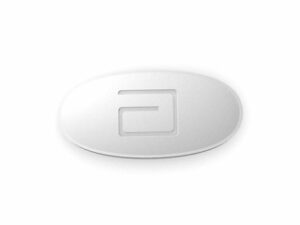
Lopid (Gemfibrozil) — Patient-Friendly Medicine Information (Australia)
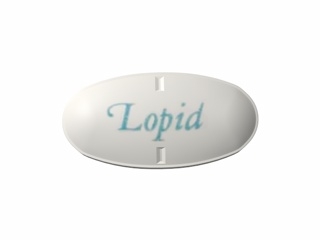
Lopid is a brand of gemfibrozil, a medicine used to improve certain blood fat levels. It is most commonly prescribed to help lower triglycerides (a type of blood fat) and to raise HDL (“good” cholesterol). This page explains how Lopid works, how it is used, what to watch for, and practical tips to help you use it safely.
This information is intended for general education. Always follow the instructions provided by your healthcare professional and the product label.
Basic Product Information
| Item | Details |
|---|---|
| Brand name | Lopid |
| Generic name | Gemfibrozil |
| Medicine class | Fibrate (lipid-modifying medicine) |
| Main purpose | Lower triglycerides; modest effects on cholesterol fractions |
| Common forms | Oral tablets (strength varies by local product availability) |
| Where used | Australia (availability depends on supply and prescribing practices) |
How Lopid Works (Mechanism of Action)
Gemfibrozil belongs to the fibrate class. It primarily affects lipid metabolism in the liver and other tissues.
- Increases breakdown and clearance of triglycerides by influencing the enzymes and pathways that handle fats.
- Reduces liver production of triglyceride-rich particles.
- Improves lipid profile by lowering triglycerides and often raising HDL (good cholesterol).
Key patient takeaway: Lopid is mainly used when triglycerides are high—especially when levels are high enough to increase risk of complications.
Pharmacokinetics (How the Body Processes Gemfibrozil)
Pharmacokinetics describes what the body does to the medicine (absorption, distribution, metabolism, and elimination).
- Absorption: Gemfibrozil is absorbed after oral dosing. Food can influence the rate and extent of absorption; follow your specific instructions.
- Distribution: It distributes into body tissues and binds to plasma proteins.
- Metabolism: It is metabolised mainly in the liver.
- Elimination: Metabolites are eliminated primarily via the kidneys and/or through bile-related pathways, depending on the specific metabolic routes.
- Half-life (general): The effect lasts long enough for dosing typically twice daily, though exact schedules vary by regimen.
Your clinician may adjust dosing based on age, kidney function, other medicines, and overall risk.
Typical Uses in Clinical Practice
In Australia, Lopid/gemfibrozil is generally used as part of lipid management for certain lipid disorders, particularly:
- High triglycerides (hypertriglyceridaemia), especially when triglycerides are significantly elevated.
- Mixed dyslipidaemia in selected patients where triglycerides are a key concern and a fibrate is considered appropriate.
Important: Lopid is not the first choice for many people with cholesterol-dominant cardiovascular risk; it may be used when triglycerides are high or when other approaches are unsuitable or insufficient.
Indications (When Doctors May Consider Lopid)
Depending on individual assessment and local prescribing guidance, gemfibrozil may be considered for:
- Reduction of elevated triglycerides.
- Management of dyslipidaemia when triglyceride lowering is a primary goal.
Clinicians weigh the potential benefit against the safety considerations, especially for people taking interacting medicines.
Dosing: Typical Schedules and Timing
Dosing can differ by patient factors and available local product information. Always use the dose directed for you.
Common regimen
Gemfibrozil is commonly taken as twice daily dosing.
- Take in the morning and evening as directed.
- Take before meals (often before breakfast and before the evening meal). This approach can help with consistent absorption and may improve tolerability for some people.
If you miss a dose
- If you remember soon after your scheduled time, take it if it is still close to your next planned dose.
- If it is near the time of your next dose, skip the missed dose and continue your regular schedule.
- Do not double up to make up for a missed dose unless your healthcare professional advises otherwise.
Monitoring during treatment
Your clinician may schedule periodic blood tests, which can include:
- Lipid profile (triglycerides, HDL, LDL as appropriate)
- Liver function tests
- Kidney function (especially if you have kidney impairment)
- Additional tests if symptoms suggest side effects (e.g., muscle pain)
Food Interactions (Taking Lopid With Meals)
Food can influence gemfibrozil absorption and may affect how predictable the dose is from day to day.
- General advice: Many regimens ask you to take gemfibrozil before meals.
- Be consistent: Try to take it the same way each day relative to meals.
- Gastrointestinal tolerance: If you experience nausea or indigestion, speak with your pharmacist or doctor. Do not change the schedule without checking—timing is often part of the dosing plan.
Diet is part of treatment: Even with medication, lifestyle changes (reduced refined carbohydrates, improved overall diet, weight management, and reducing alcohol intake when appropriate) are often essential for triglyceride control.
Alcohol and Medicine Interactions
Alcohol can affect triglyceride levels and may worsen hypertriglyceridaemia in some people. It can also increase the risk of liver-related side effects in certain circumstances.
- High triglycerides: If your triglycerides are elevated, limiting or avoiding alcohol may be recommended.
- Liver health: If you have fatty liver disease, hepatitis, or heavy alcohol use, discuss safety with your healthcare professional.
- Watch for side effects: Seek advice if you develop symptoms such as unusual fatigue, abdominal pain, dark urine, or yellowing of the skin/eyes.
Practical tip: Ask your pharmacist or doctor whether alcohol restriction applies to your condition and target triglyceride levels.
Medicine Interactions (Especially Important for Gemfibrozil)
Gemfibrozil can interact with other medicines, potentially increasing side-effect risk. This is one of the most important safety issues with fibrates.
Medicines that require extra caution
- Statins (cholesterol-lowering medicines): Combining gemfibrozil with certain statins can markedly increase the risk of muscle injury (myopathy/rhabdomyolysis). Your clinician may avoid this combination or choose an alternative strategy.
- Blood thinners (anticoagulants), particularly warfarin: Gemfibrozil can affect bleeding risk by increasing the strength of anticoagulants. INR monitoring may be needed.
- Some diabetes medicines: Interactions may affect blood glucose control. Monitoring for low or high glucose may be required.
- Other lipid medicines: Combining with certain treatments may increase safety risks and should be managed carefully.
- Immunosuppressants and some other drugs: Interactions may influence drug levels, increasing toxicity risks.
What to do
- Tell your pharmacist or doctor about **all** medicines you take, including:
- prescription medicines
- over-the-counter drugs
- herbal products and supplements
- vitamins in high doses
- Do not start or stop medicines without checking for interactions.
Seek urgent help if you develop severe muscle pain, weakness, fever, or dark urine—especially if you are taking other cholesterol medicines.
Safety Profile: Common and Serious Side Effects
Like all medicines, Lopid can cause side effects. Many people tolerate it well, but some risks require prompt attention.
Common side effects
- Gastrointestinal symptoms: indigestion, nausea, abdominal discomfort, diarrhoea
- Headache
- Rash or mild skin changes (less common)
Serious side effects — contact a doctor promptly
- Muscle problems: muscle pain, tenderness, weakness, or cramps (especially if severe)
- Signs of liver issues: yellow skin/eyes, dark urine, severe fatigue, right upper abdominal pain
- Gallbladder-related symptoms: abdominal pain (often upper right), nausea/vomiting, fever
- Allergic reactions: swelling of face/lips, difficulty breathing, widespread rash
When to seek urgent care
- Severe muscle pain/weakness with feeling unwell or dark urine
- Severe abdominal pain or symptoms suggesting pancreatitis
- Difficulty breathing or signs of a serious allergic reaction
Practical Use Tips for Patients
- Take it consistently: Use a daily routine (e.g., before breakfast and before dinner) and set reminders if helpful.
- Keep lifestyle measures going: Medication works best alongside dietary changes and activity.
- Know your target: Ask your clinician what triglyceride level you’re aiming for and when you’ll recheck labs.
- Watch for symptoms: Be alert to muscle pain, unusual bruising, or signs of liver or gallbladder problems.
- Hydrate and report illness: If you become unwell (e.g., fever, vomiting, dehydration), contact your healthcare professional—dehydration can worsen kidney-related risks.
- Don’t “mix and match”: Avoid self-medicating with new supplements or interacting medicines without checking.
Alternative Options for High Triglycerides or Dyslipidaemia
If Lopid/gemfibrozil is not suitable, alternative options may include other lipid-lowering strategies, which depend on your lipid pattern and overall cardiovascular risk. Your clinician may consider:
Medication alternatives
- Other fibrates (in some cases)
- Statins (particularly if LDL/overall cardiovascular risk is a main concern)
- Omega-3 fatty acids (for selected patients with high triglycerides; product formulation and dose matter)
- Other triglyceride-lowering therapies where appropriate
Lifestyle and diet strategies (often highly effective)
- Reduce alcohol if triglycerides are elevated
- Limit added sugars and refined carbohydrates
- Improve overall diet quality (e.g., vegetables, whole grains, lean proteins)
- Weight management when relevant
- Regular physical activity
Note: The best alternative depends on your triglyceride level, other conditions (e.g., diabetes, kidney disease), and your current medicines.
Australia Market/Legal Context and Availability
In Australia, medicines are regulated through the Therapeutic Goods Administration (TGA). Availability and prescribing practices may vary between individuals and time periods depending on product listings, supply, and clinical guidelines.
- Regulatory status: Lopid (gemfibrozil) is a prescription medicine in Australia.
- Supply: Online pharmacy listings may vary. Some products may be supplied via distribution networks or may be temporarily unavailable depending on demand.
- Quality and authenticity: Choose reputable pharmacies that source from authorised channels.
Availability can change. If you can’t find Lopid at the time of ordering, your pharmacist may suggest an alternative option or similar medicine depending on suitability.
Recent Guidance and Clinical Considerations
Clinical guidance for lipid management evolves as evidence develops. Recent themes seen in many lipid-management approaches include:
- Prioritising triglyceride risk reduction: Management focuses on lowering triglycerides and reducing pancreatitis risk when levels are very high.
- Careful selection of medicines: Fibrates may be chosen when appropriate, but safety—particularly drug interactions—remains a key consideration.
- Greater emphasis on overall cardiovascular risk: Many guidelines focus on the patient’s absolute risk and choosing lipid-lowering therapy that best reduces risk.
- Safety monitoring: Increased attention to muscle injury, liver effects, and kidney function monitoring when using interacting therapies.
Because gemfibrozil has notable interaction potential, your healthcare professional may review your medication list carefully before starting or continuing therapy.
Delivery and Availability (Online Pharmacy Information)
When ordering online in Australia, you can typically expect:
- Secure packaging to protect tablets during transit.
- Tracked delivery options in many services (depending on region and carrier).
- Delivery times that vary by state/territory and whether the pharmacy holds stock locally or dispatches from another facility.
If your selected product is out of stock, your pharmacy may offer:
- an alternative brand or equivalent strength (if appropriate), or
- different ordering/dispensing options, depending on regulations and local supply.
FAQ: Common Questions About Lopid (Gemfibrozil)
1) What is Lopid used for?
Lopid (gemfibrozil) is used to help improve blood lipid levels, especially by lowering triglycerides and, in many cases, raising HDL.
2) How quickly does Lopid work?
Lipid levels typically respond over weeks, and follow-up blood tests are often scheduled to assess effectiveness and safety. Your clinician will advise when to recheck your results.
3) Should I take Lopid with food?
Many dosing plans recommend taking gemfibrozil before meals. It’s important to follow your personal instructions. If you experience stomach upset, speak with a pharmacist rather than changing timing on your own.
4) Can I drink alcohol while taking Lopid?
Alcohol may worsen triglyceride levels and can affect liver health. Whether you can drink depends on your triglyceride level and medical history. It’s best to discuss alcohol with your healthcare professional.
5) Are there medicines I should avoid?
Yes. Gemfibrozil can interact with a range of medicines, including (most notably) some cholesterol medicines (statins) and certain blood thinners. Always provide your full medication list to your pharmacist.
6) What should I do if I get muscle pain?
If you develop unexplained muscle pain, weakness, or dark urine, contact a healthcare professional urgently. This is particularly important if you are taking other lipid medicines or medicines that can increase gemfibrozil effects.
7) Will Lopid replace lifestyle changes?
No. Medication works best alongside lifestyle measures such as diet changes, reduced sugar/refined carbohydrates, weight management, exercise, and—if relevant—reducing alcohol.
8) How long will I need to take it?
Lipid management is often long-term. Your clinician will review your labs and overall risk factors to decide whether to continue, adjust, or stop therapy.
9) Who should be extra cautious with Lopid?
Extra caution may be needed if you have kidney disease, liver problems, a history of gallbladder disease, or you take multiple interacting medicines. Your clinician may monitor you more closely.
10) Is Lopid the only fibrate option?
Not necessarily. Depending on your situation, doctors may consider other fibrates or non-fibrate options such as omega-3 fatty acids or statins (depending on your lipid pattern and cardiovascular risk).
Summary
Lopid (gemfibrozil) is a fibrate medicine used mainly to help lower triglycerides and improve parts of the lipid profile. It works by altering lipid metabolism, but it requires careful attention to timing, food consistency, and especially drug interactions. Regular monitoring and prompt reporting of symptoms—particularly muscle pain or signs of liver/gallbladder problems—help support safe use.
If you have questions about suitability, interactions, or how to take your tablets, speak with your pharmacist or healthcare professional.