
Fenofibrate (Fenofibrate) – Patient Information (Australia)
Fenofibrate is a lipid-regulating medicine used to help manage certain types of abnormal blood fats (lipids), particularly high triglycerides. It may also help improve cholesterol levels in some people. This guide explains how fenofibrate works, how it is taken, and important safety considerations.
Note: This information is intended to help you understand your medicine. Always follow the directions given by your healthcare professional and read the consumer medicine information (CMI) that came with your product.
Basic product information
| Feature | Details |
|---|---|
| Generic name | Fenofibrate |
| Common uses | High triglycerides; mixed dyslipidaemia in selected patients |
| Medicine class | Fibrate (PPAR-α activator) |
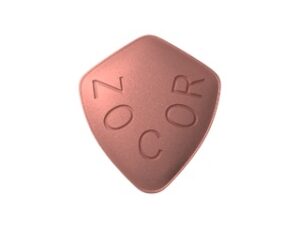
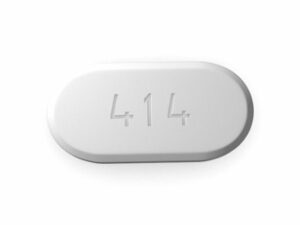
| Forms | Tablets/capsules depending on brand and strength (e.g., micronised or non-micronised formulations) |
| Typical dosing schedule | Usually once daily or as directed (formulation dependent) |
| Where it fits in care | Alongside diet, exercise, and other lipid-lowering therapy when appropriate |
How fenofibrate works (mechanism of action)
Fenofibrate belongs to the fibrate group of medicines. It activates a receptor called PPAR-α (peroxisome proliferator-activated receptor alpha) in the liver and other tissues. Activation of PPAR-α helps regulate lipid metabolism by:
- Increasing lipoprotein lipase activity, which helps the body break down triglyceride-rich lipoproteins.
- Reducing hepatic production of triglycerides, leading to lower circulating triglyceride levels.
- Improving lipid profiles in many patients, including an increase in HDL (“good cholesterol”) and a reduction in non-HDL cholesterol.
By targeting triglyceride metabolism, fenofibrate is particularly useful when triglycerides are high, including cases where levels are severe enough to raise the risk of complications such as pancreatitis.
Pharmacokinetics (how the body handles fenofibrate)
Pharmacokinetics describes what the body does with the medicine—absorption, distribution, metabolism, and elimination. While exact values can vary by formulation, the overall pattern is:
- Absorption: Fenofibrate is absorbed after oral dosing. Some formulations (such as micronised forms) may have improved absorption characteristics compared with older formulations.
- Metabolism: Fenofibrate is converted in the body to its active metabolite(s), primarily involving enzymatic processing in the liver.
- Elimination: The active metabolite(s) are mainly eliminated via the kidneys.
- Half-life (timing in the body): The active component persists long enough to support once-daily dosing for many formulations.
Because fenofibrate is cleared largely through the kidneys, kidney function can affect how the medicine builds up in the body. Dose adjustments may be needed for people with reduced kidney function.
Typical use: who fenofibrate is for
Fenofibrate is used to treat abnormal blood fats, most commonly:
- High triglycerides (hypertriglyceridaemia), especially when triglycerides are significantly elevated.
- Mixed dyslipidaemia (elevated triglycerides and cholesterol abnormalities) in selected patients.
It is usually recommended as part of an overall plan including:
- Heart-healthy eating (and, where appropriate, weight management)
- Regular physical activity
- Limiting alcohol (important for triglycerides)
- Managing blood sugar if you have diabetes
- Stopping smoking if you smoke
Indications: when fenofibrate may be appropriate
Based on clinical use, fenofibrate is indicated for conditions such as:
- Severe hypertriglyceridaemia where triglyceride reduction is needed to lower risk of pancreatitis.
- Hyperlipidaemia with triglyceride and cholesterol abnormalities where treatment is appropriate.
- Adjunct therapy in people needing further lipid improvement beyond diet and lifestyle.
Your healthcare professional will consider your lipid results, overall cardiovascular risk, other medicines, and whether other therapies (such as statins) are more suitable.
Dosing and timing
Fenofibrate dosing depends on the product strength, formulation, and your clinical circumstances (including kidney function). Common approaches include:
- Once daily dosing for many formulations (e.g., some micronised products).
- Timing with meals may be recommended depending on the brand and type of tablet/capsule.
Important: Always use the dosing instructions from your product’s CMI and/or the directions you received. Do not switch between brands or formulations without checking with your pharmacist.
General timing guidance
- Take it at the same time each day to help maintain consistent levels.
- If your product directions recommend taking with food, do so to improve absorption and reduce stomach discomfort.
- If you miss a dose, take it when you remember on the same day unless it’s close to your next dose. If close, skip the missed dose—do not double up.
Food interactions (what to know)
Food can influence the absorption of fenofibrate depending on formulation. For many products, taking fenofibrate with a meal (often with dinner) is advised.
- Take with food if instructed: This is commonly recommended for better absorption.
- Consistency matters: Try not to change your routine meal timing dramatically from day to day.
- Follow dietary advice: For triglycerides, reducing sugar, refined carbohydrates, and alcohol can be especially helpful.
If you have questions about whether your specific brand should be taken with or without food, check the CMI or ask your pharmacist.
Alcohol and medicine interactions
Alcohol can significantly affect triglyceride levels. For many people with high triglycerides, alcohol can worsen hypertriglyceridaemia and increase the risk of complications such as pancreatitis.
- Avoid or limit alcohol unless your healthcare professional says otherwise.
- Be cautious with binge drinking: even occasional heavy drinking can raise triglycerides.
Regarding direct “drug-drug” interactions, fenofibrate can interact with some medications (see below). Alcohol is not typically classified as a “direct” interaction in the same way as other drugs, but it can be a major contributor to triglyceride elevation and liver stress.
If you have fatty liver disease or elevated liver enzymes, discuss alcohol use with your clinician.
Medicine interactions (important combinations)
Some interactions can increase the risk of side effects, including muscle problems or changes in liver/kidney function. Tell your pharmacist or doctor about all medicines you take, including over-the-counter products and herbal supplements.
Examples of medicines that may interact
- Statins (cholesterol-lowering medicines): combined therapy may increase the risk of muscle-related side effects in some people. Your clinician may choose the combination carefully and monitor you.
- Other fibrates: do not combine multiple fibrates unless specifically directed.
- Blood thinners (anticoagulants) such as warfarin: fenofibrate may enhance the effect of warfarin, increasing bleeding risk. INR monitoring may be required.
- Immunosuppressants (e.g., some transplant medicines) and certain other medicines affecting metabolism/clearance: may require monitoring or dose adjustments.
- Diabetes medicines: if your blood sugar control changes due to improved metabolism, monitoring may be needed.
Herbal and supplement caution
- St. John’s wort and other herbal products that affect liver enzymes may alter medicine levels.
- High-dose supplements that affect lipid metabolism should be discussed—especially if you also have liver or kidney issues.
Safety profile: common and serious side effects
Most people tolerate fenofibrate well. However, like all medicines, it can cause side effects. Your risk can be influenced by age, kidney/liver function, and whether you take other lipid-lowering medicines.
Common side effects
- Stomach or digestive symptoms: nausea, stomach discomfort, indigestion
- Headache
- Mild increases in liver enzymes detected on blood tests
- Changes in kidney-related lab values in some people (monitoring may be required)
Serious side effects (seek medical advice promptly)
- Muscle problems (myopathy/rhabdomyolysis): watch for unexplained muscle pain, tenderness, weakness, or dark urine. This is more important if you also take a statin.
- Liver injury: seek advice if you develop yellow skin/eyes, severe fatigue, upper abdominal pain, or persistent nausea.
- Severe allergic reactions: swelling of face/lips, rash with difficulty breathing, or sudden severe symptoms.
- Pancreatitis symptoms: severe abdominal pain (often with vomiting) may indicate a serious condition, particularly in people with very high triglycerides.
Who needs extra caution?
- Reduced kidney function (may require dose adjustments and closer monitoring)
- History of liver disease or persistent elevated liver enzymes
- People taking multiple lipid-lowering agents
- Older adults or those with multiple medical conditions
Practical use tips (getting the best from fenofibrate)
- Adopt a “triglyceride-lowering” lifestyle: limit alcohol, reduce sugary foods/drinks, and choose complex carbohydrates.
- Keep to your schedule: consistent daily dosing supports steady lipid improvement.
- Use blood tests to guide progress: lipid panels and sometimes liver/kidney tests are typically monitored.
- Report symptoms early: muscle pain or weakness should be assessed promptly.
- Don’t stop suddenly without advice: unless your clinician tells you to—lipid levels can rise again.
- Check your product instructions: different fenofibrate formulations can vary on food timing.
Monitoring: what your healthcare team may check
Monitoring helps ensure the medicine is working and is being tolerated safely. Your clinician may order:
- Fasting or non-fasting lipid tests (as advised) to track triglycerides and cholesterol changes
- Liver function tests (ALT/AST) if appropriate
- Kidney function tests (creatinine/eGFR) especially if you have kidney concerns
- Additional tests if you develop symptoms suggestive of muscle or liver problems
The timing of tests varies by individual risk factors and local clinical practice.
Alternative options (other treatments for high triglycerides and dyslipidaemia)
Depending on your lipid profile and overall health, alternative or additional options may include:
- Statins (for cholesterol and cardiovascular risk; may also reduce triglycerides modestly)
- Omega-3 fatty acids (including prescription-grade formulations in some settings) for triglyceride reduction
- Other fibrates in certain cases (choice depends on suitability and formulation)
- Dietary changes such as reducing refined carbohydrates and sugar, increasing fibre, and improving overall calorie balance
- Managing contributing conditions like diabetes, hypothyroidism, or certain medications that raise triglycerides
Your pharmacist or doctor can explain which option fits best based on your triglyceride level, cardiovascular risk, kidney function, and current medicines.
Fenofibrate in Australia: market and legal context
In Australia, lipid-lowering medicines are supplied through a regulated medicines framework under the Therapeutic Goods Administration (TGA). Availability may vary by brand and formulation, and many lipid-regulating medicines are listed on the Pharmaceutical Benefits Scheme (PBS) depending on eligibility criteria.
On an online pharmacy site, products can be supplied according to Australian regulations and required checks. You may need to provide details for eligibility and safety screening before dispensing.
Always confirm the exact product name and strength before use. If you’re unsure whether your chosen product matches the one previously prescribed or recommended for you, ask your pharmacist.
Recent guidance and clinical practice updates
Clinical guidance for dyslipidaemia and triglyceride management continues to evolve. Recent emphasis in practice includes:
- Individualised treatment decisions based on lipid pattern, cardiovascular risk, and comorbidities.
- Reviewing all contributing factors such as diabetes control, alcohol intake, weight, and medication side effects.
- Careful monitoring when combining lipid-lowering therapies, especially where muscle risk is higher.
- Focusing on safety through kidney and liver monitoring when appropriate.
Your healthcare professional can share the most relevant current recommendations for your situation.
Delivery and availability (online pharmacy)
Availability of fenofibrate depends on the specific brand and strength. Delivery timelines and costs vary by pharmacy provider and location within Australia.
- Stock availability: commonly available, but may vary—especially for specific strengths or formulations.
- Packaging and handling: medicines are typically shipped in protective packaging to maintain product integrity.
- Tracking: many deliveries include tracking updates.
- Cold chain: fenofibrate is generally not a cold-chain product; confirm with your supplier if unsure.
If you need urgent supplies, choose shipping options that match your timeframe and check estimated delivery at checkout.
FAQ: frequently asked questions
1) What is fenofibrate used for?
Fenofibrate is used to help lower high triglycerides and improve lipid levels in people with abnormal blood fats, especially when triglycerides are elevated. It is usually used alongside lifestyle changes.
2) How long does fenofibrate take to work?
Lipid improvements can begin within weeks, but the full effect is usually assessed with follow-up blood tests. Your clinician will advise when to recheck your lipids.
3) Should I take fenofibrate with food?
Many fenofibrate products are recommended to be taken with food to support absorption. Always follow the instructions specific to your brand and strength.
4) Can I drink alcohol while taking fenofibrate?
Alcohol can raise triglycerides in many people. If you have high triglycerides, it’s often advised to limit or avoid alcohol. Discuss a safe level with your healthcare professional.
5) Are there dietary changes that make fenofibrate work better?
Yes. Reducing sugary foods/drinks and refined carbohydrates, maintaining a healthy weight, and limiting alcohol are commonly helpful, particularly for triglycerides. Follow individual dietary advice from your clinician or dietitian.
6) What should I do if I miss a dose?
Take it when you remember on the same day unless it’s close to your next scheduled dose. Do not double up. If you’re unsure, ask your pharmacist for guidance.
7) Can fenofibrate be taken with a statin?
Sometimes it is used in combination, but it requires careful consideration due to a potential increased risk of muscle-related side effects. Your healthcare professional may choose doses carefully and monitor you.
8) What symptoms mean I should seek urgent medical help?
Seek prompt medical advice for severe muscle pain/weakness (especially with dark urine), signs of liver injury (yellowing of skin/eyes, severe fatigue, upper abdominal pain), or signs of severe allergy (swelling, breathing difficulty).
9) Is fenofibrate safe for people with kidney problems?
Kidney function affects how fenofibrate is cleared. Dose adjustment and closer monitoring may be needed. Your clinician will assess kidney health before and during treatment.
10) What are common side effects?
Digestive upset, headache, and mild changes in laboratory tests (such as liver enzymes) can occur. Report any persistent or worrying symptoms to your healthcare professional.
Summary
Fenofibrate helps manage abnormal blood fats, especially high triglycerides, by improving lipid metabolism through PPAR-α. Success depends on correct daily use, attention to food and lifestyle factors (particularly alcohol and diet), and ongoing monitoring for effectiveness and safety. If you have questions about interactions or suitability for your situation, speak with your pharmacist or healthcare professional.