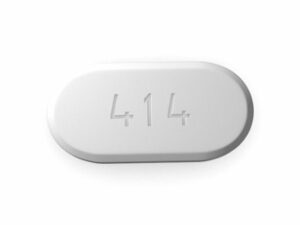
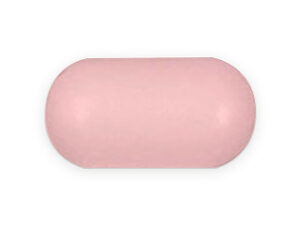
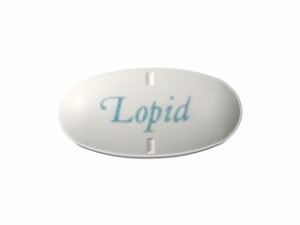
Gemfibrozil (Australia) – Patient Information
Gemfibrozil is a lipid-lowering medicine used to help manage certain types of abnormal blood fats (lipids), particularly high triglycerides. It belongs to a group of medicines known as fibrates. By improving lipid levels, gemfibrozil can help reduce the risk of complications related to severe hypertriglyceridaemia (high triglycerides).
This guide is written in clear, patient-friendly language for online pharmacy information in Australia. It explains how gemfibrozil works, when it’s typically used, how it’s taken, key safety considerations, and practical tips.
Basic product information
| Category | Details |
|---|---|
| Medicine name | Gemfibrozil |
| Medicine group | Fibrate (lipid-modifying medicine) |
| Common purpose | Lower triglycerides; improve some cholesterol fractions |
| How it’s taken | Oral tablets (dose frequency depends on the brand/prescribed regimen) |
| Availability | Available through appropriate Australian medicines channels; supply depends on brand and stock |
How gemfibrozil works (mechanism of action)
Gemfibrozil lowers blood lipids mainly by altering how your body handles fats:
- Reduces triglyceride production in the liver.
- Increases clearance of triglycerides by affecting enzymes involved in lipid breakdown.
- Improves lipid profile by typically:
- Lowering triglycerides
- Raising HDL (“good” cholesterol)
- Often lowering VLDL and other triglyceride-rich lipoproteins
Important: Gemfibrozil is most effective for high triglycerides. It is not a substitute for lifestyle changes (diet, exercise, weight management, limiting alcohol) and for other lipid-lowering strategies your clinician may recommend.
Pharmacokinetics (how the body absorbs, distributes, and clears it)
Understanding pharmacokinetics helps explain timing, interactions, and why dose adjustments may be needed in some people.
- Absorption: Gemfibrozil is absorbed after oral dosing. Food may influence absorption, so follow the specific product instructions and your healthcare advice.
- Distribution: It is distributed throughout the body and acts on lipid metabolism primarily in the liver.
- Metabolism: It is metabolised in the liver. It can affect certain drug-metabolising enzymes and transporters, which is one reason it can interact with other medicines.
- Elimination: Metabolites are cleared mainly via the kidneys (urinary excretion) and through bile pathways to a lesser extent.
- Half-life: The duration of action is long enough that dosing is commonly once or twice daily depending on regimen and product formulation.
Kidney function: In people with reduced kidney function, drug levels may build up, increasing the risk of adverse effects. This can influence suitability and dosing.
Typical uses in practice
Gemfibrozil is used to treat specific lipid disorders, particularly:
- Severe hypertriglyceridaemia (very high triglycerides), often to reduce the risk of complications such as pancreatitis.
- Selected cases of mixed dyslipidaemia where triglycerides are significantly elevated.
In Australia, lipid management is guided by overall cardiovascular risk, lipid results, and the presence of conditions such as diabetes or kidney disease. Gemfibrozil may be chosen when triglyceride reduction is a priority.
Indications (when it may be recommended)
In general terms, gemfibrozil may be indicated for:
- Elevated triglycerides, especially when levels are high enough to raise concern about pancreatitis risk.
- Patients who require triglyceride-lowering as part of their lipid management plan, alongside lifestyle changes.
Your clinician will consider your full lipid panel (including LDL, HDL, triglycerides) and your medical history to decide whether gemfibrozil is appropriate.
Dosing (general guidance)
Always follow the dosing instructions provided by your healthcare professional and the product label. Dosing may vary by brand, formulation, and your personal risk factors.
Typical dosing patterns include:
- Once or twice daily regimens, depending on the prescribed schedule.
- Usual timing: Many fibrate regimens are taken before meals to support absorption and consistency (see food interaction section below).
If you miss a dose:
- Take it when you remember unless it is close to the time of your next dose.
- Do not double up to make up for a missed dose.
- If you are unsure, ask your pharmacist for advice.
Do not stop suddenly without medical advice—lipid levels can change when treatment is stopped.
Timing and how to take gemfibrozil
Gemfibrozil is typically taken in a way that supports consistent levels in the body.
- Take at the same times each day for steadier effects.
- Before meals may be advised for some formulations. Follow your specific label instructions.
- It’s common to align dosing with breakfast and/or dinner.
- Consistency matters: changes in timing or missed doses can affect lipid control.
Food interactions
Food can influence how medicines are absorbed and tolerated.
- Timing with meals: Gemfibrozil is often advised to be taken before meals (as directed on the product label or by your clinician) to support effectiveness.
- Gastrointestinal effects: Some people experience stomach discomfort, nausea, or indigestion. Taking it with a routine meal schedule can help.
Diet remains important: Even with medicine, triglycerides often respond to diet—particularly reducing alcohol, refined carbohydrates, and excess sugars, depending on your overall health plan.
Alcohol interactions
Alcohol can significantly affect triglyceride levels in some people.
- Increased triglycerides: Alcohol can raise triglycerides, potentially making gemfibrozil less effective.
- Liver strain: Both alcohol and fibrates can affect the liver. Combining them may increase the risk of liver-related side effects in susceptible individuals.
Practical advice: If you have high triglycerides, it is often recommended to limit or avoid alcohol. Discuss your alcohol intake with your pharmacist or doctor to tailor advice to your situation.
Medicine interactions (including important cautions)
Gemfibrozil has a higher potential for interactions because it may influence enzymes and transporters involved in drug handling. This can increase the risk of side effects from other medicines.
Seek advice before starting or stopping any medicine**, including over-the-counter products, supplements, herbal medicines, and certain antibiotics.
Notable interaction concerns
- Statins (cholesterol medicines): Using gemfibrozil with some statins can increase the risk of muscle injury (myopathy) and rhabdomyolysis. If a statin is needed, your clinician will carefully assess the safest option and dose.
- Other lipid-lowering medicines: Combination therapy may require close monitoring.
- Blood thinners (anticoagulants), such as warfarin: Gemfibrozil may enhance anticoagulant effect in some cases, increasing bleeding risk. Close monitoring (e.g., INR) may be needed.
- Diabetes medicines (including insulin or oral agents): Lipid-lowering changes can sometimes affect glucose control. Monitor for changes in blood sugar and symptoms of hypo- or hyperglycaemia.
- Kidney- or liver-affecting medicines: People with reduced kidney function or liver disease may be at higher risk of side effects.
- Certain antibiotics/antifungals and antiviral medicines: Drug interactions can occur via shared metabolic pathways. Your pharmacist can check compatibility.
Always provide your full medicine list to your pharmacist when you request gemfibrozil, so interactions can be reviewed.
Safety profile and who should be cautious
Like all medicines, gemfibrozil can cause side effects. Many people tolerate it well, but some effects require prompt attention.
Common side effects
- Stomach upset, nausea, indigestion
- Diarrhoea or constipation
- Headache or dizziness
- Rash or skin irritation (less common)
Serious side effects (seek urgent medical advice)
- Muscle pain, weakness, or dark/tea-coloured urine: could indicate serious muscle breakdown, particularly if interacting medicines are also used.
- Signs of liver problems:
- Yellowing of eyes/skin (jaundice)
- Severe fatigue
- Upper right abdominal pain
- Unusual dark urine
- Allergic reactions:
- Swelling of the face/lips
- Breathing difficulty
- Severe rash or hives
- Severe abdominal pain (especially with fever or vomiting): could suggest gallbladder or pancreatitis complications—get medical assessment.
Who should be cautious
Discuss suitability with a healthcare professional if you have:
- Kidney disease or reduced kidney function
- Liver disease or abnormal liver tests
- Gallbladder disease or history of gallstones
- A history of muscle disorders or prior statin-associated muscle problems
- High alcohol intake or liver risk factors
- Are elderly or frail (risk of side effects may be higher)
Practical use tips for best results
To maximise benefits and reduce risks, consider these practical steps:
- Keep up with blood tests: Lipid levels and sometimes liver function and kidney function tests may be monitored.
- Follow the same routine: Take it at the same time(s) each day.
- Use lifestyle strategies alongside medicine:
- Reduce alcohol (often essential for high triglycerides)
- Limit sugary foods and refined carbohydrates
- Choose healthier fats (as advised)
- Maintain or aim for a healthy weight
- Engage in regular physical activity appropriate for you
- Stay hydrated and report severe vomiting/diarrhoea promptly, particularly if you have kidney disease.
- Check the full medicine list: Ask your pharmacist before adding new prescriptions, over-the-counter drugs, or supplements.
- Know what to watch for: Muscle symptoms, jaundice, or severe abdominal pain should not be ignored.
Alternative options (depending on your lipid pattern and risk)
Depending on your lipid levels and medical history, clinicians may consider alternatives. Options can include:
- Other fibrates (e.g., fenofibrate), in selected cases.
- Statins for LDL cholesterol and cardiovascular risk reduction (choice depends on your overall risk and lipid profile).
- Omega-3 fatty acids (particularly for triglyceride lowering), where appropriate.
- Dietary interventions and structured lifestyle programmes (key for triglycerides).
- Managing underlying causes of high triglycerides (e.g., diabetes control, hypothyroidism, medication-induced lipid changes).
Important: The “best” option varies. Your clinician will weigh benefits, risks, drug interactions, and your latest lipid tests.
Recent guidance and clinical considerations (Australia)
In Australia, lipid management is generally guided by evidence-based cardiovascular and metabolic recommendations from leading bodies. Key themes that influence gemfibrozil use include:
- Triglycerides matter: When triglycerides are very high, treatment aims to lower pancreatitis risk and improve overall metabolic health.
- Individualised therapy: Treatment is selected based on the lipid pattern (triglycerides vs LDL), cardiovascular risk, comorbidities (like diabetes), and tolerability.
- Interaction awareness: Due to interaction risk (especially with certain statins), clinicians carefully consider combination regimens and monitoring plans.
- Liver and kidney monitoring: Routine checks may be recommended, particularly for longer-term use or in higher-risk patients.
If you want, you can ask your pharmacist or doctor how these general themes apply to your situation based on your lipid results and medicines list.
Delivery and availability in Australia
Availability can vary by brand and supply chain. Our online pharmacy can help you determine whether gemfibrozil stock is currently available for delivery in Australia, and which formulation best matches your regimen.
Delivery: Delivery timeframes depend on your location (metro vs regional/remote) and the shipping option selected at checkout.
- We recommend placing orders with enough time before you run out.
- Ensure the medicine strength and dosing schedule match what your healthcare professional prescribed.
- Store tablets as directed on the packaging (usually at room temperature, away from moisture and heat).
Packaging and storage: Keep the medicine in its original container, tightly closed, and out of reach of children.
Safety checklist before you start gemfibrozil
- Have your latest lipid results and other relevant blood tests been reviewed?
- Are you taking a statin, blood thinner, or diabetes medicine? If yes, check for interaction risk.
- Do you have any history of liver disease or kidney disease?
- Do you drink alcohol regularly? If yes, discuss how it affects triglycerides.
- Have you noticed symptoms like muscle pain or jaundice in the past with other medicines?
FAQ: Gemfibrozil (Australia)
1) What is gemfibrozil used for?
Gemfibrozil is used to lower blood fats, especially high triglycerides. It may be recommended in certain lipid disorders to reduce risks associated with severe hypertriglyceridaemia.
2) When should I take gemfibrozil?
Many regimens are taken before meals and at consistent times each day. Follow the instructions on your product label or the advice you were given by your healthcare professional.
3) How long does it take to work?
Lipid changes can occur within days to weeks. Your clinician may repeat blood tests after a suitable interval to assess response and guide ongoing therapy.
4) Can I take gemfibrozil with statins?
Gemfibrozil can interact with some statins, increasing the risk of serious muscle-related side effects. If a statin is part of your plan, your clinician will choose the safest approach and may require additional monitoring.
5) What should I do if I miss a dose?
Take the missed dose when you remember unless it’s near the next dose. Do not double up. Ask your pharmacist if you’re unsure.
6) Are there foods I should avoid?
There are no universal food bans, but for triglyceride control, limiting alcohol, sugary foods, and refined carbohydrates is often advised. Follow your diet plan tailored to your lipid levels.
7) Does alcohol affect triglycerides?
Yes. Alcohol can raise triglycerides and may increase liver strain. If your triglycerides are high, it is often recommended to limit or avoid alcohol—discuss your target with your pharmacist or doctor.
8) What side effects are most important to watch for?
Seek urgent medical advice for muscle pain/weakness with dark urine, symptoms of liver problems (e.g., yellow skin/eyes), or signs of severe allergic reaction.
9) Will gemfibrozil prevent heart attacks?
Gemfibrozil’s role is primarily triglyceride lowering and improving lipid fractions. Your overall cardiovascular risk may be managed with additional strategies (including lifestyle and, in many cases, other lipid-lowering medicines). The best plan depends on your risk profile.
10) What are common alternatives if gemfibrozil isn’t suitable?
Alternatives may include other fibrates, omega-3 fatty acids, and statins depending on the lipid pattern and your risk factors. Your clinician can advise the safest option for your situation.
Summary
Gemfibrozil is a fibrate medicine used primarily to lower high triglycerides in specific lipid disorders. It works by improving how the body produces and clears triglyceride-rich lipoproteins. Because of potential interactions—especially with certain cholesterol medicines—and because liver and kidney function can be involved, it’s important to take gemfibrozil exactly as advised and to keep up with recommended monitoring.
If you have questions about whether gemfibrozil is right for your lipid levels, or if you want help checking whether your current medicines might interact, speak with a pharmacist. They can also advise on practical steps to improve triglycerides through diet and lifestyle.