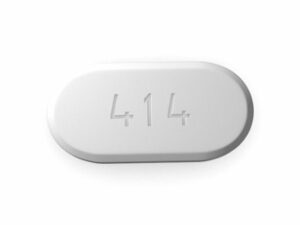
Tricor (Fenofibrate) — Patient Guide (Australia)
Tricor is a brand of fenofibrate, a medicine used to help improve certain blood fat levels (lipids), especially triglycerides. It is commonly prescribed as part of a broader plan that includes diet, exercise, weight management, and—when appropriate—other lipid-lowering medicines.
This guide is written to help you understand how Tricor works, when it’s used, how it’s taken, what to watch for, and what to discuss with your healthcare professional. Information is general and may not cover every situation.
Basic product information
- Active ingredient: Fenofibrate
- Brand: Tricor
- Medicine type: Lipid-modifying agent (fibrate)
- What it targets: Primarily lowers triglycerides; can increase HDL (“good” cholesterol) and lower LDL (“bad” cholesterol to a lesser extent in some people
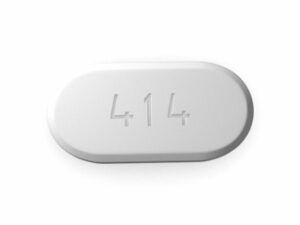
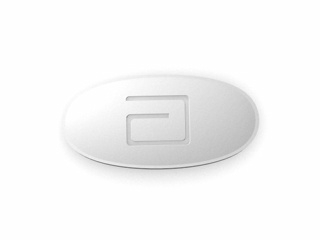
- Common forms: Depending on the specific product available in Australia, Tricor is typically supplied as an oral capsule or tablet strength (often referenced as 145 mg for Tricor). Exact strengths vary by formulation—check the pack label.
Note: Always confirm the exact strength and dosing instructions on your own medicine label or with your pharmacist.
How Tricor works (mechanism of action)
Fenofibrate belongs to the fibrate class. It works by activating a nuclear receptor called PPAR-α (peroxisome proliferator-activated receptor alpha). Activation of PPAR-α helps regulate genes involved in fat metabolism.
In practical terms, fenofibrate:
- Increases breakdown of triglyceride-rich particles by enhancing fatty acid oxidation
- Improves lipid clearance from the bloodstream, which lowers triglycerides
- May increase HDL and reduce LDL modestly, depending on the starting lipid profile
- Helps reduce the risk of pancreatitis in people with very high triglycerides (a key safety concern)
What is Tricor used for?
Tricor is used to treat lipid disorders. Typical uses include:
- High triglycerides (hypertriglyceridaemia), especially when triglycerides are significantly elevated
- Mixed dyslipidaemia (higher triglycerides along with elevated LDL or low HDL), when appropriate
- Reducing risk of pancreatitis in people with severe hypertriglyceridaemia
In Australia, lipid management is guided by clinical risk assessment and guideline-based targets (for example, cardiovascular risk and triglyceride thresholds). Your healthcare professional may recommend Tricor based on your blood test results and overall risk profile.
Typical use in Australia (patient-friendly context)
Lipid medicines like Tricor are usually part of a long-term plan. For many patients, the plan includes:
- Diet changes (reducing sugary foods, refined carbohydrates, and excess alcohol; increasing fibre and unsaturated fats)
- Regular physical activity
- Weight management if relevant
- Review of medications that can worsen lipids (as directed)
- Ongoing blood tests to check liver function, lipids, and safety monitoring
Important: Tricor is not a quick “rescue” for sudden spikes in triglycerides; it’s intended for consistent use along with lifestyle measures.
Pharmacokinetics (how the body handles fenofibrate)
Pharmacokinetics describes what happens to a medicine after you take it—absorption, distribution, metabolism, and elimination.
- Absorption: Fenofibrate is absorbed from the gastrointestinal tract. Some formulations have food-related absorption effects.
- Conversion/active form: Fenofibrate is converted to an active metabolite (fenofibric acid) in the body.
- Onset: Lipid effects generally develop over days to weeks, with the best assessment typically after several weeks of consistent dosing.
- Protein binding: The active metabolite is substantially protein-bound.
- Metabolism & excretion: Metabolites are primarily eliminated via the kidneys. This matters for dosing in people with reduced kidney function.
Why this matters: Kidney and liver function influence how safely fenofibrate can be used and how closely you may need monitoring.
Dosing and timing
Always follow the directions on your prescription label and the product packaging. The dose depends on the specific Tricor strength/formulation and your kidney function.
Common general dosing patterns (to be confirmed on your local product pack):
- Once daily dosing is commonly used for certain Tricor formulations.
- Doses are often adjusted based on renal (kidney) function and tolerability.
Timing: Take fenofibrate at the same time each day to help maintain consistent blood levels.
With or without food?
Food can affect absorption depending on the formulation. In many cases, fenofibrate is recommended to be taken with food to improve absorption and reduce variability.
- Check your pack instructions: “Take with food” or “take with meals” may be indicated.
- If you miss a dose, don’t double up. Take the next dose at the usual time unless your pharmacist advises otherwise.
Food interactions and lifestyle factors
Fenofibrate’s absorption may be affected by the formulation and whether it’s taken with meals. Beyond that, diet strongly influences triglycerides.
- Alcohol: Alcohol can raise triglycerides in many people, especially with higher baseline triglyceride levels.
- Sugars and refined carbohydrates: High intake can worsen triglycerides.
- Overall calorie balance: Weight gain often worsens lipid profiles.
- Omega-3 fats: Some people use dietary sources (or supplements under clinician guidance) to support triglyceride control.
If you’re taking Tricor for very high triglycerides, your healthcare professional may recommend a targeted diet plan (sometimes including a very low fat approach short-term) to reduce pancreatitis risk.
Alcohol interactions
Fenofibrate doesn’t have a single “absolute” alcohol prohibition for everyone, but alcohol can meaningfully increase triglycerides and can also burden the liver.
- Avoid or limit alcohol, particularly if you have:
- Very high triglycerides
- History of pancreatitis
- Elevated liver enzymes or liver disease
- Report heavy alcohol use to your healthcare professional so they can assess risks.
Medicine interactions (important)
Fenofibrate can interact with other medicines, mainly due to effects on the liver/renal system and risk of muscle-related side effects. Always tell your pharmacist and healthcare professional about all medicines and supplements you take.
Common interaction areas
- Statins (e.g., simvastatin, atorvastatin, rosuvastatin): Co-administration can increase the risk of muscle symptoms (myopathy/rhabdomyolysis), especially if there are additional risk factors (older age, kidney disease, high statin dose, drug interactions). Monitoring and prompt symptom review are important.
- Other lipid medicines: Combining with certain agents may require extra caution and monitoring.
- Blood thinners (anticoagulants, e.g., warfarin): Fenofibrate may affect anticoagulant effect; INR monitoring may be needed.
- Immunosuppressants or other medicines affecting liver/kidney: may require dose adjustments or enhanced monitoring.
- Kidney-affecting medicines: because fenofibrate is cleared by the kidneys, drug combinations that affect renal function can increase risk.
Herbal supplements: Some supplements may affect liver enzymes or clotting. Examples include products marketed for “cholesterol support,” “fat burning,” or high-dose niacin. Discuss these with your pharmacist.
Safety profile and who should be careful
Like all medicines, Tricor can cause side effects. Many people tolerate fenofibrate well, but certain risks require attention.
Seek urgent medical help if you develop:
- Severe muscle pain, weakness, or dark urine (possible muscle breakdown)
- Signs of liver problems: yellowing of eyes/skin, dark urine, severe fatigue, right upper belly pain, persistent nausea/vomiting
- Severe abdominal pain (especially if accompanied by vomiting) — could suggest pancreatitis
- Allergic reaction symptoms such as swelling of the face/lips, difficulty breathing, or widespread rash
Common or expected side effects
- Gastrointestinal symptoms (e.g., nausea, abdominal discomfort, diarrhoea)
- Headache or dizziness (varies by person)
- Skin reactions (less common)
Less common but clinically important risks
- Changes in liver enzymes (periodic blood tests may be recommended)
- Kidney function changes in some patients (monitoring may be needed)
- Gallstones or gallbladder issues (fibrates can increase risk of gallstones in some people)
- Muscle toxicity, particularly when combined with statins or in people with certain risk factors
Who should be extra cautious?
Your clinician may adjust dose or decide against fenofibrate if you have:
- Significant kidney impairment
- Active liver disease or persistently abnormal liver tests
- History of muscle problems or risk factors for muscle toxicity
- Gallbladder disease
Practical use tips
- Take it consistently: Use a daily routine (for example, with breakfast or dinner if your product label says to take with food).
- Keep track of symptoms: If you start a statin or change doses, watch for muscle pain/weakness.
- Attend blood tests: Lipid levels and safety tests (liver/kidney) are often checked at intervals.
- Don’t stop suddenly without advice: Triglyceride levels may rise again.
- Maintain lifestyle measures: Fenofibrate is most effective when combined with a triglyceride-lowering diet.
- Hydration: If you’re unwell (vomiting/diarrhoea), dehydration can affect kidney function—contact your healthcare professional for guidance.
Monitoring: what to expect
Monitoring schedules vary, but many clinicians check:
- Lipid profile (triglycerides, LDL, HDL) to assess response
- Liver function tests (ALT/AST and others)
- Kidney function (e.g., creatinine/eGFR)
- Symptoms for muscle effects (especially when combined with a statin)
If you experience new symptoms (muscle pain, unusual fatigue, dark urine, abdominal pain, jaundice), contact your healthcare professional promptly.
Alternative options
Depending on your lipid problem, other therapies may be considered. Your healthcare professional may choose based on triglyceride level, cardiovascular risk, kidney/liver status, and medication tolerability.
Common alternative or add-on options
- Statins (often first-line when LDL and cardiovascular risk are priorities)
- Omega-3 fatty acids (particularly for triglyceride reduction in selected patients)
- Ezetimibe (more commonly for LDL lowering)
- Niacin (less commonly used due to tolerability considerations; depends on local practice)
- Specialist therapies for rare lipid disorders (for example, inherited triglyceride disorders) when appropriate
Other measures—like addressing uncontrolled diabetes, reviewing medications that raise triglycerides, and reducing alcohol/sugars—are often key “alternatives” that can have major impact.
Recent guidance and clinical practice trends
In recent years, clinical emphasis has focused on:
- Managing triglycerides in context of overall cardiovascular risk and pancreatitis risk
- Lifestyle and secondary causes (e.g., diabetes control, alcohol intake, hypothyroidism, certain medications) before escalating therapy
- Careful combination therapy when using fibrates alongside statins due to muscle risk considerations
- Individualising targets based on patient risk profile and tolerability
Guidance in Australia is typically aligned with national and international recommendations and updated through professional channels. Your treating clinician will apply local best practice to your particular situation.
Market & legal context for Australia
In Australia, lipid medicines are regulated under the national medicines framework. Tricor (fenofibrate) is an established treatment option for appropriate lipid disorders. Access usually occurs through pharmacy supply in line with Australian healthcare processes and product scheduling requirements.
Important: Availability, exact strengths, and pack details can vary by supply chain and manufacturing. When ordering online, confirm you’re selecting the correct product strength and formulation consistent with your healthcare plan.
Delivery and availability (online pharmacy)
Online pharmacies in Australia typically provide:
- Home delivery to metro and regional areas (subject to courier availability)
- Secure packaging and standard cold/ambient requirements (fenofibrate is generally stored at controlled room temperature; follow the pack label)
- Tracking options depending on the provider
Delivery times vary. If you need the medicine urgently, check the store’s dispatch cut-off times and estimated delivery windows. Ensure you order enough supply to avoid missed doses.
FAQ
1) How long does it take for Tricor to work?
Many people see changes in triglyceride levels within a few weeks, with clearer results after several weeks of consistent daily dosing. Your clinician may repeat blood tests to assess response and safety.
2) Should I take Tricor in the morning or at night?
Choose a time that fits your routine and matches the product instructions—commonly with a meal. Take it at the same time each day. If you feel unwell after dosing, speak with your pharmacist about timing adjustments.
3) Can I drink alcohol while taking Tricor?
Alcohol can worsen triglycerides and may increase liver strain. Limiting alcohol (or avoiding it if triglycerides are very high) is often advised. Discuss your alcohol intake with your healthcare professional.
4) What should I do if I miss a dose?
Follow the missed-dose instructions on your medicine label. In general, don’t double up—take the next dose at your usual time unless your pharmacist advises otherwise.
5) Can Tricor be taken with a statin?
Sometimes it is used in combination, particularly for mixed lipid problems, but it requires careful consideration due to muscle risk. If you’re taking both, report muscle pain, weakness, or dark urine immediately and attend monitoring appointments.
6) Are there any food restrictions?
There are usually no strict “forbidden foods,” but taking fenofibrate with the recommended meal can improve absorption, and diet strongly affects triglycerides. Reducing sugar, refined carbohydrates, and alcohol can enhance treatment results.
7) Who should not take fenofibrate?
People with significant liver disease, certain kidney impairments, or other contraindications may need an alternative. Your pharmacist or clinician can review your history, current medicines, and blood results to decide what’s appropriate.
8) What monitoring will I need?
Common monitoring includes lipid panels and blood tests for liver and kidney function. You may also be monitored for muscle-related symptoms, particularly if combined with a statin.
9) Is Tricor safe for everyone?
No. Safety depends on factors such as kidney and liver function, other medicines (especially statins and anticoagulants), and your personal risk profile. If you have symptoms or questions, speak to a pharmacist.
10) What are signs of serious side effects?
Seek urgent help for symptoms such as severe muscle pain/weakness with dark urine, yellowing of skin/eyes, severe abdominal pain, or signs of an allergic reaction.
Summary table (quick reference)
| Topic | Key points for patients |
|---|---|
| Medicine | Tricor (fenofibrate) |
| Main role | Helps lower triglycerides; may improve HDL and lower LDL modestly |
| How it works | Activates PPAR-α to improve fat metabolism and clearance of triglyceride-rich particles |
| When effects occur | Generally develops over days to weeks; assess with follow-up blood tests |
| How to take | Usually once daily; take at the same time each day; follow “with food” instructions on pack |
| Food | Food may improve absorption depending on formulation |
| Alcohol | Can raise triglycerides and may affect liver; limit/avoid especially with high triglycerides |
| Drug interactions | Extra caution with statins; possible effects on blood thinners like warfarin; discuss all medicines |
| Monitoring | Lipids, liver enzymes, kidney function; watch for muscle or liver symptoms |
| Seek urgent care | Dark urine + muscle weakness, jaundice, severe abdominal pain, severe allergic reaction |
Disclaimer: This page provides general information about Tricor (fenofibrate). It does not replace personalised medical advice. If you have questions about your lipid results, side effects, or interactions with other medicines, speak with a pharmacist or healthcare professional.