
Simvastatin (Lipid-Lowering Medicine) — Patient Guide (Australia)
Simvastatin is a widely used medicine that helps lower cholesterol and reduce the risk of cardiovascular events such as heart attack and stroke. It belongs to a group of medicines called statins, which work by reducing cholesterol production in the liver. This guide explains how simvastatin works, how to take it safely, key interactions (including food, alcohol, and other medicines), and what to expect while using it.
Important: Always follow the directions given by your healthcare professional and the instructions on the medicine pack. If you are unsure about any aspect of use, speak to a pharmacist.
Basic Product Information
- Medicine name: Simvastatin
- Medicine class: Statin (HMG‑CoA reductase inhibitor)
- What it’s used for: Lowering low-density lipoprotein (LDL) cholesterol and other lipid abnormalities; reducing cardiovascular risk
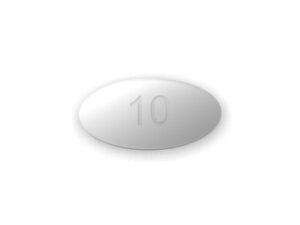
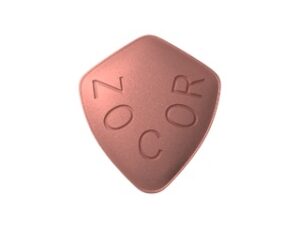
- Common forms: Tablet (strength varies by product)
- Brand/generic: Available as branded and generic simvastatin products in Australia
In Australia, simvastatin is supplied under specific medicines supply rules and is widely available through pharmacies and approved channels. Availability and pack sizes can vary by brand.
How Simvastatin Works (Mechanism of Action)
Simvastatin reduces cholesterol levels by inhibiting an enzyme called HMG‑CoA reductase, which plays a central role in cholesterol production in the liver.
By lowering cholesterol production, the liver responds by increasing the number of LDL receptors on liver cells. This helps remove LDL (“bad cholesterol”) from the bloodstream.
Statins can also modestly reduce:
- Triglycerides
- Very-low-density lipoprotein (VLDL)
- Sometimes increase HDL (“good cholesterol”) slightly
Pharmacokinetics (How the Body Processes Simvastatin)
Understanding pharmacokinetics can help explain timing and interaction risks.
- Absorption: Simvastatin is absorbed after oral dosing, but the exact amount absorbed can vary.
- Activation: Simvastatin is a prodrug and is converted in the body to its active form.
- Metabolism: It is mainly metabolised in the liver by enzymes (notably CYP3A4).
- Half-life: The overall active effect can last longer than the parent drug presence in blood because active metabolites contribute to the clinical effect.
- Excretion: Metabolites are primarily eliminated via the bile and faeces.
Why CYP3A4 matters: Medicines that inhibit CYP3A4 can increase simvastatin levels, raising the risk of muscle-related side effects. This is one of the most important interaction considerations.
Typical Uses in Australia
Simvastatin is commonly used for:
- Treatment of high cholesterol (e.g., high LDL cholesterol)
- Mixed dyslipidaemia (unfavourable levels of cholesterol and triglycerides)
- Prevention of cardiovascular events in people at higher risk, such as those with established cardiovascular disease or significant risk factors
It may also be used as part of broader cardiovascular risk management, alongside lifestyle measures (diet, physical activity, weight management, smoking cessation) and management of conditions such as diabetes and high blood pressure.
Indications (Who It’s For)
Simvastatin is indicated for lowering cholesterol and reducing cardiovascular risk in selected patients. Exact eligibility can depend on individual health history and lab results.
Common clinical scenarios include:
- Primary hypercholesterolaemia (elevated LDL cholesterol)
- Combined (mixed) dyslipidaemia
- Homozygous familial hypercholesterolaemia in appropriate settings
- Prevention of cardiovascular morbidity and mortality in people at increased risk
Your clinician may also consider additional lipid-lowering therapy depending on your cholesterol response and overall risk profile.
Dosing: How Much and When
Simvastatin dosing is individualised. The dose depends on factors such as baseline cholesterol levels, treatment goals, age, other medical conditions, and the use of interacting medicines.
| Topic | Patient-friendly guidance |
|---|---|
| Common timing | Simvastatin is often taken in the evening. This is because cholesterol production in the body is typically higher at night. |
| With or without food | Usually can be taken with or without food. However, follow your product label or clinician instructions. |
| Dose adjustment | Doses may be adjusted based on cholesterol results and tolerability. Do not change your dose without medical advice. |
| Missed dose | If you miss a dose, take it when you remember unless it’s close to the next dose. Do not double up. |
Practical tip: If you take simvastatin in the evening, setting a daily routine (e.g., after dinner) can help you remember and improve consistency.
Timing and Consistency Tips
- Take regularly: Statins work best when taken consistently.
- Evening dosing: For many people, evening dosing aligns with natural cholesterol rhythm.
- Keep follow-up appointments: Cholesterol checks are commonly repeated after starting or changing dose to confirm response.
If your medicine label provides a specific schedule, always follow that schedule.
Food Interactions
Food generally does not prevent simvastatin from working. However, certain dietary items can affect risk.
- Grapefruit/grapefruit juice: Avoid or minimise grapefruit products. Grapefruit can inhibit CYP3A4, potentially increasing simvastatin exposure and the risk of muscle side effects.
- High-alcohol intake with grapefruit exposure: Combining multiple risk factors may further increase concerns around liver and muscle effects.
For most people, simvastatin can be taken with meals if that suits their routine, but avoiding grapefruit is often strongly recommended.
Alcohol and Medicine Interactions
Moderate alcohol may be tolerated by many people, but caution is advised with simvastatin—especially if you have a history of liver disease, elevated liver enzymes, heavy alcohol use, or other risk factors.
- Risk to the liver: Both alcohol and statins can affect the liver in susceptible individuals. Heavy or binge drinking may increase risk.
- Muscle symptoms: Severe alcohol misuse can contribute to muscle problems (e.g., through dehydration and metabolic effects), which can complicate recognition of statin-related muscle symptoms.
Patient guidance:
- If you drink alcohol, discuss your pattern with your pharmacist or doctor.
- Report unusual symptoms such as severe fatigue, dark urine, or persistent upper abdominal discomfort.
Medicine Interactions (Including the Most Important Ones)
Simvastatin’s metabolism depends largely on CYP3A4. Medicines that strongly inhibit or affect CYP3A4 can increase simvastatin levels and raise the risk of myopathy (muscle injury) and rhabdomyolysis (a rare but serious breakdown of muscle tissue).
Tell your healthcare professional about all medicines you take, including:
- Prescription medicines
- Over-the-counter products (e.g., pain relief, allergy tablets)
- Herbal supplements (especially those marketed for cholesterol, heart health, or “natural” cholesterol support)
- Vitamins and minerals
Common interaction categories to discuss:
- Strong CYP3A4 inhibitors (often require avoiding the combination or using an alternative statin strategy)
- Other lipid-lowering drugs (some combinations may increase muscle risk depending on the dose and specific products)
- Certain antibiotics and antifungals (some can significantly raise statin levels)
- HIV antivirals (some can strongly affect metabolism)
- Immunosuppressants (can raise interaction risk)
- Medicines for irregular heart rhythm (some interact via metabolism and transporters)
Key safety message: If you start, stop, or change dose of any medicine that may interact, seek advice before continuing simvastatin at the same dose.
Safety Profile: What to Watch For
Like all medicines, simvastatin can cause side effects. Many people take it without issues, but it’s important to know what symptoms should be reported promptly.
Commonly reported side effects
- Headache
- Abdominal discomfort, nausea
- Constipation or other mild gastrointestinal effects
Muscle-related symptoms (important)
Statins can, in some individuals, cause muscle pain, tenderness, weakness, or cramps. Rarely, severe muscle injury can occur.
- Report promptly: unexplained muscle pain/weakness, especially if accompanied by fever or feeling very unwell.
- Seek urgent help: if you have severe muscle symptoms, dark urine, or significant weakness.
Liver-related effects
- Simvastatin can sometimes increase liver enzyme levels.
- Report symptoms such as yellowing of the skin/eyes (jaundice), persistent nausea, severe tiredness, or pain in the upper abdomen.
Other possible effects
- Some people experience dizziness or fatigue.
- Allergic reactions are rare, but any signs such as rash, swelling, or breathing difficulty require urgent medical attention.
Monitoring: Your clinician may check blood tests (e.g., cholesterol and sometimes liver enzymes) before starting and during treatment depending on risk factors and local practice.
Practical Use Tips for Everyday Life
- Keep a list: Maintain an up-to-date list of medicines and supplements to show your pharmacist.
- Be cautious with new products: Ask before starting new supplements, particularly those containing ingredients that may affect liver enzymes or muscle risk.
- Know your “baseline”: If you already have muscle aches from another condition, explain this to your clinician so symptoms can be interpreted correctly.
- Stay hydrated and active: Regular activity and adequate hydration can help general muscle health.
- Don’t stop suddenly: If you develop side effects, speak with your healthcare professional before stopping unless symptoms are severe or urgent.
Driving and operating machinery: Simvastatin is not typically associated with impaired alertness, but if you feel dizzy or unwell, avoid driving and seek advice.
What to Expect: Effect on Cholesterol
Cholesterol-lowering effects typically develop over time.
- Early changes: Some reduction can be seen within weeks.
- Ongoing effect: Full benefit can take longer, and dose adjustments may be made based on follow-up cholesterol tests.
Continue lifestyle measures—diet and exercise complement statin therapy and improve overall cardiovascular risk.
Alternative Options (If Simvastatin Isn’t Suitable)
If simvastatin is not well tolerated, does not achieve goals, or has interaction concerns, healthcare professionals may consider alternative strategies. Options can include:
- Switching to another statin (e.g., atorvastatin or rosuvastatin), sometimes with a different interaction profile
- Non-statin lipid-lowering medicines such as ezetimibe or other options depending on your cholesterol pattern and risk
- Combination therapy when appropriate (selected under medical supervision)
- Lifestyle-focused plan (dietary changes, weight management, exercise, smoking cessation)
Your clinician can help determine the best approach based on your cardiovascular risk, lipid results, and other medicines you take.
Australia: Market and Legal Context (Patient Overview)
In Australia, simvastatin is an established medicine used for cholesterol management. As with many lipid-lowering therapies, supply and use are regulated to ensure safe and appropriate treatment.
Key points for Australian patients:
- Simvastatin products are available through legitimate pharmacies and approved suppliers.
- Pharmacists play an important role in checking interactions and advising on safe use.
- Accurate lab monitoring and follow-up care help ensure therapy remains suitable over time.
For the most current information on medicines availability, prescribing requirements, and regulatory updates, patients can consult:
- Medicines information services
- National guideline resources used by Australian clinicians
- Your local pharmacist
Recent Guidance and Ongoing Best Practice (General Summary)
Clinical guidance for cholesterol management continues to emphasise:
- Risk-based statin use for prevention of cardiovascular events
- Appropriate intensity (dose and statin choice based on risk and tolerability)
- Safety monitoring for muscle symptoms and liver issues, especially in higher-risk patients
- Review of interactions at every medicine change
Guidance may evolve as new evidence and safety updates become available. If you’re unsure whether your current statin dose remains appropriate, discuss this at your next medication review.
Delivery and Availability (Online Pharmacy Information)
Simvastatin is commonly available via online pharmacy services that source medicines from authorised suppliers. Availability can vary by:
- Strength and pack size
- Brand or generic product
- Current demand and shipping schedules
Delivery considerations:
- Medicines are typically dispatched within business days once payment and verification are completed.
- Delivery times depend on your location within Australia and the selected shipping method.
- Follow the packaging instructions upon arrival and store medicines as directed.
Storage: Keep tablets in a cool, dry place, out of direct sunlight, and out of reach of children.
FAQ: Simvastatin for Patients
1) What is simvastatin used for?
Simvastatin is used to lower cholesterol—especially LDL cholesterol—and to reduce the risk of cardiovascular events in appropriate patients. It may be used for people with high cholesterol and for prevention in those with increased cardiovascular risk.
2) How should I take simvastatin?
Many people take simvastatin in the evening. You can usually take it with or without food, but follow your label or clinician’s instructions. Take it consistently every day.
3) Can I take simvastatin with food?
Yes, it is generally possible to take simvastatin with or without food. The key dietary concern is usually grapefruit, which can increase statin levels.
4) Should I avoid grapefruit?
Yes. Grapefruit or grapefruit juice can inhibit metabolism and increase simvastatin exposure, raising the risk of side effects. Many patients are advised to avoid grapefruit products while using simvastatin.
5) What happens if I miss a dose?
If you miss a dose, take it when you remember unless it is near the time of your next dose. Do not take a double dose.
6) What side effects are most important to know about?
Muscle symptoms (pain, tenderness, weakness) are especially important. Liver-related symptoms such as jaundice or persistent upper abdominal discomfort should also be reported. Seek urgent help for severe symptoms or if you feel very unwell.
7) Is it safe to drink alcohol while taking simvastatin?
Moderate alcohol may be tolerated, but caution is advised. Heavy or frequent alcohol use can increase risk to the liver and complicate muscle symptoms. Discuss your alcohol intake with your pharmacist or doctor, particularly if you have liver disease or elevated liver enzymes.
8) Can other medicines interact with simvastatin?
Yes. Simvastatin can interact with medicines that affect liver enzymes (notably CYP3A4). This can increase the risk of muscle and liver side effects. Always check with a pharmacist if you start, stop, or change doses of any medicine or supplement.
9) Do I need blood tests?
Your clinician may check cholesterol levels to confirm the medicine is working and may sometimes monitor liver enzymes depending on your risk factors and symptoms. Attend scheduled reviews and lab tests.
10) What if I experience muscle pain?
Stop and seek advice promptly if you have unexplained muscle pain, tenderness, or weakness—especially with fever or dark urine. Do not ignore persistent or worsening symptoms.
11) What are my alternatives if simvastatin doesn’t suit me?
Alternatives can include switching to another statin, adjusting the dose, or using non-statin cholesterol-lowering medicines depending on your lipid results and risk profile.
12) How long will simvastatin take to work?
Cholesterol improvements can begin within weeks, with further changes over time. Follow-up cholesterol tests help determine whether the dose is meeting targets.
Summary
Simvastatin is a proven statin medicine used to lower LDL cholesterol and reduce cardiovascular risk. It works by reducing cholesterol production in the liver and increasing LDL clearance. Most people tolerate it well, but it’s important to be aware of muscle symptoms, potential liver effects, and interactions—especially medicines and foods that increase statin levels, such as grapefruit and certain CYP3A4-inhibiting medicines.
For the safest and most effective use, take your dose consistently (often in the evening), avoid grapefruit, review all other medicines and supplements with a pharmacist, and seek advice promptly if you notice unusual symptoms.