
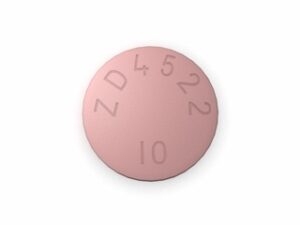
Zocor (Simvastatin) — Patient Information (Australia)
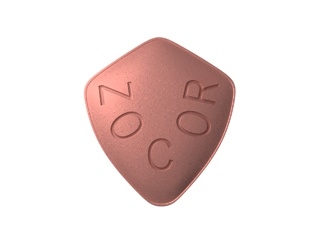
Zocor is a brand of simvastatin, a medicine from the statin group used to lower cholesterol and help reduce the risk of certain cardiovascular events. This guide is written for patients in Australia and explains how Zocor works, how it is usually taken, key safety information, common interactions, and practical tips for getting the best benefit.
Always follow the instructions given to you by your healthcare professional and read the Consumer Medicine Information (CMI) supplied with your product.
Quick Overview
| Topic | Summary |
|---|---|
| Medicine | Zocor (simvastatin) |
| Medicinal class | Statin (HMG-CoA reductase inhibitor) |
| What it does | Lowers LDL (“bad”) cholesterol and triglycerides; modestly raises HDL |
| Typical schedule | Once daily (often in the evening) |
| Common reasons to use | High cholesterol, prevention of cardiovascular events in appropriate patients |
| Key safety themes | Muscle-related side effects, liver enzyme changes, pregnancy precautions |
Basic Product Information
Simvastatin is an oral medicine taken by mouth. Zocor is available in different strengths depending on local supply. Your pack strength will be printed on the label.
In Australia, Zocor (simvastatin) is part of widely used lipid-lowering therapy. The brand name may differ depending on manufacturer and supply, but simvastatin is the active ingredient.
How Zocor Works (Mechanism of Action)
Simvastatin belongs to the statins class. Statins reduce the production of cholesterol in the liver by inhibiting the key enzyme HMG-CoA reductase.
- Lower cholesterol production: The liver makes less cholesterol.
- More LDL removed from blood: With less cholesterol made, the liver increases LDL receptor activity, pulling more LDL cholesterol from the bloodstream.
- Improved lipid profile: LDL (“bad”) cholesterol typically decreases; triglycerides often decrease; HDL (“good”) cholesterol may increase slightly.
- Additional cardiovascular benefits: Statins help stabilise plaque in blood vessels, which can lower the risk of heart attack and stroke in suitable patients.
Pharmacokinetics (Absorption, Metabolism, and Elimination)
While individual responses vary, the following general points explain how simvastatin behaves in the body:
- Absorption: Simvastatin is absorbed from the gastrointestinal tract after oral dosing.
- Activation: Simvastatin is a “prodrug,” meaning it is converted in the body to its active form.
- Metabolism: It is primarily metabolised by the liver enzyme system CYP3A4. This is a major reason why certain medicines that block CYP3A4 can raise simvastatin levels and increase the risk of muscle injury.
- Half-life: The active inhibitory effect can persist longer than the parent drug in blood, which is why once-daily dosing is commonly used.
- Excretion: Metabolites are eliminated mainly via the bile and faeces, with some urinary excretion.
Typical Use in Australia
Zocor is commonly used for:
- Primary hypercholesterolaemia (high cholesterol) or mixed dyslipidaemia (high LDL and/or triglycerides).
- Cardiovascular risk reduction in appropriate patients, based on individual risk factors and overall clinical assessment.
- Prevention of cardiovascular events in some people with known cardiovascular disease or increased risk.
Treatment is usually paired with lifestyle changes such as healthy eating, weight management, regular physical activity, and stopping smoking where relevant.
Indications (When It May Be Prescribed)
Indications vary by individual and product information, but generally include use when cholesterol levels and cardiovascular risk mean a cholesterol-lowering strategy is beneficial. Your healthcare professional will consider:
- Your lipid profile (LDL, HDL, triglycerides, total cholesterol)
- Personal history of heart disease, stroke, or peripheral arterial disease
- Diabetes, high blood pressure, smoking, age, and family history
- Other medical conditions and medicines you take
How to Take Zocor: Timing and Dosing
Typical timing
Simvastatin is often taken once daily in the evening. This timing is traditionally recommended because cholesterol synthesis in the body is higher at night. However, follow your clinician’s instructions—some patients may be advised to take it at other times depending on their regimen.
Typical dosing (general information)
The appropriate dose depends on the condition being treated, your response, and your risk of side effects. Common starting doses in practice may range from lower strengths and can be adjusted by your healthcare professional.
Dose adjustments may also occur if you are taking interacting medicines or if you have kidney or liver conditions. Do not change your dose unless advised.
- Once daily: commonly in the evening.
- Adjustments: based on cholesterol blood test results.
- Maximum dose considerations: in particular with interacting medicines, maximum simvastatin doses may be limited to reduce the risk of muscle injury.
Missed dose
- If you miss a dose, take it as soon as you remember unless it is close to the time of your next dose.
- Do not take two doses at once to make up for a missed dose.
Duration of therapy
Statins are usually taken long-term. Stopping may cause cholesterol levels to rise again. If you are considering stopping for any reason, discuss this first with your healthcare professional.
Food Interactions
General rule: Many patients can take simvastatin with or without food. If your clinician has not specified otherwise, follow the instructions on the label.
- Grapefruit / grapefruit juice: Avoid or minimise because grapefruit can increase simvastatin levels (through CYP3A4 inhibition), raising muscle side-effect risk.
- High-alcohol meals: Not an “official food interaction,” but heavy drinking can affect the liver and increase side-effect risk. See the alcohol section below.
If you have dietary guidance from your clinician (for example, for triglyceride control), continue to follow it alongside your medicine.
Alcohol and Medicine Interactions
Alcohol
Alcohol can affect liver health. Because statins may cause mild changes in liver enzymes in some people, it’s important to consider your personal alcohol intake.
- Moderation is advised: If you drink alcohol, do so in moderation.
- Higher-risk situations: If you have a history of liver disease, persistently elevated liver enzymes, or you drink heavily, discuss with your clinician before continuing.
- Seek advice promptly if you develop symptoms such as unusual fatigue, loss of appetite, upper right abdominal pain, dark urine, or yellowing of the skin/eyes.
Major medicine interactions (important)
Some medicines can raise simvastatin blood levels by affecting CYP3A4 or transport proteins. Higher levels increase the risk of myopathy and rhabdomyolysis (rare but serious muscle breakdown). Your pharmacist will help screen your current medicines for interactions.
- CYP3A4 inhibitors (common risk group):
- Some antifungals (e.g., ketoconazole, itraconazole)
- Some macrolide antibiotics (e.g., clarithromycin)
- Some HIV treatments (specific protease inhibitors)
- Some medicines for hepatitis C (depending on regimen)
- Grapefruit as noted above
-
Other lipid-lowering or muscle-risk medicines:
- Fibrates (e.g., gemfibrozil; fenofibrate may be used with caution depending on patient factors)
- Niacin (vitamin B3) in some formulations
-
Antiarrhythmics and other specific interacting drugs:
- Examples can include certain medications known to increase simvastatin exposure
-
Anticoagulants (blood thinners):
- Warfarin interactions may occur; monitoring of clotting status (INR) may be needed when starting, stopping, or changing statin dose.
This is not a complete list. Always tell your pharmacist about all medicines you use, including over-the-counter products, vitamins, herbal supplements, and “natural” remedies.
Safety Profile: What to Watch For
Most people tolerate simvastatin well, but like all medicines, it can cause side effects. The key safety themes are muscle symptoms, liver enzyme changes, and specific precautions during pregnancy.
Common / generally mild effects
- Mild digestive upset (e.g., nausea, constipation or diarrhoea)
- Headache
- Muscle aches without major weakness can occur in some people
Serious side effects — seek medical advice promptly
- Muscle symptoms: If you experience unexplained muscle pain, tenderness, weakness, or cramps—especially if accompanied by fever or feeling unwell—contact your healthcare professional promptly.
- Dark urine or reduced urine output can be a sign of muscle breakdown and requires urgent assessment.
- Liver-related symptoms: If you notice yellowing of the eyes/skin, severe fatigue, persistent nausea/vomiting, or pain in the upper abdomen, seek medical attention.
- Allergic reactions: Swelling of the face/lips, rash, or breathing difficulties require immediate emergency care.
Liver enzyme monitoring
Clinicians may perform blood tests to check liver function before starting and/or during treatment, particularly if risk factors exist or if symptoms develop.
Pregnancy and breastfeeding precautions
Statins are generally not recommended during pregnancy. If you are pregnant, planning pregnancy, or could become pregnant, discuss this urgently with a healthcare professional. If breastfeeding, discuss with your clinician because the safety of statins during breastfeeding is not well established.
Kidney and liver impairment
Dose adjustments and extra monitoring may be required in people with significant kidney or liver impairment. Your clinician will assess suitability and the safest starting dose.
Practical Use Tips
- Take it the same time each day: Use a reminder on your phone or a medication app.
- Keep lifestyle changes going: Diet and exercise remain essential even when cholesterol improves.
- Know the “muscle symptom checklist”: Unexplained muscle pain/weakness is the main warning sign—don’t ignore it.
- Check interactions before starting new medicines: This includes antibiotics, antifungals, “cold and flu” products, and herbal supplements.
- Avoid grapefruit: Grapefruit can raise statin levels.
- Keep appointment times for blood tests: Lipid tests and other monitoring help track response and safety.
- Inform other clinicians: Tell dentists, surgeons, and specialists you take simvastatin.
Alternative Options (If Zocor Isn’t Right for You)
There are several cholesterol-lowering options available. Which is appropriate depends on your cholesterol goals, medical history, tolerability, kidney/liver function, and interactions with your other medicines.
Common statin alternatives
- Other statins may be used if simvastatin isn’t tolerated or if interactions limit its use. Examples include atorvastatin, rosuvastatin, and pravastatin (choice depends on your situation).
Non-statin options
- Ezetimibe: lowers cholesterol absorption.
- Bempedoic acid (where appropriate): can lower LDL cholesterol in selected patients.
- PCSK9 inhibitors (injectable): used for specific high-risk groups.
- Fibrates and omega-3 fatty acids may be considered mainly for triglyceride management, depending on patient factors.
If you experience side effects, your clinician may lower the dose, switch to another statin, or add a different therapy rather than stopping all lipid-lowering treatment.
Market and Legal Context for Australia
In Australia, lipid-lowering medicines are used according to clinical guidelines developed by Australian and international bodies, with attention to individual cardiovascular risk. Statins are among the most commonly used medicines for managing cholesterol and preventing cardiovascular events in suitable patients.
Medicines must be supplied in line with Australian regulatory requirements. Pharmacy teams can provide counselling, check interactions, and ensure you receive the right product strength and instructions.
Ongoing national initiatives and prescribing practices emphasise safe medicine use, appropriate selection of therapy, and patient education about side effects and interactions.
Recent Guidance and Ongoing Monitoring (What Patients Commonly Need to Know)
Clinical practice in Australia focuses on:
- Assessing cardiovascular risk and using statins when benefits are expected to outweigh risks.
- Using the lowest effective dose that achieves lipid targets and tolerability.
- Reviewing medicines for interactions, particularly CYP3A4 inhibitors that may increase statin exposure.
- Checking liver tests and lipid results when indicated, and reviewing symptoms promptly.
- Adopting a shared decision-making approach so patients understand benefits, potential harms, and the importance of lifestyle measures.
If you have concerns about side effects or whether Zocor is the best choice for you, speak with your healthcare professional rather than stopping suddenly.
Delivery and Availability (Online Pharmacy Information)
Zocor (simvastatin) availability can depend on local supplier and stock levels. Many online pharmacies aim to keep common strengths available, but delays can occur.
- Choose the correct strength: Confirm the milligram (mg) strength before ordering.
- Packaging and labelling: Your item will be labelled with the simvastatin strength and directions.
- Delivery times: Delivery estimates vary by location and shipping service.
- Cold chain: Simvastatin tablets do not typically require refrigeration.
If you have urgent needs (for example, you are travelling or near the end of your current supply), contact customer service to check dispatch timing.
FAQ — Zocor (Simvastatin)
1) What does Zocor do to my cholesterol?
Zocor (simvastatin) lowers LDL (“bad”) cholesterol and triglycerides in many people. It can also raise HDL (“good”) cholesterol modestly.
2) When should I take my dose?
Many people take simvastatin once daily in the evening. Follow your label or clinician’s directions. Try to take it at the same time each day.
3) Can I take Zocor with food?
Usually, yes. Most patients can take simvastatin with or without food. However, follow your personal instructions. Avoid grapefruit products.
4) Is grapefruit really a problem?
Yes. Grapefruit can increase simvastatin levels by affecting metabolism pathways, which may increase the risk of muscle side effects. It’s generally best to avoid grapefruit and grapefruit juice while taking simvastatin.
5) What side effects are most important to watch for?
The most important are unexplained muscle pain, tenderness, weakness (especially with fever or feeling unwell), and possible liver-related symptoms such as yellowing of the skin/eyes or dark urine. Seek medical advice promptly.
6) Can I drink alcohol while taking Zocor?
Moderate alcohol may be acceptable for some people, but alcohol can affect liver health. If you drink heavily or have liver disease, discuss with your clinician. Contact your healthcare professional if you develop concerning symptoms.
7) What medicines commonly interact with simvastatin?
Medicines that inhibit CYP3A4 can raise simvastatin levels. Certain antibiotics, antifungals, some HIV/hepatitis medicines, and other lipid therapies can interact. Always provide your full medicine list to your pharmacist.
8) What if I miss a dose?
Take it when you remember unless it is close to your next dose. Do not take double doses.
9) Will I feel any different after starting Zocor?
Many people feel no immediate change. The benefit is reflected in blood cholesterol tests and a reduction in long-term cardiovascular risk. Some patients experience mild side effects, but many tolerate statins well.
10) What are alternatives if I can’t tolerate simvastatin?
Your clinician may adjust the dose, switch to another statin, or consider non-statin therapies such as ezetimibe or other options depending on your cholesterol pattern and cardiovascular risk.
When to Seek Medical Help Urgently
Contact emergency services or seek urgent care if you experience severe allergic symptoms (swelling, trouble breathing), or if you develop signs that suggest serious muscle injury (severe muscle pain/weakness with dark urine) or serious liver problems (yellowing of the skin/eyes, severe persistent nausea/vomiting, or intense abdominal pain).
Bottom line: Zocor (simvastatin) is widely used to lower cholesterol and reduce cardiovascular risk. Taking it consistently, avoiding grapefruit, and discussing all medicines you use (including over-the-counter and herbal products) are key steps toward safe, effective treatment.